Leave Your Message

Blog

Why Is a Tarp Roller Essential for Truck Load Protection?

Why Is a Tarp Roller Essential for Truck Load Protection?

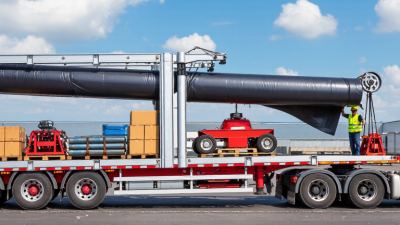
Every day, truckloads are out there dealing with wind, rain, dust, and the kind of sudden braking that makes everyone hold their breath. In the U.S., trucking moved 11.27 billion tons in 2023, according to the American Trucking Associations’ American Trucking Trends 2024. When you’re hauling that much, protecting the load isn’t just a nice-to-have—it’s a real safety and cost issue. A tarp can get damaged and, within minutes, you’ve got aggregate, scrap, machinery, or packaged goods exposed. That’s where a Tarp Roller comes in. It helps operators cover and uncover cargo with controlled tension, cutting down on loose fabric, awkward climbing, and all that repeated manual handling around the trailer. Small details matter. And proper tension? Yeah, it matters too. The FMCSA’s Cargo Securement Rules, 49 CFR Part 393, require cargo to stay secured against shifting and falling. A roller doesn’t replace rated tiedowns, edge protection, inspections, or trained judgment. It supports the securement process—that’s the distinction. It lines up with reliable field practice and manufacturer guidance. And if you follow the Commercial Vehicle Safety Alliance’s International Roadcheck reports, cargo securement keeps showing up as an inspection concern. That tells you why visible, consistent protection deserves attention. A solid intro should look at design, torque, tarp life, maintenance, and return on investment. Fleet managers should compare axle configuration, trailer length, operating climate, and what operators actually say. A roller that looks efficient can still fail if its spring, gearbox, or mounting points are poorly matched. Not every fleet needs the same system. That’s an easy thing to overlook. This article looks at why Tarp Roller equipment has become more than just a convenience. It’s a practical layer of risk control—as long as users install, inspect, and operate it correctly. Some claims still need field testing. And that honesty matters, especially when safety and cargo value are sharing the same journey.
Read more »
Ethan By:Ethan - October 14, 2026
Top Nylon Tarpaulin Manufacturers for Global Buyers

Top Nylon Tarpaulin Manufacturers for Global Buyers

When you’re sourcing Nylon Tarpaulin from global suppliers, a long list of names isn’t enough. You need proof, real comparisons, and clear criteria you can actually use. This guide looks at some of the leading Nylon Tarpaulin manufacturers that serve construction, transport, agriculture, outdoor storage, and emergency shelter markets. We’ll weigh things like fabric weight, coating quality, tear strength, waterproofing, UV resistance, seam construction, and how consistent production really is. Dr. Robert M. Koerner, a respected materials specialist, once said, “Performance must be judged in service, not in a catalog.” That hits home here. A tarp can look tough under warehouse lights, then fall apart after months of sun, folding, abrasion, and heavy rain. So buyers should ask for test reports, sample panels, coating details, packing photos, and delivery terms that make sense. Often, the small stuff tells you who’s serious: reinforced corners, heat-sealed seams, durable eyelets. That said, not every big factory is the right fit. Some suppliers have tempting prices but weak technical support. Others reply fast and communicate well, but their quality control isn’t stable enough. And that gap can affect an entire shipment. This guide compares established manufacturers with the buyer in mind—product capability, customization, certifications, export experience, and after-sales reliability. Of course, no evaluation is perfect. Supplier conditions change, and published specs may still need independent verification. Still, doing careful comparisons cuts down a lot of avoidable risk. The strongest Nylon Tarpaulin manufacturer isn’t always the cheapest one. It’s the one that gives you suitable material, steady workmanship, and dependable service when things get tough.
Read more »
Ethan By:Ethan - October 10, 2026
7 Tips for Choosing the Best PE Tarpaulin Roll?

7 Tips for Choosing the Best PE Tarpaulin Roll?

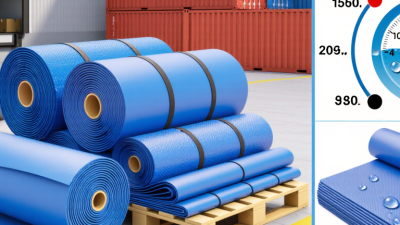
Picking the right PE Tarpaulin Roll isn't just about comparing prices. A dependable one does real work: it protects goods, workers, and equipment from rain, sun, dust, and all that repeated handling. Thickness matters, yes, but so do fabric density, coating quality, roll width, and edge reinforcement. Those are the things that affect how it performs day after day. And a heavy-looking sheet can still rip if its weave is weak. That's a detail people miss all the time. Daniel Harper, a PE tarpaulin specialist at Northstar Industrial Fabrics, puts it well: “A dependable tarpaulin begins with the application, not the sales label.” That's practical advice. A Roll Tarpaulin for covering trucks needs different strength than one used for temporary storage. If you're using it outdoors, look at UV resistance, waterproofing, heat tolerance, and how easily it folds. Construction buyers might need reinforced hems and eyelets that are spaced closely enough. Agricultural users often want ventilation options and coverage that stays put. This guide walks through seven useful tips for choosing the best PE Tarpaulin Roll for your specific working conditions. It looks at material grades, GSM, lamination, size accuracy, accessories, supplier credibility, and inspection methods. Small details really do matter. Run your hand over the surface. Check the stitching. Measure the roll. No product is perfect, and buying decisions usually involve some compromise. A thicker tarp can last longer, but it's also heavier to handle. A cheaper option may look tempting, but you might end up replacing it sooner. We also tend to forget about storage conditions—and those can damage even a well-made sheet. Careful buyers compare specs against real use, ask for samples, and confirm performance claims before placing big orders. A reliable supplier should be able to explain their testing standards clearly.
Read more »
Ethan By:Ethan - October 7, 2026
10 Best Fabric Tarp Manufacturers for Global Buyers

10 Best Fabric Tarp Manufacturers for Global Buyers

Picking a reliable Fabric Tarp manufacturer isn't just about checking out the prices in their catalogs—there's a lot more to consider. If you're buying from abroad, for example, you'll want to look into the material's strength, how well it's coated, the stitching quality, options for customization, and their experience with exporting. Sometimes, a tarp might look super sturdy in a product photo, but get it in person and find out that the seams are weak—then wind, rain, or even just repeated folding can cause problems. This guide highlights ten well-known manufacturers like Tarps Now, Keder Solutions, Canwil Textiles, The Tarps Company, Shur-Co, Mytee Products, Herculite, Serge Ferrari, Sioen Industries, and Tarping USA. We’re breaking down their offerings based on real-world shopping factors. Think about fabric types, waterproof features, UV resistance, size accuracy, reinforcement, and whether they support custom orders. Certifications, testing info, and clear communication are also key—they help cut down the guesswork for everyone involved, whether you’re a distributor, contractor, transport company, or industrial user. Of course, everyone’s needs can be pretty different. A construction supply company might need reinforced corners and quick restocking options, while a logistics company may focus more on exact dimensions, durability against abrasion, and reliable delivery times. Farmers and other outdoor users often want breathable or coated fabrics that can handle changing weather conditions. No single manufacturer is perfect for every job, and that's something to keep in mind. Some might excel at customization but require larger minimum orders, while others offer quick standard products but with less tech variety. Before committing to a big order, it's smart to ask for samples, detailed technical sheets, seam info, and written quotes. Remember, this guide is just a starting point. Manufacturing capabilities, lead times, and product specs can change over time, so always double-check before making final decisions. Better safe than sorry, right?
Read more »
Ethan By:Ethan - October 1, 2026
What Is a Flat Pipe and What Is It Used For?

What Is a Flat Pipe and What Is It Used For?

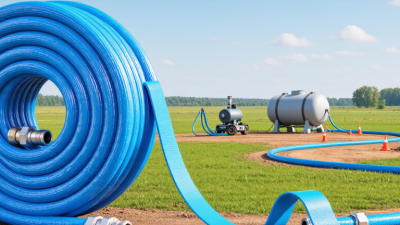
A flat pipe is basically a tube that's designed to lie flat when it's empty, but opens up into a passage once fluid starts flowing through it. You've probably seen versions of these called layflat hoses — they're flexible, reinforced with materials that make them easy to handle but still tough enough to handle pressure. You'll find them on farms, at construction sites, or used temporarily for water transfer. When they're rolled up, they can easily fit beside a pump or in a service vehicle. Unrolled, they’re great for moving water across fields without the hassle of bulky rigid pipes. Now, just a heads-up: the term 'flat pipe' isn’t always used consistently. Different suppliers might call similar products different things, so it’s really important to check the specifications rather than just going by the name. Pay attention to details like diameter, maximum pressure, the material, temperature limits, and connection types. If these don’t match your needs, you might end up with leaks, poor flow, or premature wear and tear. Small details do matter! For instance, if you’re dragging a hose over jagged gravel, you’ll want one that’s more resistant to abrasion than if it’s used on a smooth surface. And hey, while a flat tarp can cover stored equipment nearby, it’s not a substitute for a hose—it’s a different thing altogether. Picking the right one really depends on the route, the type of liquid you're handling, and the conditions you’re working in. Even a high-quality pipe has its limits, so understanding the basics of different designs and practical tips can help you make better choices — but keep in mind that real-life setups often aren’t perfectly neat and tidy like the product images suggest. This guide covers common designs, uses, and what to look out for, but ultimately, every situation is a bit different.
Read more »
Lila By:Lila - September 26, 2026
10 Best Construction Tarpaulins for Global Buyers

10 Best Construction Tarpaulins for Global Buyers

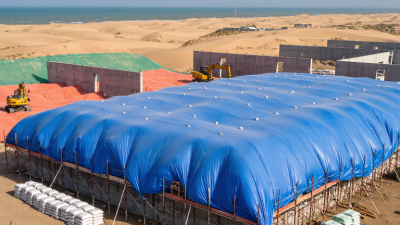
Picking out the right construction tarpaulin isn't as straightforward as just comparing colors, sizes, or prices advertised online. Sure, a cover that works great in a dry warehouse might totally fall apart once you take it to a seaside building site. Things like wind, rain, dust, sharp edges, UV rays, and the repeated folding and unfolding — those all influence what kind of tarp is actually suitable. In this guide, I’ve put together ten practical options for buyers around the world. We've looked at stuff like fabric strength, coating quality, waterproof capabilities, how close the eyelets are spaced, seam construction, weight, and how easy it is to repair if needed. All of these details really matter when you're protecting cement bags, scaffolding, machinery, or even unfinished walls. A dependable product should come with clear specs, consistent sizes, and useful technical info. Before placing a big order, it’s smart to ask for samples, test reports, and some behind-the-scenes photos of the manufacturing process — claims from suppliers need to be verified. From real-world experience, we often find tiny issues pop up. Maybe the eyelets tear first, or seams start leaking after a few storms. Heavy-duty fabrics can also be harder to install safely. No tarp’s perfect, of course — sometimes I want durability, especially for tough environments. Other times, a logistics person might prefer something lighter and easier to handle. It’s important to pay attention to what matters most for your specific needs. Weather conditions in your region, how you'll transport the tarps, installation practices, and how long they'll need to be stored all influence the best choice. My goal here is to help you make smarter decisions by sharing straightforward comparisons, pointing out the limitations, and asking the right questions for your suppliers. But remember — testing the actual product in your environment is always a good idea. So, for serious projects, make sure you verify that the tarp can handle your specific construction site’s demands.
Read more »
Sophia By:Sophia - September 23, 2026
How to Choose Nylon Tarpaulin for Global Sourcing in 2026?

How to Choose Nylon Tarpaulin for Global Sourcing in 2026?

When you're thinking about sourcing Nylon Tarpaulin globally in 2026, it’s really about more than just comparing prices and colors. Honestly, buyers need to dig deeper—look into how it performs, trace its origins, and check if the supplier is consistent. I mean, that bright blue sheet might look tough under warehouse lights, but don’t be fooled—after a few folds, or exposure to UV rays and heavy rain, it might not hold up. The real deal begins with clear, measurable specs. Daniel Mercer, a senior engineer at Global Textile Solutions, put it nicely when he said, “Good tarpaulin starts with verified fabric construction, not just pretty samples.” That’s something worth paying attention to. Things like nylon count, denier, weave tightness, coating thickness, and how strong the seams are—these directly impact how long your tarp will last. Be sure to ask suppliers for hydrostatic pressure tests, tear resistance data, tensile strength, UV durability, and performance in cold temperatures. Those tiny details really do matter—grommet spacing, for example, can be the difference between your cover holding firm or flying off in strong winds. And don’t forget, global sourcing means you’ve got to evaluate suppliers thoroughly. Always request a production sample—not just the flashy showroom piece. Then, compare that to their technical specs. Feel if the coating’s even along the edges and corners. Dig into batch records, inspection processes, packaging methods, and how experienced they are with exports. Sometimes, independent testing can reveal issues hidden in photos or samples you can’t see upfront. Keep in mind, things aren’t always predictable—weather, transport, and how you install it all play a role. Sadly, too many folks focus just on the lowest quote, but that can bite you later with costly replacements. A smarter move is to consider the total cost of ownership—think about delivery trustworthiness, ethical manufacturing, and documented quality standards. When 2026 rolls around, the best nylon tarpaulins will be those that are tested, practical, and clearly specified—not just the ones that look good on paper or in a brochure.
Read more »
Lila By:Lila - September 18, 2026
Top 10 Discharge Hose Coupler Options for Global Buyers

Top 10 Discharge Hose Coupler Options for Global Buyers

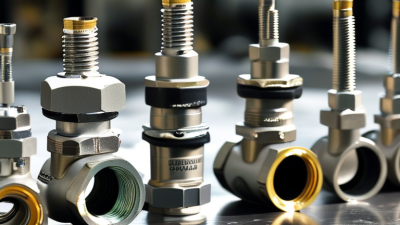
Picking out the right Discharge Hose Coupler isn’t exactly a walk in the park—it’s rarely just a quick glance at a catalog. Buyers from all over the world have to consider so many factors: the connection style, hose diameter, working pressure, fluid temperature, and even the specific conditions on site. What works perfectly in a clean transfer bay might totally fail when used near abrasive slurry, salty water, or in areas with constant vibration. It’s a bit of a balancing act, ya know? Michael R. Turner, a seasoned fluid-transfer engineer at Dixon Valve & Coupling, puts it nicely: “Reliable fluid transfer starts with matching the coupler to the entire system, not just the hose.” And honestly, that’s worth paying attention to. Many purchasing teams tend to focus on the price first, only to discover later that things like thread standards, gasket materials, or locking mechanisms end up causing delays and extra costs. In this guide, I’m walking you through ten practical options for Discharge Hose Couplers, especially for folks ordering internationally. We’re talking about cam and groove couplers, threaded fittings, quick-connects, flange adapters, and dry-disconnect options. I’ll cover each one’s usability, what materials they’re made from, how well they seal, what kind of maintenance they need, and how they stack up with typical industrial hoses. Little details really do matter. For instance, a stainless steel body might last longer against corrosion, but something like polypropylene can help cut down weight and reduce worries about chemicals. A visible locking arm can make inspections faster and easier. Still, no single material can solve every problem—pressure ratings can differ quite a bit between manufacturers, and regional standards might not line up perfectly. That’s the tricky part, honestly. It’s super important to double-check all the drawings, measurements, certifications, and test results before you place an order. Don’t just take the supplier’s word for it. Even the most experienced teams can overlook things like hose bend radius or gasket compression. Luckily, these mistakes can usually be avoided—just need to pay close attention. What you’ll find below is a side-by-side comparison to help make your decision clearer. But remember—it’s no substitute for proper engineering validation. When in doubt, always double-check and trust your technical folks.
Read more »
Sophia By:Sophia - September 14, 2026
10 Tips for Choosing the Best Agricultural Tarps

10 Tips for Choosing the Best Agricultural Tarps

Picking out the right Agricultural Tarps isn’t just about comparing prices. I mean, farms are facing stronger sun than ever, more rainfall, wind, and unpredictable growing seasons. A tarp that keeps hay dry might not hold up over leafy greens. And what works well in a calm storage yard could totally rip apart in an open field during a storm. Did you know the Food and Agriculture Organization reports that agriculture accounts for roughly 70% of all freshwater withdrawals worldwide? That’s huge—so controlling moisture isn't just a minor detail; it’s a top priority. They also point out that climate variability is putting more pressure on food production every year. On the flip side, the USDA’s 2022 Census of Agriculture shows nearly 1.9 million farms in the U.S., covering about 880 million acres. That’s a lot of different conditions and needs, which means no one-size-fits-all tarp. Material quality really matters here. Things like UV resistance, waterproofing, breathability, reinforced edges, how far apart the grommets are, and whether it’s easy to repair—all those little details count. Sure, a tough polyethylene tarp will keep out rain, but it might trap condensation and damage your stored crops. On the other hand, a breathable fabric can cut down on moisture buildup but might not be as weatherproof. It’s a bit of a balancing act. And don’t just think short-term—consider how your tarp will perform over multiple seasons. In this guide, I’ve put together 10 practical tips to help you pick the best agricultural tarp. I’ve looked at things like what you're covering (crop type), how big the area is, your climate, how you’ll install it, how long you need it to last, and what it costs to operate over time. These tips are backed up by advice from agricultural extension services, manufacturer details, and real-world farm experience. That said, there’s no perfect checklist—things like soil conditions, wind direction, storage habits, and maintenance schedules can really change what works best. Usually, the best tarp is the one that genuinely fits your specific needs rather than just the most expensive or popular choice.
Read more »
Ethan By:Ethan - September 10, 2026
Why Choose the Right Discharge Hose Coupler?

Why Choose the Right Discharge Hose Coupler?

Choosing the right discharge hose coupler isn't just a quick pick—it's a decision that really matters. It impacts how smoothly the flow runs, how secure the connection is, how much maintenance you'll need, and even how confident you feel working with it. At a glance, that little coupler on your bench might seem simple enough, but once it's under pressure, dealing with temperature swings, vibrations, or repeated handling, its vulnerabilities can show up pretty quickly. Most experienced folks know it’s not just about matching the size. They tend to look deeper—checking the inner diameter of the hose, the working pressure, the kind of discharge medium, temperature limits, and how it connects. Material choice also plays a big role. Whether it’s stainless steel, aluminum, reinforced polymer, or coated parts, each performs differently, especially in tough environments. You want a tight fit that won’t leak, but also one that doesn’t force the hose into sharp bends. Little things like the sealing surfaces—scratches or worn gaskets—can lead to bigger headaches down the line. There’s no one-size-fits-all answer here. Sometimes a cheaper coupler works just fine in a controlled setting. But in harsher conditions, skimping might cost you—more downtime, frequent replacements, or more inspections. That’s why it’s so important to rely on product specs, real-world experience, and checking things carefully before making a call. It’s better to measure twice and order once, rather than guess based on looks. Also, don’t forget to check the connection after installing and keep an eye on it during regular use. Ultimately, a smart approach takes both technical specs and actual working conditions into account. The best discharge hose coupler isn’t necessarily the flashiest or the heaviest-duty. It’s the one that perfectly fits your hose, equipment, environment, and maintenance routine—reliable and consistent. Mistakes happen, but being honest about them and learning from them can help you make smarter choices down the road.
Read more »
Sophia By:Sophia - September 7, 2026
What is Canvas Tarps and How to Choose the Best One?

What is Canvas Tarps and How to Choose the Best One?

Canvas tarps are pretty versatile covers, and you'll see them popping up in all sorts of industries—whether it's farming, construction, or outdoorsy stuff. I read somewhere that the global market for tarps is expected to grow a lot soon, mainly because people are really looking for tough, reliable protective solutions. Honestly, canvas tarps are a favorite for many because they’re strong and can handle weather pretty well. Plus, they offer much better UV protection than those cheap plastic ones, making them perfect for outdoor use. But here’s the thing: when you're shopping for a canvas tarp, it’s easy to overlook some important details. Things like weight, how tightly it’s woven, and whether it resists water are actually pretty crucial. I’ve seen folks assume all canvas tarps are the same, which is a mistake. Not every manufacturer sticks to high standards, and that can mean you end up dealing with tears or damage sooner than expected—which, of course, can hit your wallet hard. So, checking out reviews and recommendations from trusted sources can really help you find a solid product and avoid headaches. As new materials and innovations keep coming out, the market is evolving quickly. That means there are better, longer-lasting options out there, but, honestly, you gotta be a bit careful. Always look for industry certifications and see what other users are saying. Knowing how to evaluate a good canvas tarp can save you a lot of trouble and money in the long run—and that’s worth taking the time to do.
Read more »
Ethan By:Ethan - September 2, 2026
Best Nylon Tarpaulin for Global Buyers in 2026?

Best Nylon Tarpaulin for Global Buyers in 2026?

Looking ahead to 2026, it’s pretty clear that demand for Nylon Tarpaulins is set to pick up quite a bit around the world. I was reading the latest Global Tarpaulin Market Report, and it mentioned that the nylon segment is expected to grow by about 5.5% each year. That’s actually pretty impressive, and it mainly comes down to how lightweight yet tough these tarps are—perfect for tons of different uses. Companies like Tarps Now and Fabri-Tech have been noticing more and more interest from sectors like agriculture and construction, which is quite exciting. What’s really cool about Nylon Tarpaulin is how versatile it is; it can be used to cover equipment, provide shelter, and a lot more. But, of course, it’s not all smooth sailing. Some manufacturers are running into issues sourcing good quality nylon, which can sometimes mean their products aren’t quite as reliable as they’d like. Plus, the fluctuating prices of raw materials can shake things up a bit, making the market a little unpredictable. So, if you're shopping around, it’s definitely worth doing your homework on suppliers and their credentials. As the market evolves, people should keep an eye on things like UV resistance and waterproofing—these features really make a difference. Tarps can vary a lot in quality, so knowing what to look for will help you make smarter choices. Overall, the outlook is promising, but being aware of these hiccups can help you navigate the landscape of Nylon Tarpaulin better in 2026.
Read more »
Lila By:Lila - August 29, 2026
Best Weed Block Fabric for Effective Garden Protection?

Best Weed Block Fabric for Effective Garden Protection?

When you’re into gardening, choosing the right Weed Block Fabric can really make a big difference. I remember what gardening guru Dr. Emily Harper once said—she emphasizes that the proper Weed Block Fabric doesn't just keep weeds at bay, but also helps keep your soil healthy. And honestly, that sums up why picking the right materials matters so much. There are tons of options out there, but not all of them are built the same. Basically, Weed Block Fabric acts as a barrier—blocking those pesky weeds from poking through. How well it works really depends on the quality of the fabric and how it’s designed. It’s best to pick one that lets water and nutrients pass through, but still blocks sunlight. A good fabric can save you a lot of effort on maintenance. Still, a lot of gardeners tend to overlook the small details, which ends up making the whole thing less effective. It’s also super important to understand your garden’s environment—things like soil type, climate, and what plants you’re growing should all influence your choice. Skipping this step and just grabbing something random, like a cheap Weed Tarp, might lead to poor results and frustration down the line. So, take your time, do a bit of research, and find a product that really fits your needs. Honestly, there are some really dependable options out there that can make gardening easier and give your plants the protection they deserve for the long haul.
Read more »
Lila By:Lila - August 22, 2026