




What color should the greenhouse sheeting be?
Choosing the right color for your greenhouse covering is one of the most important decisions you can make as a grower. The color of your greenhouse sheeting directly affects light transmission, heat retention, plant growth, and overall crop yield. Yet many gardeners and commercial growers alike assume that "clear is always best" or that "green must be right because plants are green". The reality is more nuanced.
Clear Greenhouse Sheeting: Maximum Light, Maximum Heat
Clear greenhouse plastic sheeting allows for maximum light transmission, with rates typically ranging between 80% and 99%. This makes it the ideal choice for seeds during germination, which require extremely warm soil to sprout. Clear covers are also best for starter plants that will ultimately be transplanted outside the greenhouse.
However, clear plastic comes with a significant trade-off: it retains high heat. In hot climates or during summer months, this can lead to overheating that stresses plants and increases the need for ventilation. Clear covers are best suited for colder regions with limited sunlight, or for growers who need maximum light penetration during winter months.
White Greenhouse Sheeting: Diffused Light, Cooler Temperatures
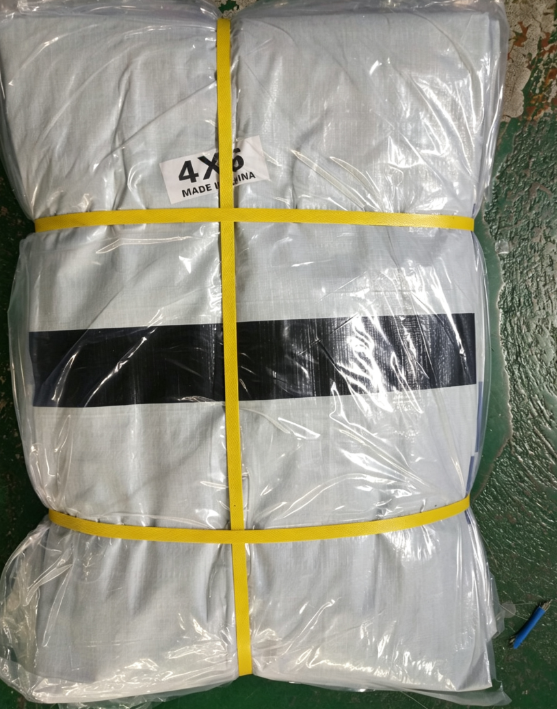
White greenhouse plastic sheeting diffuses light and reduces heat. Rather than allowing direct, harsh sunlight to hit plants, white covers scatter incoming light, providing more uniform distribution throughout the greenhouse.
The light transmission rate for white greenhouse plastic is typically 55% or less, but this lower percentage doesn't mean lower plant performance. Diffused light reaches lower parts of the plant, reduces shadows and hotspots, and promotes more even growth. Research shows that diffused light results in more active leaves and better usage of light, leading to higher yields and better crop quality.
White covers are particularly beneficial in hot climates, as they reflect excess heat and prevent greenhouse overheating. They also provide better insulation and shade, reducing heat stress and prolonging the lifespan of the material.
Green Greenhouse Sheeting: Warmth and Natural Aesthetics
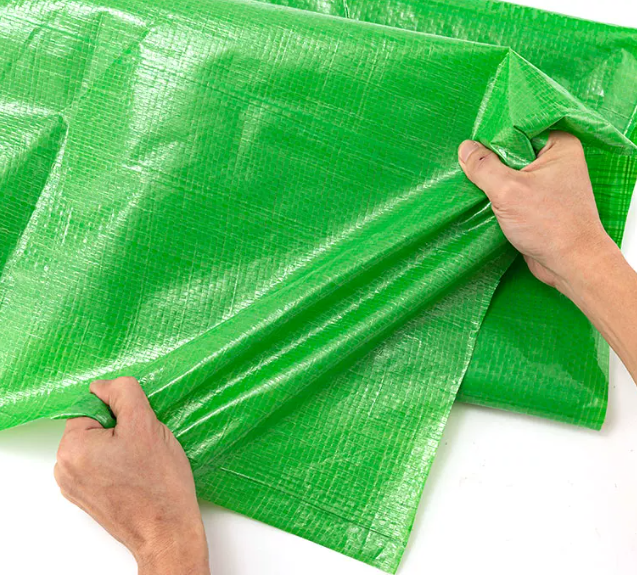
Green greenhouse covers tend to absorb more of the sun's rays instead of reflecting them, which helps warm the interior. This makes them especially helpful in cool climates or during shoulder seasons when extra heat is beneficial. Green covers also visually blend into the landscape, making the structure less obtrusive in gardens or suburban yards.
However, green covers come with notable disadvantages. Because the material is tinted, less direct light reaches plants compared to a clear cover. Light-loving crops like tomatoes, peppers, or citrus may grow slower under green covers. Additionally, in hot climates or full-sun locations, green covers can hold onto too much heat, quickly turning the greenhouse into an overheated environment.
Other Color Options
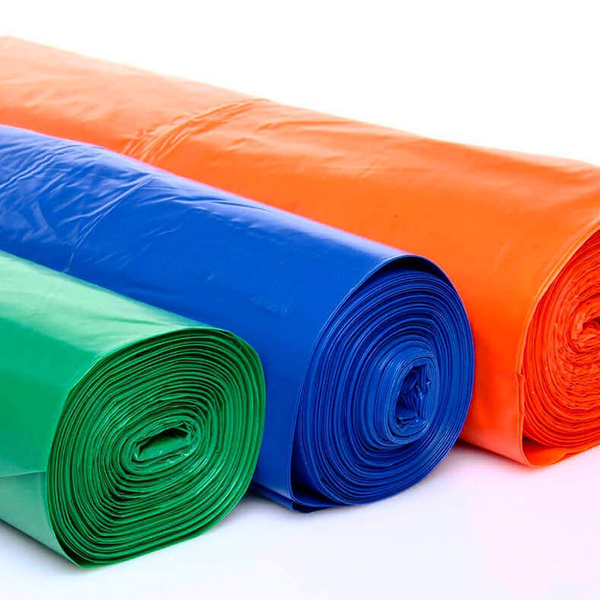
White, clear, and green are the most common choices, but other colors also have specific applications. Blue covers promote advanced vegetative growth, with studies showing enhanced chlorophyll-a activation. Yellow films have been shown to benefit cucumber production, reducing disease rates and increasing yields compared to white films. Colored films, including red and blue, can make a positive effect on light diffraction and diffusion.
How to Choose the Right Color
The best color for your greenhouse sheeting depends on three key factors:
Your Climate: In colder regions, clear or diffused films are preferred to maximize light transmission and retain heat. In hot climates, white or light-colored films are recommended to reflect excess heat. In moderate climates, you have more flexibility.
Your Crops: Crops that require direct sunlight during early growth stages benefit from clear covers. Plants that will live their entire life within the greenhouse benefit from the even light distribution of white or diffused covers.
Your Goals: If you want to maximize early growth and germination, clear is the best choice. If you want to prevent overheating and achieve even growth across all plants, white is superior. If you want natural aesthetics and passive heat retention, green may be worth considering.
Conclusion
There is no single "best" color for greenhouse sheeting. Clear covers maximize light but trap heat. White covers diffuse light and reduce temperatures. Green covers absorb heat and blend into the landscape. The right choice depends on your climate, your crops, and your growing goals.
For most commercial growers and gardeners in warm or variable climates, white or diffused greenhouse sheeting offers the best balance of light distribution, temperature control, and plant health. For growers in colder regions, clear sheeting may be the better option to maximize light and heat during limited winter sunlight. And for those who prioritize aesthetics or passive warmth, green covers can be a viable alternative.
Choose wisely, and your greenhouse will work with you — not against you.