



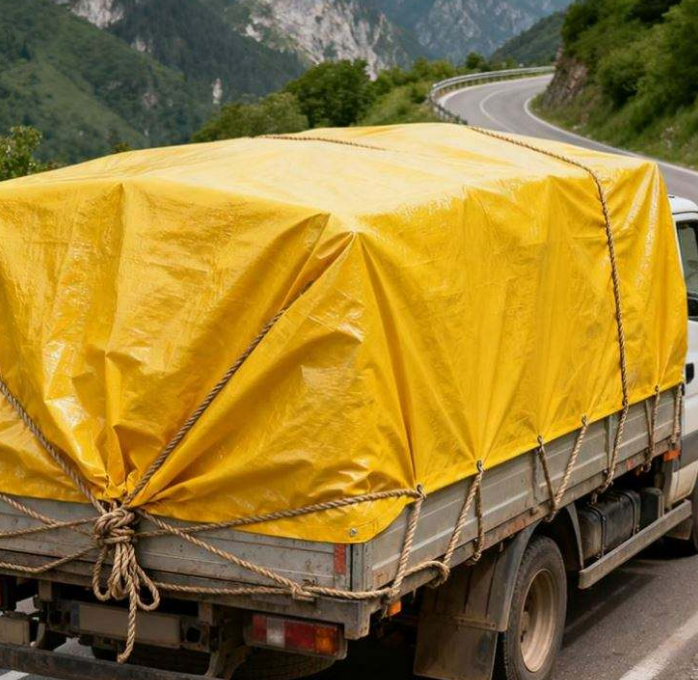
What are the differences between PE and PVC tarpaulins?
What are the differences between PE and PVC tarpaulins?
Many people are confused about the difference between PE and PVC tarpaulins. Simply put, PE and PVC are definitely different.
Let's explain the fundamental differences between these two tarpaulins.
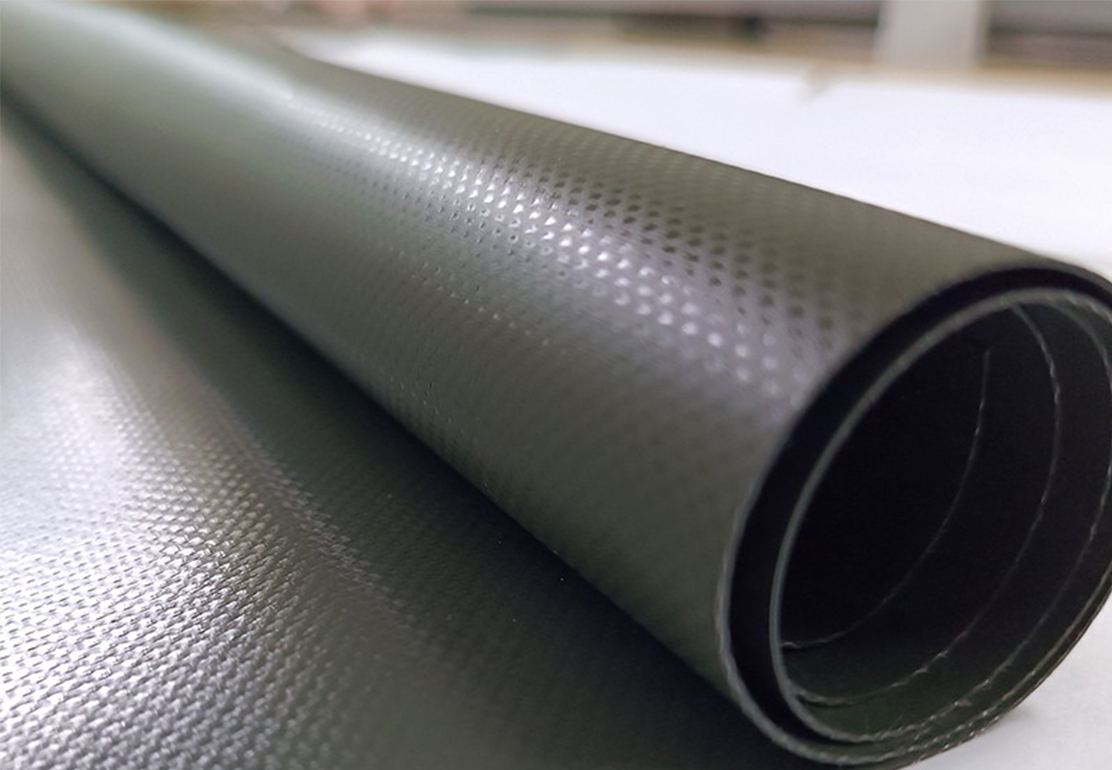
PE, chemically known as polyethylene, is a semi-crystalline thermoplastic material used to make PE tarpaulins. So what are the characteristics of PE? We know that polyethylene is odorless, non-toxic, and has a waxy feel. It has excellent low-temperature resistance, good water absorption, and excellent electrical insulation properties. It can operate normally at temperatures between -70 and -100 degrees Celsius and is chemically stable. PE tarpaulins are generally made of HDPE (high-density polyethylene), which has a high operating temperature range and excellent hardness, mechanical strength, and chemical resistance. Polyethylene is suitable for blow molding, injection molding, and extrusion of various rigid products, such as containers, netting, and strapping. It can also be used as cable coverings, pipes, profiles, and sheets.
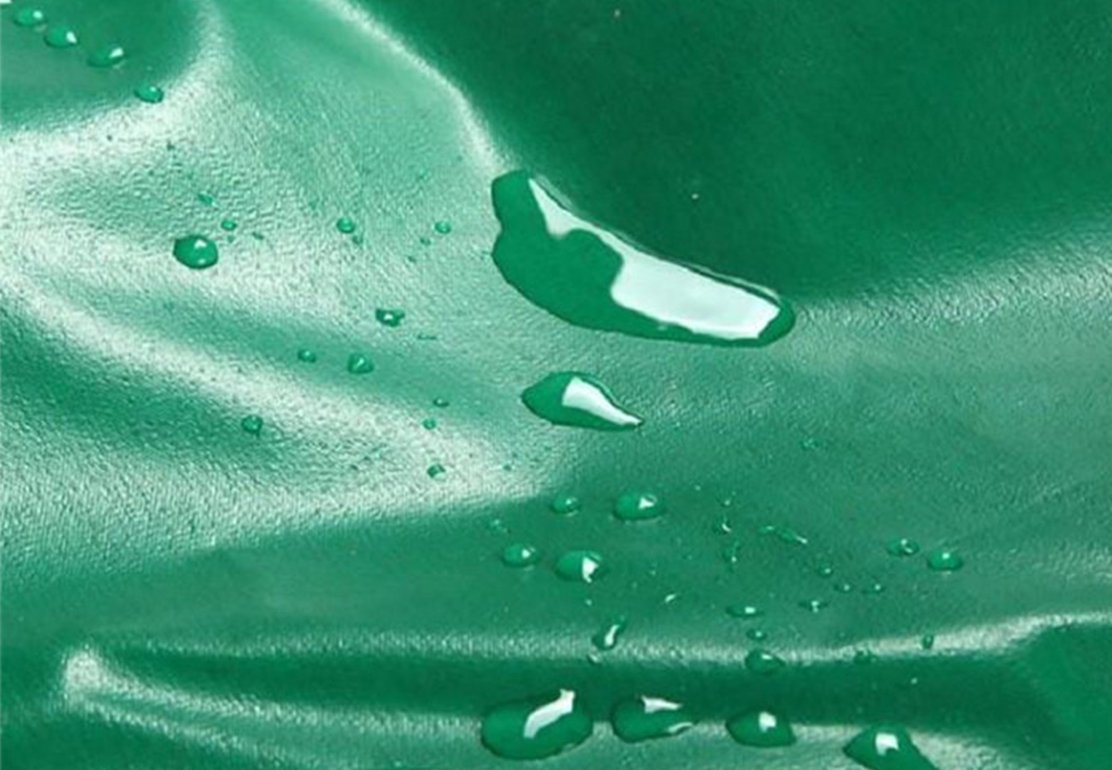
PVC tarpaulin is a plastic-coated high-strength polyester waterproof cloth. It is made of high-strength polyester canvas as the base fabric, coated with polyvinyl chloride (PVC) paste resin, and added with various chemical additives such as anti-mildew agents, anti-aging agents, and antistatic agents, and is plasticized at high temperature. It has the properties of being waterproof, mildew-proof, cold-resistant, aging-resistant, and anti-static. The breaking strength, tear elongation, and tear strength of this product are much better than those of traditional tarpaulins. The product has a colorful appearance and is pleasing to the eye. The surface is specially treated to have an anti-slip effect. It is an internationally popular waterproof cloth with a very large width of up to 2 meters. When processing the finished product, it can reduce seams and improve quality. It can be spliced with heat sealing to avoid the worry of water leakage due to sewing pinholes. Products with different functions, colors, and thicknesses can be produced according to user needs.
About Linyi Xinshengyang Plastic Products Co., Ltd.
We design and manufacture high-performance plastic tarpaulins and protective covers used worldwide. Committed to innovation, quality, and sustainable solutions, we help customers protect what matters most.