


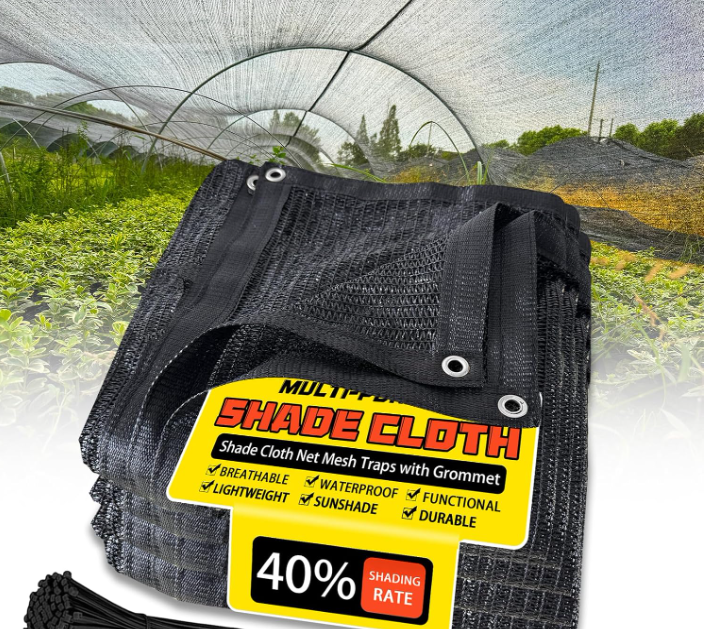
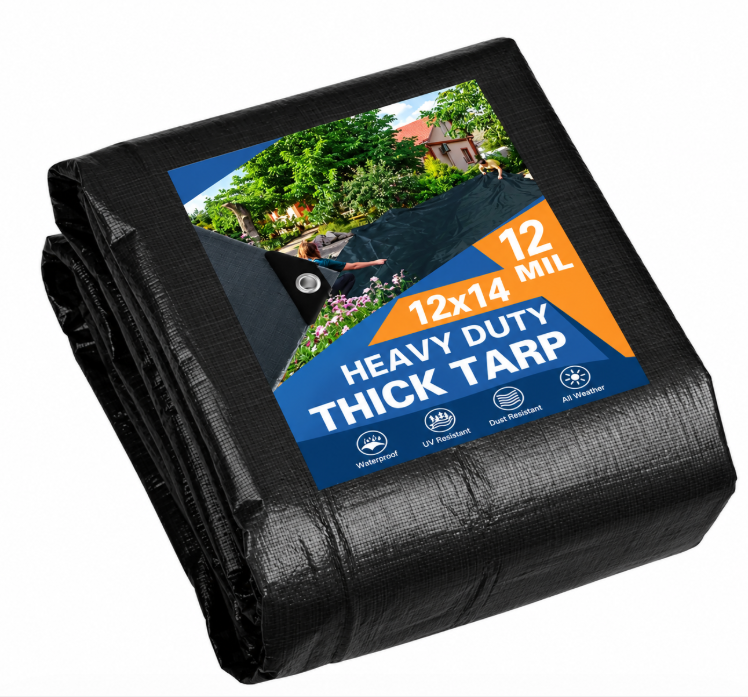
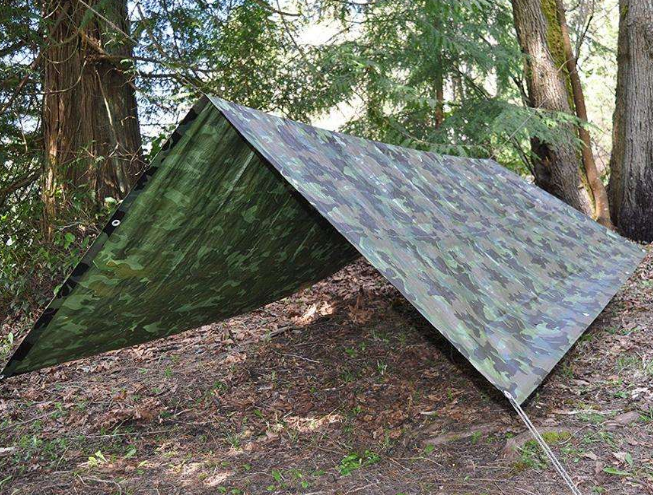
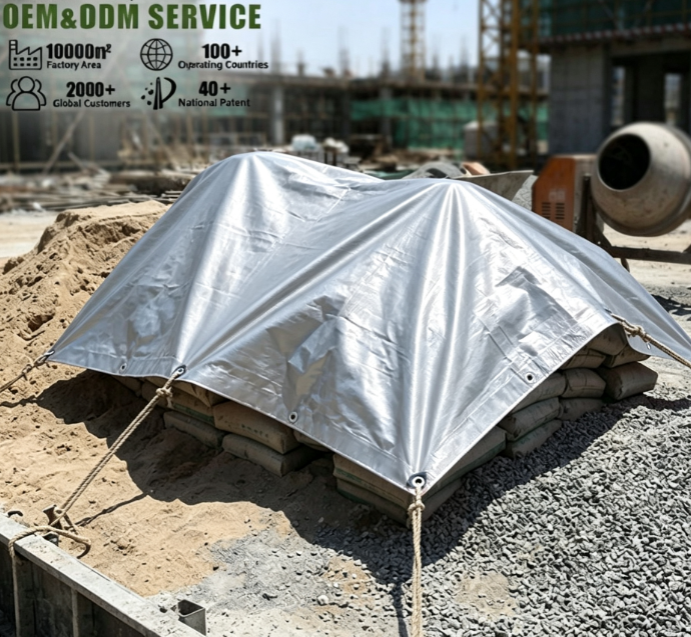
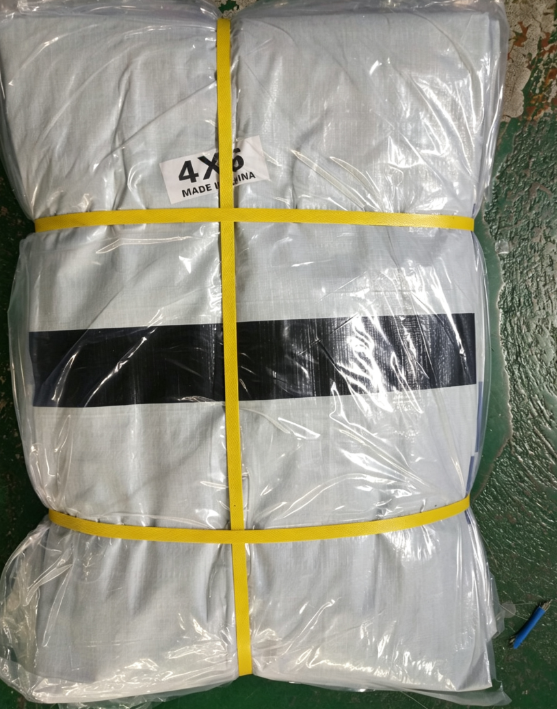
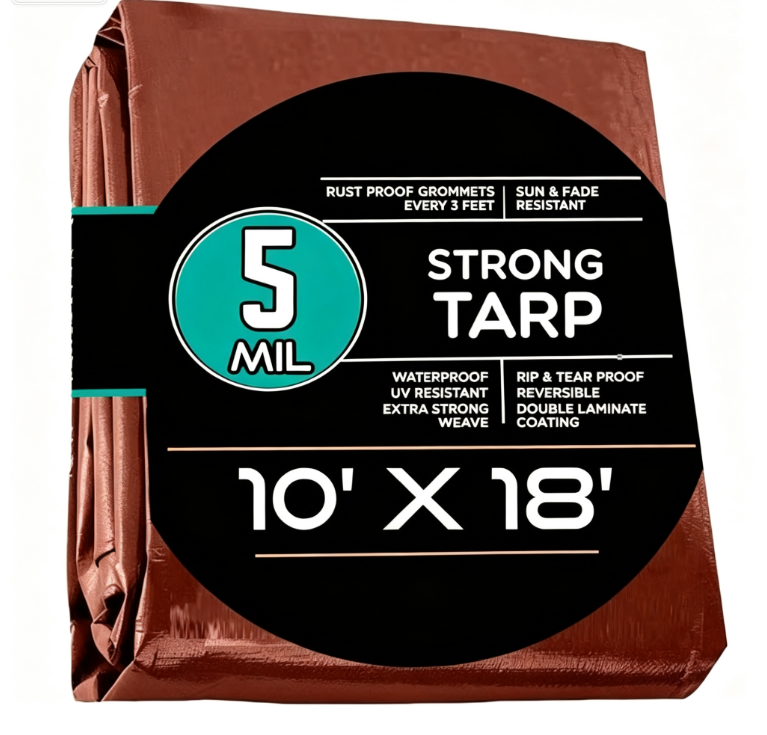
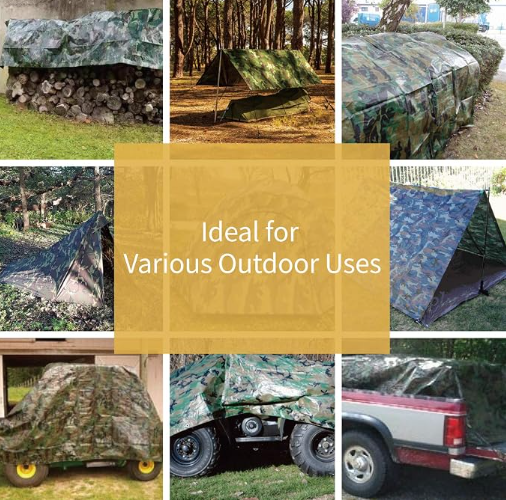
There are so many types of tarpaulins! Did you choose the right one?
When it comes to protecting your cargo during transport, few tools are as essential as a reliable tarpaulin. Whether you are driving a flatbed, a curtain‑sider, or a grain trailer, the tarpaulin is your first—and often only—line of defense against the elements. But not all tarpaulins are created equal. Selecting the right tarpaulin requires a clear understanding of your specific operational needs, as well as a careful evaluation of three key performance indicators: waterproofing, light blocking, and durability.
1. Waterproofing – The Absolute Priority
For any driver or fleet operator, waterproofing is the most critical function of a tarpaulin. After all, the primary reason for covering your load is to keep rain, snow, and moisture away from your goods. If your tarpaulin fails to provide a watertight seal, the consequences can be disastrous: soaked goods, spoiled produce, rusty equipment, and ultimately, financial loss.
A high‑quality tarpaulin must be able to withstand prolonged exposure to heavy rain without allowing a single drop to penetrate. The waterproof performance depends largely on the material and the coating used. In the market, you will find tarpaulins with different waterproof treatments, and it is crucial to choose one that offers reliable protection over the long haul. Always test the tarpaulin’s water resistance, especially if you frequently transport moisture‑sensitive cargo such as paper products, electronics, or dry foodstuffs.
2. Light Blocking – Essential for Temperature‑Sensitive Cargo
In the heat of summer, the sun’s rays can turn a parked trailer into an oven. For drivers hauling fresh produce—fruits, vegetables, flowers, or dairy—excessive sunlight and heat can quickly degrade quality. A tarpaulin that does not effectively block light will allow UV radiation to penetrate, accelerating ripening, wilting, or even rotting of the load.
Therefore, a tarpaulin with good light‑blocking properties is indispensable for summer transport. Dark‑colored or specially coated tarpaulins can significantly reduce heat buildup underneath the cover, maintaining a cooler microclimate that extends shelf life. If you regularly carry perishable goods, invest in a tarpaulin that specifically features UV resistance and high opacity. This will not only protect your products but also ensure that you arrive at your destination with a fresh, undamaged load.
3. Abrasion and Tear Resistance – Built to Withstand Harsh Conditions
A tarpaulin does more than just sit on top of your cargo; it is constantly subjected to extreme stress. During loading, you pull the tarpaulin tightly over the load, securing it with ropes and straps to anchor points on the trailer. This tension places enormous strain on the tarpaulin’s edges and corners. Moreover, the road environment is unforgiving. Wind, debris, sharp edges of cargo, and rough handling all take their toll.
A durable tarpaulin must be highly resistant to both abrasion and tearing. It needs to survive repeated tensioning and release without developing stress fractures or rips. It must also endure friction against metal corners and straps during transport. Without sufficient tear strength, a tarpaulin can easily be damaged, leaving your load exposed to the elements. Therefore, when evaluating a tarpaulin, always consider its weave density, coating thickness, and edge reinforcement—these factors directly determine its longevity and reliability.
A Comprehensive Overview of Tarpaulin Types
Now that we understand the three essential qualities, let us examine the two most common types of tarpaulins on the market: PVC tarpaulins and PE tarpaulins. Each has distinct advantages and trade‑offs, and the right choice depends on your specific usage scenario.
PVC Tarpaulins – Heavy‑Duty, Durable, but Heavy
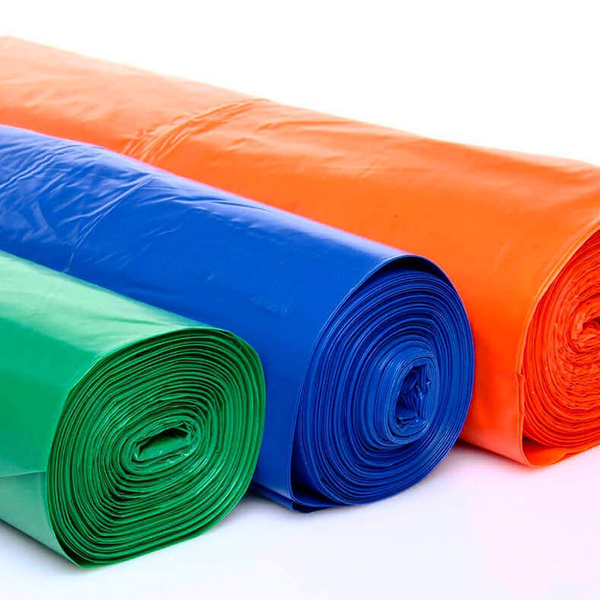
PVC tarpaulins are by far the most widely used type in the commercial transport sector. They are made by coating a high‑strength polyester woven fabric with polyvinyl chloride (PVC). This polyester base provides excellent corrosion resistance, abrasion resistance, and mechanical strength, while the PVC coating creates a fully waterproof barrier that effectively repels rain and moisture.
The key advantage of a PVC tarpaulin is its outstanding durability. It can withstand harsh weather, rough handling, and repeated folding without losing its protective properties. Many drivers prefer PVC tarpaulins for their proven track record in extreme conditions.
However, there is a downside: weight. PVC tarpaulins are significantly heavier than their PE counterparts. Even for a 4.2‑meter truck, covering the load with a heavy PVC tarpaulin can be a physically demanding task—especially when working alone. For this reason, PVC tarpaulins are better suited to vehicles up to 9.6 meters in length, where the added weight can be managed with mechanical assistance or extra manpower.
PE Tarpaulins – Lightweight, Cost‑Effective, but Less Durable
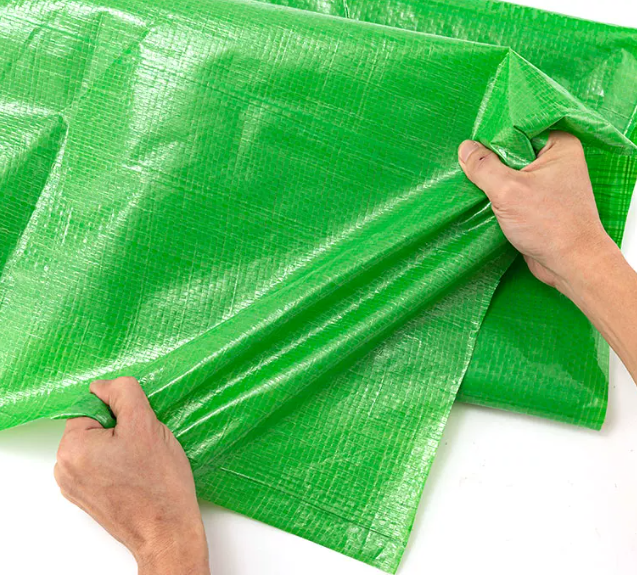
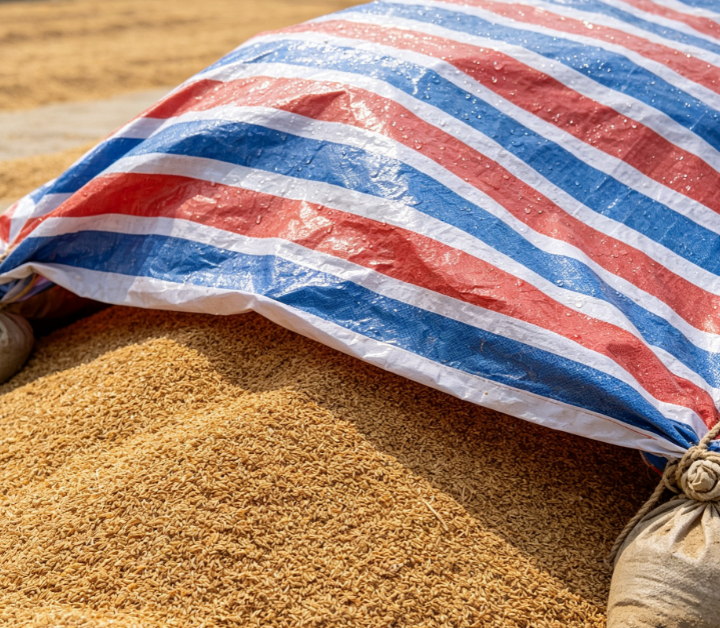
For those who prioritize weight savings and cost efficiency, PE tarpaulins offer an attractive alternative. These tarpaulins are typically made from polyethylene (PE) woven fabric, often with a striped pattern, and coated with a thin PE film on both sides. The result is a very lightweight tarpaulin that still provides basic waterproofing.
The main advantage of a PE tarpaulin is its reduced weight—it is significantly easier to handle, fold, and secure compared to a PVC tarpaulin. This makes it particularly popular among long‑haul operators, especially on large trailers where covering a massive area with a heavy tarpaulin would be impractical.
However, PE tarpaulins are less abrasion‑resistant than PVC models. Frequent use in tough environments—exposure to gravel, metal edges, and strong winds—can cause a PE tarpaulin to wear out faster. It may develop holes or tears more readily, requiring replacement sooner. Nevertheless, its low cost and light weight often make it a practical choice for operations where durability is less critical or where tarpaulins are frequently replaced.
Final Thoughts
Choosing the right tarpaulin is not a one‑size‑fits‑all decision. It depends on your typical load, route, and operational demands. If you frequently transport high‑value or sensitive cargo in adverse weather, a high‑quality PVC tarpaulin with excellent waterproofing, light blocking, and tear resistance is a worthy investment. On the other hand, if you prioritize ease of handling and cost control, a PE tarpaulin may better suit your needs—just be prepared for shorter service life.
Whichever you choose, always inspect your tarpaulin regularly for signs of wear and tear, and replace it before it fails. A reliable tarpaulin is not just an accessory—it is a critical component of cargo safety. Make your selection carefully, and your tarpaulin will serve you faithfully mile after mile.