


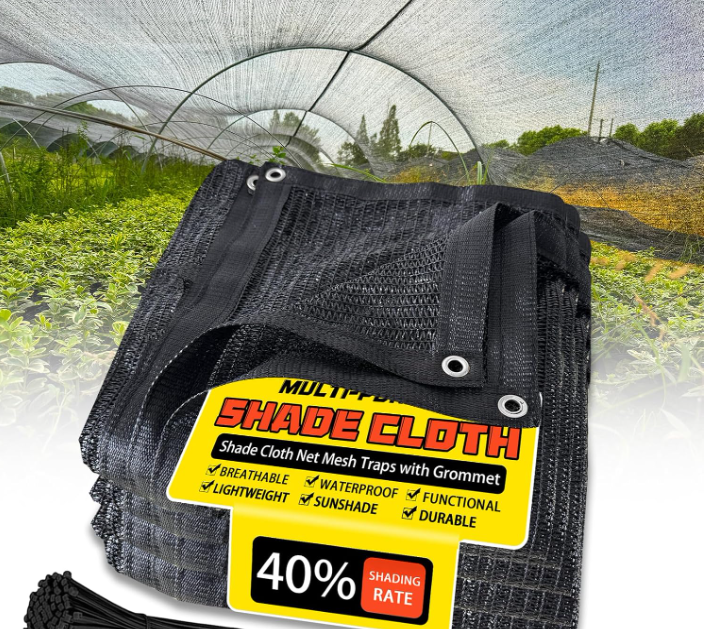
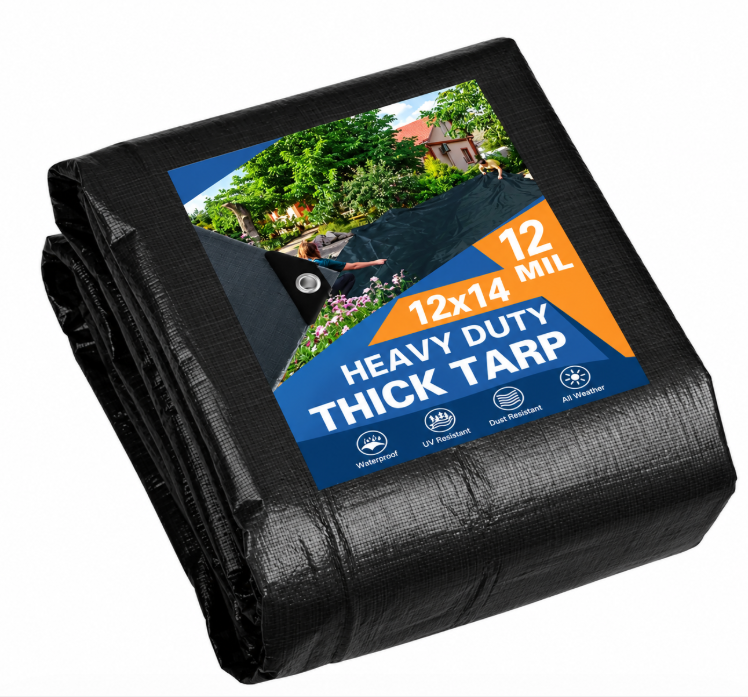
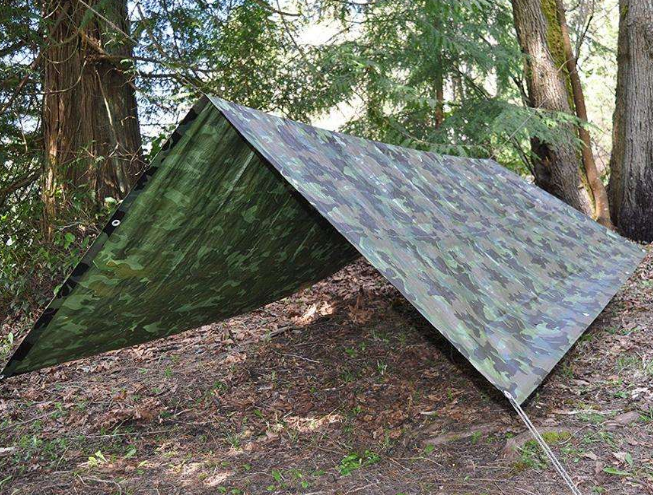
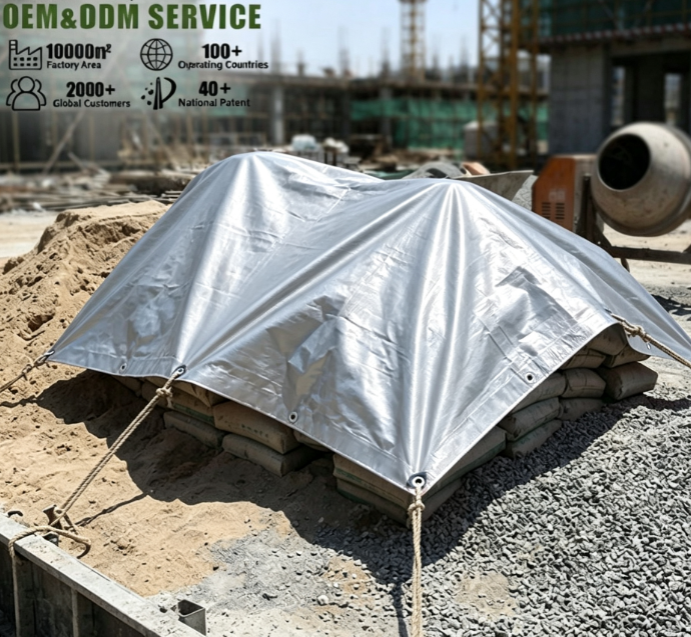
The Core Value of Tarpaulins in Outdoor Protection
I. Basic Functions and Principles of Tarpaulins
1. Core Functions of Tarpaulins
1.1. Rain Protection
The primary function of a tarpaulin is to prevent rainwater from penetrating and protect the equipment inside from moisture damage. High-quality tarpaulins are made from dense, waterproof materials, and their surfaces undergo special treatment to allow rainwater to quickly run off under the force of gravity, preventing it from seeping into the interior of the enclosure. This rain protection is particularly critical for important equipment such as outdoor electrical equipment and precision instruments.
1.2. Additional Protective Functions
In addition to rain protection, tarps also provide additional protective functions such as dust protection, sun protection, and wind protection. Dust protection prevents dust and particulate matter from entering the equipment and interfering with its normal operation. Sun protection blocks ultraviolet radiation, slowing down the aging of the equipment’s exterior. Wind protection ensures that the tarp remains secure during high winds, preventing it from coming loose or being damaged.
2. How Tarps Work
2.1. The Principle of Waterproofing in Materials
The waterproof performance of tarps primarily stems from the properties of their materials. Taking PE tarps as an example, their dense PE coating forms a continuous, watertight barrier that prevents moisture penetration. At the same time, the PE coating possesses high surface tension, causing water to form beads on the surface and roll off, making it difficult for water to wet or penetrate the material. While the principles of waterproofing vary among different materials, the core concept remains the same: forming an effective moisture barrier.
2.2. Structural Design Principles
The structural design of tarps also significantly influences their protective effectiveness. A well-designed structure can guide the flow of rainwater and prevent water accumulation. For example, a sloped roof design accelerates rainwater runoff, reducing the amount of time rainwater remains on the tarp’s surface. Additionally, well-sealed seams and secure fastening methods prevent rainwater from seeping through gaps, thereby enhancing overall protection.
II. Material Selection and Performance Requirements for Tarpaulins
1. Commonly Used Materials
1.1. PVC-Coated Fabric
PVC-coated fabric is a commonly used material for manufacturing rain covers. It consists of a polyester fiber fabric base coated with a layer of PVC. PVC-coated fabric offers excellent waterproofing performance, high tensile strength, and good weather resistance. Additionally, it possesses certain flame-retardant properties, enabling it to meet fire safety requirements in specific settings.
1.2. PE Woven Tarpaulin
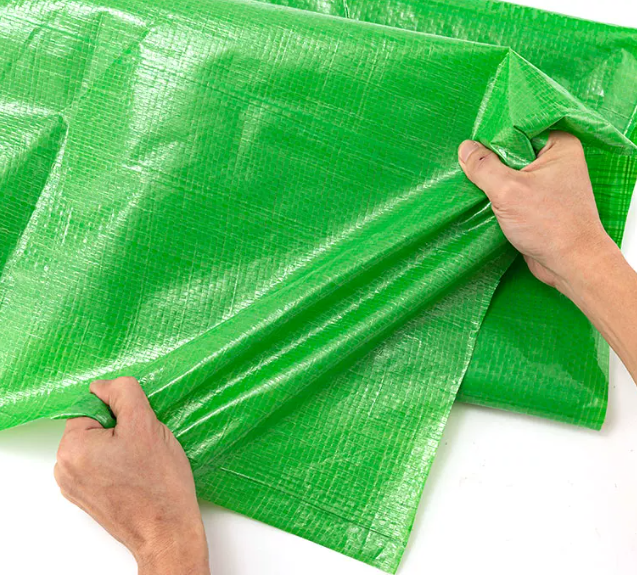
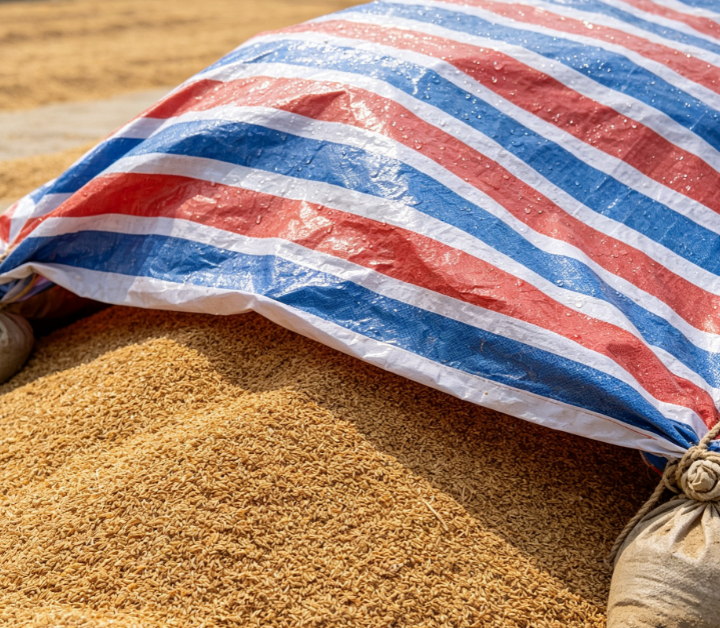
PE woven tarpaulins are woven from polyethylene flat yarn and are characterized by their light weight, flexibility, and excellent waterproofing. Compared to PVC-coated fabric, PE tarpaulins are lighter, making them easier to transport and install, and they are also more affordable, offering better value for money. PE tarpaulins also exhibit good low-temperature resistance, maintaining good flexibility even in cold environments.
1.3. Knife-Coated Fabric
Knife-coated fabric is a high-quality awning material produced using a knife-coating process. It offers excellent waterproofing, high tensile strength, and good weather resistance. The surface of knife-coated fabric is smooth and even, making it resistant to dust accumulation and easy to clean and maintain. Additionally, it possesses good flame-retardant and anti-aging properties, allowing it to withstand long-term outdoor use without significant damage.
2. Performance Requirements and Testing Methods
2.1. Waterproofing Performance Requirements
The waterproofing performance of tarpaulins is a core performance indicator. Methods for testing waterproofing performance include hydrostatic pressure testing and rain exposure testing. Hydrostatic pressure testing measures the height of the water column a material can withstand; the higher the value, the better the waterproofing performance. Rain exposure testing simulates rainwater runoff conditions to observe whether any water seepage occurs. High-quality tarpaulins should be able to pass hydrostatic pressure tests at high pressures and rigorous rain exposure tests.
2.2. Weather Resistance Requirements
Since tarpaulins are exposed to outdoor environments for extended periods, they must possess excellent weather resistance. Weather resistance includes UV resistance, resistance to high and low temperatures, and resistance to aging. Methods for testing weather resistance include accelerated aging tests and natural environmental exposure tests. Accelerated aging tests can evaluate a material’s weather resistance within a shorter timeframe, providing a reference for material selection.
III. Key Considerations for Selecting and Using Tarpaulins
1. Selection Guidelines
1.1. Select Based on the Application
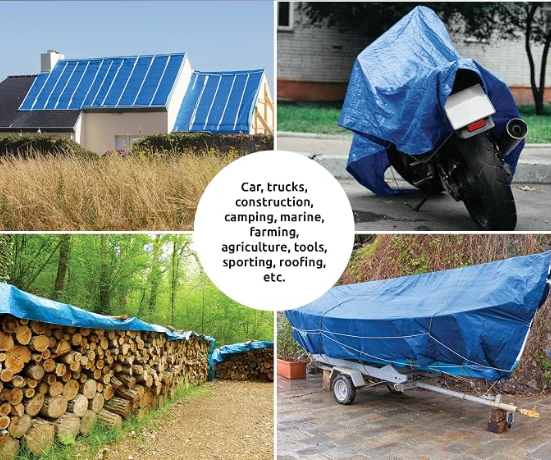
Different applications have different requirements for tarpaulins. For protecting power equipment, choose tarpaulins with good insulation and flame-retardant properties. For protecting telecommunications and surveillance equipment, choose tarpaulins that are lightweight and easy to install. For special environments such as coastal areas or chemical plants, tarps with corrosion-resistant properties should be selected. Only after clearly defining the application scenario can you select the appropriate tarp product.
1.2. Focus on Material and Manufacturing Quality
The material and manufacturing quality of a tarp directly determine its protective effectiveness and service life. When purchasing, carefully inspect indicators such as material thickness, strength, and flexibility, and choose rain covers made from high-quality materials. At the same time, pay attention to the quality of the sewing or welding processes to ensure that seams are secure, smooth, and watertight. As a professional tarpaulin manufacturer with 32 years of industry experience, Star Tarpaulin produces tarpaulin products using high-quality materials and advanced manufacturing processes, ensuring reliable quality and excellent protective performance.
2. Key Points for Use and Maintenance
2.1. Proper Installation and Securing
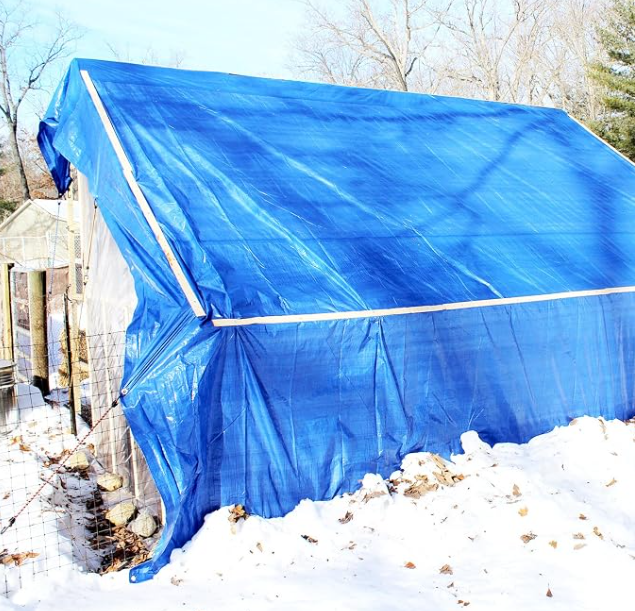
The installation and securing of the tarpaulin have a significant impact on its protective effectiveness. During installation, ensure that the tarpaulin completely covers the equipment being protected and is secured firmly and reliably. For large equipment, multiple people may need to work together during installation to avoid damaging the tarpaulin due to improper handling. During installation, also check the tarpaulin for any tears or defects; if any issues are found, address them promptly or replace the tarpaulin.
2.2. Regular Inspection and Maintenance
After a period of use, tarps may exhibit signs of wear and tear or aging, which can compromise their protective effectiveness. Therefore, tarps should be inspected regularly, and any issues should be addressed promptly. Inspection items include: the presence of tears or holes, cracks in seams, loose fasteners, and whether the material has aged and become brittle. Minor damage can be repaired using specialized repair adhesive; tarps that are severely aged or damaged should be replaced promptly.
Conclusion
Tarps play an irreplaceable role in protecting outdoor equipment. They effectively block harmful factors such as rain, dust, and UV rays, ensuring the safe and stable operation of equipment and extending its service life. With continuous advancements in materials technology and manufacturing processes, the performance of tarps will continue to improve, and their applications will become even more widespread. As experts in protective solutions, Star Tarpaulin remains committed to the research, development, and innovation of tarp products to provide customers with higher-quality products and services.