



The Art of Customization: From Custom Tarps to Personalized Solutions for Truck Tarps
I. The Concept and Value of Non-Standard Customization
1. What Is Non-Standard Customization?
1.1. The Difference Between Standardization and Customization
Standardized products are manufactured in bulk according to uniform specifications, designs, and processes. Their advantages include low cost, short lead times, and ease of bulk procurement. Customized products, on the other hand, are individually designed and manufactured based on the customer’s specific needs. Their advantages include a high degree of compatibility, precise functionality, and the ability to solve specific problems. Non-standard customization falls between the two; it involves adjusting and customizing standardized products based on the customer’s special requirements, thereby combining the advantages of both standardization and customization.
1.2. Scenarios Suitable for Non-Standard Customization
Non-standard customization is particularly suitable for the following scenarios: when standard products cannot fully meet requirements; when a customer’s equipment or application environment has unique characteristics; when customers have specific functional or aesthetic requirements for the product; or when customers wish to achieve brand differentiation through the product. The demand for non-standard customization of tarpaulin products is especially common, as the dimensions of each truck’s cargo bed, the shape of each piece of equipment, and the conditions of each application scenario may vary.
2. Core Value of Non-Standard Customization
2.1. Precise Matching
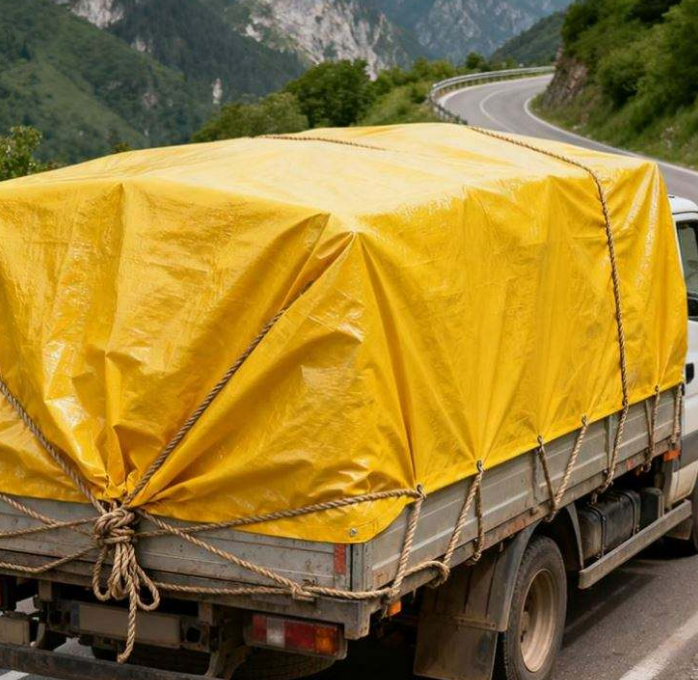
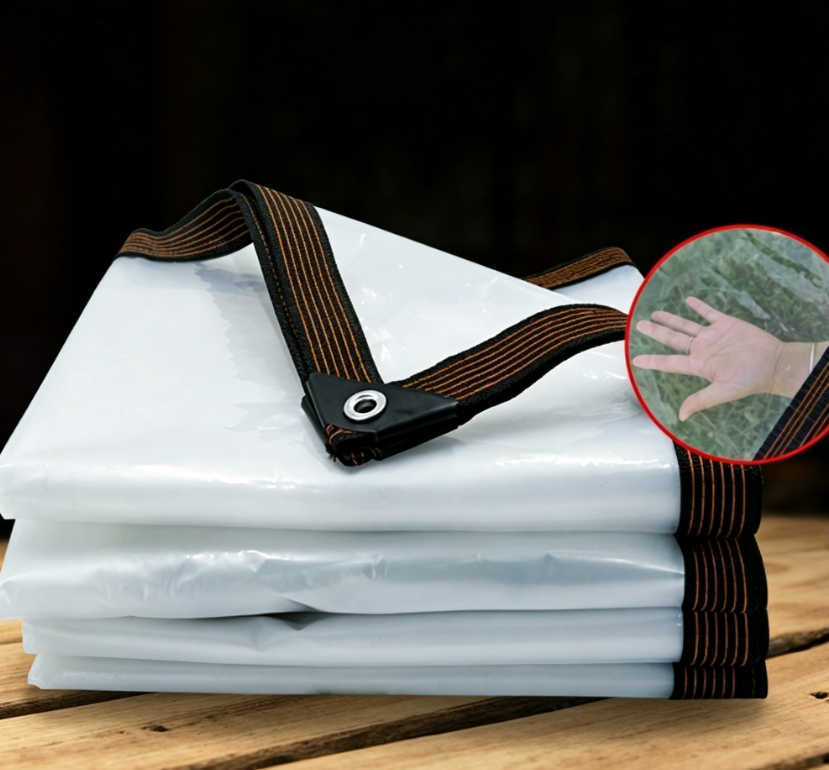
The primary value of non-standard customization lies in precisely matching customer needs. Through customization, the dimensions, materials, structure, and functionality of tarpaulin products can be fully aligned with the customer’s actual requirements. For example, a truck of special dimensions can be equipped with a perfectly fitted tarpaulin system, and a piece of irregularly shaped equipment can be covered with a precisely tailored protective tarpaulin cover. Precise matching not only enhances protection but also extends the product’s service life.
2.2. Solving Specialized Challenges
Challenges that standard products cannot address often require a breakthrough through non-standard customization. For example, material selection for extreme temperature environments, corrosion resistance requirements in special chemical environments, and structural design for equipment with complex shapes all need to be addressed through non-standard customization.
II. Main Types of Tarpaulin Customization
1. Custom Dimensions
1.1. Based on Actual Measurements
Custom dimensions represent the most fundamental and common form of non-standard customization. Customers provide the actual dimensional parameters of the object to be covered, and the supplier designs and manufactures the product based on these parameters. For custom truck tarpaulins, precise measurements of the cargo bed’s length, width, and height, as well as the installation location dimensions, are required. For custom equipment protective covers, measurements of the equipment’s outer contour and key component dimensions are necessary.
2. Material Customization
2.1. Customization of Material Properties
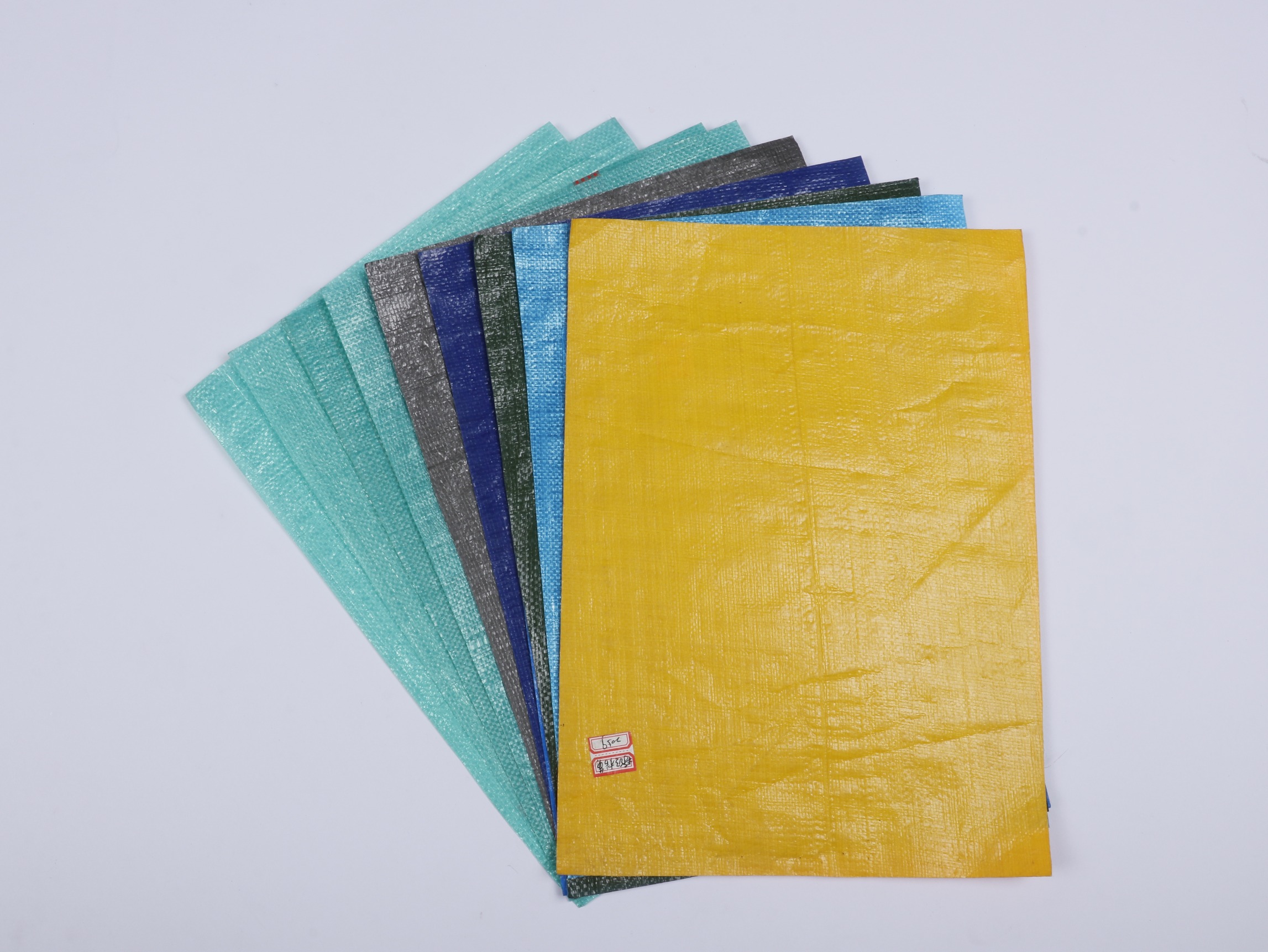
Different application scenarios have varying performance requirements for tarp materials. Material customization involves selecting and configuring material properties based on the customer’s specific requirements, including strength, waterproof rating, flame retardancy rating, temperature resistance range, and UV resistance rating. Star Tarps offers a wide range of material formulations and specifications that can be flexibly configured to meet customer needs.
2.2. Customization of Material Color and Appearance
The appearance of the material is also a key aspect of customization. The color of tarpaulin products can be selected from any color on the standard color chart, or a custom color can be formulated based on a color swatch provided by the customer. Preferences for tarpaulin colors vary greatly across different industries and among customers. Yinjian Industrial offers a wide range of color and surface texture options for customers to choose from.
3. Functional Customization
3.1. Structural Functional Customization
Structural functional customization includes personalized designs for opening/closing mechanisms, fastening methods, sealing methods, and ventilation methods. For example, truck tarps can be configured with manual, semi-automatic, or fully automatic opening and closing mechanisms. Equipment covers can be designed as slip-on, wrap-around, or zippered styles. Different functional configurations are suitable for various usage scenarios and operational preferences.
3.2. Logo and Branding Customization
Printing a company’s logo, brand name, safety symbols, and other information on tarpaulin products is a common requirement for branding customization. Yinjian Industrial employs processes such as heat transfer and screen printing to ensure clear and durable results. Branding customization allows tarpaulin products to serve as a showcase for corporate image and acts as a form of brand promotion during transportation.
III. The Process of Non-Standard Customization
1. Requirement Discussion
The first step in customization is to fully understand the client’s needs. Discussions cover the product’s usage scenarios, performance requirements, dimensional specifications, functional requirements, and budget range. Star Tarps’ professional team engages in in-depth communication with clients to ensure an accurate understanding of their actual needs. During this phase, the more detailed the information, the better, to avoid subsequent design adjustments caused by insufficient information.
2. Sample Approval
For complex custom projects, Star Tarps recommends first producing a sample for approval. The sample can be a small prototype or a partial sample made from the actual material, allowing customers to experience the material’s texture, color, and performance. Proceeding with mass production only after the sample has been approved effectively prevents issues from arising after mass production has begun.
3. Mass Production
Once the sample is approved, the project moves into the mass production phase. Star Tarps operates three major production facilities equipped with state-of-the-art machinery, providing the capacity for large-scale customized production. Strict quality control measures are implemented throughout the production process to ensure that every product meets design requirements and quality standards.