


Why UV Stabilization is Important in Tarpaulins?
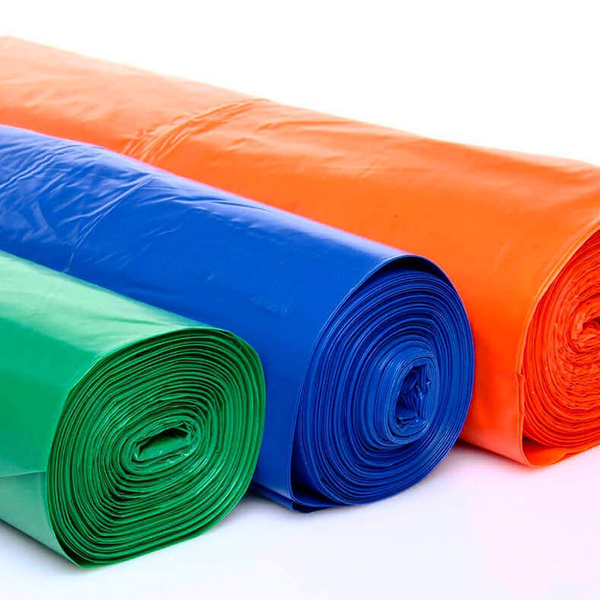
Tarpaulins are widely used across industries for covering and protecting materials, machinery, crops, and goods from environmental conditions. However, when tarpaulins are exposed to sunlight for long periods, they can weaken, fade, and deteriorate quickly. This is why UV Stabilized Tarpaulins have become an essential solution for long-term outdoor protection. Designed to withstand harsh sunlight, UV stabilized tarpaulin sheets provide durability, reliability, and extended product life.
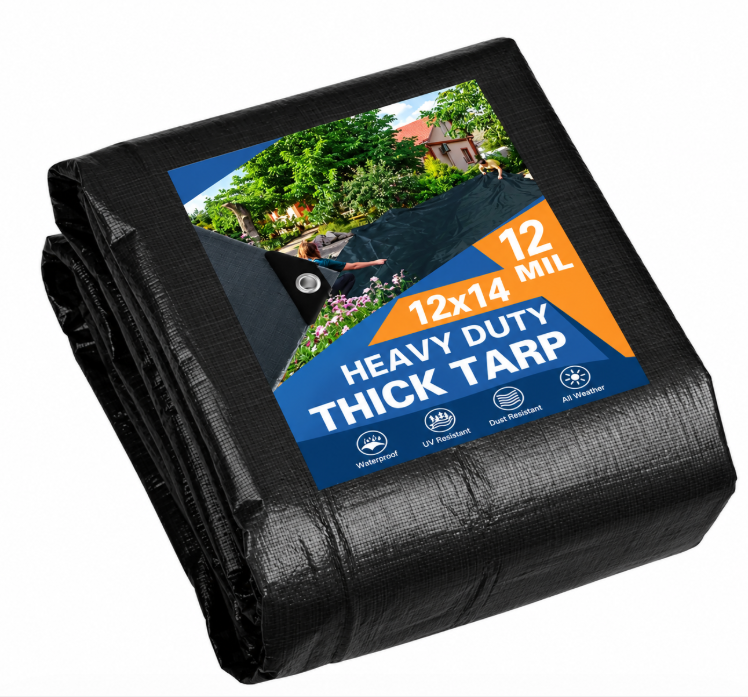
we produce high-quality tarpaulins with UV protection on both sides. These tarpaulins are engineered to perform effectively in outdoor environments while maintaining their strength and flexibility.
Understanding UV Stabilized Tarpaulins
Ultraviolet (UV) radiation from the sun can gradually damage plastic and synthetic materials. When regular tarpaulins are exposed to sunlight over time, the material may become brittle, lose flexibility, and develop cracks. UV stabilized tarpaulins are specially treated during the manufacturing process to resist this damage.
These tarpaulins contain stabilizing additives that protect the material from UV radiation, ensuring that the tarp remains durable and functional even after long periods of sun exposure. As a result, UV stabilized tarpaulin sheets are ideal for outdoor applications where constant sunlight is unavoidable.
Key Features of UV Stabilized Tarpaulin Sheets
High-quality weather resistant tarpaulin covers manufactured are designed with advanced features to ensure long-lasting performance:
Made from virgin polyethylene for superior material strength
High tensile strength and puncture resistance for heavy-duty applications
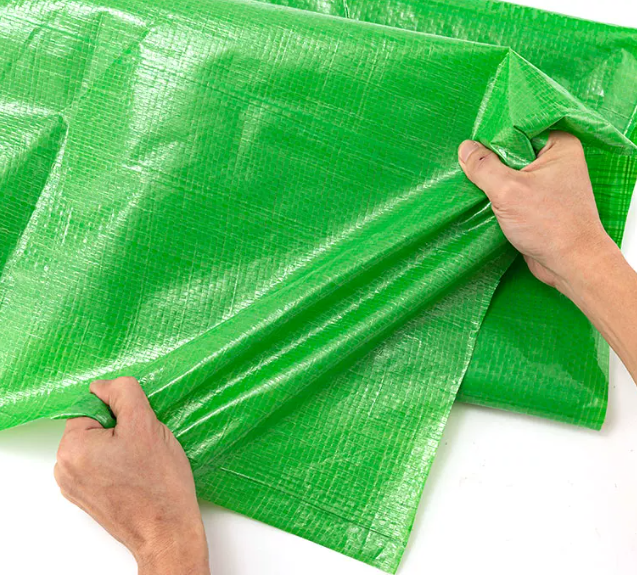
Lightweight and flexible, making them easy to handle and install
Heat sealed hemming with strong joints for durability
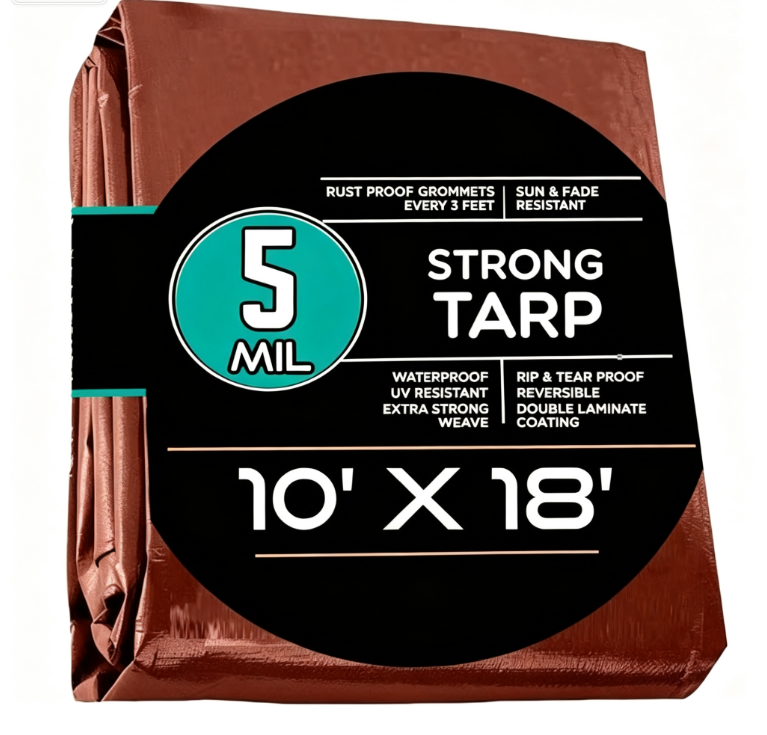
UV stabilized on both sides, providing protection from harsh sunlight
100% waterproof, leak-proof, weatherproof, oil-proof and rot-proof
Resistant to stains, acids, dyes, and most chemicals
Fire retardant properties for added safety
Strong aluminum eyelets for secure fastening
These features ensure that UV protection tarpaulin products remain effective even in challenging outdoor conditions.
Benefits of UV Protection Tarpaulin
Using UV stabilized tarpaulins offers several important advantages for industries and businesses that rely on outdoor protection solutions.
1. Longer Product Lifespan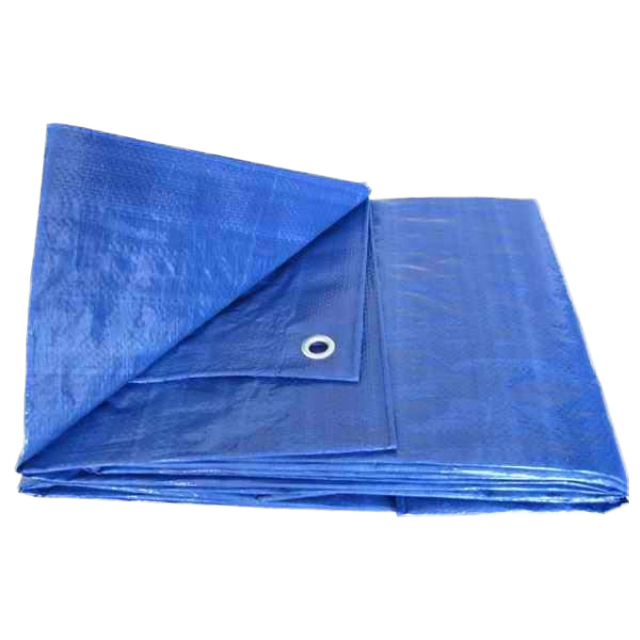
UV stabilization prevents the tarpaulin material from breaking down due to sunlight exposure. This significantly increases the lifespan of the tarp compared to ordinary tarpaulins.
2. Better Outdoor Protection
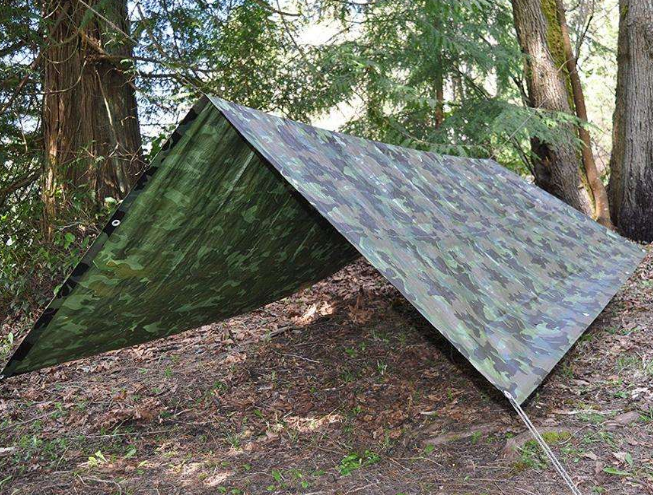
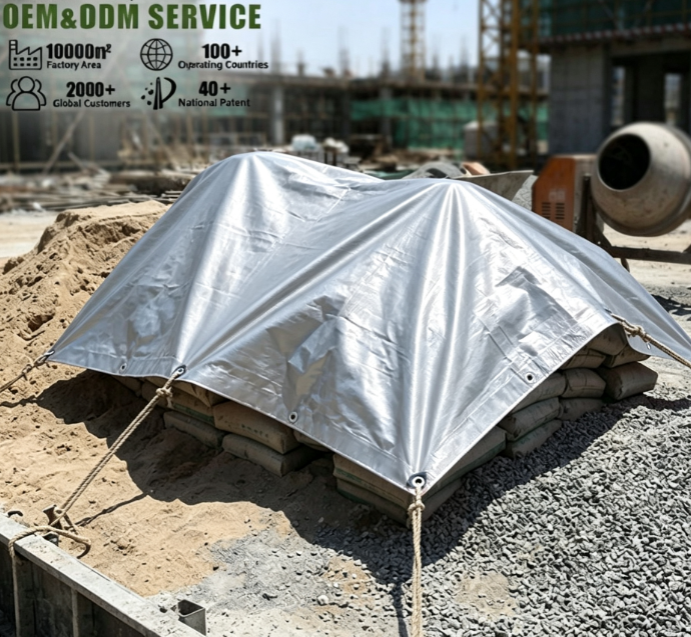
Whether used in agriculture, construction, transportation, or storage, weather resistant tarpaulin covers protect equipment and materials from both sunlight and rain.
3. Maintains Strength and Flexibility
UV protection ensures that the tarpaulin retains its flexibility and tensile strength even after prolonged outdoor use.
4. Cost-Effective Solution
Because UV stabilized tarpaulin sheets last longer and require fewer replacements, they provide a cost-effective solution for long-term outdoor applications.
Common Applications of UV Stabilized Tarpaulins
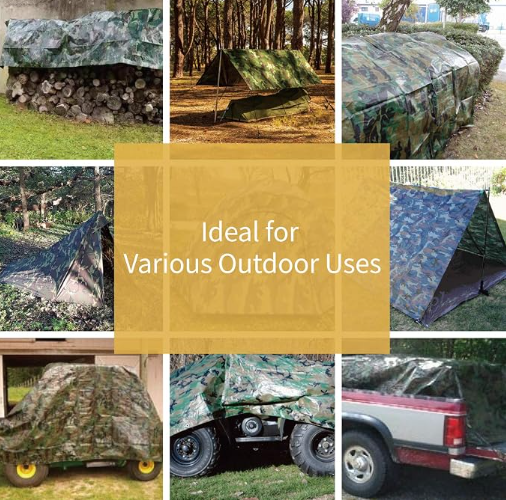
Due to their durability and resistance to sunlight, UV protection tarpaulins are widely used across many industries, including:
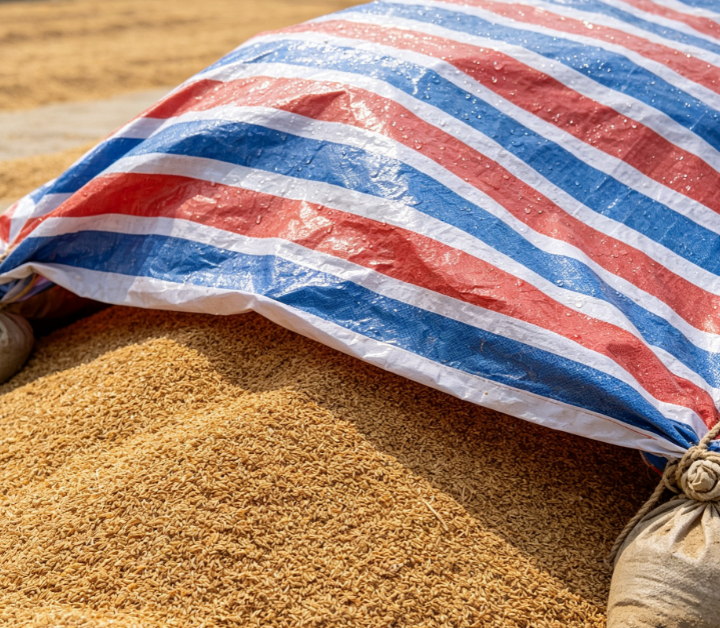
Agriculture: Covering crops, protecting harvested produce, and shading plants
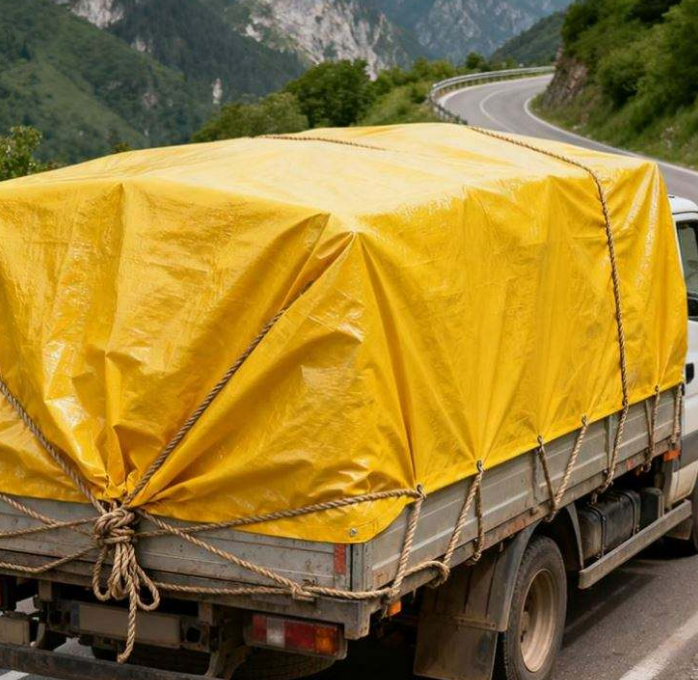
Transportation: Protecting goods on trucks and cargo vehicles
Construction: Covering building materials and equipment at job sites
Warehousing: Protecting stored goods from outdoor exposure
Industrial use: Temporary shelters and equipment covers
In all these applications, UV stabilized tarpaulins provide dependable protection against environmental damage.
- Brittleness: The once-flexible material becomes stiff and easily cracks when folded or under tension.
- Loss of Strength: The fabric's tensile and tear strength drops significantly, making it prone to ripping under normal wind or stress.
- Disintegration: In extreme cases, a non-treated tarp can begin to fail or even turn into a chalky powder within months.
- Standard Tarps: May fail in as little as 3–8 months in high-intensity sunlight regions.
- UV-Stabilized Tarps: Typically last 3–5 years or longer depending on the material and climate.
- Degrading Waterproofing: UV rays can break down the waterproof laminate or coatings, causing the tarp to leak.
- Exposing Sensitive Goods: If the tarp thins or cracks, it can no longer protect assets like agricultural produce, construction materials, or vehicles from sun and rain.
- Color Stability: Stabilization prevents rapid fading and discoloration, which is important for branded or high-visibility applications.
- Check the GSM: Thicker fabrics (higher grams per square meter) generally have more material to degrade before failing.
- Look for Built-in Protection: High-quality tarps have UV stabilizers blended directly into the resin before weaving, rather than just as a surface coating.
- Color Matters: Darker colors, especially black, often offer better natural resistance to UV absorption.
Conclusion
Outdoor environments expose tarpaulins to intense sunlight and weather conditions that can reduce their durability over time. UV Stabilized Tarpaulins offer an effective solution by protecting the material from harmful ultraviolet radiation while maintaining strength and flexibility.
With advanced manufacturing techniques and durable materials, we produces high-quality UV stabilized tarpaulin sheets designed for long-lasting performance. Their weather resistant tarpaulin covers provide reliable protection for agriculture, transportation, construction, and industrial applications.
Choosing a UV protection tarpaulin ensures better durability, reduced maintenance costs, and dependable outdoor protection for a wide range of uses.