





More Than Meets the Eye: The Intricacies of Logo Printing on PE Tarps for Disaster Relief Tents
The Significance of Logo Printing on PE Tarps for Disaster Relief Tents
In an era of frequent natural disasters, disaster prevention and mitigation efforts are paramount. Disaster relief tents, serving as temporary shelters for affected populations, provide critical safety and protection. The clear, eye-catching logos printed on these tents’ polyethylene (PE) tarps are not merely brand markers—they carry profound functional and symbolic significance. Let’s explore the technical and practical aspects of logo printing on PE tarps.
I. Key Features and Advantages of PE Tarps
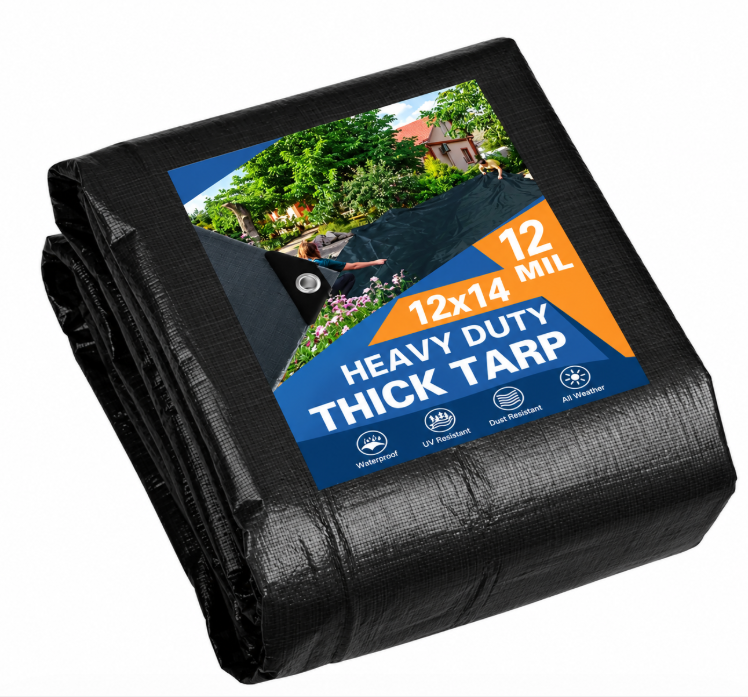
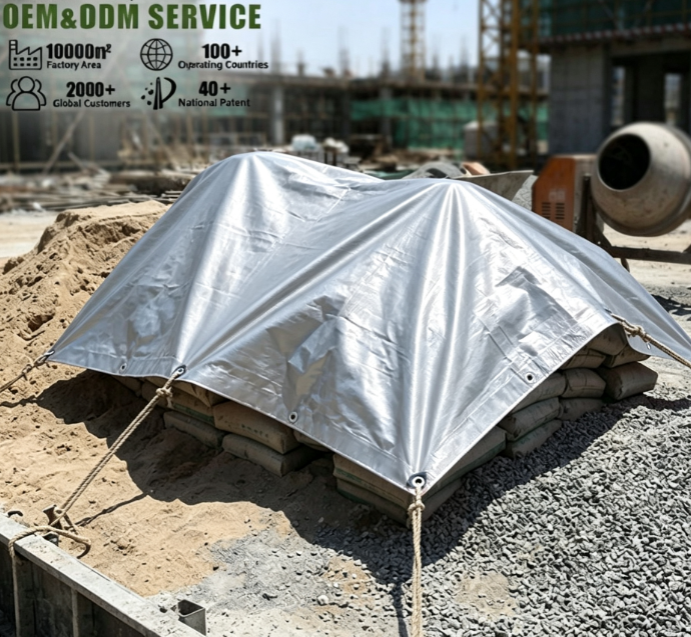
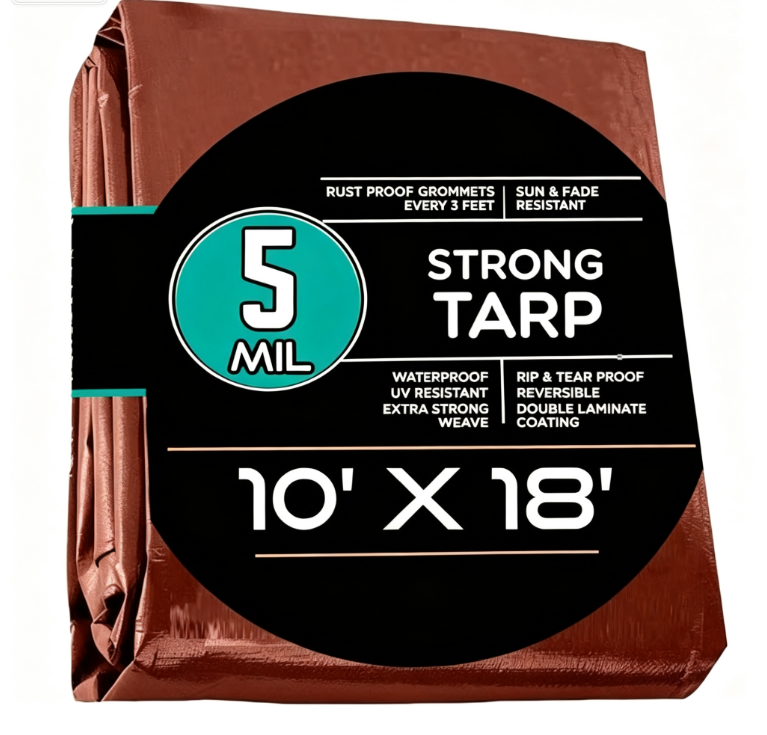
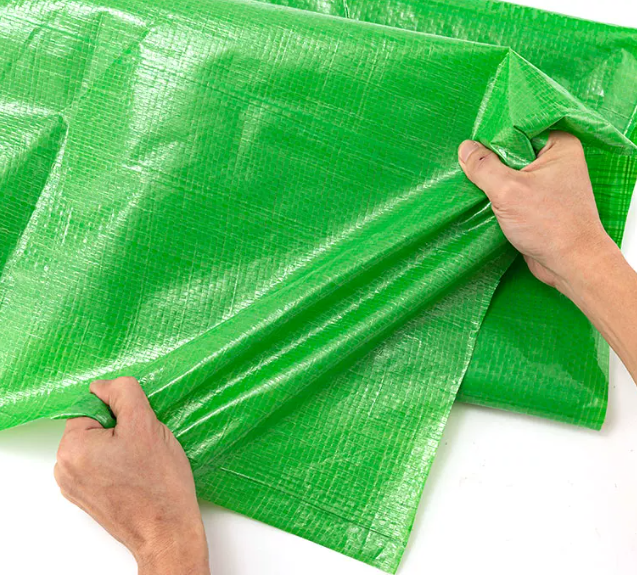
PE tarps, made from high-density polyethylene (HDPE) through weaving or lamination processes, are engineered for resilience:
- Waterproof Performance: Effectively blocks rainwater, maintaining a dry interior.
- Tear Resistance: Withstands harsh environments without tearing or degrading.
- Lightweight Portability: Easy to transport and deploy, enabling rapid setup during emergencies.
- Eco-Friendly Design: Recyclable material aligns with sustainable development goals.
II. Critical Roles of Logo Printing
1. Brand and Institutional Identification
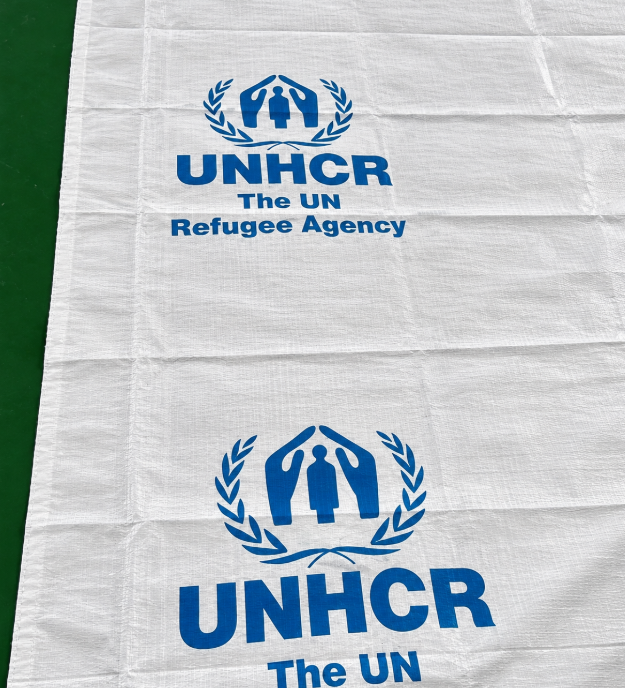
Clear logos instantly identify the tent’s provider (e.g., NGOs, government agencies). During large-scale rescues, this helps responders and survivors quickly distinguish between supplies, ensuring efficient resource allocation.
2. Information Dissemination
Critical details like emergency hotlines, usage guidelines, or multilingual instructions can be printed around logos. Such information guides proper tent usage in high-stress scenarios.
3. Enhanced Visibility
High-contrast logos improve visibility in chaotic disaster zones, aiding rescue teams in locating shelters and directing displaced individuals to safety.
III. Ensuring Print Quality and Durability
Ink Standards: Use UV-resistant, weatherproof inks to prevent fading and ensure longevity under sun exposure, rain, or extreme temperatures.
Advanced Printing Technology: Precision digital printing systems and skilled technicians guarantee sharp, consistent logos. Parameters like pressure and temperature are strictly monitored during production.
Rigorous Quality Checks: Post-printing inspections test clarity, color accuracy, and adhesion (e.g., cross-cut tests). Only tarps meeting these standards are approved for field use.
Conclusion
Logo printing on disaster relief tents’ PE tarps is a blend of engineering precision and humanitarian strategy. Beyond branding, these logos serve as lifelines—guiding survivors, streamlining rescue operations, and ensuring critical information remains visible in crises. As printing technologies evolve (e.g., glow-in-the-dark inks, RFID integration), their role in disaster response will only grow more vital. By understanding these details, we recognize how even small design elements contribute to global resilience efforts.