





Installation and Maintenance Guide for Tarpaulin
I. Basic Concepts of Tarpaulin Covers
1. Definition and Functions of Tarpaulin Covers
1.1. What Is a Tarpaulin Cover?
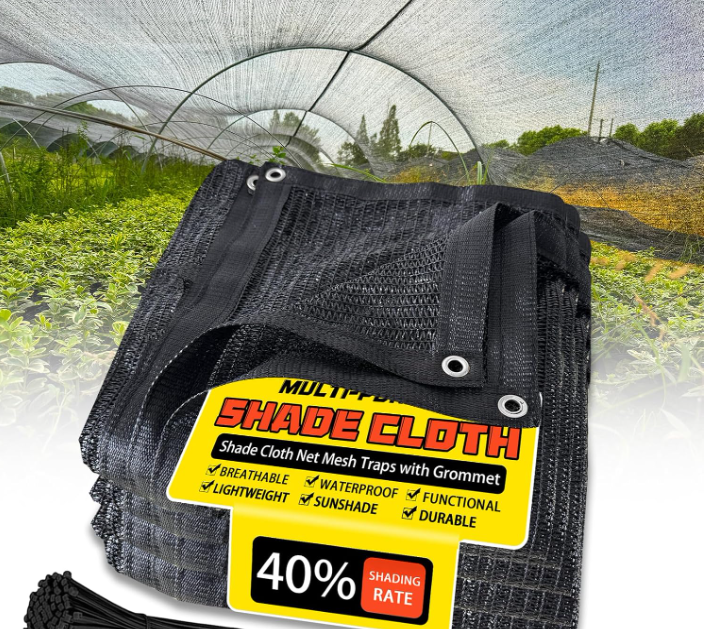
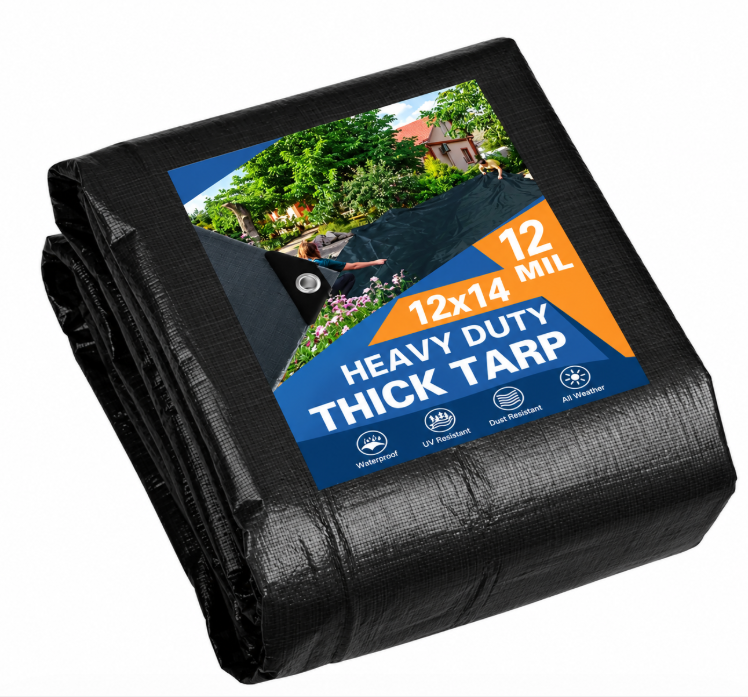
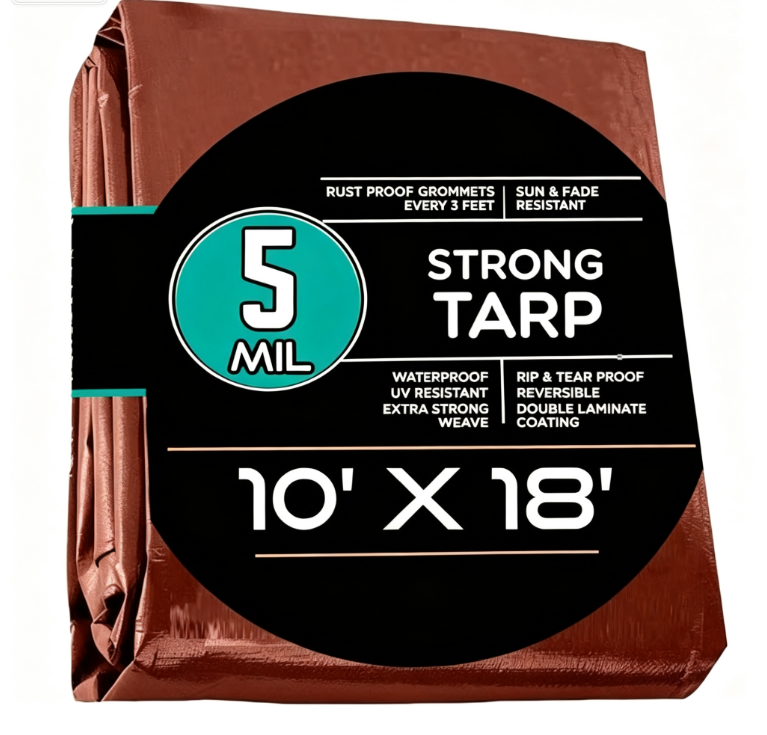
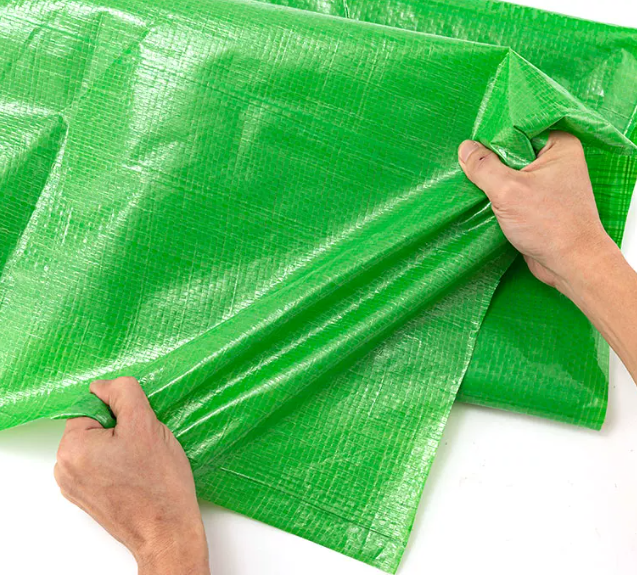
A tarpaulin cover is a protective covering made of tarpaulin material, primarily used to cover and protect various equipment, materials, and sites. It consists of a tarpaulin base material and necessary accessories, and through a well-designed structure, provides comprehensive protection for the items being covered.
1.2 Core Functions of Tarpaulin Covers
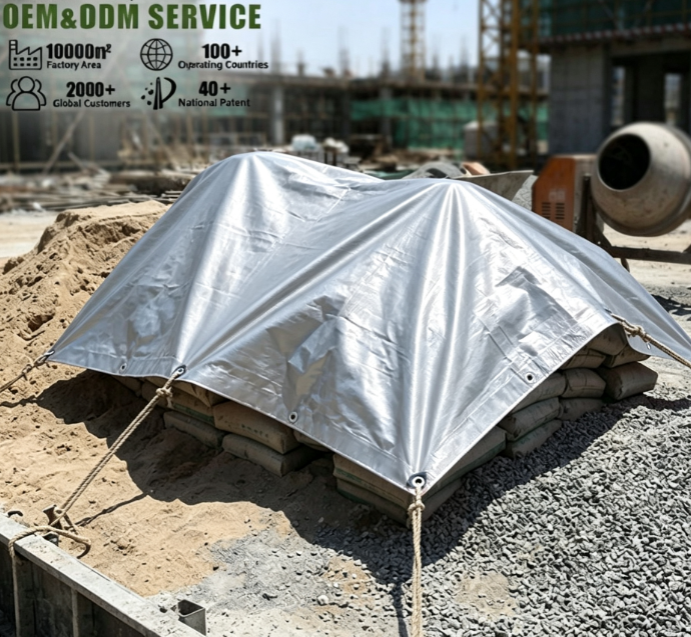
The core functions of tarpaulin covers include waterproofing, dust protection, sun protection, and wind protection. In outdoor conditions, tarpaulin covers effectively block rain and direct sunlight, preventing equipment from aging and becoming damaged due to prolonged exposure.
2. Main Application Scenarios for Tarpaulin Covers
2.1. Industrial Equipment Protection
At industrial production sites, many pieces of equipment need to be stored outdoors either temporarily or long-term. Tarpaulin covers provide reliable protection for this equipment, preventing deterioration caused by wind, rain, and UV exposure.
2.2. Logistics and Transportation Protection
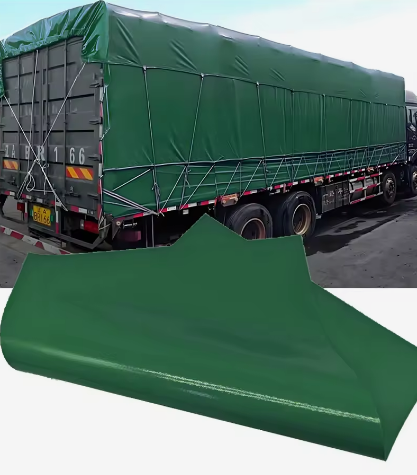
During logistics and transportation, tarpaulin covers are commonly used to cover truck beds, shipping containers, and palletized cargo. They prevent cargo from getting wet during transport and also protect it from dust contamination.
II. Proper Installation of Tarpaulin Protective Covers
1. Preparations Before Installation
1.1. Inspect the Object to Be Protected
Before installing the tarpaulin protective cover, carefully inspect the surface of the object to be protected to ensure it is clean and free of sharp burrs. If there are any sharp burrs on the surface, smooth them out first to prevent puncturing the protective cover.
1.2. Inspect the Cover Itself
Before installation, also check that the tarpaulin cover is intact and that all securing ropes and accessories are present. If any damage or missing parts are found, repair or replace them before beginning installation.
2. Installation Steps and Precautions
2.1. Installation for Large Equipment
Installing a canvas protective cover on large equipment typically requires a team effort. Use lifting equipment to gently place the protective cover over the equipment, then evenly tighten the securing ropes.
2.2. Installation of Small Equipment
Installing a canvas protective cover on small equipment is relatively simple. One or two people can complete the installation. Apply moderate force during installation to avoid damaging the protective cover or ropes due to excessive force.

III. Fastening System for Tarpaulin Covers
1. Common Fastening Components
1.1. Ropes and Tensioners
Ropes and tensioners are the most commonly used fastening components for tarpaulin covers. Ropes are typically made of polypropylene or polyester fiber, offering high strength and weather resistance. Tensioners are used to quickly tighten the ropes, ensuring the cover is securely fastened.
1.2. Eyelets and Straps
Eyelets are metal or plastic rings located along the edges of the tarpaulin cover, designed for threading ropes or straps through. High-quality eyelets should be rust-proofed and capable of withstanding significant tensile forces. Straps are used to secure the cover to the object being protected.
2. Inspection and Maintenance of the Fastening System
2.1 Importance of Regular Inspections
The fastening system of a tarpaulin protective cover significantly impacts its protective effectiveness. If not secured properly, the cover is prone to being blown off or displaced by the wind, thereby losing its protective function. Therefore, the fastening system should be inspected and maintained regularly.
2.2. Key Inspection Points and Methods
When inspecting the fastening system, pay close attention to whether the ropes are loose, whether the eyelets are rusted or torn, and whether the tensioners are functioning properly. If any issues are discovered, they should be addressed immediately to prevent minor problems from escalating into major failures.

IV. Daily Maintenance of Tarpaulin Covers
1. Cleaning and Maintenance
1.1. Cleaning Methods
After a period of use, dust and stains will accumulate on the surface of the tarpaulin cover. To clean it, use clean water and a neutral detergent, gently scrub with a soft-bristled brush, and then rinse thoroughly with clean water.
1.2 Drying and Storage
After cleaning, the tarpaulin cover should be allowed to air dry completely, then folded neatly and stored in a dry, well-ventilated area. Avoid leaving it folded in the same position for extended periods; it should be unfolded and inspected regularly.
2. Repair and Replacement
2.1 Repair Methods
For minor damage to the tarpaulin cover, use specialized repair adhesive or patches. Before repairing, thoroughly clean the damaged area to ensure the repair adhesive or patch adheres securely.
2.2. Determining When to Replace
If the tarpaulin protective cover shows signs of severe aging, extensive damage, or a failed fastening system, it should be replaced with a new one promptly. Continuing to use an old or damaged protective cover not only reduces its protective effectiveness but may also pose safety hazards.
Conclusion
Proper installation and regular maintenance of tarp covers have a significant impact on their protective effectiveness and service life. By following scientifically sound installation methods and maintenance guidelines, you can ensure that tarp covers operate reliably and consistently over the long term, providing dependable protection for your equipment. Star Tarp remains committed to the research, development, and innovation of high-quality tarp cover products, striving to provide customers with superior products and services.