


Industry Knowledge丨 Types and Precautions of Industrial Waterproof Tarpaulins
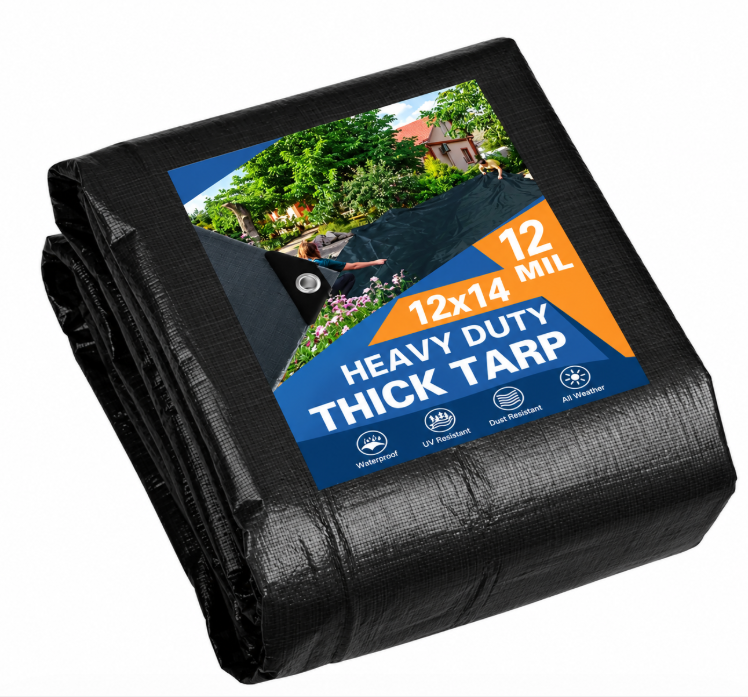
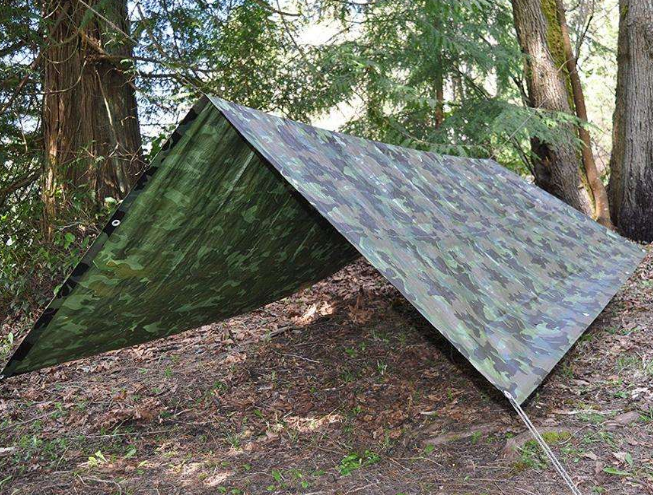
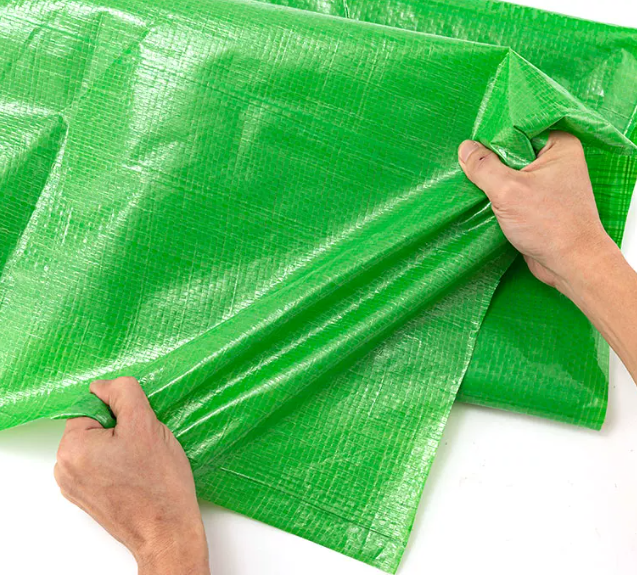
A tarpaulin (or waterproof cloth) is a high-strength, flexible, and soft waterproof material, often used as canvas (for oil painting), polyester coated with polyurethane, or made into polyethylene plastic. Tarpaulins typically feature sturdy grommets at the corners or edges to facilitate tying with ropes, hanging, or covering.
Polypropylene (PP) Waterproof Tarpaulin
Polypropylene striped tarpaulin is made from polypropylene fibers, commonly referred to as "recycled material striped tarpaulin (polypropylene)."
Advantages: Waterproof, resistant to acids and alkalis, and wear-resistant. It is also relatively soft, lightweight, and cost-effective, making it suitable for temporary or emergency use.
Disadvantages: Poor sun resistance, generally short service life, and often degrades in quality after a single use (both waterproofness and flexibility may diminish).

Polyethylene (PE) Waterproof Tarpaulin
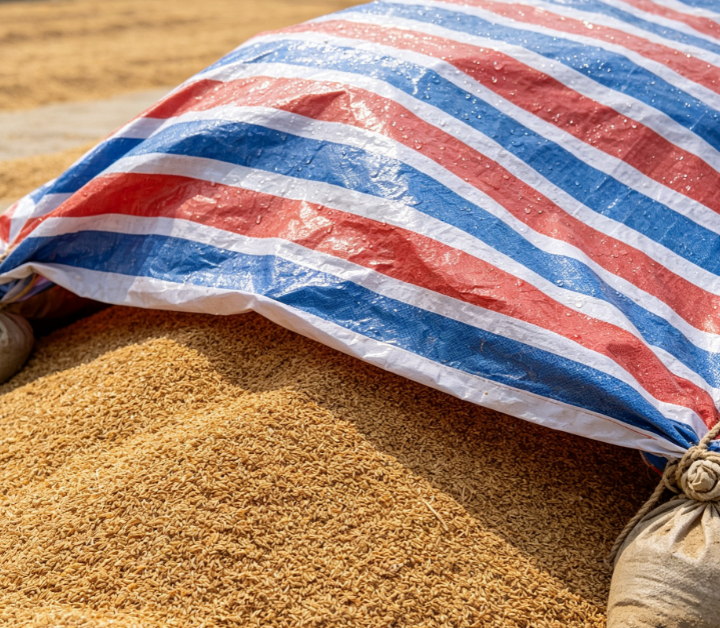
PE striped tarpaulin refers to plastic woven tarpaulin, made from polyethylene—a thermoplastic resin polymerized from ethylene—and is widely used (e.g., construction sites, chemical industries, grain rain protection). Exposure to wind and sun can cause aging, and sunlight may lead to discoloration.
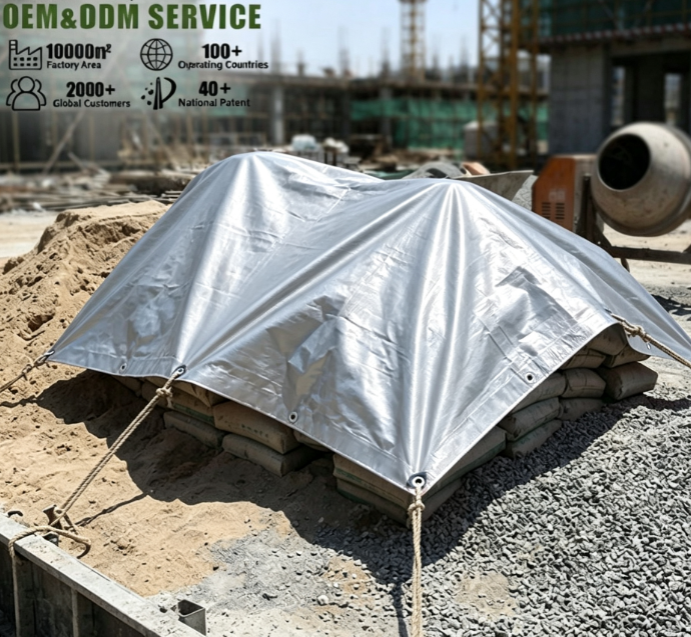
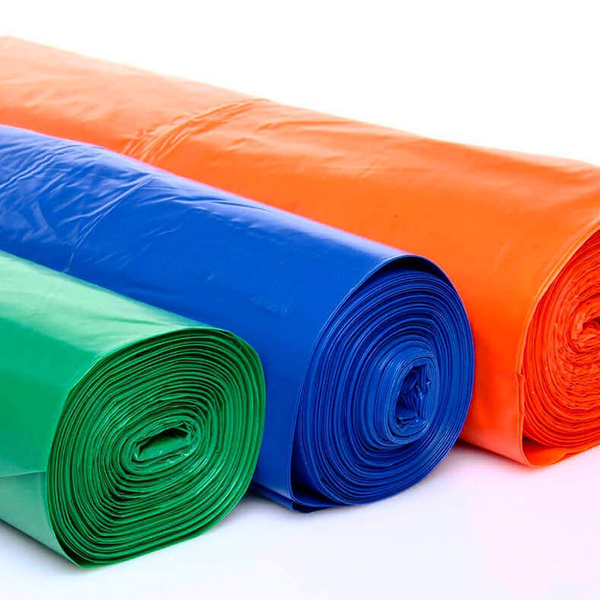
PE tarpaulin is a type of tarpaulin produced from new materials (polyethylene) with double-sided lamination during manufacturing, making it more waterproof and durable. It is commonly used for covering products and goods in factories and offers a longer service life and greater durability compared to striped tarpaulins. It comes in various color combinations, such as blue-orange, blue-white, and blue-silver.
Many paper factories, chemical plants, and ports opt for PE tarpaulins due to their excellent waterproofness, durability, lightweight nature, and long service life.
Polyvinyl Chloride (PVC) Waterproof Tarpaulin
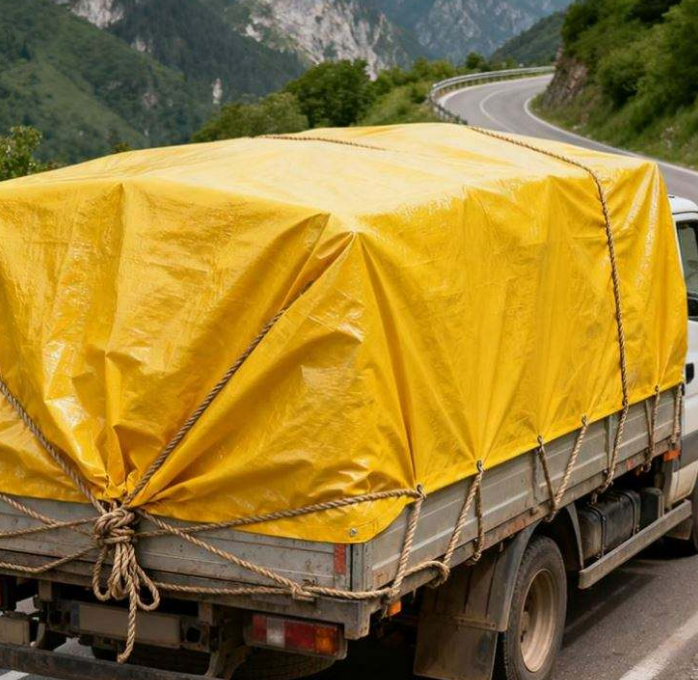
PVC tarpaulin is made by coating both sides of a polyester base fabric with PVC resin paste using a dip-coating process, formed in a single step. It has a stable structure, higher product quality, and broader applications, such as truck waterproofing, oilfield seepage prevention, factory raw material sun protection, and aquaculture ponds.
Currently, PVC tarpaulin offers superior waterproofing and sun protection, along with a long service life. Depending on the usage environment, it can be treated for low-temperature resistance or flame retardancy.
Compared to PE tarpaulin, PVC tarpaulin outperforms in various aspects, including aging resistance, waterproofness, and durability. Its only drawback is that it is heavier than PE tarpaulin.