




How to prevent tarpaulin from aging?
I. Why Does Tarpaulin Aging Occur?
Tarpaulin aging is not caused by a single factor, but rather by the combined effect of multiple environmental factors:
II. Six Anti-Aging Measures to Keep Tarpaulins Looking New Forever
1. Scientific Cleaning – Gentle Treatment is Key
Regular cleaning is fundamental to extending the lifespan of tarpaulins. After daily use, promptly clean away surface dust, dirt, tree sap, and other adhering substances, as long-term accumulation of these substances can lead to mold growth. When cleaning, always use clean water and a soft-bristled brush to wipe away stains. Stubborn stains can be treated with neutral soapy water. Never use strong acids, strong alkalis, or corrosive cleaning agents, as these can damage the waterproof coating of the tarpaulin. After cleaning, be sure to let the tarpaulin air dry naturally in a well-ventilated, shady place. Never expose it to direct sunlight or bake it in a high-temperature environment, otherwise the tarpaulin will easily peel off and age.
2. Sun Protection First – Avoid Direct UV Exposure
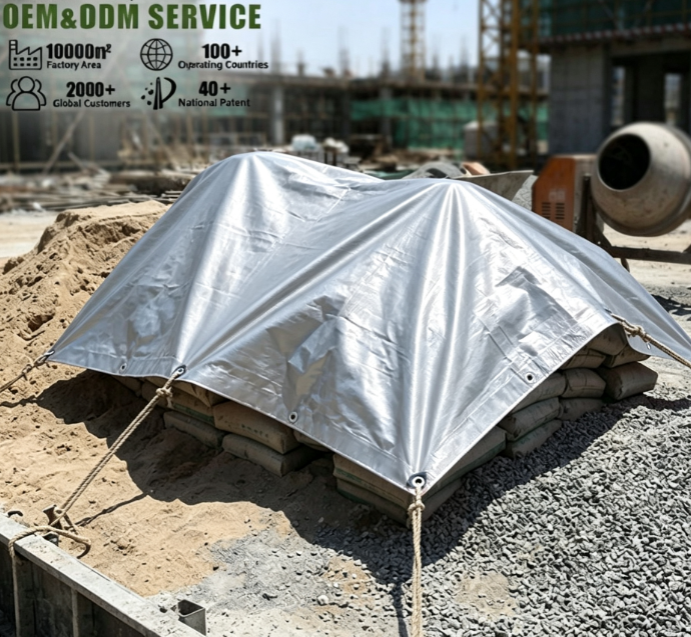
Prolonged exposure to strong sunlight will accelerate the aging process of tarpaulins. When not in use, the tarpaulin should be stored in a cool, shaded place. If the tarpaulin must be displayed outdoors for extended periods, cover it with a shade net to reduce the damage from direct UV rays. In addition, UV protection spray can be sprayed on the tarpaulin surface to effectively reduce the damage caused by ultraviolet rays from sunlight.
3. Proper Storage – Dryness and Ventilation are Key
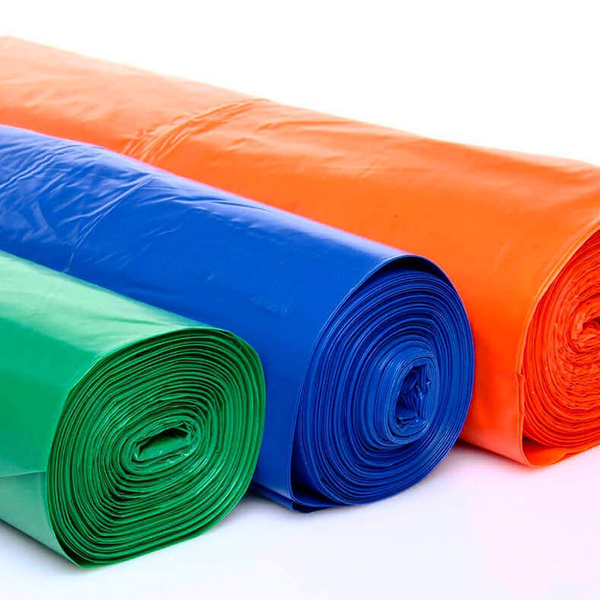
When storing tarpaulins, choose a dry, well-ventilated, and cool place to avoid prolonged dampness and mold growth. Ensure the tarpaulin is completely dry before storage; otherwise, folding and storing it wet will easily lead to mold. Also, avoid placing heavy objects on the tarpaulin to prevent deformation or damage. It is recommended to roll up the tarpaulin rather than fold it to prevent permanent creases and reduce stress on the material. Every so often, the tarpaulin can be taken out and aired to remove moisture.
4. Regular Inspection – Small Repairs Prevent Big Problems
Every 6 to 12 months, the tarpaulin should be thoroughly inspected for damage, tears, fading, or aging. If small damage is found, it should be repaired immediately with specialized repair tape or materials to prevent further damage. For severe damage or extensive aging, the tarpaulin should be replaced promptly to ensure its protective performance.
5. Keep away from chemicals and fire sources
During use, avoid contact between the tarpaulin and acids, alkalis, salts, oil, or industrial pollutants. Clean any residue promptly after use. Generally, tarpaulins are not fire-resistant; whether in use or storage, keep them away from fire sources and refrain from smoking or other activities that could cause a fire near the tarpaulin.
6. Proper Use – Avoid Mechanical Damage
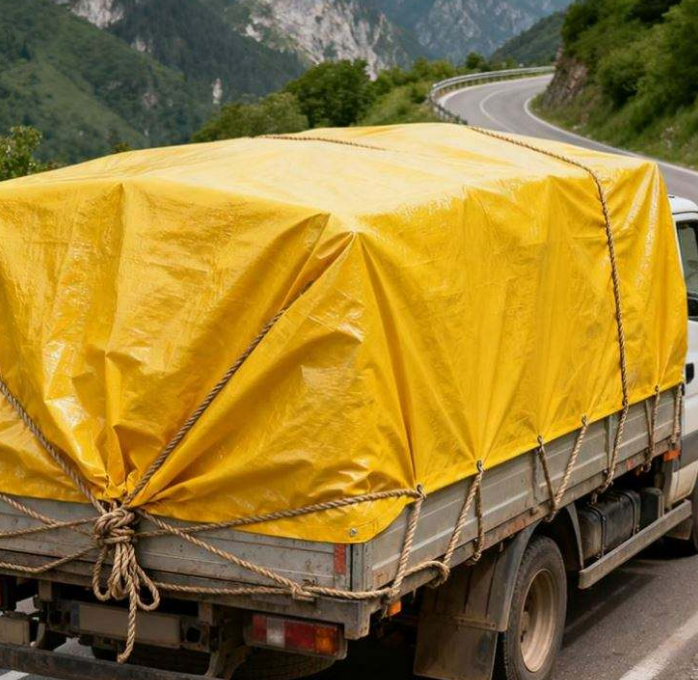
Before installation and use, remove any sharp objects from the surface of the covering to avoid tearing the tarpaulin. Use ropes or straps for securing the tarpaulin; avoid pulling directly on the edges and corners, and use reinforcing rings or knots for cushioning. Handle with care during transport; avoid dragging.
III. Quality Control from the Source: Choose High-Quality Tarpaulins
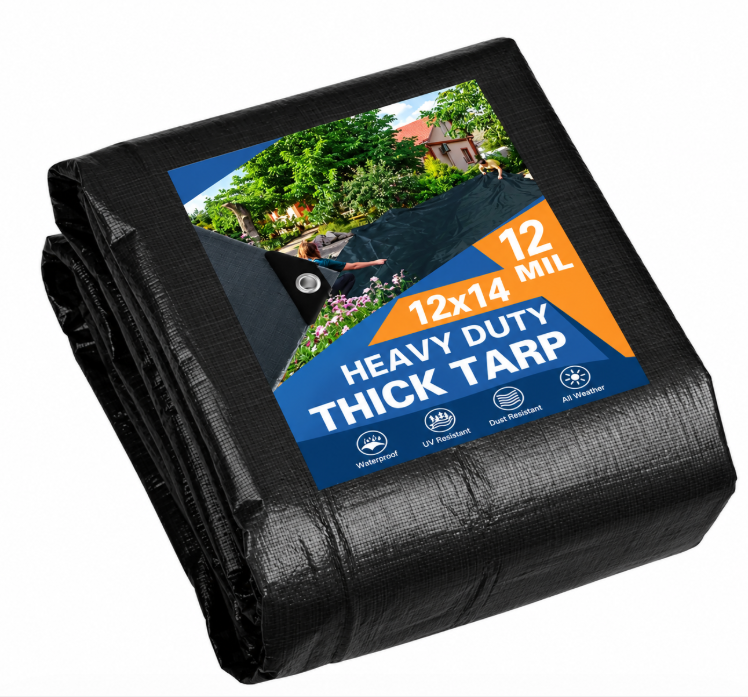
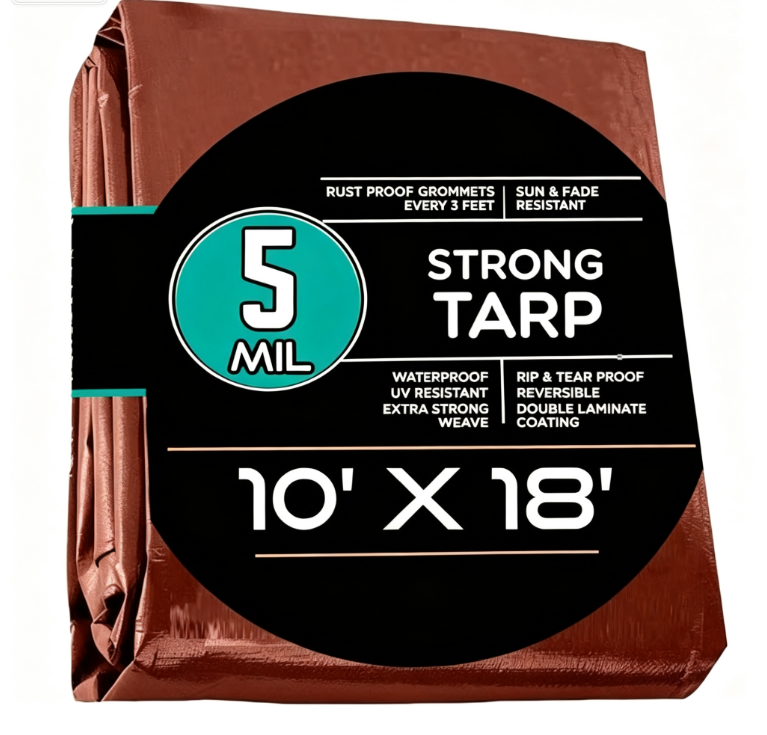
Preventing aging begins from the moment of purchase. When buying tarpaulins, prioritize materials with anti-aging and weather-resistant properties. High-quality PVC tarpaulins typically use a double-sided coating process, which enhances tear resistance, mildew resistance, and UV stability. The higher the weight per square meter (GSM), the greater the durability—thicker tarpaulins (such as those with a GSM of 900 or higher) can last 10 to 15 years. Choosing materials with UV coatings or UV-stabilized treatments can also slow down aging at its source.
Conclusion
While aging of tarpaulins is inevitable, the aging process can be significantly slowed down and lifespan extended by following six key measures: scientific cleaning, sun protection, proper storage, regular inspection, keeping away from chemicals, and correct use. Remember: Thicker + Diligent Care = Longer Lifespan. Take good care of your tarpaulin, and it will reward you with longer-lasting reliable protection.
If you have any questions about purchasing or maintaining tarpaulins, please feel free to contact us. We provide professional technical support and quality assurance to help you confidently meet various outdoor protection needs.