English
English Chinese Simplified Chinese Traditional French German Portuguese Spanish Russian Japanese Korean Arabic Irish Greek Turkish Italian Danish Romanian Indonesian Czech Afrikaans Swedish Polish Basque Catalan Esperanto Hindi Lao Albanian Amharic Armenian Azerbaijani Belarusian Bengali Bosnian Bulgarian Cebuano Chichewa Corsican Croatian Dutch Estonian Filipino Finnish Frisian Galician Georgian Gujarati Haitian Hausa Hawaiian Hebrew Hmong Hungarian Icelandic Igbo Javanese Kannada Kazakh Khmer Kurdish Kyrgyz Latin Latvian Lithuanian Luxembou.. Macedonian Malagasy Malay Malayalam Maltese Maori Marathi Mongolian Burmese Nepali Norwegian Pashto Persian Punjabi Serbian Sesotho Sinhala Slovak Slovenian Somali Samoan Scots Gaelic Shona Sindhi Sundanese Swahili Tajik Tamil Telugu Thai Ukrainian Urdu Uzbek Vietnamese Welsh Xhosa Yiddish Yoruba Zulu Kinyarwanda Tatar Oriya Turkmen Uyghur Abkhaz Acehnese Acholi Alur Assamese Awadish Aymara Balinese Bambara Bashkir Batak Karo Bataximau Longong Batak Toba Pemba Betawi Bhojpuri Bicol Breton Buryat Cantonese Chuvash Crimean Tatar Sewing Divi Dogra Doumbe Dzongkha Ewe Fijian Fula Ga Ganda (Luganda) Guarani Hakachin Hiligaynon Hunsrück Iloko Pampanga Kiga Kituba Konkani Kryo Kurdish (Sorani) Latgale Ligurian Limburgish Lingala Lombard Luo Maithili Makassar Malay (Jawi) Steppe Mari Meitei (Manipuri) Minan Mizo Ndebele (Southern) Nepali (Newari) Northern Sotho (Sepéti) Nuer Occitan Oromo Pangasinan Papiamento Punjabi (Shamuki) Quechua Romani Rundi Blood Sanskrit Seychellois Creole Shan Sicilian Silesian Swati Tetum Tigrinya Tsonga Tswana Twi (Akan) Yucatec Maya
Leave Your Message
How to choose tarpaulins for hot and rainy weather?
News

How to choose tarpaulins for hot and rainy weather?

2026-06-11
1. Material Priority: Polyethylene (PE) + UV Resistant Treatment

High-density polyethylene (HDPE) tarpaulin is recommended, and ensure the product label indicates UV treatment. This material offers excellent sun and rain resistance and is less prone to brittleness or mold.

2. Coating Selection: Double-sided Lamination or Aluminum Foil Coating (Heat Insulation)

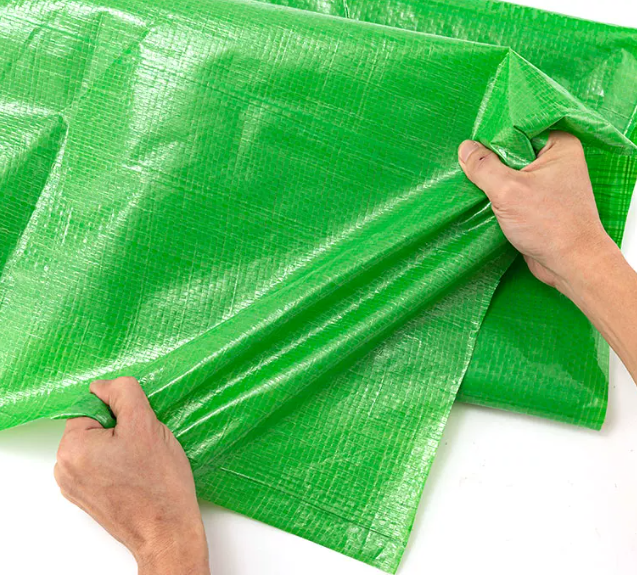
Double-sided lamination effectively prevents rainwater penetration while reducing the impact of high temperatures on the back side.

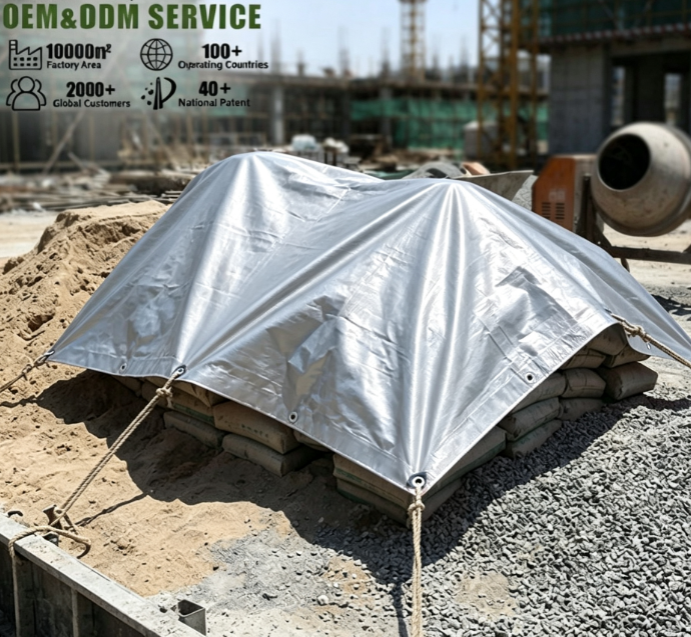
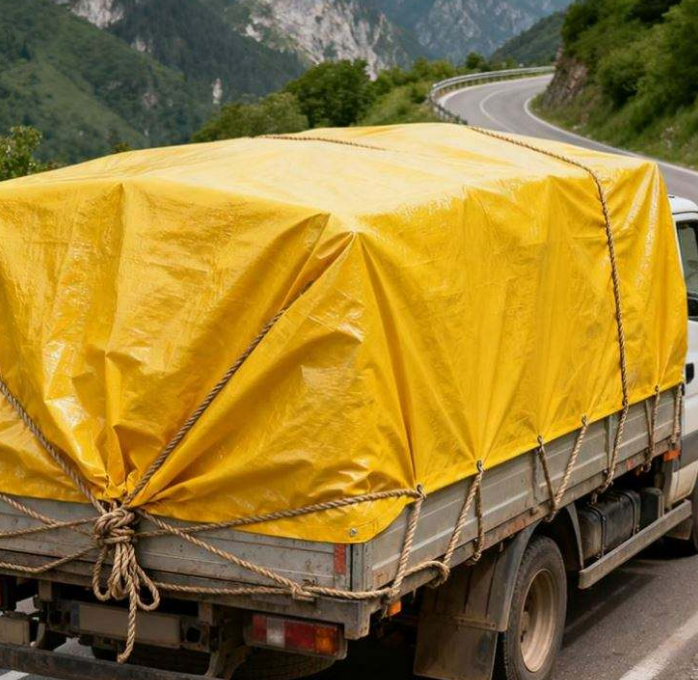
Aluminum foil coating reflects most sunlight, lowering the surface and internal temperature of the tarpaulin, making it particularly suitable for vehicle or equipment protection.

3. Structural Process: Hemming + Heat-sealed Eyelets

In areas frequently exposed to wind and rain, hemming and heat-sealed eyelets are crucial. These processes significantly improve the tarpaulin's wind resistance and tear resistance.

4. Density and Weight:

Heavier isn't always better, but it shouldn't be too low either. A weight per square meter (GSM) of at least 120–150 g/m² is recommended.