


How to choose construction tarpaulins?
1. Start with GSM: The #1 Indicator of Durability
GSM (grams per square meter) measures the total weight of the fabric plus coating. Higher GSM = thicker and more durable material -4 -7.
| GSM Range | Application |
|---|---|
| 80–120 gsm | Lightweight, short-term coverage (dust, temporary shade) |
| 150–220 gsm | Standard construction use—scaffolding covers, material protection |
| 300–500 gsm | Heavy-duty scaffolding enclosures, ground covers |
| 600–900+ gsm | Extreme conditions—high wind, water storage, long-term outdoor exposure |
For most construction applications, 400–700 GSM is the sweet spot. If you‘re storing water on site, go 700 GSM or higher—anything less will fail under water pressure -4.
2. Material Matters: PVC vs. PE vs. Canvas
- Fully waterproof, UV-resistant, fire-retardant options available
- Lasts 5–7 years on construction sites vs. 1–2 years for PE
- Higher upfront cost, but lower cost per use over time
- Ideal for heavy-duty, long-term protection
- Lightweight, water-resistant, affordable
- Degrades under UV exposure within months
- Best for short-term or single-use applications
- Breathable, good for items needing air circulation
- Not fully waterproof, absorbs moisture over time
- Heavier and prone to rot in wet conditions
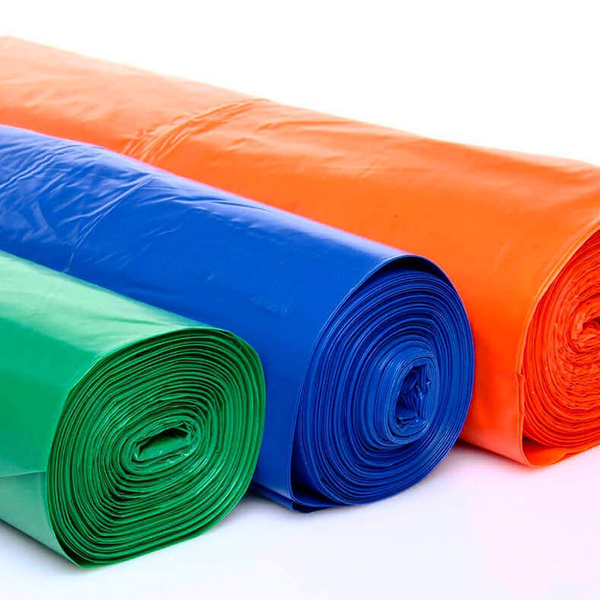
3. Color Selection: Not Just for Looks
Tarpaulin color impacts safety, heat management, and job site visibility -1.
| Color | Best Use Case |
|---|---|
| Blue | All-purpose, versatile, most economical |
| Orange / Yellow / Red | High-visibility safety—mark hazards, warn workers, restrict access |
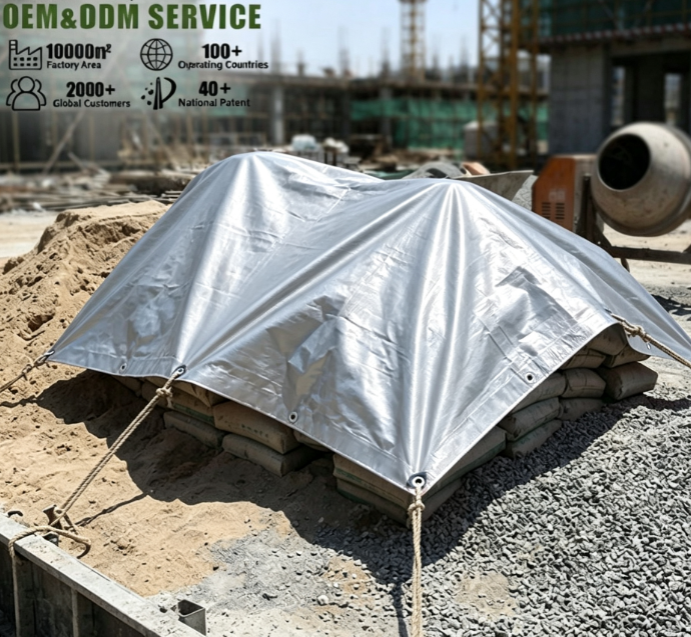
| Silver / White | Reflects sunlight, reduces heat—ideal for hot climates |
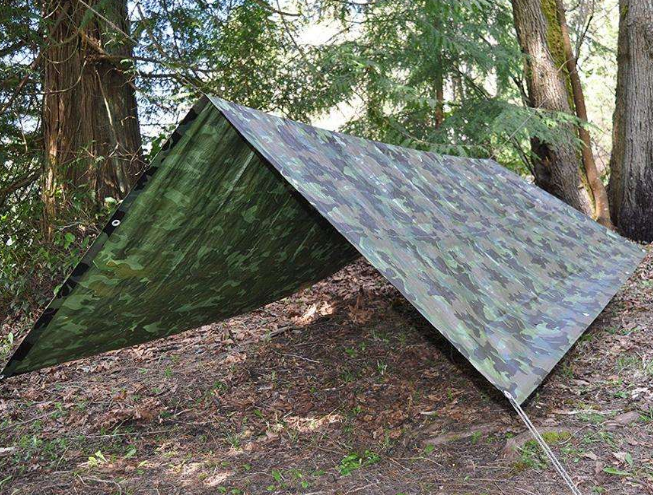
| Green | Blends with natural environments—parks, residential areas |
For construction safety, use bright colors (orange/red) in high-risk zones and silver for temperature-sensitive materials -1.
4. Key Technical Specs to Verify
When evaluating construction tarpaulins, request these performance metrics from your supplier-4:
- Tensile Strength > 2,000 N/5cm (warp) – resists tearing under load
- Tear Resistance > 300 N – prevents tear propagation
- UV Stabilization – extends outdoor lifespan to 5+ years
- Fire-Retardant Certification – BS 5862, NFPA 701, or DIN 4102 B1 for safety compliance
- Grommet Spacing – every 50 cm (not 100 cm) for better load distribution
5. Why Sourcing from China Makes Sense
China accounts for over 60% of global tarpaulin production, with manufacturing hubs in Shandong, Zhejiang, and Guangdong provinces -2 -5 -7.
Key advantages:
- Vertically integrated supply chains lower costs
- Proximity to raw materials (PE resins, PVC compounds) and major ports
- Customization capabilities—custom sizes, colors, printed logos, reinforced edges
- Flexible MOQs—from trial orders to full containers
Top-tier suppliers consistently demonstrate:
Final Checklist Before You Buy
| Factor | What to Check |
|---|---|
| Application | Short-term cover or long-term protection? Water storage? Fire risk? |
| GSM | Minimum 400 gsm for construction; 700+ for heavy-duty |
| Material | PVC for durability, PE for short-term budget jobs |
| UV Resistance | Stabilized for outdoor exposure > 3 months |
| Fire Rating | Required for many site safety regulations |
| Customization | Sizing, grommet spacing, hemming, printing |
| Supplier Reliability | Delivery record, reorder rate, response time |