





How should tarpaulins be stored?
Tarpaulins are among the most versatile and cost-effective protective tools available today. From covering trucks and construction materials to shielding agricultural goods and outdoor equipment, they serve countless purposes across industries and households alike. Yet despite their durability and reliability, one of the most overlooked aspects of tarpaulin ownership is proper storage. Many users invest in high-quality tarps only to see them deteriorate prematurely—not because the product failed, but because they were stored incorrectly.
The good news is that extending the life of your tarpaulin doesn't require special skills or expensive equipment. It simply requires understanding a few fundamental principles of tarpaulin care and storage.
Clean Before You Store
One of the most common mistakes people make is folding up a tarpaulin immediately after use and tossing it into a corner of the garage or shed. This is a recipe for premature failure. Dirt, mud, leaves, and other debris left on the surface can trap moisture against the fabric, creating the ideal environment for mold and mildew to develop. Over time, this organic matter can also break down the material's protective coatings, leading to weakened areas that are prone to tearing.
Before storing any tarpaulin, it should be thoroughly cleaned. Start by shaking off loose debris such as dust, leaves, or dried mud that can be easily removed. For more stubborn dirt or stains, use a mild soap solution with a soft sponge or cloth—never aggressive chemicals or stiff brushes, as these can damage the fabric and shorten its lifespan. Pay particular attention to areas where the tarp folds or creases, as these zones are prone to accumulating moisture. Rinse thoroughly and allow the tarpaulin to dry completely before proceeding to the next step.
Dry Thoroughly – Never Skip This Step
It is impossible to overstate the importance of drying. Storing a tarpaulin while it is still wet or even damp is one of the fastest ways to ruin it. Moisture trapped inside folds creates a breeding ground for mold, mildew, and bacteria that can eat through the material over time. It also attracts pests and rodents that may chew through the fabric in search of shelter or food.
After cleaning, hang the tarpaulin in a well-ventilated area away from direct sunlight until it is completely dry on both sides. If you are in a hurry, you can wipe it down with a clean, dry cloth, but air drying is always the safest option. Never use high heat sources such as heaters or stoves to speed up the drying process, as heat can weaken the fabric and compromise its structural integrity.
Fold or Roll With Care
Once the tarpaulin is clean and completely dry, the next decision is how to store it. The two most common methods are folding and rolling. Both have their advantages, and the best choice depends on your available space and how frequently you plan to use the tarp.
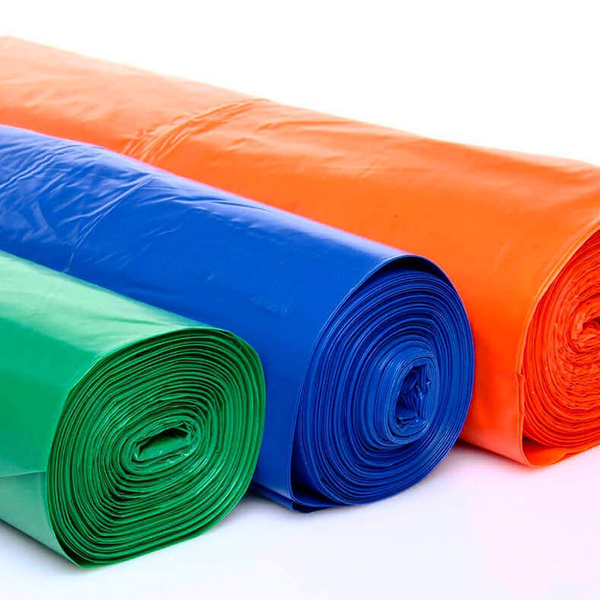
Rolling is generally preferred for larger tarpaulins or those used in industrial settings. Rolling the tarp around a core tube creates a compact cylinder that takes up minimal space and prevents sharp creases from forming. This is particularly important because sharp creases can weaken the fabric over time, creating stress points that are more likely to tear under tension.
Folding is a practical option for smaller tarps or when storage space is limited. However, care should be taken to avoid folding the same crease lines repeatedly. If possible, vary the folding pattern each time to distribute stress more evenly across the material. For gym floor covers and other specialized tarps, dedicated storage racks or carts are often used to simplify deployment and extend product life.
Choose the Right Storage Location
The location where you store your tarpaulin is just as important as how you prepare it. Ideal storage locations include garages, sheds, or designated storage units that are cool, dry, and well-ventilated. These conditions help prevent moisture buildup and keep the fabric in optimal condition.
Avoid storing tarpaulins in areas that are exposed to direct sunlight for extended periods. Ultraviolet rays can break down the material's polymers over time, causing it to become brittle, crack, and fade. Even UV-resistant tarpaulins will eventually degrade if left exposed to sunlight year-round. Similarly, keep tarps away from extreme temperatures, whether hot or cold, as these can weaken the fabric.
If outdoor storage is your only option, use a weatherproof container or protective cover to shield the tarpaulin from the elements. Sealing the tarp in a box can also protect it from rodents and pests. Additionally, it is wise to keep the tarpaulin off the ground to prevent damage from moisture, insects, or sharp objects. Storing the tarp on a shelf or pallet is an easy way to achieve this.
Avoid Common Storage Mistakes
Many tarpaulin failures can be traced back to easily avoidable storage mistakes. One of the most common is stacking heavy objects on top of a stored tarpaulin. The weight can cause permanent creases and weaken the fabric at pressure points. Instead, store tarpaulins on their own, with nothing heavy resting on them.
Another frequent error is storing tarpaulins near chemicals such as oil, solvents, or gasoline. Even fumes from these substances can degrade the material over time, compromising its waterproofing and tear resistance. Always store tarpaulins away from any chemicals or sharp objects that could puncture or weaken the fabric.
Long-Term Storage Considerations
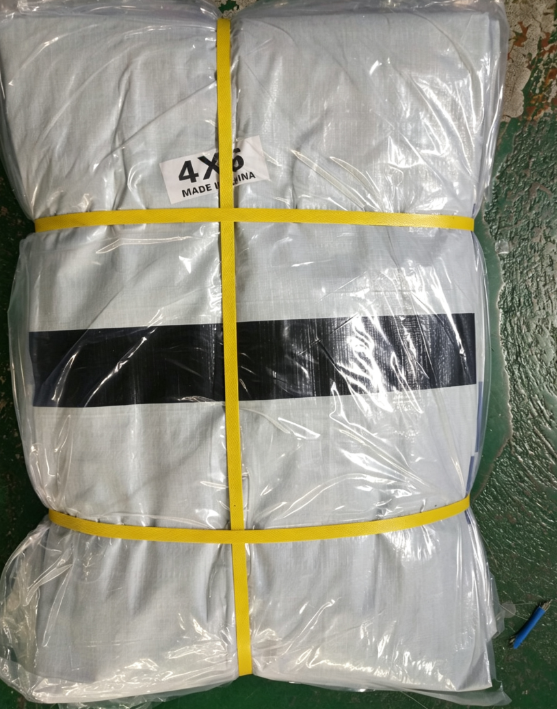
For tarpaulins that will not be used for extended periods, additional precautions can be taken. Using protective storage bags helps keep the fabric clean and dust-free while providing an extra barrier against moisture and pests. Some users also choose to apply fabric protectants or conditioners designed specifically for their tarp material, though this is generally more common for canvas or vinyl tarpaulins than for standard polyethylene ones.
Regular inspection is also recommended, even during storage. Checking your tarpaulins every few months for signs of mold, mildew, or pest damage allows you to address problems early before they become irreversible. A quick visual inspection and a sniff test for musty odors can go a long way toward preventing long-term damage.
Conclusion
Proper tarpaulin storage is not complicated, but it does require attention to a few key details. Clean your tarp thoroughly after each use, ensure it is completely dry before folding or rolling, store it in a cool, dry place away from direct sunlight, and keep it off the ground and away from chemicals or sharp objects. These simple steps can dramatically extend the lifespan of your tarpaulin, ensuring it remains ready for use whenever you need it.
For businesses and individuals who rely on tarpaulins for protection in construction, agriculture, transportation, or outdoor storage, the time and effort invested in proper storage practices pay dividends in reduced replacement costs and more reliable performance. A tarpaulin that is well cared for is a tarpaulin that will serve you well for years to come.