


How should tarpaulins be selected for agricultural use?
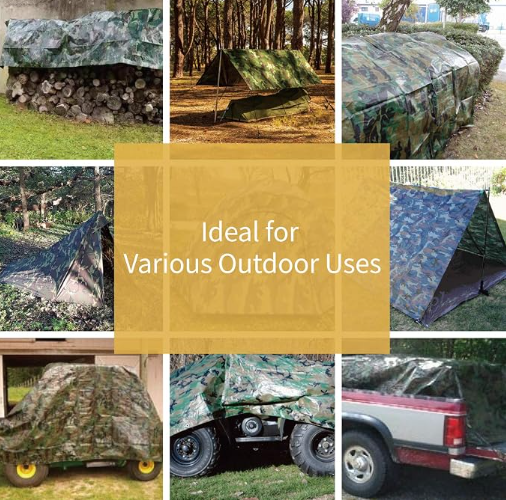
Agriculture is one of the sectors with the most widespread and diverse applications for tarps. A single tarp might be used for drying grain, covering hay, constructing greenhouses, protecting livestock, or shielding farm machinery—and each application demands different material properties, weights, and performance characteristics. The right choice makes the tarp a valuable asset in agricultural production; the wrong choice can lead to significant losses.
So, how exactly should you select tarps for agricultural use? Here are the key factors to consider.
A tarp's weight (measured in GSM—grams per square meter) directly determines its thickness, strength, and durability. Agricultural needs generally fall into three categories: light-duty, medium-duty, and heavy-duty:
Suitable for temporary covering, dust protection, and short-term rain protection. Examples include covering outdoor stockpiles of agricultural supplies or machinery, or serving as temporary dividers in planting areas. These tarps are lightweight and low-cost, making them ideal for seasonal replacement.
This is the most common range for agricultural use. Suitable for covering haystacks, temporary grain storage, and greenhouse shading screens. Medium-duty tarps strike a good balance between durability and price, typically lasting for 2–3 seasons.
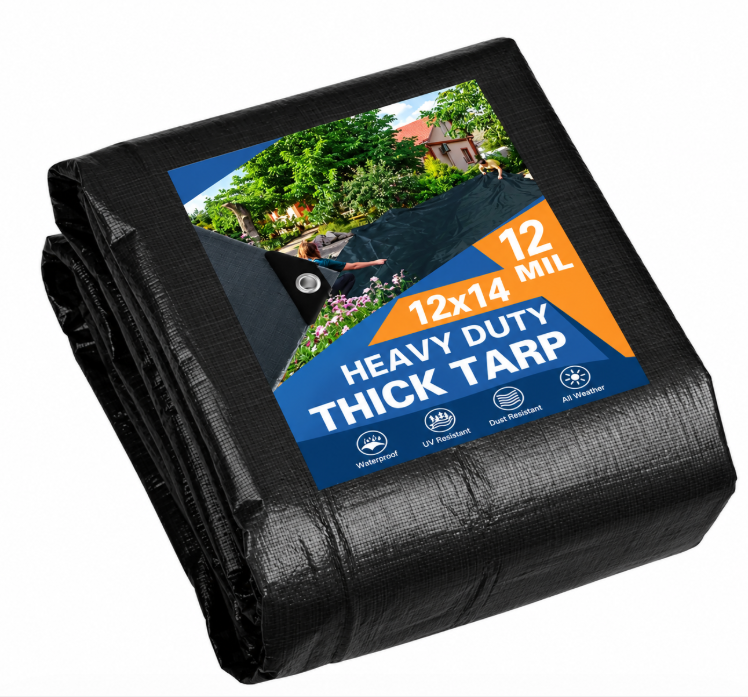
Suitable for long-term outdoor storage of haystacks and silage, covering large farm machinery, and fixed installations exposed to wind, snow, and intense sunlight. Heavy-duty tarps offer superior tear resistance and a longer lifespan, making them a sound long-term investment.
Different agricultural products have vastly different requirements for tarps:
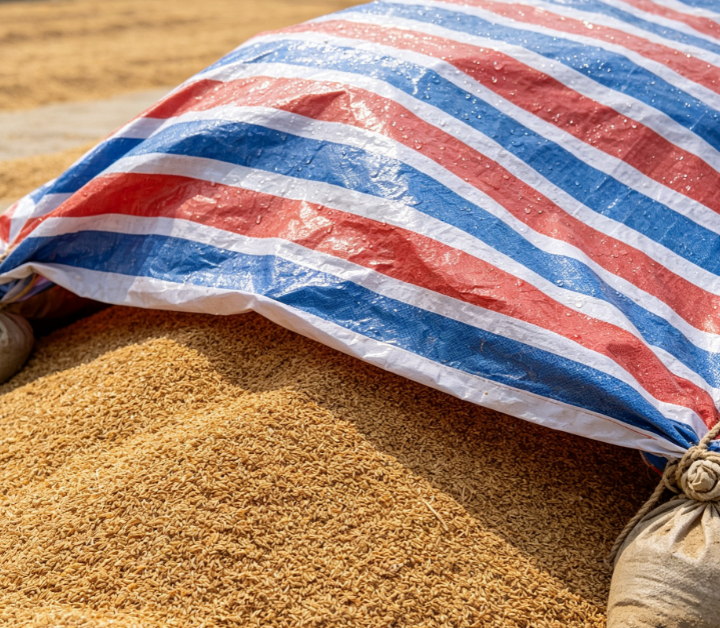
Requires tarps that allow high light transmission and are contaminant-free. White or light-colored PE tarps are recommended; their smooth surfaces make them easy to spread out and roll up, and they do not contaminate the grain.
Requires tarps that are completely waterproof and light-proof. Silage storage also demands excellent airtightness to prevent air ingress, which could cause fermentation failure. Dark-colored tarps (such as green or black) are common choices.
These require tarps with good light transmission and thermal insulation properties. Agricultural greenhouse films—which differ from standard tarps—typically require high light transmission and anti-drip capabilities; specialized agricultural films or transparent PE tarps are recommended.
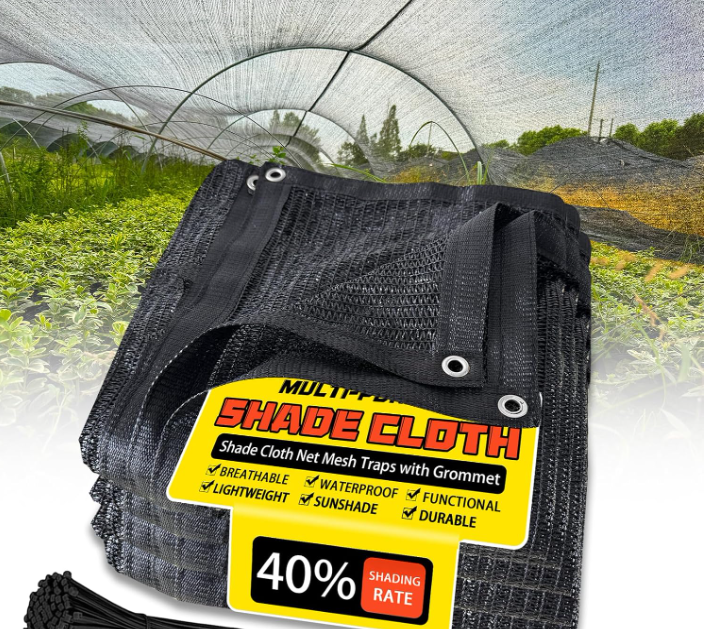
These applications require tarps with strong UV resistance for shading or bird protection. Mesh fabrics or colored insect-proof netting are usually preferred over heavy-duty solid tarps.
Beyond weight and intended use, there are two easily overlooked yet crucial details:
Agricultural applications almost always take place outdoors, exposing tarps to prolonged sunlight. Tarps without UV treatment can become brittle and crack within months, rendering them useless. When selecting a product, always verify that it contains UV stabilizers.
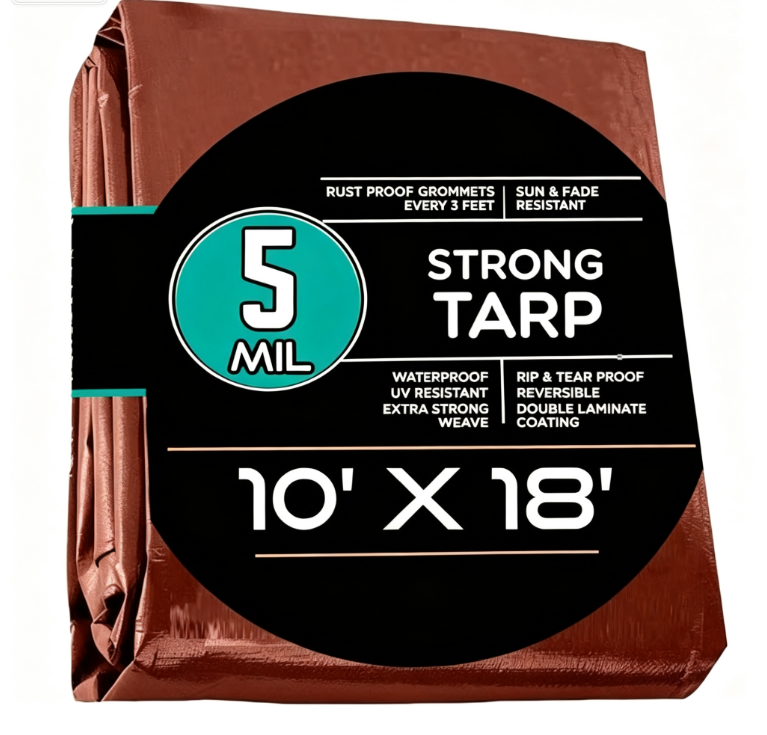
In agricultural settings, tarps are frequently pulled and dragged, making the edges the most vulnerable points. Choosing tarps with reinforced hems (such as heat-sealed edges or rope-reinforced hems) and rust-proof aluminum grommets effectively extends service life and facilitates secure fastening.
PE (polyethylene) tarps are the most common choice for agriculture due to their lightweight nature, flexibility, affordability, and good waterproof and UV-resistant properties. For long-term, fixed installations requiring higher strength and abrasion resistance, PVC (polyvinyl chloride) tarps are an option; however, PVC is heavier and more expensive, making it better suited for scenarios with a longer return-on-investment period.
When selecting agricultural tarps, there is no single "best" option—only the one "best suited" to your needs. The key is to make a choice based on the specific application, crop type, and expected duration of use. By first determining the purpose, then selecting the appropriate weight, and finally verifying UV treatment and edge construction, you can find the most cost-effective solution.
If you have specific requirements for agricultural tarps, please contact our sales team; we can provide professional selection advice and customized solutions tailored to your actual usage scenario.