









From Request to Finished Product: A Complete Breakdown of the Custom Tarpaulin Service Process
I. Basic Understanding of Custom Tarpaulin Services
1. What Are Custom Tarpaulin Services?
1.1. Service Definition
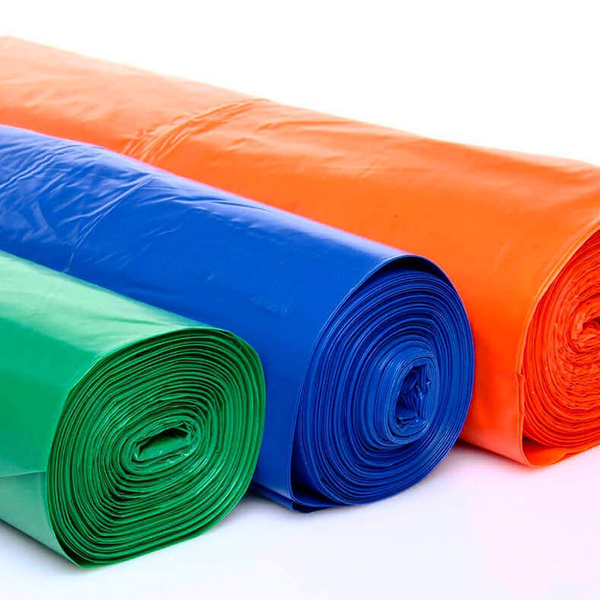
Custom tarpaulin services refer to the design and manufacture of non-standard tarpaulin products based on specific customer requirements. Compared to standardized tarpaulin products, custom tarpaulins can more precisely match the dimensions, shapes, and operating environments of the customer’s equipment, providing a more tailored protective solution.
1.2 Scope of Services
Custom tarpaulin services typically include the following: requirements discussion and analysis, solution design and quoting, sample production and approval, mass production and quality inspection, delivery, and after-sales support. Star Tarpaulin provides end-to-end custom tarpaulin services to ensure customers receive satisfactory products.
2. Applications for Custom Tarpaulins
2.1 Non-Standard Equipment Dimensions
When a customer’s equipment has non-standard dimensions and no off-the-shelf tarpaulin of the appropriate size is available, customization is the optimal solution. Custom tarpaulins precisely match the equipment’s dimensions, ensuring effective protection.
2.2. Complex Equipment Shapes
Some equipment has complex shapes (such as those with multiple protrusions, recesses, openings, etc.), making it difficult for standard tarps to provide complete coverage. In such cases, our customization service can design and manufacture specialized tarps tailored to the equipment’s shape.
2.3. Special Operating Environments
If a customer’s equipment needs to be used in special environments (such as chemical plants, coastal areas, or high-temperature workshops), which impose specific requirements on tarpaulin materials, custom services can also provide products that meet these needs.
II. The Complete Process for Custom Tarpaulin Production
1. Step 1: Communication and Confirmation of Requirements
1.1. Customer Inquiries
Customers can initiate an inquiry with a custom tarpaulin supplier via various methods, such as phone, email, or online customer service. During the inquiry, customers should describe their needs in as much detail as possible, including equipment dimensions, operating environment, protection requirements, and budget range.
1.2. Supplier Confirmation of Requirements
Upon receiving a customer inquiry, the supplier should listen carefully to the customer’s needs and proactively ask key questions to ensure a comprehensive understanding of the requirements. These questions may include: the specific dimensions of the equipment (length, width, height, special shapes, etc.); detailed information about the usage environment (indoor/outdoor, exposure to sun and rain, proximity to chemical plants, etc.); key protection requirements (waterproofing, dustproofing, UV protection, flame retardancy, etc.); expected service life; purchase quantity; and budget range.
2. Step 2: Design Proposal and Quotation
2.1. Contents of the Design Proposal
Based on the customer’s requirements, the supplier’s technical team should design a customized solution. The proposal typically includes: material selection and rationale; product structural design (dimensions, shape, opening locations, component selection, etc.); production process; quality inspection standards; and packaging and shipping plans.
2.2. Contents of the Quotation
Once the design proposal is finalized, the supplier should prepare a quotation based on the proposal’s contents. The quotation typically includes: product specifications and unit prices; types and quantities of materials required; production processes and labor hours; costs for accessories and packaging; shipping costs; total price and payment terms; and delivery lead time. Star Tarpaulin is committed to providing clients with transparent and reasonable quotations, and we never conceal costs or inflate prices.
3. Step 3: Sample Production and Approval
3.1. The Necessity of Sample Production
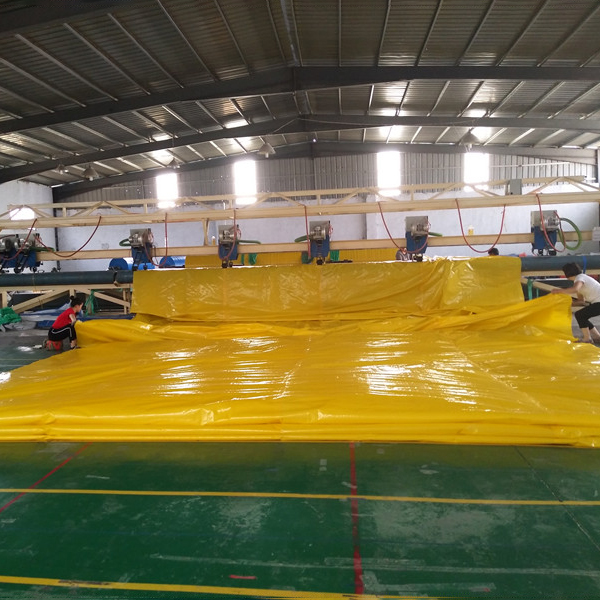
For first-time clients or cases involving complex customization requirements, it is usually necessary to produce a sample first. Samples help clients visually assess whether the design is reasonable, the product dimensions are accurate, and the material selection is appropriate.
3.2. Client Approval and Feedback
After the supplier delivers the finished sample to the client, the client should carefully inspect and test it. If any issues are found, the client should promptly provide feedback to the supplier so that modifications or adjustments can be made.
4. Step 4: Mass Production and Quality Inspection
4.1. Production Preparation
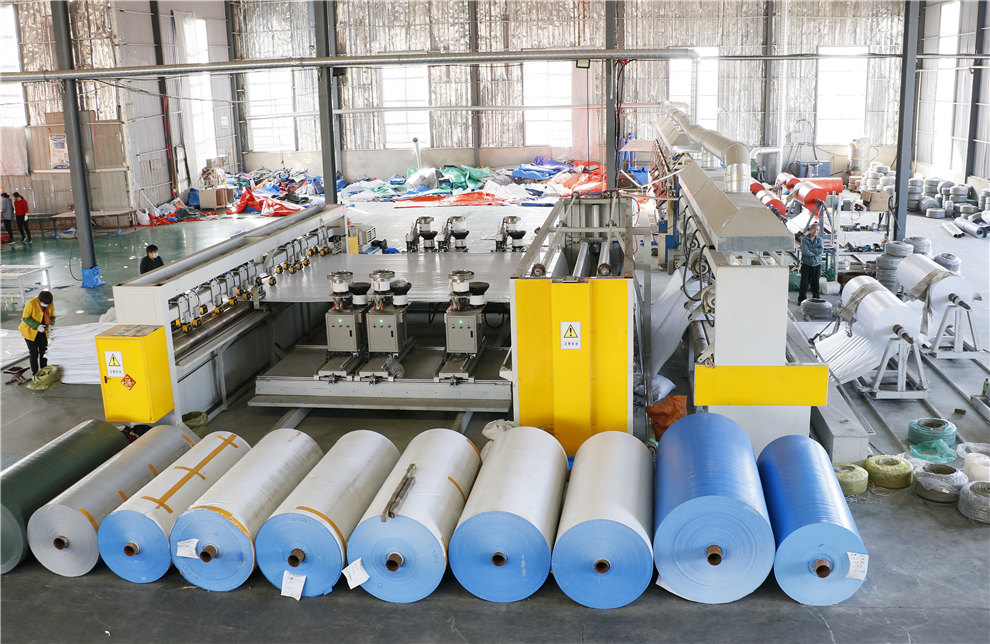
Once the samples have been approved, the supplier should begin preparing for mass production. Preparations typically include: procuring and inspecting raw materials based on the samples and design specifications; preparing and commissioning production equipment; and training operators to ensure they understand the process requirements and quality standards.
4.2. Production Process Control
During production, the supplier must implement strict process control. This includes: first-article inspection—a comprehensive inspection conducted immediately after the first batch of products comes off the line to ensure process parameters are set correctly; patrol inspection—quality control personnel conducting regular rounds during production to identify and promptly correct issues; and in-process self-inspection—operators conducting self-checks after completing their respective processes to prevent nonconforming products from advancing to the next stage.
4.3. Final Product Quality Inspection
Once all products are completed, a final quality inspection must be conducted. Inspection items typically include: dimensional accuracy; material quality and appearance; seam strength and waterproof performance; completeness and functionality of accessories; and compliance with packaging requirements.
5. Step Five: Delivery and After-Sales Support
5.1. Product Delivery
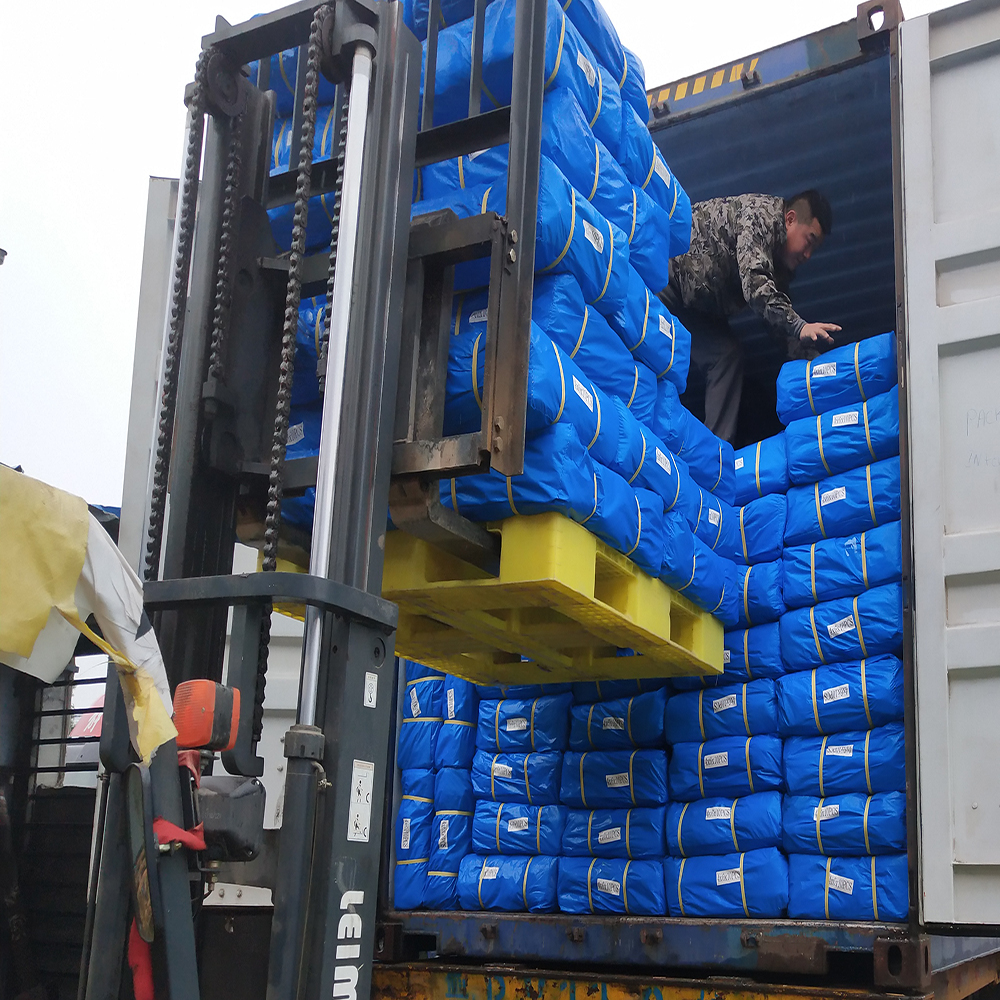
Products that pass quality inspection shall be packaged and delivered in accordance with customer requirements. Upon delivery, documents such as a certificate of conformity, user manual, and warranty card shall typically be included.
5.2. After-Sales Support Services
After product delivery, the supplier shall also provide after-sales support services. These include: guidance on product use; resolution of quality issues; supply of spare parts; and recommendations for product maintenance and upkeep.