
Disaster Relief Agencies Highlight Tarpaulin as Critical Lifeline in Global Crises
July 30, 2025–As climate-related disasters surge globally–with UN reports indicating a 40% increase in major weather emergencies over the past decade–humanitarian organizations are urgently emphasizing the irreplaceable role of reinforced tarpaulins in immediate emergency response. These versatile blue sheets provide not just basic shelter, but essential dignity, security, and protection for millions suddenly displaced by floods, storms, wildfires, and conflicts, often within the first critical hours after catastrophe strikes.
"In the first 72 hours after a disaster, rapid deployment of tarps can mean the difference between life and death," states Elena Rodriguez, Logistics Director at Global Aid Partners. "They create instant waterproof shelters, protect surviving medical supplies from contamination, cover damaged roofs to prevent further collapse, and can even be shaped into emergency water collection funnels. It's often the first tangible help communities receive."
Modern emergency tarps are precision-engineered for speed and resilience:
- Ultra-lightweight designs (under 3kg) enable air-dropping into inaccessible or flooded areas.
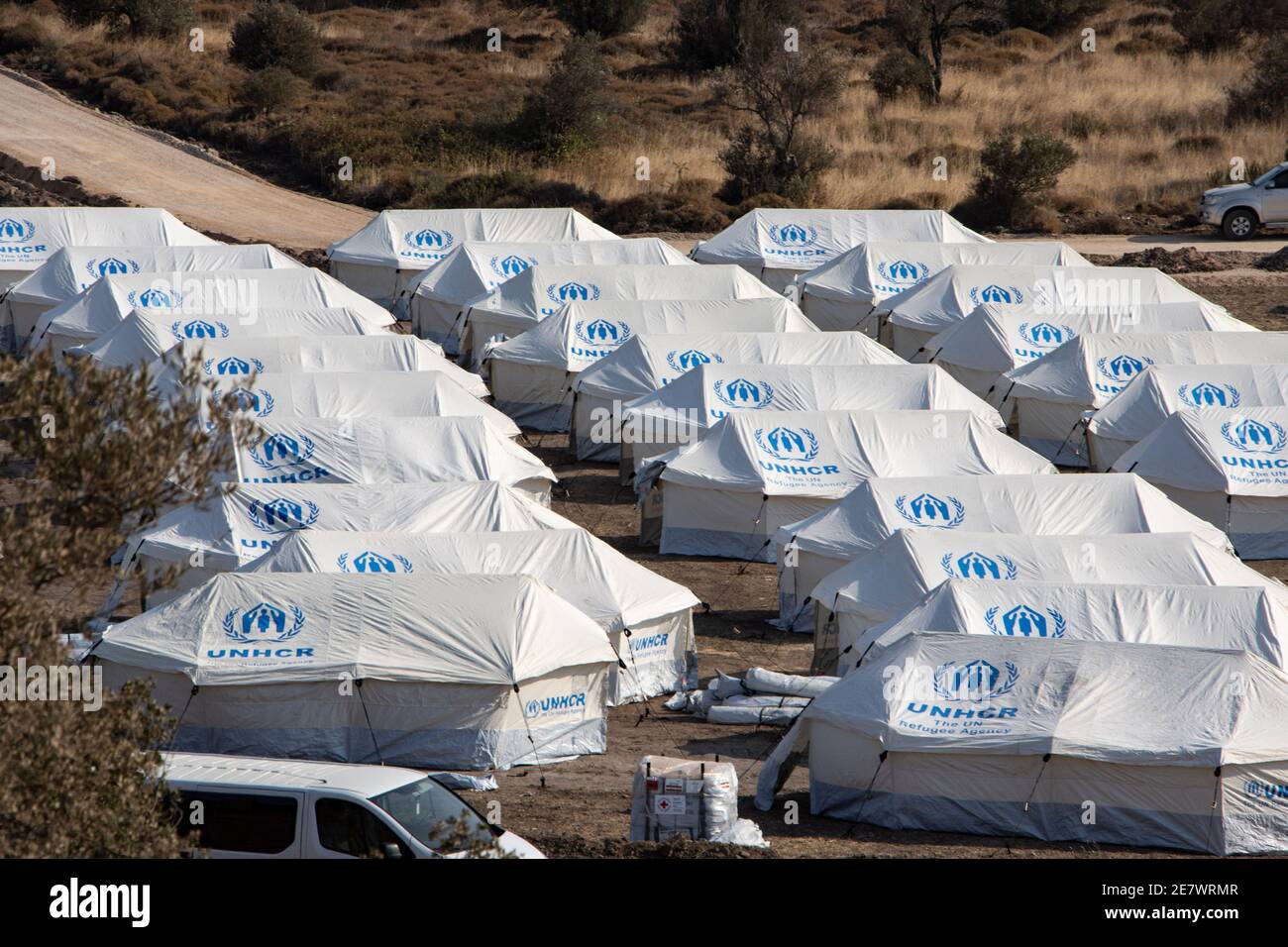
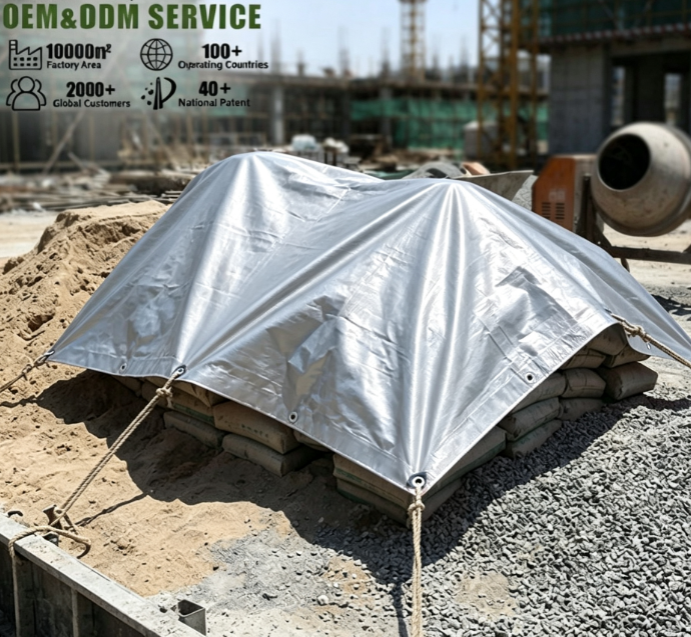
- Silver-coated variants dramatically reflect heat, reducing interior temperatures by up to 10°C in overcrowded refugee camps–a crucial defense against heatstroke.
- Modular grommet systems allow swift lashing together into large communal shelters, clinics, or school tents.
- Bio-safe, germ-resistant materials prevent disease spread in contaminated flood zones.
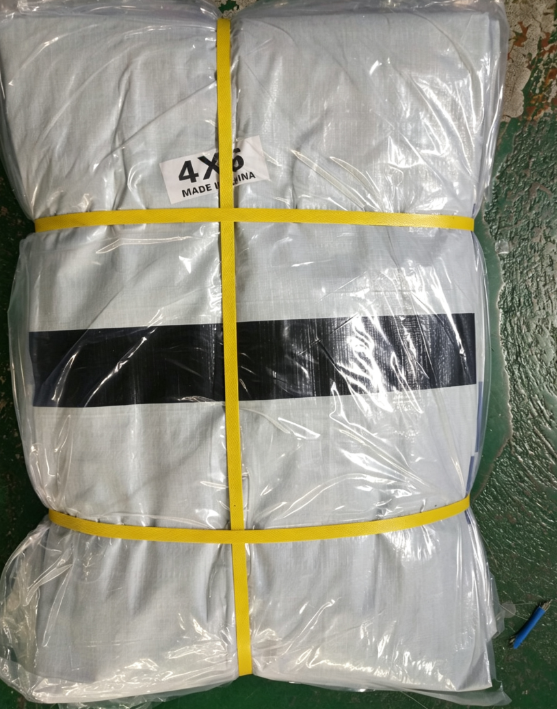
Major manufacturers like ShelterTek and DuraShield now maintain massive, pre-positioned global stockpiles. Their standardized 4m x 5m kits include ropes, repair patches, and pictogram instructions usable by anyone. "When Typhoon Mara devastated the Philippines last month, we delivered 100,000 tarps via airlift within 48 hours," notes ShelterTek’s CEO David Chen. "Similarly, during the East African floods, our tarps reached families stranded on rooftops by boat. Our focus is extreme durability–one tarp often shelters a family for 18+ months during the slow recovery phase, becoming their core protection."
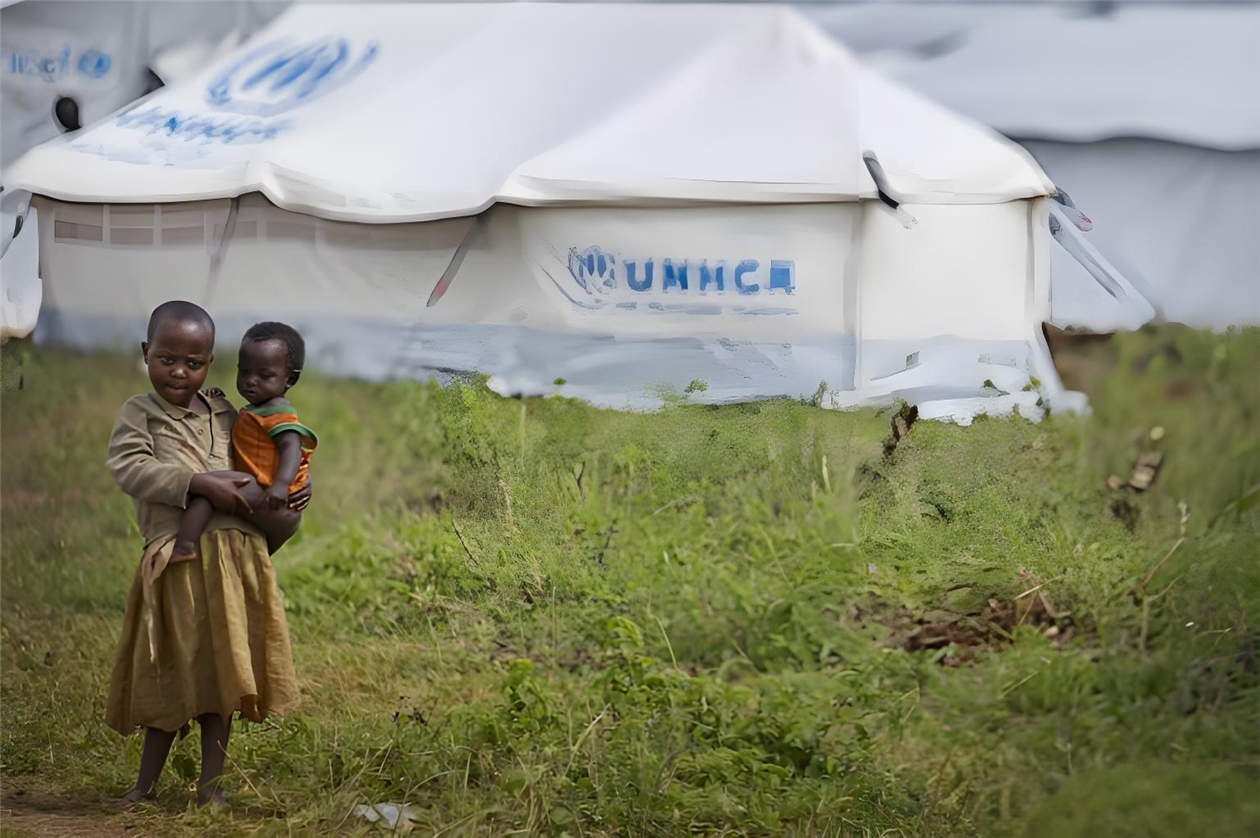
Continuous innovation aims to increase value: solar-integrated tarps generate power for phone charging and medical devices, while advanced antimicrobial treatments significantly reduce cholera and dengue risks in stagnant water zones. Despite drones and high-tech shelters being tested, field workers overwhelmingly confirm the humble tarpaulin remains unmatched for rapid, massive-scale deployment where roads, ports, and airports are destroyed.
"Beyond practicality, tarps symbolize that first glimmer of hope," Rodriguez adds. "I've seen families weep with relief when they arrive. Under that simple blue plastic, children find safety, parents make plans, and communities begin the long, hard work of rebuilding their lives from scratch."