



Answers to Six Common Questions About Custom Tarpaulin
I. Basic Issues in Custom Tarpaulin Manufacturing
1. What Is Custom Tarpaulin Manufacturing?
1.1. Issue Analysis
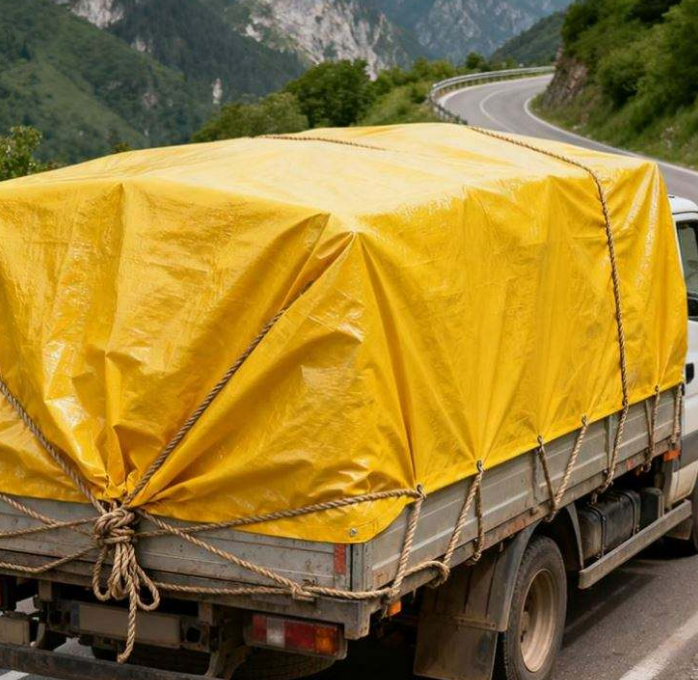
Custom tarpaulin manufacturing refers to the design and production of non-standard tarpaulin products based on specific customer requirements. Compared to standardized tarpaulin products, custom tarpaulins can more precisely match the dimensions, shapes, and operating environments of customers’ equipment, providing a more tailored protective solution.
1.2. Applicable Scenarios
Custom tarpaulins are suitable for the following scenarios: equipment with non-standard dimensions for which no appropriately sized standard tarpaulin is available; equipment with complex shapes that standard tarpaulins cannot fully cover; special operating environments with specific requirements for tarpaulin materials; and situations requiring the printing of corporate logos or special patterns.
2. What Is the Basic Process for Custom Tarpaulins?
2.1. Needs Analysis
The process for custom tarpaulins typically includes the following steps: requirements discussion, solution design, sample approval, mass production, quality inspection, and delivery acceptance. Among these, the requirements discussion is a crucial first step; only by fully understanding the customer’s needs can a suitable custom solution be designed.
2.2. Star Tarpaulin’s Customization Services
As a professional manufacturer with 20 years of industry experience, Star Tarpaulin offers comprehensive tarpaulin customization services. From needs analysis and solution design to production and quality inspection, every step is strictly controlled to ensure the delivery of products that meet customer satisfaction.
II. Material and Manufacturing Considerations for Custom Tarps
3. How Should Tarpaulin Materials Be Selected?
3.1. Analysis of the Issue
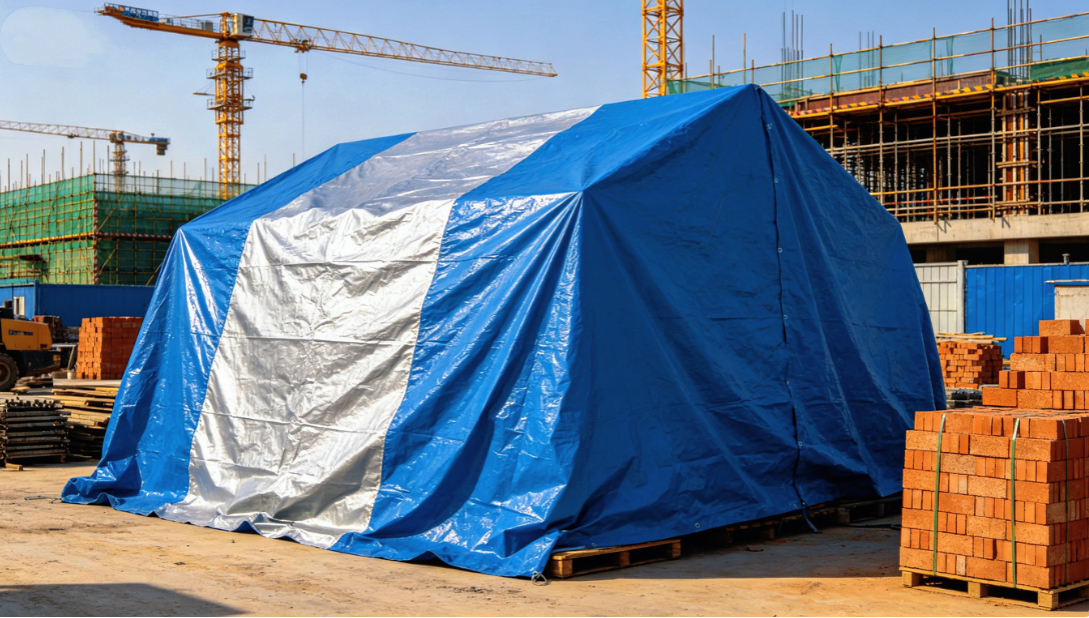
The selection of tarpaulin materials requires a comprehensive consideration of factors such as the application scenario, protection requirements, and budget. For example, for long-term outdoor use, PVC mesh-reinforced fabric with good weather resistance should be prioritized; for short-term, temporary use, lower-cost PE woven fabric can be selected; for applications requiring flame-retardant properties, flame-retardant-grade PVC material should be selected.
3.2. Expert Advice
Technical experts at Star Tarpaulin recommend that when selecting tarpaulin materials, priority should be given to meeting core protection requirements before considering cost factors. At the same time, attention should be paid to the material’s environmental performance, giving priority to materials that comply with international certifications such as REACH and RoHS.
4. How Is the Manufacturing Quality of Tarpaulins Ensured?
4.1. Issue Analysis
The manufacturing quality of tarpaulins directly impacts their protective effectiveness and service life. Key manufacturing steps include cutting precision, welding or stitching strength, hardware quality, and edge finishing. Only by strictly controlling every step can high-quality tarpaulin products be produced.
4.2. Quality Assurance Measures
High-quality custom tarpaulin suppliers typically establish strict quality management systems, such as obtaining ISO 9001 certification. During the production process, they implement multiple inspection procedures—including first-piece inspection, in-process inspection, and final inspection—to ensure product quality meets requirements.
III. Cost and Delivery Issues for Custom Tarpaulins
5. How Is the Cost of Custom Tarpaulins Calculated?
5.1. Analysis of the Issue
The cost of custom tarpaulins typically includes material costs, manufacturing costs, design costs, and shipping costs. Among these, material and manufacturing costs account for the largest portion. Factors such as order quantity, size, material selection, and manufacturing complexity all significantly impact the final quote.
5.2. Cost Control Recommendations
To control costs while meeting requirements, consider the following strategies: Select materials judiciously; there is no need to blindly pursue the highest specifications; Increase the order quantity appropriately to spread out mold and design costs; Select experienced suppliers with proven manufacturing processes to reduce rework and scrap costs.
6. What is the typical lead time for custom tarps?
6.1. Analysis
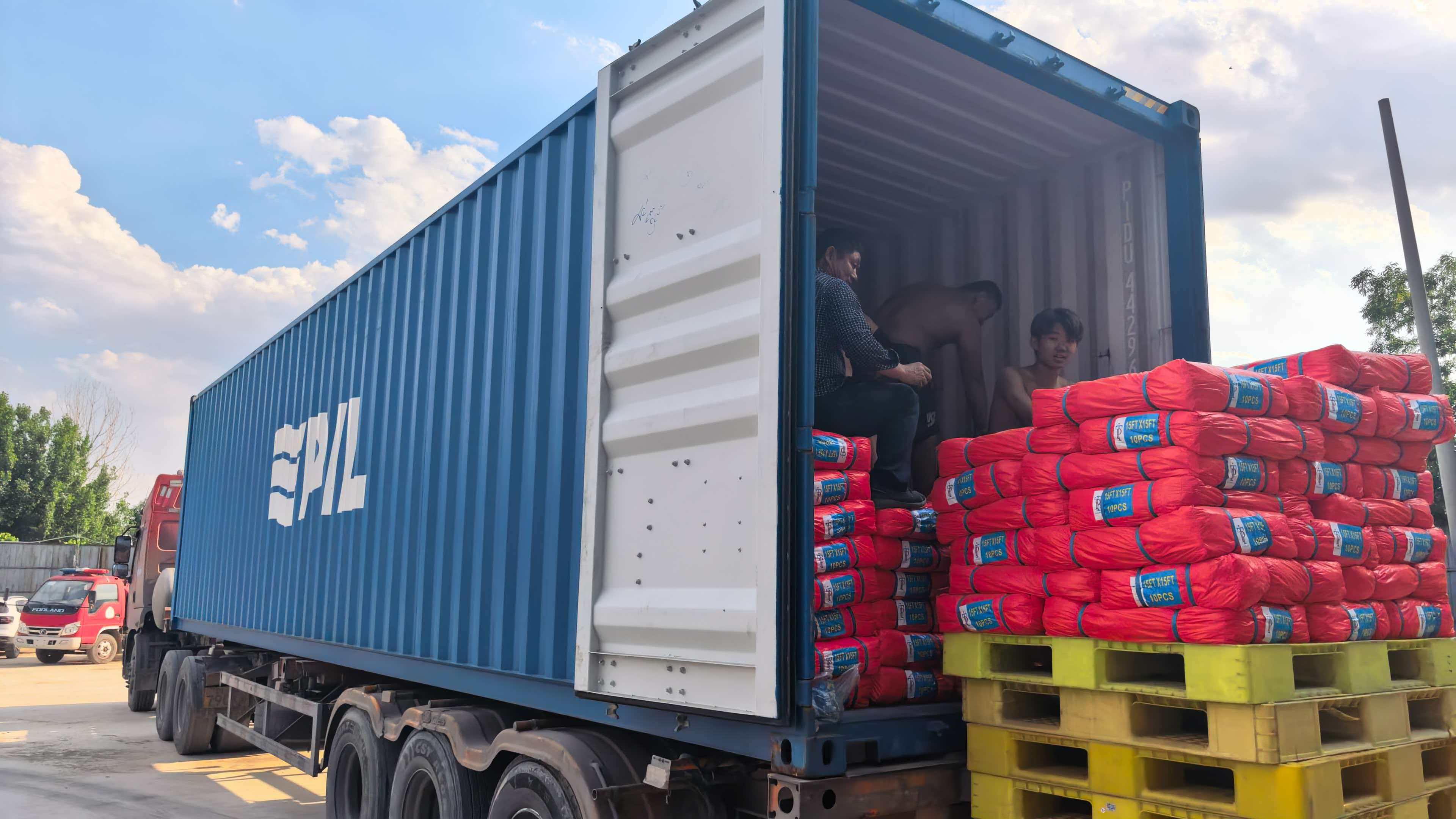
The lead time for custom tarps is influenced by various factors, including order quantity, size, manufacturing complexity, and the supplier’s production capacity. Generally, small-batch orders may take 7–15 days; while large-volume orders may take 15–30 days or even longer.
6.2. Expedited Service
For urgent needs, some suppliers can offer expedited service to shorten the lead time. However, expedited service typically incurs additional fees and is subject to certain restrictions regarding order quantity and production complexity.

Conclusion
Custom tarpaulin manufacturing is a highly specialized service that requires thorough communication and close collaboration between the customer and the supplier to achieve satisfactory results. When selecting a custom tarpaulin service, it is essential to carefully evaluate the supplier’s technical capabilities, production experience, quality assurance capabilities, and after-sales service standards. As a global expert in tarpaulin and sail equipment manufacturing and solutions, Star Tarpaulin remains committed to providing customers with high-quality custom tarpaulin services.