
A New Guardian for an Old Industry: Innovative Applications of Tarpaulins in Traditional Industries
I. The Importance of Tarps in Traditional Industries
1. Characteristics of Protection Needs in Traditional Industries
1.1. High Proportion of Outdoor Work
Traditional industries, such as agriculture, construction, mining, and manufacturing, are typically characterized by a high proportion of outdoor work. In these industries, many raw materials, semi-finished products, finished goods, and equipment must be stored or transported outdoors, where they are exposed to natural elements such as sunlight, rain, wind, and sand.
1.2. High-Value Equipment and Materials
Much of the equipment and materials used in traditional industries are highly valuable; if damaged due to inadequate protection, they can result in significant economic losses. For example, combine harvesters in agriculture, cement and rebar in the construction industry, and large-scale mining equipment in the mining industry all require reliable protection against rain and moisture.
2. Advantages of Tarpaulin Protection
2.1. Relatively Low Cost
Compared to constructing permanent protective facilities (such as warehouses or sheds), using tarpaulins for protection is much more cost-effective. Tarpaulins are reusable, easy to transport and install, and can significantly reduce protection costs.
2.2. High Flexibility
Tarps offer excellent flexibility and adaptability, allowing them to be wrapped around objects according to their specific shapes. For equipment or materials with irregular shapes, tarps are often the most convenient and economical protection option.
II. Case Study 1: Applications in the Agricultural Industry
1. Case Background and Protection Requirements
1.1. Project Overview
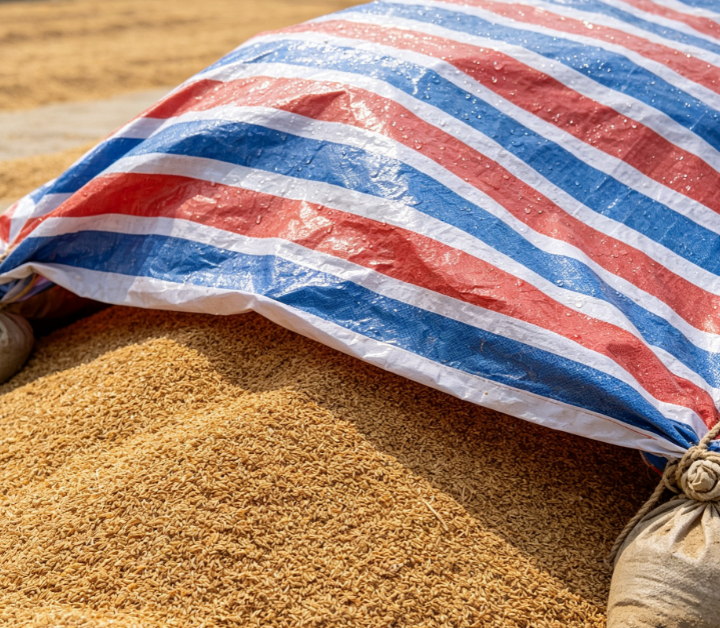
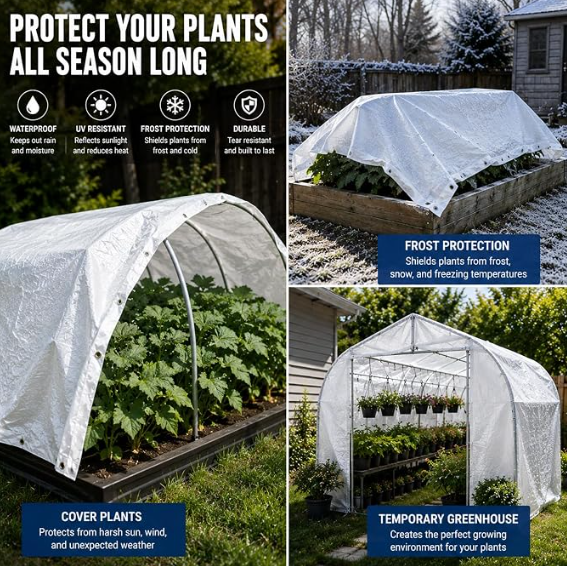
A large farm with several thousand mu of farmland needs to purchase and store large quantities of agricultural supplies—such as chemical fertilizers, seeds, and pesticides—each year. These supplies have strict requirements for protection against moisture and rain; if they become damp, it may affect fertilizer efficacy, germination rates, or pesticide effectiveness.
1.2 Analysis of Protection Needs
The farm’s agricultural supplies are typically stored outdoors for several weeks or even months. During this period, it is essential to prevent rainwater and moisture from penetrating the packaging. After comparing various options, the farm owner ultimately selected tarps as the primary protective measure.
2. Tarpaulin Protection Plan and Implementation
2.1. Plan Design
Based on the farm’s actual conditions, the tarpaulin protection plan includes: selecting high-quality HDPE tarpaulins; choosing tarpaulins of appropriate sizes based on the stacking area and height; designing reasonable covering and securing methods; and establishing a regular inspection and maintenance system.
2.2 Implementation Process
Farm workers first cleared the ground in the storage area to ensure there were no sharp objects. Next, they neatly stacked the agricultural supplies and covered them with the tarps. When covering the supplies, they ensured the tarps completely covered all materials and left sufficient excess material around the edges for securing. Finally, they securely fastened the tarps to the ground using ropes and ground stakes.
3.1. Evaluation of Protective Effectiveness
After withstanding a full rainy season, the farm’s agricultural supplies remained in good condition. The chemical fertilizers did not absorb moisture or clump together, the seeds did not mold or spoil, and the pesticides did not degrade or lose their effectiveness. The farm owner expressed great satisfaction with the protective effectiveness of the tarps.
3.2 Lessons Learned
The key factors contributing to the success of this case include: selecting high-quality tarps; proper installation and securing methods; and regular inspection and maintenance. In particular, promptly checking the tarp’s fastenings after heavy rain or strong winds and immediately reinforcing any loose sections is crucial to ensuring effective protection.
III. Case Study 2: Applications in the Construction Industry
1. Case Background and Protection Requirements
1.1. Project Overview
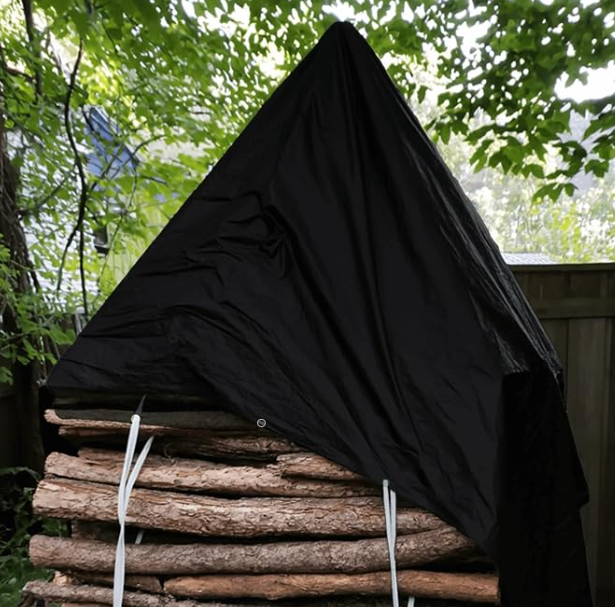
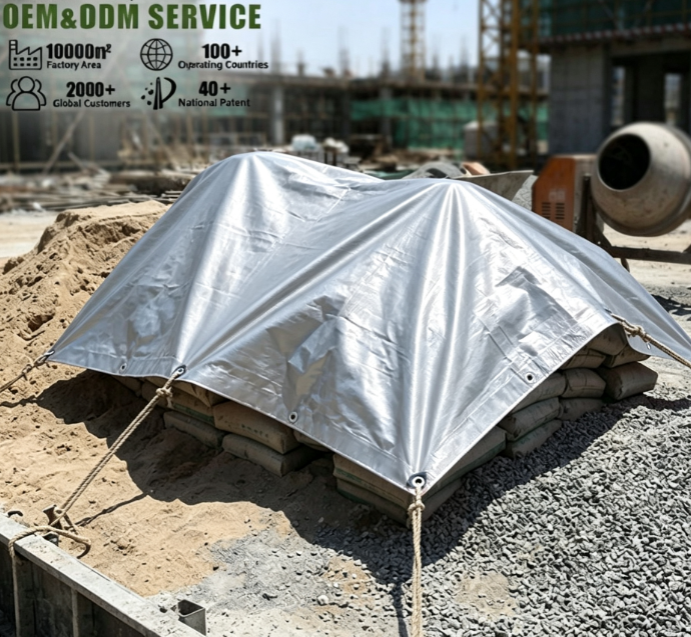
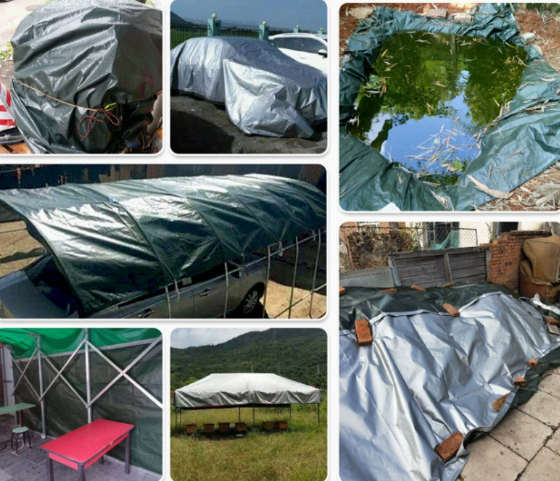
A construction site needed to store large quantities of building materials—such as cement, rebar, and lumber—outdoors for several months. These materials have strict requirements for protection against moisture and rain. For example, cement clumps and becomes unusable when exposed to moisture; rebar rusts and corrodes; and lumber develops mold and warps when exposed to moisture.
1.2 Analysis of Protection Requirements
Construction sites have complex environments; material storage areas may be uneven and may contain sharp objects. Therefore, the tarps must meet high standards for strength and abrasion resistance. Additionally, due to the frequent movement of personnel and vehicles on the site, the tarps may be accidentally torn, so they must be easy to inspect and repair.
2. Tarpaulin Protection Plan and Implementation
2.1. Plan Design
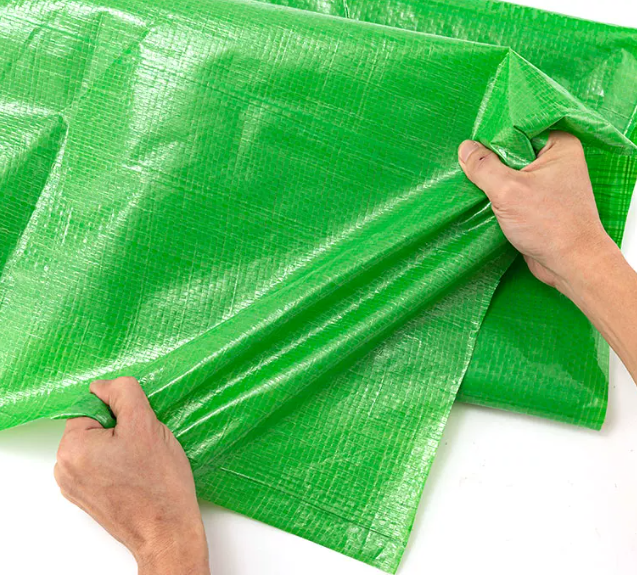
Based on the actual conditions of the construction site, the tarpaulin protection plan includes: selecting high-strength PE mesh-reinforced tarpaulins; laying a protective layer in the material storage area to prevent moisture from rising from the ground; designing a covering method that facilitates inspection and access to materials; and preparing repair materials and tools to promptly repair any damage.
2.2 Implementation Process
Construction workers first laid a plastic underlayment in the material storage area, then stacked the building materials on top of it. Once stacking was complete, the materials were covered with the tarps. To facilitate access to the materials, the tarps were not completely sealed; instead, an opening mechanism was incorporated into the covering design.
3. Protective Effectiveness and Lessons Learned
3.1. Evaluation of Protective Effectiveness
After several months of outdoor storage, the construction materials at this site remained in good condition. The cement did not absorb moisture or clump, the rebar did not suffer severe rusting, and the lumber did not develop mold or warp. The project manager acknowledged the protective effectiveness of the tarps.
3.2. Lessons Learned
The key factors contributing to the success of this case study include: selecting high-strength tarpaulins; laying a base layer in the storage area; designing a covering method that facilitates easy access; and promptly repairing any damage. Tarpaulins manufactured by StarTarpaulin have performed exceptionally well in construction site protection due to their superior strength and abrasion resistance.