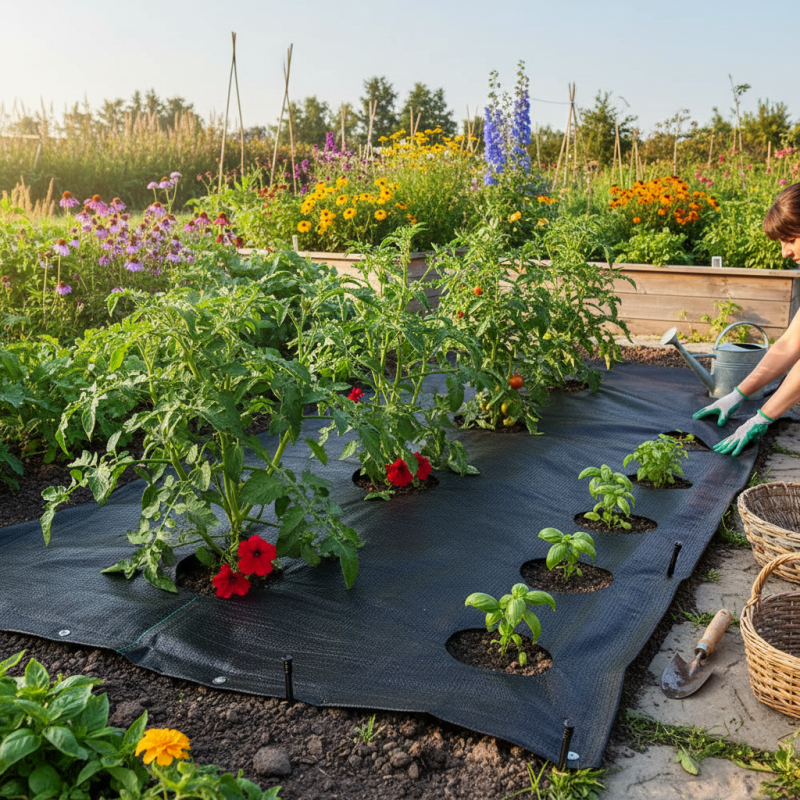
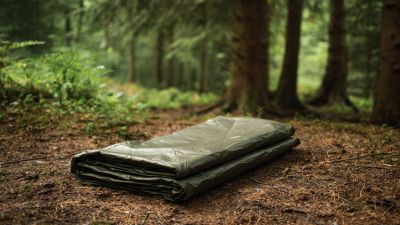
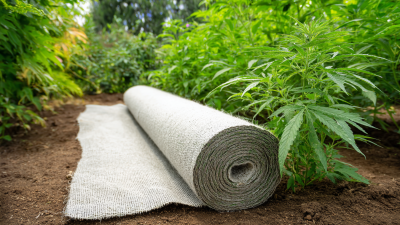
Making a beautiful garden isn't just about planting pretty flowers and veggies – it takes some planning and a little effort, you know? One trick that I’ve found pretty handy is using Weed Block Fabric. It’s great because it keeps those stubborn weeds at bay, but still lets water and nutrients squeeze through to the soil. Honestly, a lot of gardeners struggle with persistent weeds—they just keep popping up and competing with your plants, making it harder for your favorites to thrive.
Installing Weed Block Fabric is usually pretty straightforward, and it’s available in all sorts of sizes, so whether you’ve got a tiny backyard or a big sprawling garden, it can work for you. Just make sure you lay it down properly—tucked in well—and check those edges regularly. Sometimes, weeds sneak in if you’re not careful. Even seasoned gardeners have trouble keeping everything in check, especially if they’re using things like a Weed Tarp.
Don’t be afraid to experiment with different layout setups—sometimes what works in one spot might not in another. Paying close attention to how your garden responds is super important. Reflecting on what’s working and what’s not can help you improve your approach down the line. Remember, a lush, vibrant garden is a living, breathing space—it needs ongoing care and tweaks here and there. So, enjoy the process! Gardening is a journey, and tools like Weed Block Fabric can really be a game-changer for your landscape efforts.
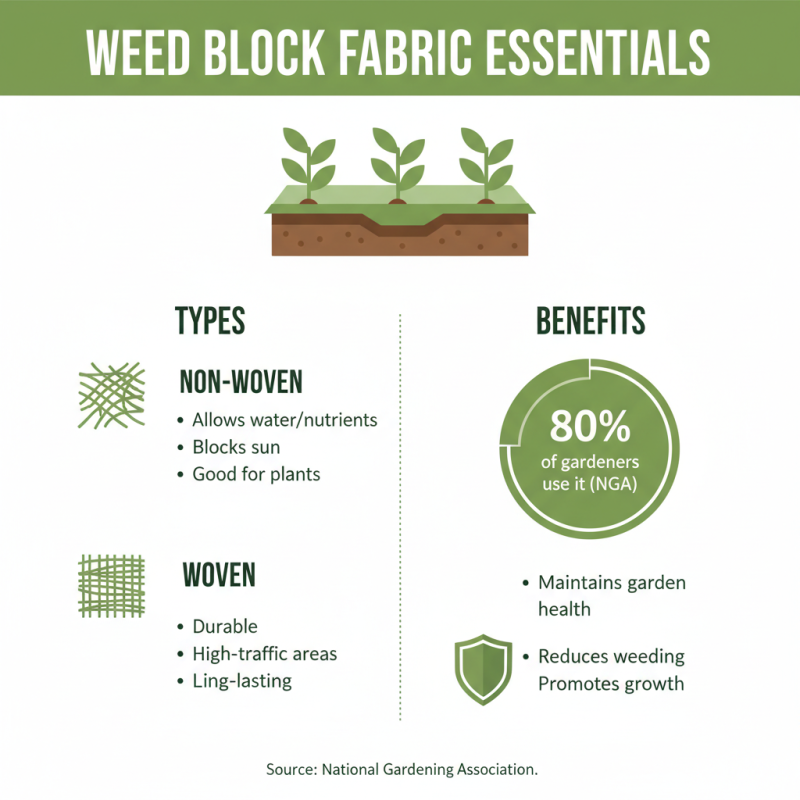
Weed block fabric is essential for creating a thriving garden. This material comes in various types, each suited for different gardening needs. Non-woven fabrics are popular for their ability to allow water and nutrients to pass through while blocking sunlight. Woven fabrics offer durability, making them ideal for high-traffic areas. According to the National Gardening Association, about 80% of gardeners use some form of weed barrier. This statistic highlights the effectiveness of weed block fabric in maintaining garden health.
When choosing a weed block fabric, consider the thickness and weave density. A thicker fabric can resist tearing and will last longer. Aim for a Fabric Tarp that is at least 3 ounces per square yard for optimal durability. You might face issues with laying the fabric correctly, leading to gaps where weeds can grow. Be mindful of this while installing. Over time, some fabrics may degrade due to sunlight exposure, which requires regular inspection.
Tips: Before laying your weed block fabric, clear all existing weeds. This prevents future growth underneath the fabric. Additionally, consider using mulch on top of the fabric. This layer can enhance moisture retention and improve aesthetics. Regular checks and maintenance are crucial. Reflect on any neglected areas that may need attention.
Choosing the right weed block fabric for your garden can be crucial for its success. Start by considering the material. Some fabrics are made from woven polypropylene, while others are made from natural jute or burlap. Each type has its pros and cons. The polypropylene fabric is durable and lasts longer but is less eco-friendly. Natural options can break down over time but may require more frequent replacement.
Next, think about the fabric's weight and thickness. Light fabrics may let some weed seeds pass through. Heavier options can block more light but might be harder to cut and shape. It's essential to find a balance that suits your garden's needs. Some gardeners find using a combination works best. Reflect on your climate and soil as well. Moist areas may require more breathable fabrics to avoid trapped moisture.
Don’t forget about the fabric's permeability. Ensure it allows water and air to reach the soil. This is vital for healthy plant growth. Test different fabrics in small sections of your garden. Assess how well they perform over a few seasons. Learning from these trials can lead to better choices in the future. Remember, no fabric is perfect; the right one is out there with some experimenting.
Preparing your garden soil for weed block installation is crucial for a successful, lush garden. Soil preparation begins with removing existing weeds, which can compete with your plants for nutrients and water. A study indicated that proper weed management can increase plant yield by up to 30%. After weeding, it is essential to till the soil to a depth of at least 6 inches. This aerates the soil, making it easier for roots to establish themselves.
Once the soil is tilled, you might want to consider adding organic matter. Compost or aged manure enriches the soil with nutrients. The addition of organic materials can improve soil structure, benefiting water retention and root growth. Soil pH testing can also help plant selection. Many gardeners overlook this step, but it affects nutrient availability directly.
After these preparations, laying down weed block fabric can effectively suppress further weed growth. Tarpaulin Fabric is an excellent option for those wanting durability. A study found that using high-quality fabric can reduce weed growth by up to 90%. While installation seems straightforward, ensure the fabric is securely anchored and overlaps edges well to prevent weeds from sneaking through gaps. Misalignment can be a frustrating setback during planting.
This chart illustrates the effectiveness of weed block fabric in reducing weed growth across various soil types. Sandy loam soil shows the highest reduction at 75%, while clay soil has a more modest reduction of 50%. Peat soil proves to be the most effective among the tested types, achieving an 80% reduction.
Weed block fabric is a helpful tool for garden lovers. It minimizes competition from unwanted plants. To achieve the best results, proper installation is key.
Start by preparing the garden bed. Clear away any existing weeds and debris. Ensure the soil is even and loose. Lay the weed block fabric over the area you want to protect. Trim it to fit the space. There should be a little excess for better coverage.
Secure the fabric with stakes or landscape pins. This step may seem minor, but it makes a difference. If the fabric shifts, it won’t perform well. Cut holes for your plants. Some may advise large openings, but smaller cuts can also work. Remember, it's a balance. The goal is to block weeds, but keep airflow. This process might require adjustments. Observe your garden regularly and adapt as necessary. Each garden is unique, and what works best will vary.
Maintaining weed block fabric is crucial for a thriving garden. Regular inspection can increase its effectiveness. Research shows that gardens with well-maintained fabric report 30% fewer weeds. This can lead to healthier plants and reduced competition for nutrients.
Cleaning the fabric at least twice a season is essential. Debris accumulation can hinder water penetration. A layer of mulch can protect the fabric from UV damage. Data indicates that using mulch can extend the life of weed barrier materials, such as Pvc Tarpaulin Fabric, by 20%. Proper maintenance enhances drainage, ensuring that water reaches plant roots.
Repairs are often needed. Tears or punctures reduce efficiency. Patch those areas promptly to avoid weed resurgence. Some gardeners neglect this step, leading to larger issues later. Consider that proactive maintenance may require time, but it yields richer soil and better yields. Investing in proper care can result in a more vibrant garden.
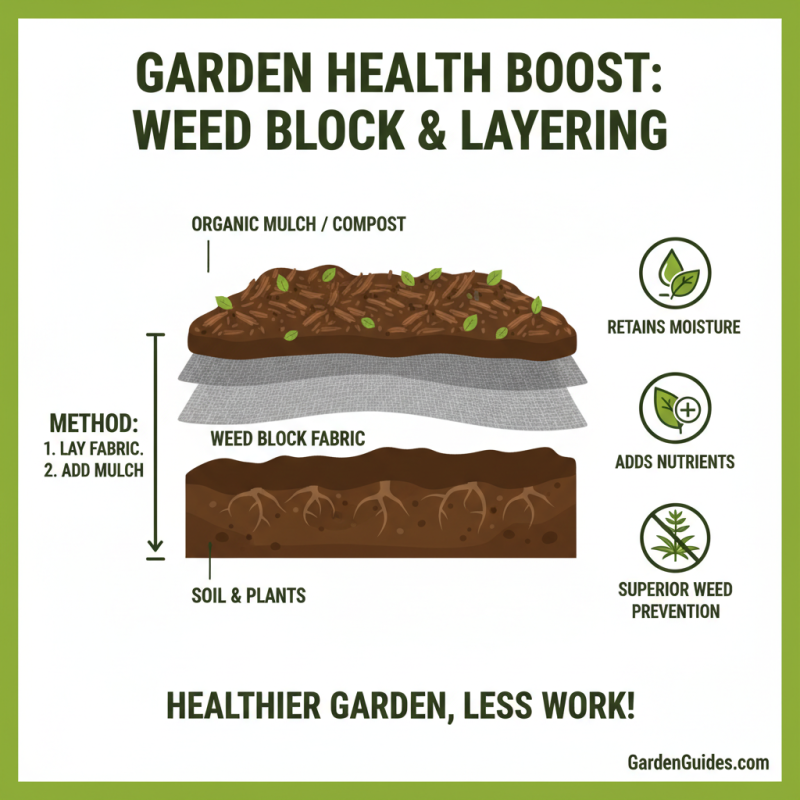
Using weed block fabric can significantly improve your garden's health. However, combining it with other gardening techniques amplifies its benefits. One effective method is layering. Place the fabric under mulch or organic matter. This helps retain moisture and adds nutrients. The combination prevents weeds more effectively.
Tips: Always ensure the fabric is properly anchored. Loose edges can allow invasive plants to creep in. Regularly check for any gaps or tears.
Consider crop rotation as well. After using weed block, change your planting strategy annually. This minimizes pests and enriches soil health. Getting creative, try companion planting. Certain plants can naturally repel weeds and pests. Their roots can strengthen the area’s overall ecosystem, making your gardening journey more rewarding.
Unexpected challenges will arise. Sometimes, the fabric can restrict natural soil nutrients. Reflect on your gardening methods and adjust as necessary. Remember, gardening is about learning and adaptation.
When using weed block fabric, issues may arise. One common problem is how to properly secure the edges. If the fabric lifts, weeds can creep in. Make sure to use landscape staples or heavy rocks along the perimeter. This helps reduce gaps that allow weeds to flourish.
Another issue is water drainage. While the fabric blocks weeds, it can also trap water. If too much moisture builds up, it can harm plants. Consider adding small drainage holes or slopes in your garden beds. This will promote healthier plant growth.
Over time, the fabric may tear or degrade. Inspect it regularly. If you notice wear and tear, replace the damaged sections promptly. Using a quality Tarpaulin Fabric Roll can improve durability, ensuring better long-term results. Also, remember that some weeds can grow through the fabric, so regular maintenance is essential.
: The content aims to provide useful information clearly. It helps readers understand the topic easily.
Results may vary. Some people notice changes within weeks, while others take longer to see effects.
Potential side effects exist. Personal experiences differ widely. It's important to monitor your reactions closely.
Begin with small steps. Adjust gradually based on your comfort level. Reflection on progress is essential.
Generally, yes. Daily use is often recommended, but listen to your body. Overdoing it may lead to issues.
It’s wise to consult with a knowledgeable individual. Addressing your worries can lead to better choices.
This may not suit everyone. Personal circumstances and preferences matter. Consider what works best for you.
Special equipment is often not necessary. Some tools may enhance the experience, but alternatives exist.
Keep a journal or log. Documenting your journey can reveal patterns and motivate change.
Not seeing improvements can be frustrating. Reflect on your approach and consider adjustments for better results.
Weed Block Fabric is an essential tool for creating a lush and healthy garden by preventing unwanted weeds from overtaking your plants. Understanding the different types and features of weed block fabric helps gardeners select the most suitable option for their specific garden requirements. Proper preparation of garden soil is crucial before installation, as this ensures better performance and longevity of the fabric.
Once installed, maintaining the weed block fabric is necessary for optimal results, which involves regular checks and potential adjustments to maximize effectiveness. Additionally, combining weed block fabric with other gardening techniques can enhance its advantages, while troubleshooting common issues ensures that the fabric remains beneficial. By following these guidelines, gardeners can effectively utilize weed block fabric to promote vibrant and thriving gardens.