Polyethylene tarps are pretty much a staple in many industries these days, thanks to their toughness and versatility. You’ve probably seen them used everywhere — they’re reliable for keeping things dry and can handle all kinds of situations. According to a report from Grand View Research, the worldwide market for tarps could hit around 1.12 billion dollars by 2025. That’s mainly because sectors like construction, farming, and camping are using them more and more. What makes polyethylene tarps so awesome is their waterproof nature and UV resistance, making them perfect for quick shelters, covering up equipment, or laying down ground sheets.
In farming, for example, these tarps are super important for protecting soil and crops, which helps farmers get better yields and healthier plants. The American Society of Agricultural and Biological Engineers points out how crucial good cover materials are for keeping moisture in during planting. On the construction side of things, polyethylene tarps are just about your best friend — they shield building sites from rain and wind, so projects stay on schedule and materials stay dry. As industries keep evolving and facing new challenges, knowing the main ways to use polyethylene tarps can really help get the most out of them in different situations.

Benefits of Using Polyethylene Tarps in Outdoor Projects
Polyethylene tarps are becoming increasingly popular in outdoor projects due to their exceptional durability and versatility. A report from the Outdoor Industry Association highlights that around 65% of outdoor enthusiasts rely on such materials for protection against the elements. Made from high-density polyethylene, these tarps resist water, UV rays, and tearing, providing a reliable shield for various applications from camping to construction sites. Their lightweight nature ensures easy handling and transportation for both casual users and professional contractors.
In terms of versatility, polyethylene tarps can be used for numerous purposes, including covering equipment, creating temporary shelters, and as ground cover to protect surfaces from moisture and debris. According to a market analysis by Grand View Research, the global tarp market is expected to grow by 4.5% annually, driven largely by the increasing adoption of polyethylene versions. This growth reflects the growing recognition of polyethylene tarps as essential tools for ensuring project longevity and success in outdoor environments. Their affordability and ease of use continue to satisfy diverse needs, making them a top choice among various user groups.
Top 5 Uses of Polyethylene Tarps for Protection and Versatility
| Use Case |
Description |
Benefits |
Suitable Conditions |
| Ground Cover |
Used as a protective layer on the ground to prevent weeds or protect plants. |
Durability, moisture retention, and weed suppression. |
Gardens, landscaping, and agricultural fields. |
| Tarps for Covering Equipment |
Used to cover and protect machinery or equipment from the elements. |
Weather protection, reduced wear and tear, and extended equipment life. |
Construction sites, farms, and outdoor storage. |
| Camping Shelter |
Provides shelter during camping trips, can be used as a tarp above tents. |
Water-resistant, lightweight, and easy to set up. |
Outdoor and camping enthusiasts. |
| Emergency Repairs |
Can be used for quick repairs on roofs, vehicles, or outdoor equipment. |
Fast and efficient solution for emergency situations. |
After storms or while traveling. |
| Animal Shelter |
Used to create temporary shelters for livestock or pets. |
Protection from sun and rain, cost-effective shelter solution. |
Farms, animal shows, or during transport. |
Protecting Equipment and Gear with Versatile Tarps
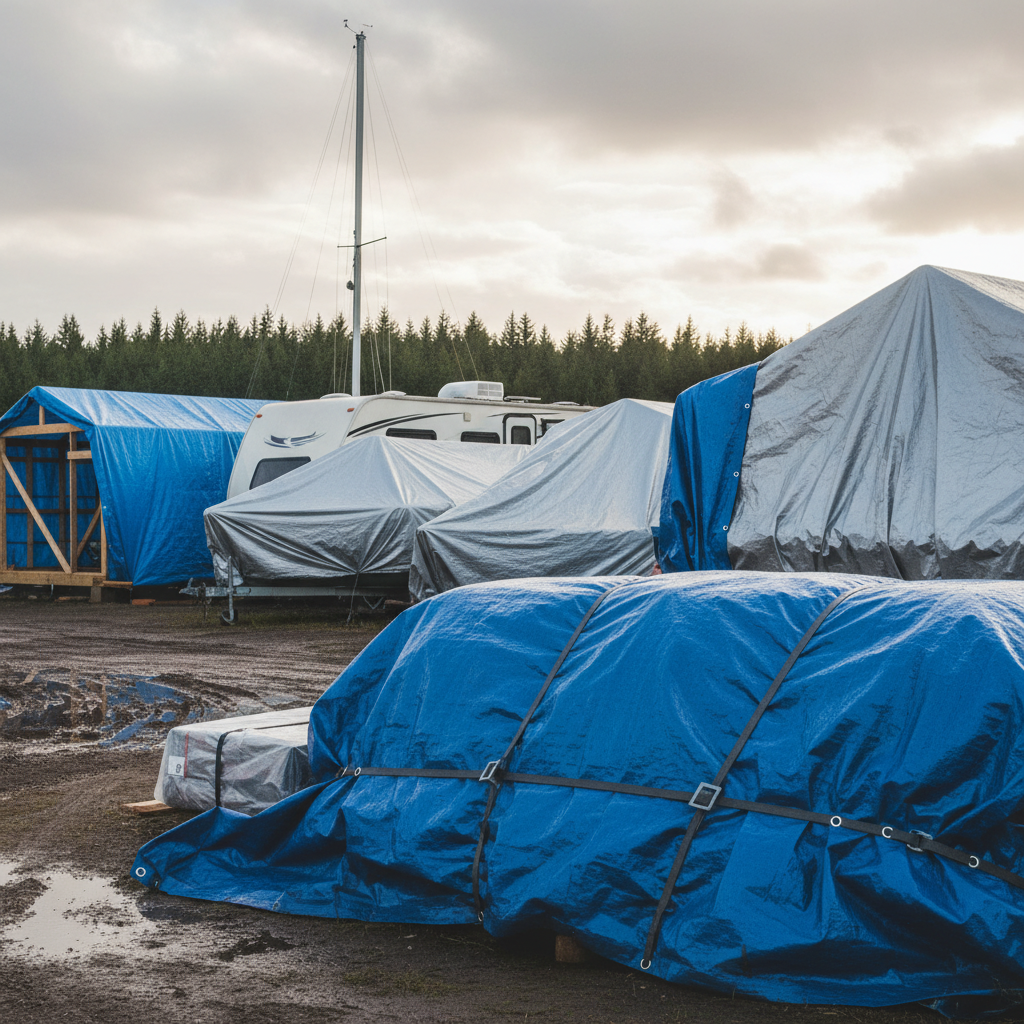
Polyethylene tarps are essential tools for protecting a wide range of equipment and gear, making them invaluable for both personal and professional applications. One of the primary uses of these durable tarps is safeguarding outdoor gear, such as camping equipment, boats, and lawn care tools, from harsh weather conditions. Their waterproof properties prevent moisture accumulation, reducing the risk of rust and mold, ensuring the longevity of your valuable assets. Additionally, their lightweight design allows for easy handling and transportation, which is crucial for outdoor enthusiasts on the move.
In construction and industrial settings, polyethylene tarps serve an equally critical role in protecting machinery and tools from environmental elements. They can be draped over equipment to shield it from rain, snow, and UV rays, thus extending its lifespan and maintaining optimal performance. Moreover, their versatility allows for a wide range of applications, from creating temporary shelters to covering piles of materials on a job site. With their strong, weather-resistant nature, polyethylene tarps are a smart investment for anyone looking to preserve their gear and equipment effectively.
Innovative Applications of Polyethylene Tarps for Construction Sites
Polyethylene tarps, known for their
durability and water resistance, have become indispensable in
construction sites. Their versatile nature allows them to serve multiple functions, from
weather protection to material coverage. According to a report by MarketsandMarkets, the global
tarpaulin market is expected to grow significantly, reaching
USD 2.9 billion by 2026, primarily driven by the
construction industry's increasing demand for protective materials. The robust properties of
polyethylene make these tarps an ideal choice for safeguarding tools, equipment, and unfinished
structures against rain, dust, and UV damage.
In addition to protection, polyethylene tarps play a crucial role
in improving safety on construction sites. By using these tarps to cover and secure materials,
companies can reduce the risk of accidents caused by falling debris or unexpected weather changes.
The Occupational Safety and Health Administration (OSHA)
emphasizes the importance of maintaining a safe work environment, and proper site protection helps
to mitigate hazards. Furthermore, innovative applications, such as creating temporary barriers or
enclosures, enhance the efficiency of construction projects, proving that polyethylene tarps are not
just a protective measure but a versatile asset that streamlines operations on site.
Using Polyethylene Tarps for Effective Weatherproofing Solutions
Polyethylene tarps are renowned for their durability and versatility, making them an essential choice for effective weatherproofing solutions. According to a report by the Global Tarp Market Analysis, the polyethylene tarp segment is projected to grow by 6.2% annually due to its increasing demand across various industries. These tarps offer superior water resistance and UV protection, making them perfect for shielding equipment, vehicles, and outdoor structures from harsh weather conditions.
When utilizing polyethylene tarps for weatherproofing, it’s important to ensure proper installation. Tips for effective use include choosing the right size tarp for maximum coverage and securing edges with weights or tie-downs to prevent wind damage. Moreover, consider using multiple layers for added protection, especially in areas prone to severe weather events. Regularly inspect your tarps for wear and tear to maintain their effectiveness and prolong their lifespan.
Additionally, leveraging the reflective properties of polyethylene tarps can also help in temperature regulation during extreme weather conditions. By placing reflective tarps over vulnerable outdoor areas, one can significantly reduce heat absorption, keeping structures cooler during summer months. Embracing these strategies will enhance the protective qualities of polyethylene tarps, ensuring they serve as a reliable shield against varying weather challenges.
Eco-Friendly Aspects of Polyethylene Tarps in Various Industries
Polyethylene tarps are increasingly recognized for their eco-friendly attributes, making them a preferred choice across various industries. Unlike traditional plastic materials, polyethylene (PE) tarps are made from high-density polyethylene, which is 100% recyclable. According to a report by the Plastics Industry Association, the recycling rate for PE products has been on the rise, with roughly 50% of PE used in commercial applications being recycled effectively. This not only helps to mitigate environmental impact but also encourages a circular economy where materials are repurposed rather than discarded.
Moreover, polyethylene tarps exhibit impressive durability that extends their lifespan and utility, further reducing waste. The U.S. Environmental Protection Agency (EPA) states that extending the life of products like tarps diminishes the frequency at which replacements are needed, significantly decreasing overall material consumption. Various industries, from agriculture to construction, leverage these durable tarps to protect equipment and materials, minimizing the risks of loss and waste. As businesses increasingly seek sustainable solutions, the versatility and eco-friendly nature of polyethylene tarps position them as a vital resource in promoting environmentally responsible practices.
Creative Uses of Polyethylene Tarps in Recreational Activities
Polyethylene tarps are incredibly versatile and have found numerous applications in recreational activities due to their durability and water-resistant properties. According to a report from the American Society for Testing and Materials (ASTM), polyethylene tarps can resist wear and tear from ultraviolet light, making them ideal for outdoor uses where sun exposure is a concern. Campers often utilize these tarps to create makeshift shelters or ground covers, providing a reliable barrier against moisture and dirt while enhancing overall comfort during outdoor excursions.
In addition to camping, polyethylene tarps serve a myriad of creative applications in recreational contexts like beach outings and sporting events. For instance, families often use them as picnic blankets or beach mats, benefiting from their lightweight and easy-to-clean nature. A survey conducted by the Outdoor Industry Association indicated that 67% of outdoor enthusiasts regularly incorporate tarps into their outdoor gear, underscoring their importance in enhancing recreational experiences. Whether it's protecting gear from the elements or providing an impromptu gathering space, polyethylene tarps undeniably elevate the enjoyment and convenience of outdoor activities.
Top 5 Uses of Polyethylene Tarps for Protection and Versatility
Maximizing Vehicle Protection: Insights from Industry Reports on Waterproof Tarpaulin Covers
In the realm of vehicle protection, waterproof tarpaulin covers have emerged as a vital solution, according to various industry reports. Studies indicate that vehicles exposed to harsh weather conditions without proper protection experience accelerated deterioration, with water damage being one of the leading causes of exterior wear. A durable and heavy-duty tarpaulin, featuring a sturdy PE edge and reinforced grommets, provides essential coverage, significantly extending the lifespan of vehicles.
The need for high-quality waterproof tarps has led to innovations in design and material. Modern tarpaulins are engineered to be anti-UV, anti-fading, and tear-resistant, which not only ensures that vehicles remain shielded from rain but also protects them from harmful sun exposure. Industry research shows that maintaining vehicles under such protective gear can reduce overall maintenance costs by up to 30% over time. Moreover, these tarps are engineered for easy handling; they are lightweight yet robust, making them ideal for users who require quick storage or transport.
Furthermore, the multifunctional capabilities of tarpaulin covers enhance their appeal. Reports highlight their versatility, noting that they can effectively safeguard not only cars and trucks but also industrial equipment, outdoor furniture, and garden structures. By investing in high-quality waterproof tarpaulins, vehicle owners can ensure comprehensive protection against a myriad of environmental factors, ultimately enhancing both aesthetic appeal and operational longevity of their assets.
FAQS
: Polyethylene tarps are primarily used for protecting a wide range of equipment and gear from harsh weather conditions, including outdoor gear like camping equipment and boats, as well as machinery and tools in construction and industrial settings.
They are waterproof, preventing moisture accumulation that can cause rust and mold, and can also shield equipment from rain, snow, and UV rays.
Yes, polyethylene tarps are lightweight, which makes them easy to handle and transport, ideal for outdoor enthusiasts.
They are made from high-density polyethylene, which is 100% recyclable, and their durability extends their lifespan, reducing waste and material consumption.
As they are increasingly recycled and have extended lifespans, polyethylene tarps help mitigate environmental impact and encourage a circular economy, making them desirable for businesses seeking sustainable solutions.
Polyethylene tarps are used across various industries including agriculture, construction, and others, to protect equipment and materials from environmental damage.
Yes, their versatility allows them to be used for creating temporary shelters as well as covering materials on job sites.
They provide protection from weather elements, are lightweight for easy transportation, and help preserve the longevity of outdoor gear.
Their durability means less frequent replacements are needed, which decreases overall material consumption and waste generation.
Approximately 50% of polyethylene used in commercial applications is recycled effectively, indicating a positive trend in recycling efforts.
Conclusion
Polyethylene tarps have become essential in various outdoor projects due to their durability and versatility. They offer significant benefits for protecting equipment and gear, ensuring that valuable items remain safe from environmental elements. In construction sites, innovative applications of polyethylene tarps contribute to efficient project management by providing weatherproofing solutions that safeguard materials and workers alike.
Additionally, these tarps are eco-friendly alternatives, used across diverse industries, and find creative applications in recreational activities, enhancing the outdoor experience. At Linyi Xinshengyang Plastic Products Co., Ltd., the largest tarpaulin production base in China, we are proud to offer high-quality polyethylene tarps that meet the needs of both commercial and recreational uses, showcasing their unmatched utility in various scenarios.


 Wanggou Industrial Park,Lanshan District, Linyi City, Shandong Province, China