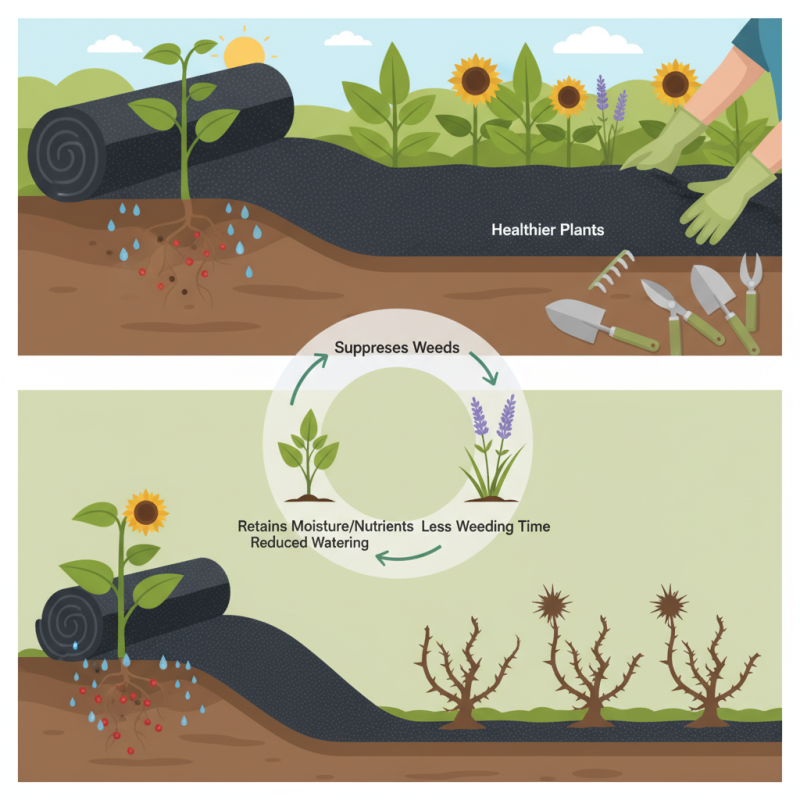
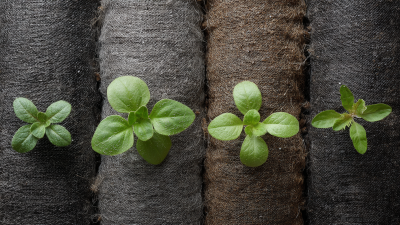
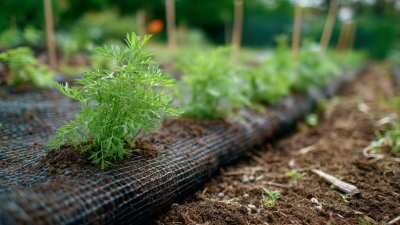
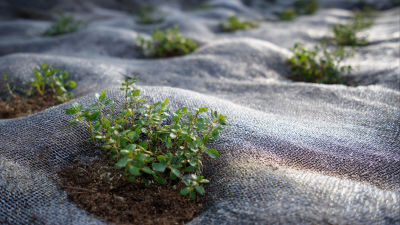
Today, when it comes to gardening, dealing with weeds is definitely a hot topic that both amateur and pro gardeners are pretty much buzzing about. We all know how weeds love to fight for your plants' nutrients, sunlight, and water—that’s why finding good ways to keep them in check has become pretty essential if you want your garden to actually flourish. I was chatting with Dr. Emily Carter, a real expert in horticulture and a regular speaker at gardening events, and she mentioned that 'Weed Block Fabric provides a pretty reliable barrier against weeds while still letting moisture and nutrients get through to the soil.' That really hit home because it shows how this fabric can kill two birds with one stone—keeping weeds out and creating the perfect environment for your plants to grow.
Weed block fabric has gained popularity among gardeners for its effectiveness in managing weed growth while promoting soil health. According to a report by the American Society for Horticultural Science, up to 90% of garden weeds can be suppressed using landscape fabric, creating a more sustainable and maintenance-free gardening solution. This fabric not only acts as a barrier against sunlight, which is essential for weed germination, but also allows water and nutrients to penetrate, ensuring that plants receive the necessary resources without the competition from unwanted flora.
Another benefit of using weed block fabric is its durability and long-lasting effects. Research conducted by the University of California Cooperative Extension indicates that proper installation of landscape fabric can provide effective weed control for up to five years, significantly reducing the need for herbicides and manual weeding. This not only saves time for gardeners but also lessens the environmental impact associated with chemical weed management. Moreover, the presence of weed block fabric supports healthier root systems as it prevents soil erosion and improves moisture retention, ultimately enhancing the overall growth and productivity of garden plants.
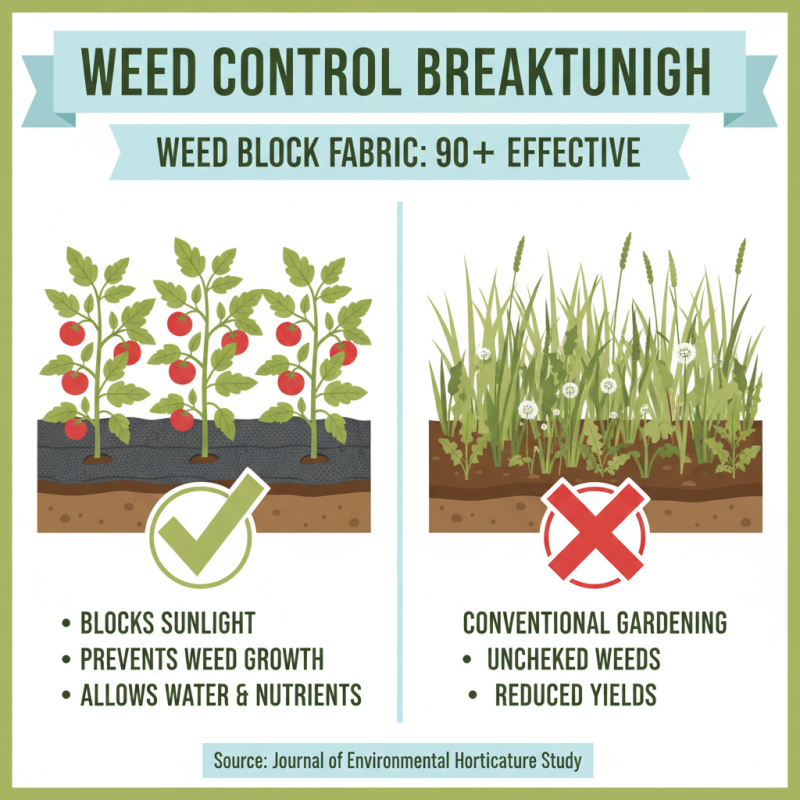
Weed control is a significant aspect of gardening, as unchecked vegetation can impede plant growth and reduce yields. Recent analyses indicate that using weed block fabric can effectively reduce weed presence by over 90%. A study published in the Journal of Environmental Horticulture highlights that gardens utilizing this material showed a marked decrease in both the number and variety of weeds compared to conventional gardening methods. This dramatic reduction is primarily due to the fabric's ability to suppress sunlight, thus preventing photosynthesis in weed seeds while allowing water and nutrients to reach the soil beneath.
In a comprehensive examination of various garden management techniques, it was found that weed block fabric significantly outperformed other weed control methods, including mulch and manual weeding. For instance, a 2022 report from the American Society of Agronomy stated that plots covered with weed block fabric experienced a 95% reduction in annual weed populations. This substantial decrease not only enhances crop health by reducing competition for resources but also minimizes the need for chemical herbicides, promoting a more sustainable approach to gardening. As gardeners look for innovative and efficient methods to control weeds, the data clearly supports the effectiveness of weed block fabric as a primary solution.
Weed control is a significant aspect of gardening, and various methods exist to manage unwanted plant growth. Traditional mulching techniques typically involve spreading organic materials such as wood chips, straw, or grass clippings over the soil. While these materials can suppress weeds effectively, they often require frequent replenishment due to decomposition and the potential for weed seeds to germinate within the layer. This can lead to ongoing maintenance challenges and additional labor, making the task of achieving a weed-free garden more strenuous over time.
In contrast, weed block fabric offers a more durable solution. This fabric is designed to allow water and nutrients to penetrate while inhibiting weed growth. Unlike organic mulch that breaks down and needs replacement, weed block fabric can last several seasons with minimal maintenance. Additionally, it eliminates the possibility of weed seeds taking root in the mulch layer, as its woven structure provides a barrier against sunlight. Gardeners who choose weed block fabric often find they spend less time managing weeds and more time enjoying their gardening efforts.
Weed block fabric has emerged as a trusted ally for garden enthusiasts seeking effective weed control solutions. A significant advantage of this material lies in its longevity and cost-effectiveness over time. Studies indicate that high-quality weed barrier fabrics can last anywhere from 5 to 20 years, depending on environmental factors and maintenance. According to the Horticultural Research Institute, implementing a weed block fabric strategy can reduce landscape maintenance costs by up to 70%, making it a financially sound choice for both professional landscapers and home gardeners.
In addition to its durability, weed block fabric facilitates sustainable gardening practices. By inhibiting weed growth, it encourages healthy soil microbiomes and minimizes the need for herbicides, which can pose environmental risks. A report by the American Society of Agronomy highlights that using weed control fabrics can enhance soil moisture retention by up to 30%, benefiting water conservation efforts in landscaping projects. This dual benefit of reducing costs and promoting eco-friendly practices positions weed block fabric as a wise investment for long-term garden health and maintenance efficiency.
Using weed block fabric is an effective method for controlling weeds in gardens, allowing plants to thrive without competition. When installing this fabric, it’s crucial to maximize its effectiveness to reap the benefits of a tidier, low-maintenance garden. Industry reports indicate that properly installed weed block fabric can reduce weed growth by up to 95%, significantly decreasing the need for herbicides and manual weeding.
For optimal results, make sure to install the weed block fabric over well-prepared soil. Begin by clearing the area of all existing weeds and debris, as even small remnants can undermine the fabric’s effectiveness. After leveling the soil, consider adding a layer of organic mulch on top of the fabric. This not only enhances moisture retention and soil temperature but also provides an additional barrier against weed encroachment. Research from horticultural studies suggests that combining these techniques can extend the duration of weed suppression, supporting healthier plant growth.
Another essential tip is to ensure proper anchoring of the fabric. Use landscape staples to secure the edges and corners, preventing the fabric from shifting due to wind or water runoff. Overlapping seams by at least 6 inches will create a seamless barrier and ensure that weeds do not find their way through. Regular monitoring and maintenance of the area, such as checking for any wear or areas where soil might be washing away, will further enhance the longevity and effectiveness of your weed block strategy.
Using weed block fabric in gardening practices not only promotes efficient weed control but also aligns with sustainable environmental practices. Traditional weed control methods often rely on chemical herbicides, which can have detrimental effects on soil health, water quality, and local ecosystems. In contrast, weed block fabric acts as a physical barrier, allowing water and nutrients to reach the soil while preventing weed growth. This reduction in chemical use supports biodiversity and contributes to healthier garden ecosystems.
Moreover, many weed block fabrics are made from recycled materials or are designed to last longer than disposable alternatives, further enhancing their sustainability. By investing in durable, eco-friendly fabric, gardeners can minimize waste and decrease the need for frequent replacements. This longevity not only benefits the environment but also reduces the overall time and resources spent on garden maintenance. Ultimately, the use of weed block fabric represents a commitment to sustainable gardening that prioritizes the health of both the garden and the surrounding environment.
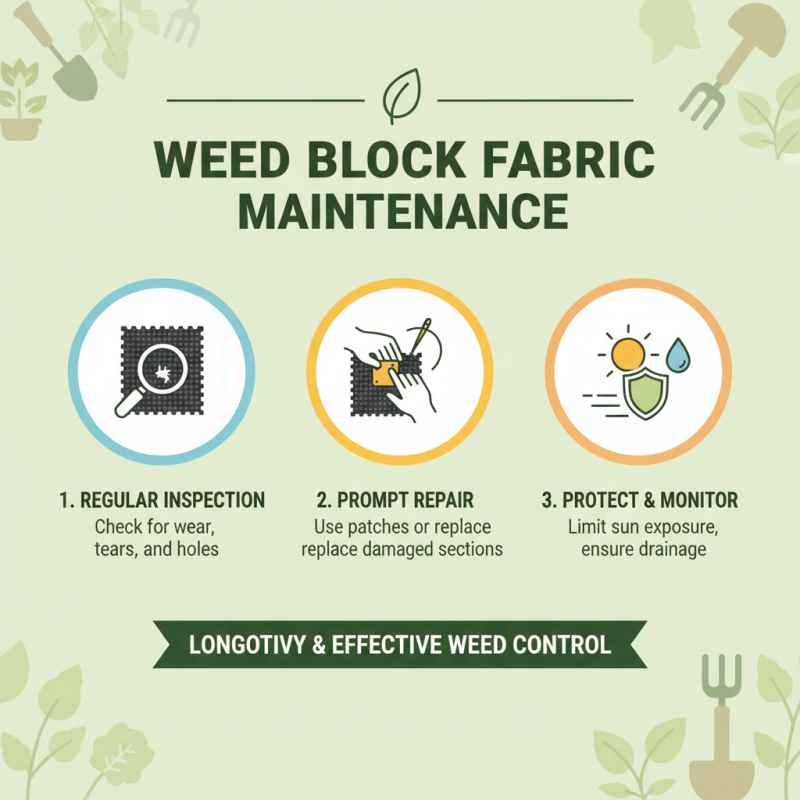
Maintaining weed block fabric in your garden is essential for ensuring its longevity and effectiveness in controlling unwanted plant growth. First, it is crucial to regularly inspect the fabric for any signs of wear or damage. Over time, exposure to sunlight and the elements can degrade the material, leading to tears or holes that allow weeds to penetrate. Promptly repairing any damage with suitable patches or replacements can help maintain an effective barrier against weeds.
Additionally, proper installation of the weed block fabric contributes significantly to its maintenance. Ensure that the fabric is securely anchored to the ground, using landscape staples or stakes as necessary. This will prevent it from shifting due to wind or heavy rain, which can expose the soil underneath. Furthermore, to enhance its effectiveness, consider adding a layer of mulch on top of the fabric. This not only protects the fabric from UV rays but also provides additional suppression of weed growth while improving the aesthetic appeal of your garden. Regularly refreshing the mulch layer will also contribute to healthier soil and a more robust garden environment.
: Weed block fabric is a gardening material that suppresses weed growth while promoting soil health. It acts as a barrier against sunlight, preventing weed germination, while allowing water and nutrients to penetrate, reducing competition for plants.
Research indicates that weed block fabric can suppress up to 90% of garden weeds, creating a sustainable gardening solution that minimizes maintenance.
Properly installed weed block fabric can provide effective weed control for up to five years, significantly decreasing the need for herbicides and manual weeding.
Using weed block fabric lessens the environmental impact associated with chemical weed management by reducing the need for herbicides and can improve moisture retention, promoting healthier root systems.
Unlike traditional mulching, which requires frequent replenishment and may allow weed seeds to germinate, weed block fabric is designed for durability, providing effective weed control with minimal maintenance over several seasons.
Regularly inspect the fabric for wear or damage, ensure it is securely anchored to the ground, and consider adding a layer of mulch on top to protect it from UV rays and enhance weed suppression.
When properly installed and maintained, weed block fabric can withstand various weather conditions, but it should be inspected frequently to ensure it remains intact after heavy wind or rain.
Yes, adding a layer of mulch on top of the weed block fabric can protect it from sunlight, enhance weed suppression, and improve the aesthetic appeal of your garden.
Regular inspections for tears, holes, or degradation due to sunlight and weather exposure is essential to ensuring the fabric remains effective in controlling weeds.
Using weed block fabric typically reduces the time and effort spent on weeding, allowing gardeners to enjoy their gardening activities more and manage their gardens with less maintenance.
Weed Block Fabric is an effective solution for controlling weeds in gardens, offering numerous benefits for garden management. Studies indicate that this fabric can reduce weed growth by over 90%, making it far more efficient than traditional mulching techniques. Additionally, Weed Block Fabric is designed for longevity, providing cost-effectiveness over time while minimizing the need for frequent replacements. Proper installation and maintenance can further enhance its effectiveness, ensuring that gardens remain healthy and weed-free.
Moreover, the environmental impact of using Weed Block Fabric is favorable, as it promotes sustainable gardening practices. By utilizing this fabric, gardeners can maintain a clean and organized space without resorting to harmful chemicals. Overall, incorporating Weed Block Fabric into garden management strategies can lead to significant improvements in both weed control and environmental sustainability.