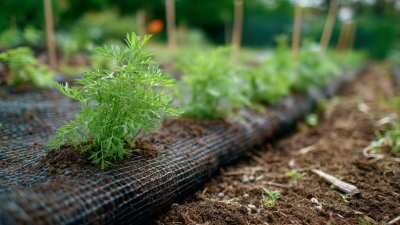
Garden lovers know that balancing beauty and practicality in your yard can be pretty tricky. And let's face it—keeping weeds at bay is often the toughest part! Looking ahead to 2025, it seems like new tools like the Weed Control Mat are really going to shake things up when it comes to garden maintenance. I recently read what Dr. James Green, a horticulture pro, had to say about these mats. He mentioned that a Weed Control Mat isn't just about stopping those stubborn weeds—it actually helps your plants grow stronger by keeping soil temperature and moisture just right.
These mats act like a barrier, blocking weeds while still letting your plants get the nutrients and water they need. That’s why lots of gardeners who want to go green are turning to them—they’re a pretty smart, eco-friendly solution. As more folks get into sustainable gardening, the demand for tools like these is only going up. When you start using something like a Weed Control Mat in your garden routine, it’s a game-changer—you get a lush, healthy space with way less hassle. Honestly, it kind of makes gardening more enjoyable.
To sum it up, with input from experts and all the new trends popping up, the top weed control options for 2025 are looking pretty promising. They’re helping gardens thrive and making gardeners feel pretty satisfied with their work. As we check out the best five products this year, it’s clear that staying on top of weed management is key to keeping a garden happy and healthy.
Understanding the Importance of Weed Control in Garden Maintenance
Weeds are one of the most persistent challenges gardeners face, often competing with plants for nutrients, sunlight, and water. Effective weed control is essential for maintaining a healthy garden, as it allows cultivated plants to thrive without the stress of unwanted competition. By implementing proper weed management strategies, gardeners can prevent the proliferation of invasive species that can choke the life out of their desired flora.
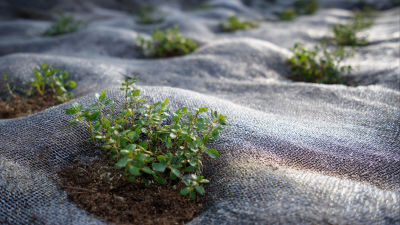
Using weed control mats is one of the most efficient methods to combat this issue. These mats act as physical barriers, preventing sunlight from reaching the soil and thus inhibiting weed germination. They also help retain soil moisture, which is vital for the growth of plants. In addition, a well-chosen weed control mat can minimize soil erosion and reduce the labor involved in ongoing weed maintenance, allowing gardeners to focus more on the enjoyment of their gardens rather than the struggle against weeds. This proactive approach not only enhances the aesthetic appeal of the garden but also contributes to a healthier ecosystem overall.
Types of Weed Control Mats Available in 2025
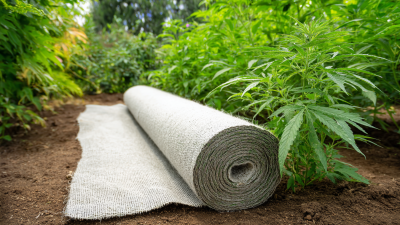
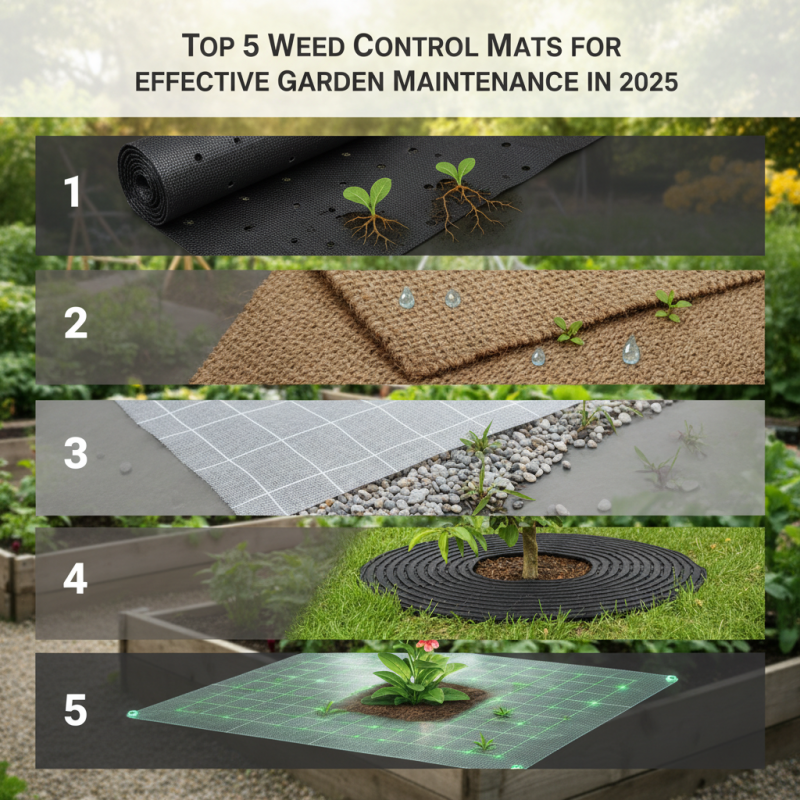
In 2025, the market for weed control mats has diversified to cater to various gardening needs, offering several types designed for efficiency and sustainability. One prominent category is biodegradable mats, crafted from natural materials such as jute or coconut coir.
These mats effectively suppress weed growth while enriching the soil as they decompose, making them an excellent choice for eco-conscious gardeners. Their ability to enhance soil texture and moisture retention further supports healthy plant growth, appealing to those who prioritize organic gardening methods.
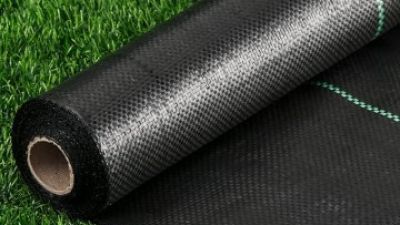
Another significant type is landscape fabric, typically made from woven or non-woven polypropylene. These mats provide a reliable barrier against weeds while allowing water and nutrients to penetrate the soil.
Their durability and versatility make them suitable for a range of applications, from vegetable patches to flower beds. Additionally, some options feature UV resistance, extending their lifespan and reducing the need for frequent replacements. As gardeners become more aware of the impact of their practices on the environment, the selection of weed control mats in 2025 reflects a growing emphasis on sustainability and efficiency.
Material Comparisons: Fabric vs. Plastic Weed Mats
When it comes to garden maintenance, the choice between fabric and plastic weed control mats is crucial for effective results. Fabric weed mats, made from woven or non-woven materials, offer excellent permeability, allowing air and water to reach the soil while blocking sunlight to prevent weed growth. According to a report by the National Gardening Association, fabric mats can reduce weed emergence by up to 98%, making them a favored choice among organic gardeners. They also decompose over time, adding organic matter back to the soil, although they typically require replacement every 2-5 years depending on the environmental conditions.
On the other hand, plastic weed mats serve as a more durable, long-lasting option. Made from polypropylene or polyethylene, these mats create a strong barrier against weeds, often ensuring a lifespan of up to a decade. However, a study from the Journal of Sustainable Horticulture points out that while plastic mats are effective at suppressing weeds, they can impede moisture and air circulation, which may harm soil health in the long run. Additionally, their non-biodegradable nature poses an environmental concern, with reports indicating that millions of plastic materials end up in landfills each year.
As gardeners weigh their options, it's essential to consider not only the effectiveness of the weed mats but also their environmental impact. The decision between fabric and plastic weed control mats largely depends on individual gardening practices, specific plant requirements, and a commitment to sustainability in garden maintenance.
Top 5 Weed Control Mats for Effective Garden Maintenance in 2025
| Type |
Material |
Water Permeability |
Durability (Years) |
Price Range ($) |
Eco-Friendliness |
| Weed Control Fabric |
Polypropylene |
High |
5-10 |
20-50 |
Biodegradable Options Available |
| Plastic Weed Mat |
Low-Density Polyethylene (LDPE) |
Moderate |
3-7 |
10-30 |
Not Biodegradable |
| Biodegradable Fabric |
Cotton or Jute |
High |
2-5 |
15-40 |
Highly Eco-Friendly |
| Perforated Plastic Mat |
Polypropylene |
High |
4-8 |
20-45 |
Not Biodegradable |
| PVC Weed Mat |
PVC |
Low |
5-15 |
25-60 |
Not Eco-Friendly |
Key Features to Look for in Effective Weed Control Mats
When selecting the right weed control mats for effective garden maintenance, there are key features to consider that can significantly impact their performance. A critical aspect is the material composition of the mat. Studies indicate that mats made from woven polypropylene or eco-friendly biodegradable options provide durability while allowing water and nutrients to penetrate. According to a report by the International Journal of Horticulture, gardens utilizing high-quality weed control fabrics saw up to a 50% reduction in weed growth over a six-month period, demonstrating the efficiency of these materials.
Another important feature is the thickness of the mat. Thicker mats not only enhance durability but also provide more effective suppression of weeds. Research from the American Society of Horticultural Science emphasizes that mats with a thickness greater than 3mm have the best performance, as they obstruct light effectively and prevent weed seeds from germinating underneath. Furthermore, the permeability of the material is vital; mats that allow for adequate water drainage while blocking sunlight can improve soil health and promote plant growth. These attributes ultimately contribute to more sustainable gardening practices, aligning with the current trends in eco-conscious gardening solutions.
Top 5 Recommended Weed Control Mats for 2025
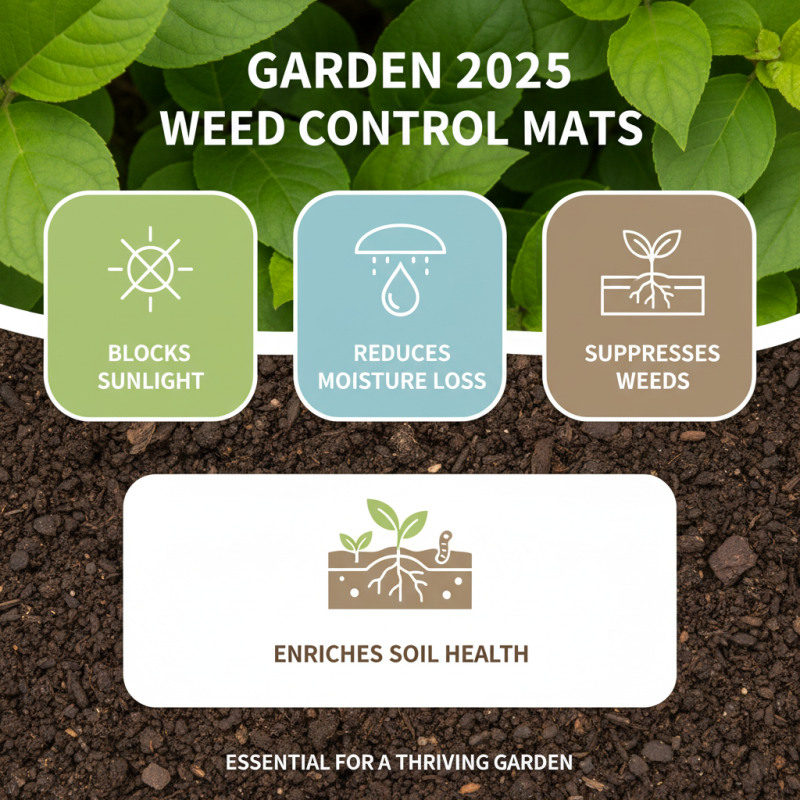
When it comes to maintaining a vibrant garden, choosing the right weed control mats is essential. In 2025, the market offers several excellent options designed to suppress unwanted plant growth while enriching the health of your soil. These mats act as barriers to block sunlight, reduce moisture loss, and prevent weeds from sprouting, making them a critical addition to any serious gardener's toolkit.
One tip for maximizing the effectiveness of weed control mats is to ensure proper installation. Lay the mats flat without wrinkles or gaps, which can allow weeds to penetrate. Additionally, consider layering your mats with organic mulch for added benefits, such as improved water retention and enhanced soil fertility. This combination can lead to a richer growing environment for your plants.
Another crucial aspect to consider is the durability of the materials used. Opt for mats that are UV-resistant and designed to withstand various weather conditions, ensuring longevity in your garden setup. Regularly monitoring the mats and replacing them as necessary will help maintain their effectiveness and keep your garden thriving without weed competition.
Installation Tips for Maximizing Weed Control Mat Effectiveness
When using weed control mats in your garden, proper installation is key to maximizing their effectiveness. First, it is essential to prepare the ground thoroughly. Start by removing any existing weeds and debris from the area where you plan to place the mat. This not only helps the mat lie flat but also prevents any unwanted growth from making its way through. Furthermore, consider slightly tilling the soil for better drainage and to create an even surface.
Another crucial aspect is ensuring that the mat is properly secured. Many gardeners underestimate the importance of anchoring the mat to prevent it from shifting with heavy rain or wind. Use landscape staples or weights to hold the edges down, particularly in high-traffic areas or corners where the mat might lift. Properly installed weed control mats can significantly reduce maintenance time by blocking light and suppressing weed growth.
Lastly, be mindful of strategic placement. Position the mats under your plants or along garden paths to create an optimal barrier against weeds while still allowing water and nutrients to reach the soil. Consider overlapping mats slightly at the seams to eliminate gaps. By paying attention to these installation tips, you'll set your garden up for a successful and low-maintenance season ahead.
Maintenance Strategies for Prolonging the Life of Weed Control Mats
When it comes to maintaining a thriving garden, weed control mats are an essential investment. To extend the lifespan of these mats, implementing proper maintenance strategies is crucial. Regular inspections should be carried out to identify any damage or wear that may require attention. Look for signs such as fraying edges or areas where the mat has lifted. Taking swift action can prevent larger issues down the line, ensuring your garden remains healthy and weed-free.
One effective strategy is to keep the mats clean. Debris, fallen leaves, and organic matter can accumulate, promoting weed growth beneath the mat. Use a broom or a leaf blower to remove this buildup regularly. Additionally, consider using a gentle wash with soapy water to eliminate stubborn stains or algae. This practice not only enhances the appearance of the mats but also allows them to perform effectively, maintaining their weed-blocking capabilities.
**Tips:** Always check the installation of your mats to ensure they sit flat on the soil, as this minimizes the opportunity for weeds to sneak through. Moreover, consider combining your weed control mats with mulch for added protection; this combination will help suppress weed growth while also improving the aesthetic of your garden. Remember to adjust your maintenance routine according to seasonal changes, giving your garden the best chance at flourishing all year round.
Top 5 Weed Control Mats for Effective Garden Maintenance in 2025
This chart displays the effectiveness ratings of the top 5 weed control mats available in 2025. Each mat is rated out of 10, showing how well they perform in controlling weeds in garden maintenance.
Effective Weed Control: Exploring the Benefits of Heavy Duty Landscape Fabric for Your Garden
When it comes to effective weed control in your garden, heavy-duty landscape fabric stands out as an excellent solution. This type of fabric is designed to be a robust barrier against unwanted weeds, allowing your garden to maintain its beauty and order. With its exceptional durability, the premium landscape fabric provides long-lasting protection, ensuring that your garden remains free from invasive plant growth.
One of the standout benefits of this landscape fabric is its breathability, which allows water and nutrients to easily penetrate and reach the roots of your desired plants. The fabric is 99.8% opaque, effectively blocking harmful ultraviolet rays while preventing weeds from taking root. This means that your garden not only benefits from minimal weed interference but also receives the necessary hydration and sustenance, promoting healthy plant growth. For enhanced results, the fabric can be placed under organic mulch, further improving weed control while contributing to a sustainable gardening practice.
Investing in effective weed control solutions like heavy-duty landscape fabric can transform your gardening experience, allowing you to focus on nurturing your plants rather than battling weeds. With its combination of strength, durability, and functionality, this fabric is an essential tool for any gardener looking to maintain a vibrant and thriving landscape.
FAQS
: Weed control mats are essential as they suppress unwanted plant growth, block sunlight, reduce moisture loss, and prevent weeds from sprouting, contributing to a healthier growing environment for your plants.
To maximize effectiveness, lay the mats flat without any wrinkles or gaps to prevent weeds from penetrating.
Yes, layering your weed control mats with organic mulch can improve water retention and enhance soil fertility, creating a richer environment for your plants.
Opt for mats that are UV-resistant and durable, designed to withstand various weather conditions, to ensure longevity in your garden.
Regular inspections should be conducted to identify any damage or wear. Look for fraying edges or areas where the mat may have lifted, and address these issues promptly.
Regularly remove debris, fallen leaves, and organic matter using a broom or leaf blower. For stubborn stains or algae, a gentle wash with soapy water can help maintain their performance.
Yes, it is advisable to adjust your maintenance routine according to seasonal changes to give your garden the best chance to flourish throughout the year.
Combining weed control mats with mulch is recommended as it provides additional protection against weeds and enhances the aesthetic appeal of your garden.
Conclusion
Weed control mats play a crucial role in effective garden maintenance by suppressing unwanted plant growth and promoting healthier garden environments. In 2025, various types of weed control mats are available, including fabric and plastic options, each with its unique properties. Understanding the differences in materials is essential for selecting the right mat for your specific gardening needs.
When choosing a weed control mat, it's important to consider key features such as durability, permeability, and ease of installation. Proper installation techniques can significantly enhance the mat's effectiveness, while regular maintenance strategies can prolong its lifespan. By following these guidelines and implementing the best practices, gardeners can ensure their weed control mats serve their purpose efficiently, allowing for a thriving garden space.


 Wanggou Industrial Park,Lanshan District, Linyi City, Shandong Province, China