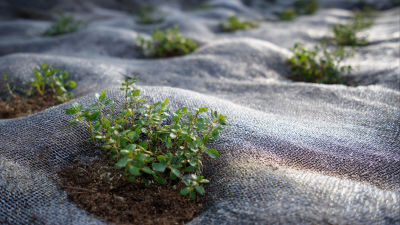
Looking after a garden can be pretty rewarding, but honestly, weeds are a constant pain that can turn things into a real struggle. Picking the right Weed Control Mat is super important if you wanna keep things manageable. These mats do more than just keep weeds at bay — they also help lock in moisture and keep the soil warm, which is a bonus. The thing is, every company out there has its own take, so it can honestly get pretty overwhelming trying to choose the best one.
When you're on the hunt for a Weed Control Mat, don’t forget to think about how tough and effective it is. Some are woven for better airflow, and others are made to last for years. Taking the time to do a bit of research on what's best for your garden situation is definitely worth it. Keep in mind, not every mat will work perfectly right away—that’s totally normal. Sometimes you gotta try, learn, and tweak things a bit.
In this guide, we're going to dive into the top 10 options available right now. We've looked into both expert opinions and what other gardeners are saying. So, this info should help you pick something that actually fits your needs. No matter if you’re a seasoned pro or just starting out, understanding the perks of a Weed Tarp is key. Good garden management is pretty much just a mat away, after all.
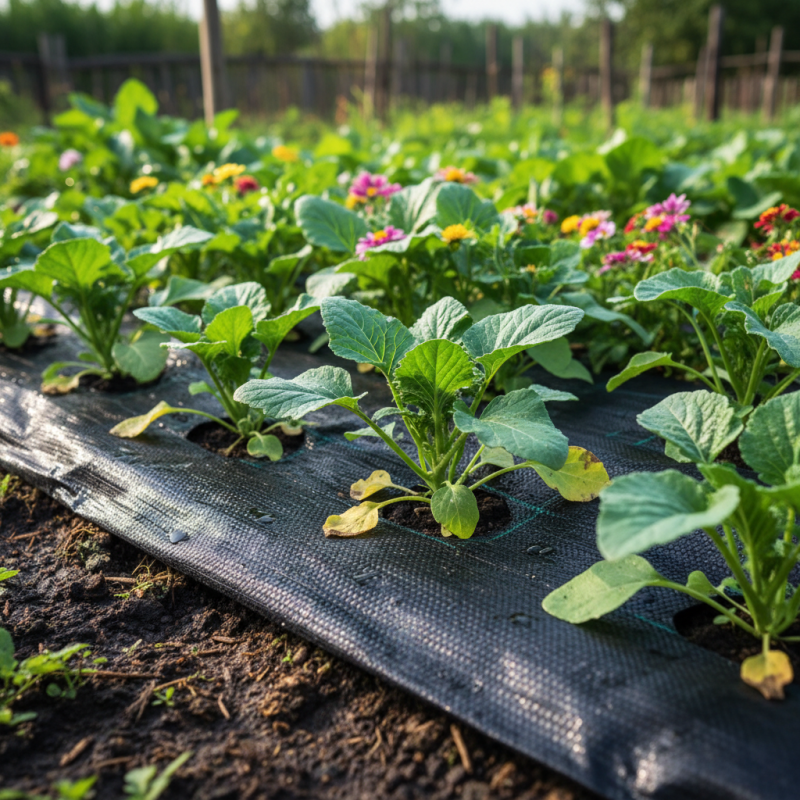
Introduction to Weed Control Mats and Their Importance in Gardening
Weed control mats play a vital role in garden management. These mats help suppress unwanted plants and reduce competition for vital resources. According to a recent industry report, effective weed control can increase crop yields by up to 20%. This highlights the importance of using the right materials for better results.
Different types of weed control mats are available on the market. They vary in durability and effectiveness, which can affect garden health. For instance, some mats are biodegradable, providing benefits as they decompose. However, not all gardens can benefit from every type. It’s essential to evaluate specific garden conditions when selecting a mat. A study showed that improper use could yield minimal benefits.
While these mats can significantly improve garden management, some gardeners may struggle with installation. Misalignment or incorrect placement can lead to weed growth. Moreover, choosing a mat that complements the existing soil type is crucial. Not every solution works for every situation; reflection is necessary to find the best fit. Balancing cost, effectiveness, and environmental impact will determine long-term success in gardening.
Types of Weed Control Mats Available on the Market
When managing a garden, selecting the right weed control mat is crucial. Various types are available, each serving distinct purposes. For instance, fabric weed mats are popular due to their durability. They allow water and nutrients to pass through while blocking sunlight. This blocks weed growth effectively. These mats often last several seasons, making them a reliable option.
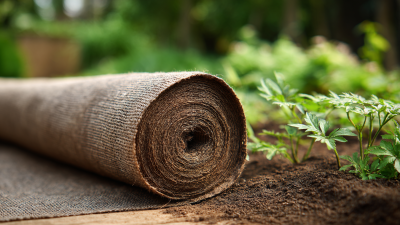
Another type is biodegradable mats. These are eco-friendly and decompose over time. They enrich the soil as they break down. However, their lifespan is shorter than synthetic options. Users may find that they need to replace them more frequently. This can be a point of reflection. Consider your garden's needs before choosing.
Plastic weed control mats are also common. They provide a strong barrier against weeds but may not be as environmentally friendly. They can cause plastic waste if discarded improperly. It's essential to weigh the pros and cons of each type. Remember, no weed mat is perfect. Testing different options could lead to better results in your garden.
Key Features to Consider When Choosing a Weed Control Mat
When choosing a weed control mat, consider several key features.
Material is essential. Fabrics like polyethylene or biodegradable options can affect durability and environmental impact. A study by the Horticultural Research Institute found that permeable mats allow air and water, promoting healthy soil while suppressing weed growth.
Thickness matters too. Thicker mats offer better longevity but may be harder to install. Many gardeners report that a thickness of at least 3 mm provides effective weed control without sacrificing soil health. Check for UV resistance, especially if your garden receives full sunlight. Mats that break down too quickly might lead to more weed issues.
Tips: Always measure your garden area accurately. This ensures you purchase the right amount of material, reducing waste. Test your soil’s drainage before installation. Poor drainage can defeat the purpose of weed mats and create other horticultural problems.
Consider the aesthetic aspect as well. An unattractive mat can detract from your garden's beauty. Finding a balance between functionality and appearance is crucial. As you select your weed control mat, it's important to reflect on these aspects to ensure effective garden management.
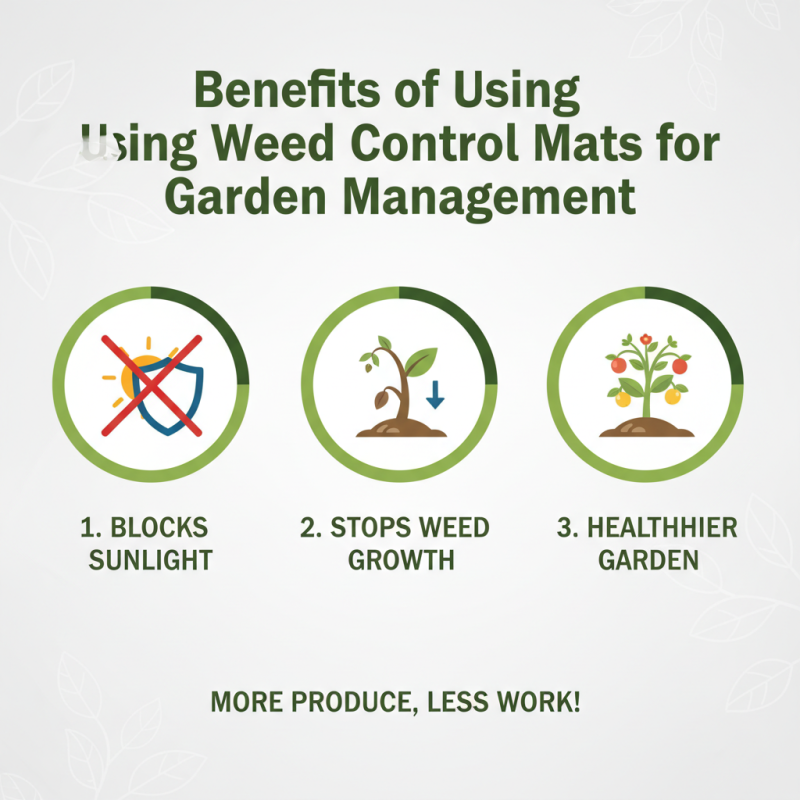
Benefits of Using Weed Control Mats for Garden Management
Weed control mats provide significant benefits for effective garden management. By acting as a barrier, these mats prevent weeds from accessing sunlight. This deprives them of the energy necessary for growth, leading to a more robust and productive garden.
According to a recent industry report, gardens utilizing weed control mats saw a 30% reduction in weed growth. This statistic highlights the effectiveness of these mats, improving plant health and yields. Furthermore, proper use of these mats can enhance soil moisture retention, reducing the need for watering. This means less work and more sustainable gardening practices.
Tips: Ensure mats are properly sized to fit your garden beds. Regularly check for any gaps where weeds can creep in. Consider layering them with mulch for added effectiveness.
When implementing weed control mats, there are considerations to keep in mind. Mats can sometimes restrict beneficial insects' access to soil. It’s essential to strike a balance. Evaluate the impact on micro-ecosystems in your garden. Continuous monitoring will ensure that your garden thrives while managing weeds effectively.
Top 10 Weed Control Mats: Overview and Comparison
When managing a garden, weed control mats play a crucial role. These products help suppress unwanted plant growth while allowing moisture and nutrients to reach your plants. A good mat can save time and reduce the need for chemical herbicides. There are various types available, each with unique features and benefits. Understanding these differences can significantly impact your gardening success.
Some mats are made from natural fibers, offering biodegradable options. Others use synthetic materials for durability and longevity. The effectiveness of each type can vary based on climate, garden type, and the specific plants you're growing. Price points and installation processes also differ, requiring careful consideration. It’s essential to analyze what suits your gardening needs best. Some mats can be challenging to install correctly, leading to potential pitfalls.
Weed control mats can wear out over time. Regular inspection and maintenance are necessary to ensure they continue to perform well. The choice of mat may require adjustments as your garden evolves. Reflecting on your garden's progress can help you make informed decisions. Ultimately, the right weed control mat can enhance your garden's health and performance.
Installation Tips for Effective Use of Weed Control Mats
Weed control mats can be a game changer for your garden. They suppress weeds efficiently but require proper installation for maximum effectiveness. Here are some installation tips to consider.
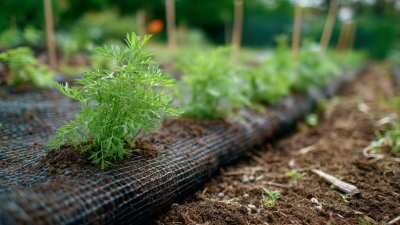
Select a level area for laying down your mat. Uneven surfaces may allow weeds to grow through gaps. Make sure to remove any rocks, grass, or existing weeds. This preparation sets the stage for a stable installation. Most mats work well unless they're compromised by surrounding debris.
Secure the edges of the mat properly. Use landscape staples to anchor the mat firmly to the ground. This prevents it from shifting or moving. In windy areas, heavier weights can be added around the edges. It’s essential to ensure that all corners are well-anchored to eliminate any potential for weeds to peek through.
When you lay down the mat, leave enough space for your plants. Overcrowding can lead to issues later on. Don’t forget to check the mat periodically. Wear and tear may occur, and you might need to replace it. Reflect on how well your initial setup is working, and adjust as necessary.
Maintenance and Care for Longevity of Weed Control Mats
Weed control mats are essential for maintaining a healthy garden. However, their effectiveness depends heavily on proper maintenance and care. Regular inspections are crucial. Check for any tears or wear that could reduce their effectiveness. Shortened lifespans may occur if the mats are not evaluated frequently.
Cleaning the mats is another important step. Remove dirt, leaves, and debris that accumulate on the surface. Use a simple garden hose to wash them off. This simple task can significantly extend their usability. Store the mats in a cool, dry place during the off-season. This prevents mildew or mold from building up.
It's also vital to assess the surrounding plants. Ensure that the mats do not strangle young seedlings. Sometimes, roots can grow underneath the mats, causing damage. Regularly monitor how the mats interact with the soil and plants. Observing signs of distress will prevent long-term issues. Being attentive to these details helps in getting the most from your investment.
Top 10 Weed Control Mats for Effective Garden Management
This chart displays the effectiveness of various types of weed control mats based on a scale of 1 to 10. Gardeners can use this information to choose the best mat for their gardening needs and ensure effective weed management.
Effective Landscaping Solutions: How Green Heavy Duty Weed Barrier Fabric Enhances Garden Aesthetics and Health
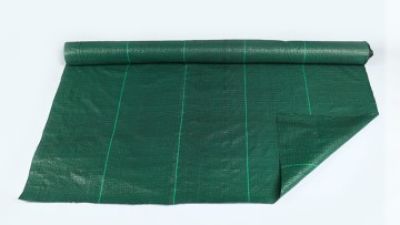
Effective landscaping not only beautifies outdoor spaces but also promotes plant health and longevity. One highly effective solution is the use of green heavy-duty weed barrier fabric, which serves as a protective layer to suppress weed growth while allowing essential nutrients and water to reach the soil. According to industry reports, landscape fabrics can reduce weed growth by up to 95%, making them an essential tool for maintaining a pristine garden environment.
The green heavy-duty landscape fabric, with its superior UV resistance, is particularly beneficial near shrubs and trees, where its longevity can be fully realized. This type of fabric is crafted from tightly woven fibers with perforated holes, ensuring that water and air circulate efficiently. With available rolls ranging from 3 to 6 feet wide, gardeners can easily cover large areas, minimizing the need for chemical herbicides that can harm the environment.
While landscape fabric is invaluable in ornamental settings, experts advise against its use in vegetable gardens or annual flower beds since it is designed to remain undisturbed over long periods. The strategic application of this fabric can lead to healthier plants and a more aesthetically pleasing garden, enabling homeowners to enjoy their outdoor spaces without compromising on sustainability. The advantages are evident: reduced maintenance time, enhanced aesthetics, and the promotion of a healthier ecosystem.
FAQS
: They suppress unwanted plants and reduce competition for resources in gardens.
Effective weed control can increase crop yields by up to 20%.
No, they vary in durability and effectiveness. It's essential to evaluate specific garden conditions.
Select a level area, remove debris, and secure the edges properly to prevent gaps.
Yes, they may restrict beneficial insects' access to the soil. Balance is crucial.
Consider layering them with mulch and regularly check for gaps.
Reflect on your installation and garden conditions; you may need to adjust or replace the mat.
Regular checks are essential to monitor wear and tear; maintenance ensures effectiveness over time.
Yes, they can enhance moisture retention, reducing the need for watering in your garden.
Overcrowding can lead to issues; make sure to leave enough space for your plants.
Conclusion
Weed Control Mats are essential tools for effective garden management, helping gardeners maintain healthy plants by suppressing unwanted weed growth. This article explores the various types of weed control mats available on the market, highlighting key features to consider when selecting the right mat for your needs. The benefits of using these mats are numerous, including soil preservation, reduced maintenance efforts, and improved aesthetics.
Additionally, the article provides an overview and comparison of the top 10 weed control mats, offering insights into their unique attributes. Installation tips ensure successful application, while maintenance and care guidelines help prolong the life of the mats. By understanding the importance and functionality of Weed Control Mats, gardeners can make informed decisions to enhance their gardening experience.


 Wanggou Industrial Park,Lanshan District, Linyi City, Shandong Province, China