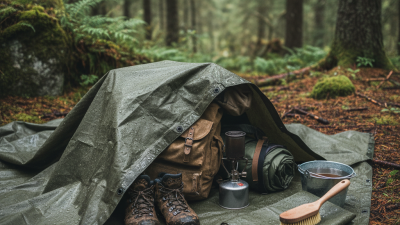
Choosing the right tarpaulin cover isn’t always straightforward, especially when you're looking at options for things like construction sites or outdoor events. With so many brands and styles out there, it can get pretty overwhelming trying to pick the right one. That’s why it really helps to understand what makes each type stand out — it’s all about knowing which features suit your specific needs.
For example, HDPE tarpaulins are a solid bet when durability and water resistance are priorities. They can handle tough weather without falling apart, so your stuff stays protected no matter what Mother Nature throws at you. Then there are outdoor truck covers, which are great for keeping your vehicle safe while on the move or parked outside. And if sun damage is a concern, UV-protected tarps are a smart choice—they help keep your gear safe from the harmful rays that can cause wear over time.
Now, I won’t sugarcoat it—not all brands live up to their promises. Some folks have complained about issues like rot or deterioration after prolonged use. That’s why it’s so important to check out the quality specs and warranty options before making a decision. Taking the time to shop around from trusted vendors can really pay off in finding a tarp that actually does the job. And, of course, it’s always a good idea to look at the price, the materials used, and what other users are saying before you buy. It’s all about making an informed choice that you won’t regret later on.
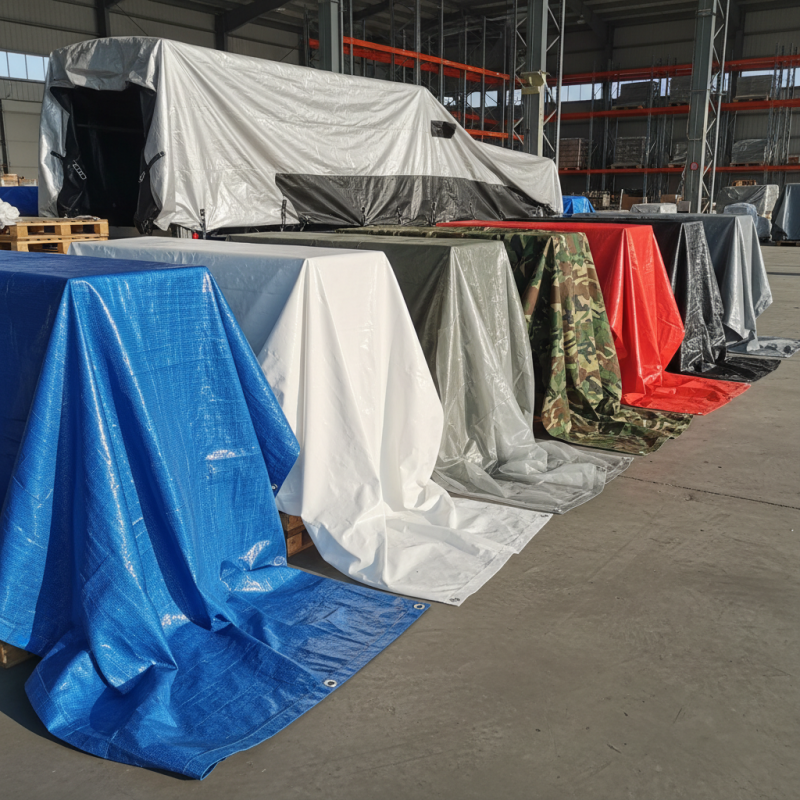
Understanding Tarpaulin Covers: A Comprehensive Overview
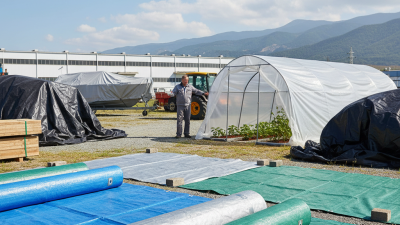
Tarpaulin covers are versatile and essential for various applications. Understanding different types helps buyers make informed decisions. Heavy Duty PE Tarp offers excellent durability and weather resistance, making it suitable for outdoor storage and construction sites. A Green Waterproof Cover is ideal for gardening and landscaping, providing protection from rainfall while blending seamlessly into the environment.
UV Resistant Tarpaulin is crucial for long-term usage in sunny areas. It protects items from sun damage while remaining lightweight and easy to handle. Reinforced Corner Tarpaulin enhances strength at stress points, ensuring that the cover lasts even under heavy use. Choosing tarpaulin with the right specifications is important. Buyers should consider the intended use and environmental factors.
Many buyers overlook the significance of proper maintenance. Regular cleaning can extend the life of tarpaulin covers. Using the wrong cleaning methods may damage the material. Reflecting on these aspects will lead to better purchasing choices. As always, ensure that the product meets specific needs, like size and weight capacity. Quality matters for reliability and performance in the long run.
Key Factors to Consider When Choosing Tarpaulin Covers
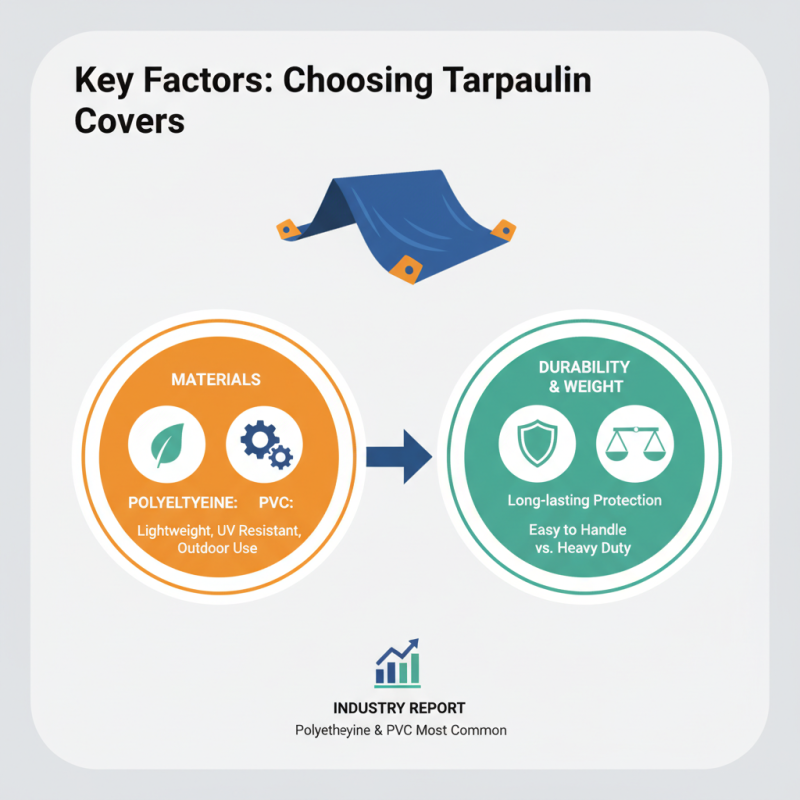
Selecting the right tarpaulin cover is crucial for various applications. Buyers should consider materials, durability, and weight. A recent industry report highlighted that polyethylene and PVC are the most common materials used, each offering unique benefits. Polyethylene is lightweight and resistant to UV rays, making it ideal for outdoor use. On the other hand, PVC tarpaulins provide excellent tear resistance and are suitable for industrial applications.
When choosing tarpaulin covers, weather resistance is a key factor. Many customers overlook the importance of this attribute. A study indicated that 45% of tarpaulin failures stem from inadequate weather protection. Temperature fluctuations and exposure to rain or snow can degrade material performance. Buyers need covers that maintain integrity in diverse climates. The choice of color can also impact heat absorption and UV protection, adding another layer to decision-making.
Pricing is another critical aspect to weigh. While high-quality tarpaulin covers may cost more upfront, they often lead to long-term savings. A lower-quality option might require frequent replacements, ultimately costing more. Customers should weigh initial costs against durability. Many buyers might feel tempted by cheaper offers but should consider the hidden long-term expenses involved. Seeking advice from industry experts can help in making informed choices.
Top 10 Tarpaulin Cover Options for Various Applications
When selecting a Cover Tarpaulin for various applications, buyers have a wide range of options. Tarpaulins are essential in multiple industries, such as construction, agriculture, and logistics. According to recent industry reports, the global tarpaulin market has been projected to grow at a CAGR of 5.6% from 2021 to 2026. This growth demonstrates the increasing need for durable and versatile cover materials.
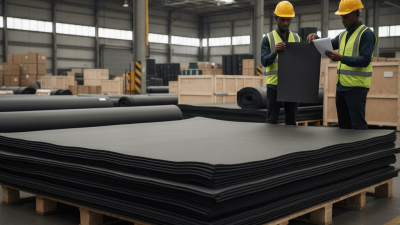
For construction, heavy-duty tarpaulins provide unmatched protection against harsh weather conditions. Many professionals prefer materials like polyethylene and canvas for their robustness. In agriculture, UV-resistant tarpaulins effectively shield crops from extreme sun exposure and rain. This can enhance yield and reduce losses. Additionally, in logistics, waterproof tarpaulins ensure the safe transport of goods, preventing damage during transit.
Buyers must also consider their specific needs. Not all tarpaulins are created equal; quality can significantly differ. A cost-effective option may compromise durability, leading to frequent replacements. This is where buyers should reflect on their long-term requirements versus initial investment. Understanding the application’s unique demands is crucial for selecting the right cover tarpaulin.
Comparative Analysis of Material Types for Tarpaulin Covers
When selecting tarpaulin covers, material types play a crucial role in performance and durability. Various options exist, each with unique characteristics. For example, polyethylene is lightweight and resistant to mildew. It performs well in rain and sun exposure. Conversely, canvas tarpaulins offer sturdiness and sustained protection against wear. This makes them suitable for heavy-duty applications.
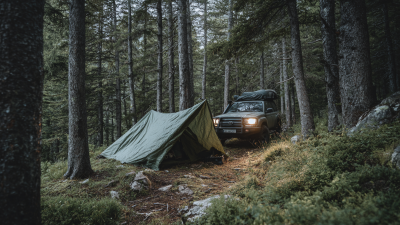
Think about the functionality you need. Are you looking for a cover for vehicles, outdoor events, or construction sites? Each scenario demands different properties from the tarpaulin. Additionally, consider the climate where the cover will be used. Not all materials resist UV rays equally. Some may fade or degrade faster in harsh sunlight.
Tips: Always check for water resistance ratings. This will help you choose the right material. If possible, conduct a hands-on test to gauge thickness and flexibility. Moreover, be open to mixing materials for tailored applications. For instance, combining a sturdy canvas with a lightweight lining can provide both strength and flexibility.
Reflect on the specific use case, as the ideal tarpaulin is often a compromise. Balance between weight, durability, and cost can be tricky. Assess your long-term needs. Often, investing in a high-quality option avoids frequent replacements, which could save money in the long run.
Comparative Analysis of Tarpaulin Cover Durability
This bar chart illustrates the durability ratings of various types of tarpaulin covers, based on a scale from 1 to 10. It provides insights for global buyers to select the best material for their needs.
Cost-Effectiveness and Durability of Leading Tarpaulin Brands
When considering Tarpaulin Covers, cost-effectiveness and durability are paramount for buyers. Recent industry reports indicate that robust tarpaulin covers can last up to five years with proper maintenance. However, many consumers overlook maintenance, which can significantly impact long-term value. Understanding the types of materials used in tarpaulin production is crucial. Polyethylene is often favored for its water resistance and UV protection, yet some buyers may underappreciate its limitations in extreme temperatures.
In terms of cost, a quality tarpaulin cover can vary widely. Research shows that the price range can be from $10 to $100, depending on size and material quality. While cheaper options may seem attractive, they often compromise durability. Buyers should seek out products with industry certifications to ensure reliability. These certifications can provide peace of mind regarding strength and weather resistance. Remember, investing in a high-quality tarpaulin cover can save money in the long run, especially when weighed against frequent replacements of lower-quality products.
Global Market Trends in Tarpaulin Cover Production and Sales
The global tarpaulin cover market shows significant trends in production and sales. According to recent industry reports, the demand for Tarpaulin Car Covers is increasing, driven by an expanding automotive industry. In 2022, the market reached an estimated value of $1.2 billion, with projections of steady growth in the coming years. Factors contributing to this rise include increased outdoor activities and a growing awareness of vehicle protection.
Sustainability is becoming a vital consideration in tarpaulin production. Manufacturers are exploring eco-friendly materials to cater to environmentally conscious consumers. The shift toward recycled materials has been emphasized, even though some challenges remain. Data indicates that nearly 30% of current products still rely on traditional plastic options. This gap highlights an area for improvement in sustainability efforts within the industry.
Emerging markets are also influencing global trends. Regions in Asia-Pacific are witnessing a surge in tarpaulin cover sales, with a compound annual growth rate of 6% expected through 2025. However, inconsistent regulations and quality control represent concerns that need addressing. Buyers may face difficulties navigating these variables. This complexity signals a need for stronger standards in tarpaulin cover production and sales.
Sustainability and Environmental Impact of Tarpaulin Materials
The sustainability of tarpaulin materials is a growing concern. Traditional tarpaulins often use petroleum-based products. Such materials can take years to degrade. This raises questions about their long-term impact on the environment. Many industries rely on these covers, which creates a significant demand.
Eco-friendly alternatives have emerged. Biodegradable tarpaulins are now available, offering a solution to environmental issues. These materials break down more quickly and reduce landfill waste. Still, production processes can be resource-intensive. This irony prompts a deeper reflection on balancing functionality and sustainability.
Recycled tarpaulin options are gaining traction. These covers repurpose existing materials, cutting down on new resource extraction. However, their performance can vary. Are they as durable? Buyers must weigh the benefits against potential downsides. Investing in sustainable tarpaulins represents a step toward greener practices but requires careful consideration.
FAQS
: Consider materials, durability, weight, and weather resistance. Each factor significantly impacts performance and longevity.
Weather resistance prevents material degradation from temperature changes, rain, or snow. Poor resistance can lead to frequent failures.
Polyethylene and PVC are popular materials. Polyethylene is lightweight; PVC is strong and tear-resistant.
Color impacts heat absorption and UV protection, which can influence durability and effectiveness in extreme conditions.
They might seem tempting, but lower quality can lead to hidden costs from frequent replacements.
Check water resistance ratings, test thickness, and consider your specific application scenario for the best fit.
Maintenance significantly affects longevity. Many overlook it, which can diminish their investment over time.
Yes, combining materials like sturdy canvas with lightweight options can create a balanced cover for various applications.
With proper maintenance, a robust tarpaulin can last up to five years, depending on the materials used.
Certifications provide assurance of strength and weather resistance, aiding in the selection of reliable products.
Conclusion
Tarpaulin covers serve as essential protective solutions for various applications, offering versatility and durability for global buyers. Understanding their features and material types is crucial when selecting an appropriate tarpaulin cover, as factors such as weather resistance, weight, and ease of handling vary significantly among options. The article outlines the top ten tarpaulin cover choices, emphasizing the importance of cost-effectiveness and longevity in relation to different brands and materials.
Additionally, the analysis delves into global market trends influencing tarpaulin cover production and sales, shedding light on sustainability practices and the environmental impact of materials used. As consumer demand grows for eco-friendly solutions, manufacturers are increasingly focusing on developing tarpaulin covers that meet these sustainability criteria while maintaining high performance standards. This comprehensive overview equips buyers with the knowledge necessary to make informed choices in their tarpaulin cover investments.


 Wanggou Industrial Park,Lanshan District, Linyi City, Shandong Province, China