Leave Your Message
0%

Picking out the right Discharge Hose Coupler isn’t exactly a walk in the park—it’s rarely just a quick glance at a catalog. Buyers from all over the world have to consider so many factors: the connection style, hose diameter, working pressure, fluid temperature, and even the specific conditions on site. What works perfectly in a clean transfer bay might totally fail when used near abrasive slurry, salty water, or in areas with constant vibration. It’s a bit of a balancing act, ya know?

Michael R. Turner, a seasoned fluid-transfer engineer at Dixon Valve & Coupling, puts it nicely: “Reliable fluid transfer starts with matching the coupler to the entire system, not just the hose.” And honestly, that’s worth paying attention to. Many purchasing teams tend to focus on the price first, only to discover later that things like thread standards, gasket materials, or locking mechanisms end up causing delays and extra costs.

In this guide, I’m walking you through ten practical options for Discharge Hose Couplers, especially for folks ordering internationally. We’re talking about cam and groove couplers, threaded fittings, quick-connects, flange adapters, and dry-disconnect options. I’ll cover each one’s usability, what materials they’re made from, how well they seal, what kind of maintenance they need, and how they stack up with typical industrial hoses.

Little details really do matter. For instance, a stainless steel body might last longer against corrosion, but something like polypropylene can help cut down weight and reduce worries about chemicals. A visible locking arm can make inspections faster and easier. Still, no single material can solve every problem—pressure ratings can differ quite a bit between manufacturers, and regional standards might not line up perfectly.

That’s the tricky part, honestly.

It’s super important to double-check all the drawings, measurements, certifications, and test results before you place an order. Don’t just take the supplier’s word for it. Even the most experienced teams can overlook things like hose bend radius or gasket compression. Luckily, these mistakes can usually be avoided—just need to pay close attention.

What you’ll find below is a side-by-side comparison to help make your decision clearer. But remember—it’s no substitute for proper engineering validation. When in doubt, always double-check and trust your technical folks.

Top 10 Discharge Hose Coupler Options for Global Buyers

What Discharge Hose Couplers Are and How They Work

Top 10 Discharge Hose Coupler Options for Global Buyers

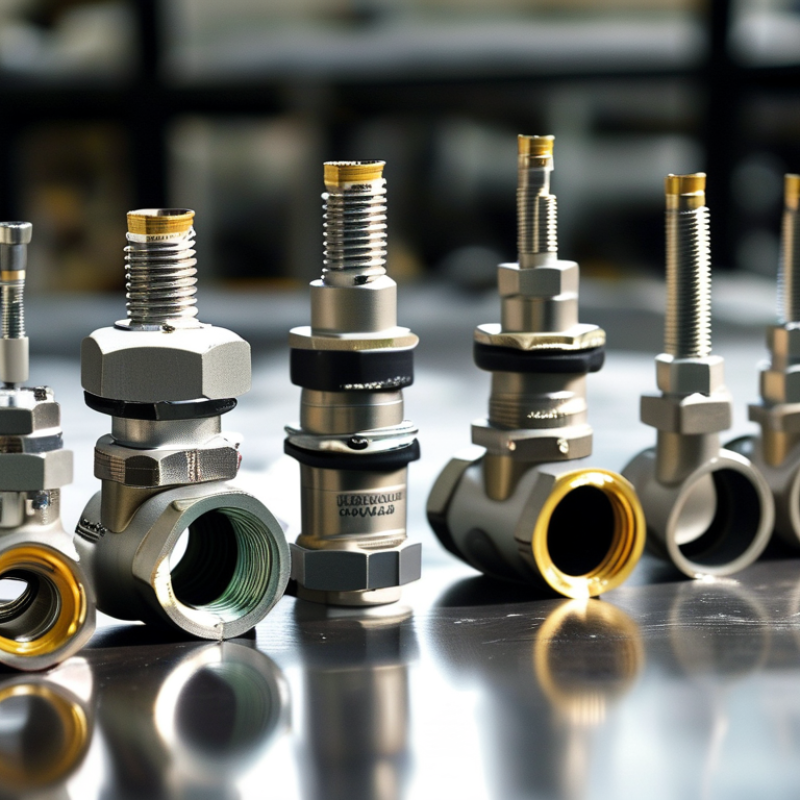
A discharge hose coupler connects flexible hose sections to pumps, pipes, tanks, or outlet fittings. It creates a sealed passage for moving liquids, slurries, or other approved materials. During operation, pressure pushes fluid through the hose while the coupler prevents leakage at the joint. Common options include threaded, flanged, cam-and-groove, quick-connect, and dry-disconnect designs. Each design handles connection speed, pressure, vibration, and maintenance differently.

A reliable choice starts with hose diameter, working pressure, temperature, and fluid compatibility. The coupling material must resist corrosion, while the gasket should match the transported medium. For example, a loose gasket may cause dripping, air entry, or sudden pressure loss. A locking mechanism also matters when the hose moves across a wet floor or uneven yard. In practical installations, couplers can appear strong but still fail because the hose wall, clamp, or seal was overlooked. No selection chart is perfect. Field conditions often challenge neat specifications.

Tips: Check the internal diameter before ordering. Confirm both connection ends and thread direction. Inspect seals for cuts, flattening, or hardening. Tighten fittings evenly, but avoid excessive force. Test the assembled line at a controlled pressure before regular use. A short trial can reveal surprising alignment problems.

Key Coupler Types for Industrial and Commercial Discharge Systems

Industrial and commercial discharge systems need couplers that match the hose, fluid, pressure, and working environment. The most common options include cam-and-groove, threaded, flanged, quick-connect, dry-disconnect, sanitary clamp, lever-lock, twist-lock, bayonet, and claw couplers. Each type supports a different balance between speed, sealing, strength, and maintenance.

Cam-and-groove couplers suit frequent hose changes and general liquid transfer. Threaded couplers provide reliable engagement, but cross-threading remains a practical concern. Flanged couplers handle larger diameters and higher mechanical loads. Quick-connect designs reduce installation time. Dry-disconnect couplers help limit spills during separation. Sanitary clamps support cleaner processing areas and simpler inspection. Lever-lock and claw couplers are useful where rugged handling matters. Bayonet and twist-lock types can resist accidental release when correctly secured.

Material selection deserves close attention. Stainless steel may support corrosion resistance, while reinforced polymers can reduce weight. Gaskets must match temperature, pressure, and chemical compatibility requirements. A coupler should also fit the hose’s inner diameter without creating a restrictive flow path. Field checks often find mismatched seals, worn locking arms, or missing safety pins. Small details matter. Buyers should verify working pressure, vacuum rating, connection standards, and replacement availability across regions. A perfect coupler rarely exists. In some installations, faster connection creates more inspection work, and that trade-off deserves honest review.

Top 10 Discharge Hose Coupler Options for Global Buyers - Key Coupler Types for Industrial and Commercial Discharge Systems
Rank Coupler Type Common Connection Typical Nominal Sizes Typical Working Pressure Typical Temperature Range Common Materials Best-Fit Discharge Applications Key Advantages Important Selection Notes
1 Cam-and-Groove Quick Coupling Cam arms with adapter and coupler halves; hose shank, male thread, female thread or flange options 1/2 to 8 in Approximately 7 to 17 bar, depending on size, material and service Approximately -40 to 120°C, depending on gasket and material Polypropylene, stainless steel, aluminum, brass, ductile iron Water, wastewater, fuels, chemicals, agricultural liquids and general fluid transfer Fast manual connection
No tools normally required
Widely available
Use a compatible gasket; cam couplings should not be disconnected under pressure. Confirm the selected material and pressure rating for the fluid.
2 Dry-Disconnect Coupling Self-sealing male and female halves with locking sleeve, threaded collar or bayonet-style mechanism 3/4 to 4 in Approximately 10 to 25 bar Approximately -40 to 100°C, depending on seal compound Stainless steel, carbon steel, aluminum, reinforced thermoplastics Hazardous chemicals, solvents, fuels, pharmaceutical liquids and spill-sensitive transfer Low spillage
Reduced vapor release
Improved operator protection
Check residual-pressure capability, seal compatibility, locking method and whether the coupling is approved for the specific hazardous or flammable service.
3 Quick-Disconnect Hydraulic Coupling Plug-and-socket connection with sleeve, ball or poppet valves 1/4 to 2 in Approximately 100 to 350 bar for common hydraulic designs Approximately -25 to 120°C, depending on seal material Plated carbon steel, stainless steel, brass High-pressure washdown, hydraulic discharge equipment, mobile pumps and compact transfer lines High pressure capability
Compact design
Automatic shutoff options
Hydraulic quick couplings are not automatically suitable for large-volume chemical or fuel transfer. Verify flow capacity, pressure drop and connection profile.
4 Threaded Hose Coupling NPT, BSPP, BSPT or other national pipe-thread connections 1/4 to 6 in Approximately 10 to 40 bar, subject to thread, material and size Approximately -40 to 150°C, depending on gasket or sealant Brass, stainless steel, carbon steel, malleable iron, nylon Permanent or semi-permanent discharge lines, utility water, compressed air and general industrial liquids Simple construction
Low purchase cost
Broad thread availability
Do not mix incompatible thread forms. Threaded joints require correct sealing practice and may be slower to connect than lever-operated designs.
5 Flanged Hose Coupling Fixed or swivel flange with gasket and bolted connection; commonly based on ASME or EN flange dimensions 1 to 24 in Approximately 10 to 40 bar, depending on flange class, temperature and size Approximately -40 to 200°C, depending on gasket and lining Carbon steel, stainless steel, ductile iron, rubber-lined steel Large-diameter water, slurry, dredging, mining, municipal and process discharge systems High mechanical strength
Suitable for large bore
Good alignment control
Match flange drilling, pressure class, gasket type and bolt material. Installation generally requires tools and adequate bolt tightening.
6 Storz-Style Symmetrical Coupling Symmetrical claw connection locked by turning the two coupling halves together 1 to 8 in Approximately 6 to 16 bar Approximately -40 to 80°C, depending on gasket and body material Aluminum, stainless steel, brass, thermoplastics Fire-water systems, dewatering, municipal pumping, irrigation and emergency fluid transfer Non-directional halves
Quick handling
Useful for temporary lines
Coupling dimensions and claw spacing must match exactly. Use a safety restraint or locking device where hose movement or pressure surges are possible.
7 Bauer-Style Lever-Lock Coupling Male and female spherical ends joined by a clamp or lever-lock mechanism 2 to 8 in Approximately 6 to 16 bar Approximately -20 to 80°C, depending on seal and lining Galvanized steel, stainless steel, aluminum, engineered plastics Slurry, irrigation, agricultural pumping, construction dewatering and wastewater bypass systems Fast field assembly
Angular flexibility
Good for movable hoses
Inspect the sealing ring and locking mechanism regularly. Confirm compatibility with abrasive slurry, solids concentration and expected bending loads.
8 Sanitary Clamp Coupling Ferrule, gasket and hinged clamp; commonly used with hygienic tube connections 1/2 to 6 in Approximately 6 to 16 bar Approximately -20 to 150°C, depending on elastomer and cleaning cycle 304 or 316 stainless steel, silicone, EPDM, PTFE, FKM Food, beverage, dairy, cosmetics, biotechnology and pharmaceutical discharge lines Cleanable design
Low crevice potential
Tool-light assembly
Select a hygienic surface finish and a gasket approved for the process. Confirm compatibility with CIP, SIP, steam and cleaning chemicals.
9 Rotary Union or Swivel Discharge Coupling Threaded, flanged or hose-end connection incorporating a rotating joint 1/2 to 6 in Approximately 7 to 40 bar, depending on design and rotation speed Approximately -20 to 180°C, depending on seal and bearing arrangement Stainless steel, carbon steel, brass, PTFE, graphite and elastomers Reels, loading arms, rotating machinery, tanker unloading and hose systems exposed to torsion Reduces hose twisting
Improves operator handling
Supports repeated movement
Check allowable rotation speed, pressure, bending moment, swivel orientation and seal life. A swivel does not replace a hose safety restraint.
10 Composite or Lightweight Thermoplastic Coupling Cam-lock, threaded or barbed configuration with reinforced polymer body 1/2 to 4 in Approximately 5 to 15 bar Approximately -30 to 80°C, depending on polymer and gasket Polypropylene, nylon, glass-reinforced polymer, polyethylene, EPDM and FKM Portable water transfer, agricultural chemicals, light industrial liquids and temporary discharge systems Lightweight
Corrosion resistant
Easy to transport
Use only within the manufacturer’s fluid, temperature and pressure limits. Avoid excessive tightening, impact loading and exposure to incompatible solvents.

Note: Pressure, temperature and size ranges are representative industry ranges rather than universal ratings. Final selection should be based on the actual fluid, concentration, hose construction, flow rate, surge pressure, ambient conditions, connection standard and applicable local regulations.

How to Compare Coupler Materials, Sizes, and Pressure Ratings

Discharge hose couplers are small components, but they control flow, sealing, and connection safety. Global buyers should compare material, size, and pressure ratings together, not separately. Stainless steel suits corrosive water and demanding outdoor service. Aluminum reduces weight for frequent handling. Ductile iron offers strength for heavy-duty pumping, while reinforced polymers can lower cost and resist selected chemicals. Compatibility depends on the fluid, temperature, hose lining, and cleaning method. A material that works with water may fail quickly with abrasive slurry or aggressive chemicals.

Match the coupler’s nominal size to the hose’s actual inside diameter. A loose fit can create turbulence, leakage, and premature wear. A restricted opening may reduce pump output and increase energy use. Measure the hose rather than trusting an old label. Small differences matter. Thread, flange, and quick-connect patterns also require careful checking. On site, I have seen a correctly sized hose paired with an incompatible sealing face. The connection looked secure, but it leaked during startup.

Pressure comparison requires more than reading one number. Check the rated working pressure, temperature range, and pressure surge allowance. Burst pressure is not a normal operating target. Pumps can create sudden spikes when valves close quickly. Consider the weakest part, including clamps, gaskets, adapters, and the hose itself. Pressure charts are useful, but they may not reflect worn equipment or poor alignment. A practical review should include inspection access, replacement availability, and documented test data from a reliable supplier.

Top 10 Discharge Hose Coupler Options for Global Buyers

Comparison of commonly specified discharge hose couplers by nominal size, material, and maximum working pressure. Ratings are representative industry specifications and should be verified against the selected hose, connection standard, temperature, and safety requirements.

How to compare: Higher pressure capacity is not the only selection factor. Stainless steel generally provides stronger corrosion resistance, aluminum reduces weight, polypropylene offers economical chemical resistance, and carbon steel is commonly selected for robust general-purpose service. Confirm coupling compatibility, nominal size, seal material, and operating temperature before purchase.

Top Ten Discharge Hose Coupler Options for Global Buyers

Top Ten Discharge Hose Coupler Options for Global Buyers

Selecting a discharge hose coupler starts with the medium, pressure, temperature, and connection frequency. The ten practical options are cam-and-groove, threaded, flanged, quick-connect, dry-disconnect, sanitary clamp, Storz, fire-hose, flat-face, and bolted sleeve couplers. Cam-and-groove designs suit frequent transfers. Flanged couplers handle rigid, high-pressure systems. Dry-disconnect types reduce spillage during repeated loading.

MarketsandMarkets reported that the industrial hose market could grow from approximately USD 14.9 billion in 2023 to USD 19.1 billion by 2028. This growth reflects wider fluid-transfer demand, not couplers alone. That distinction matters. Buyers should not treat market growth as proof of universal compatibility.

Check nominal diameter, working pressure, material resistance, gasket composition, and operating temperature. ISO 7241 provides useful guidance for hydraulic quick couplings, while EN 14420 standards support several hose assembly connection designs.

Field inspections often reveal simple failures. A gasket may swell after contact with an unsuitable chemical. A threaded joint may loosen under vibration. Stainless steel can improve corrosion resistance, but it does not automatically suit every medium. Confirm the actual hose movement and bend radius.

Test the assembly before full operation. This step is sometimes skipped, and that is a costly mistake. Request traceable material records, pressure-test evidence, and clear maintenance instructions. A coupler that connects quickly but cannot be inspected easily may create more work later.

Choosing Couplers for Chemicals, Water, Fuel, and Slurry Applications

Top 10 Discharge Hose Coupler Options for Global Buyers

Choosing couplers for chemicals, water, fuel, and slurry requires more than matching diameter. Water transfer commonly uses camlock, threaded, quick-release, flanged, and sanitary couplers. The UN-Water World Water Development Report 2024 states that agriculture accounts for about 70% of global freshwater withdrawals. That scale makes leakage control and service life important.

For chemicals, consider PTFE-lined, polypropylene, stainless-steel, and dry-break couplers. Always verify chemical compatibility, temperature, pressure, and permeation data. A material that survives water may soften in solvent service.

Fuel systems

Fuel systems often need API-style, dry-disconnect, swivel, or breakaway couplers. Select assemblies that control sparks, static, and accidental release. NFPA 30 provides widely used guidance for flammable-liquid handling.

Slurry

Slurry needs abrasion-resistant couplers, heavy-duty camlock designs, grooved couplings, or flanged connections. Particle size matters. Fine sand and sharp mineral fragments can quickly damage sealing faces.

The ISO 18752 hose classification helps buyers compare pressure performance, but it does not replace coupler testing. This is where many specifications remain incomplete.

Tips:

Request a complete fluid profile, including concentration and temperature. Test the gasket with the actual medium. Confirm thread standards before ordering. Keep spare seals onsite. A cheaper coupler can become expensive after one shutdown. The WHO/UNICEF JMP 2023 report found 2.2 billion people lacked safely managed drinking water in 2022, reminding buyers that reliable transfer equipment supports essential infrastructure. Do not assume every “universal” fitting is genuinely universal.

International Standards, Compatibility, and Sourcing Considerations

Top 10 Discharge Hose Coupler Options for Global Buyers

International Standards, Compatibility, and Sourcing Considerations

Selecting among ten discharge hose coupler options requires more than comparing price and appearance. Common choices include camlock, threaded, flanged, dry-break, and quick-connect designs. Each serves different pressure, temperature, and fluid-transfer needs. A familiar fitting may still fail when thread profiles differ.

International standards improve consistency, but they do not guarantee universal compatibility. Buyers should check EN 14420 requirements, ISO references, and applicable regional specifications. Confirm the exact thread type, nominal diameter, sealing method, and pressure rating. Metric and imperial threads can look almost identical. They are not interchangeable.

Material selection needs equal attention. Stainless steel, polypropylene, brass, and aluminum each suit different operating conditions. Seal compounds must match the transferred liquid and temperature range. Ask suppliers for dimensional drawings, material certificates, pressure-test records, and batch traceability. Request samples before approving large quantities.

A catalog match can still fail in the field. Site measurements often reveal limited clearance or excessive hose bending. This is where sourcing becomes practical, not theoretical. Evaluate minimum order quantities, spare-part availability, inspection procedures, and delivery reliability. Factory audits can expose weak documentation. They can also reveal inconsistent finishing. No standard removes the need for testing. A controlled trial remains wise.

High-Quality 2-Inch Layflat PVC Hose for Efficient Garden Irrigation from Factory Outlet Suppliers

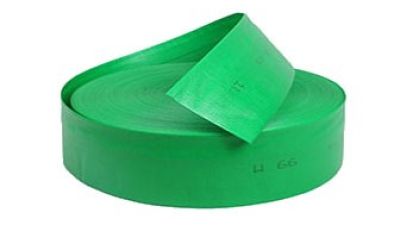
A high-quality 2-inch layflat PVC hose is a practical solution for efficient garden irrigation, especially when large areas require steady water delivery. Its wide diameter supports strong flow, helping distribute water across lawns, vegetable beds, nurseries, and landscaping projects with less time spent repositioning equipment. Factory outlet suppliers can provide durable hose options suitable for regular watering, drainage, and general fluid-management tasks.

Unlike bulky conventional hoses, the layflat design can be rolled or folded after use, making it easy to store in a shed, vehicle, or compact utility area. Its lightweight construction also simplifies transportation between different sections of a garden or worksite. The flexible PVC material can move around trees, garden borders, and sharp turns without becoming difficult to handle, while smooth unrolling helps reduce preparation time.

For dependable outdoor performance, reinforced PVC construction offers resistance to abrasion, punctures, repeated bending, and sunlight exposure. This durability supports long-term use in changing weather conditions and demanding irrigation routines. The hose can also serve agricultural, landscaping, vehicle-support, and emergency water-transfer applications when convenient storage and adaptable handling are important.

FAQS

What does a discharge hose coupler do?

It joins flexible hoses to pumps, pipes, tanks, or outlet fittings. A sealed path matters. The coupler helps control leakage while liquid moves under pressure.

Which coupler types are commonly available?

Common choices include cam-and-groove, threaded, flanged, quick-connect, and dry-disconnect designs. Sanitary clamps, grooved couplings, and bolted sleeves also serve specific systems. Each option differs in speed, pressure handling, vibration resistance, and maintenance.

How should I choose the correct coupler size?

Measure the hose’s internal diameter before ordering. Confirm both connection ends and thread direction. A small mismatch can restrict flow or prevent proper sealing. Nominal size alone is not enough.

What information should I check before selecting materials?

Check the liquid, concentration, temperature, pressure, and exposure time. The coupler and gasket must tolerate the actual medium. A seal suitable for water may soften in another liquid. Compatibility tables can still be incomplete.

Which couplers suit slurry transfer?

Abrasion-resistant cam-and-groove, grooved, or flanged couplers often suit slurry service. Particle size matters. Sharp mineral fragments can damage sealing faces quickly. Inspect wear more often than expected.

Why can a seemingly strong coupler still fail?

The hose wall, clamp, gasket, or alignment may be the weak point. Vibration can loosen threaded connections. A flattened gasket may cause dripping or pressure loss. Strength is not the whole story.

How can I test a newly assembled hose line?

Inspect the gasket for cuts, hardening, or swelling. Tighten fittings evenly without excessive force. Test the assembly at controlled pressure before regular operation. A short trial may reveal surprising alignment problems.

What maintenance items should be kept available?

Keep spare seals, suitable clamps, and basic inspection tools onsite. Check connection points regularly for movement, leakage, and corrosion. Record pressure-test results when practical. I would not trust a “universal” fitting blindly.

Conclusion

This guide explains what a Discharge Hose Coupler is, how it connects flexible hoses to pumps, pipes, tanks, and other equipment, and why correct selection matters for safe and efficient fluid transfer. It reviews common coupler designs used in industrial and commercial systems, including threaded, cam-and-groove, flanged, quick-connect, and specialized options. Buyers will learn how to compare materials, connection sizes, sealing methods, temperature limits, flow requirements, and pressure ratings before making a purchase.

The article also presents ten practical Discharge Hose Coupler options for global buyers, organized by application and operating conditions. It discusses suitable choices for water, chemicals, fuel, slurry, and other demanding fluids, while emphasizing material compatibility, corrosion resistance, abrasion protection, and leak prevention. International standards, dimensional compatibility, documentation, quality inspection, packaging, and supplier communication are also covered to help buyers reduce sourcing risks and select reliable couplers for long-term service.

Blog Tags:

    Sophia

    Sophia

    Sophia is a dedicated marketing professional with extensive expertise in the tarpaulin industry. With her wealth of knowledge and experience, she plays a pivotal role in promoting her company's diverse range of high-quality tarpaulin products. Currently, she is part of a leading organization that......
    Previous 10 Tips for Choosing the Best Agricultural Tarps