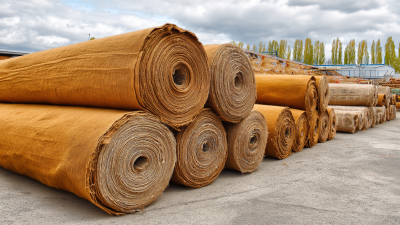
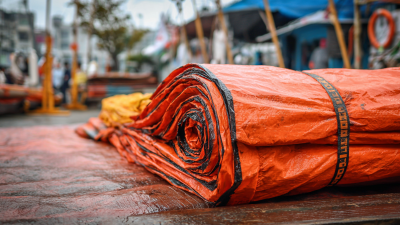
Trying to source polyethylene canvas from China isn’t exactly a walk in the park — it takes some careful planning. This material is super versatile and tough, making it perfect for a bunch of things like outdoor covers, tents, or even industrial projects. Lots of businesses depend on it for their needs.
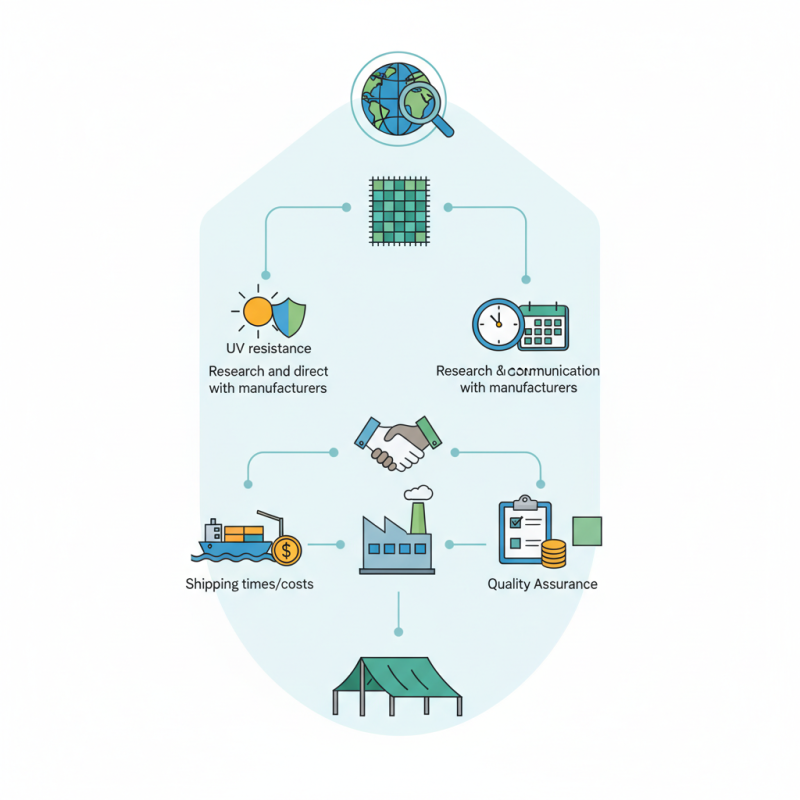
Now, here’s the thing: not all polyethylene canvas is created equal. Some suppliers offer UV-resistant options, which really boost its durability and lifespan, but you’ve gotta do your homework to find the good ones. Companies like Beijing Tarpaulin Co. have a variety of options, but keep in mind, not every supplier is top-notch. It’s definitely worth digging around and reaching out directly to manufacturers so you know what you’re getting.
Finding a reliable supplier can be pretty tricky — shipping times and costs are often overlooked, and that can cause some headaches down the line. And don’t forget to check the quality; always ask for samples before committing. A bit of research and a thoughtful approach will go a long way in making sure you get quality stuff without any surprises in the end.
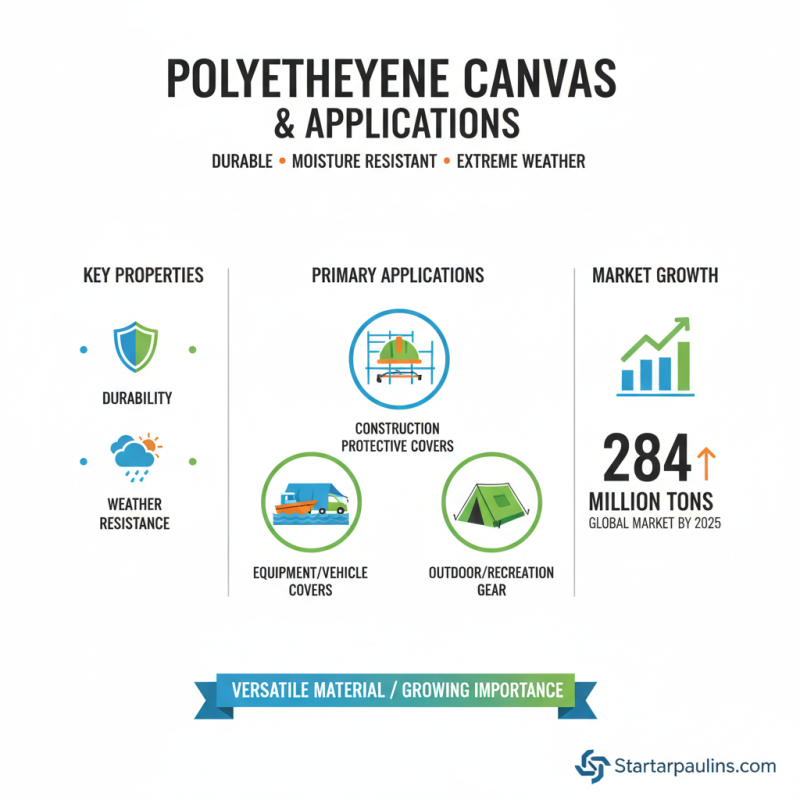
Polyethylene canvas is a versatile material with numerous applications. It is characterized by its durability, resistance to moisture, and ability to withstand extreme weather conditions. In construction, Polyethylene Tarps are frequently used for protective covering. They shield materials from rain and UV exposure, enhancing project longevity. Reports indicate that the global polyethylene market is projected to reach 284 million tons by 2025, underscoring its growing importance in various industries.
When sourcing polyethylene canvas, consider the weight and thickness of the fabric. Thicker materials offer more durability but may be more difficult to work with. For heavy-duty applications, a 20-mil thickness is recommended. Meanwhile, lighter options work well for temporary uses, such as camping or outdoor events.
Tip: Always check the specifications. Specifications include tensile strength and resistance to tearing. Understanding these features can save money and effort in the long run.
Additionally, explore sustainable options. Eco-friendly polyethylene canvases are becoming popular, catering to environmentally conscious consumers. A study found that sustainable materials can improve brand perception among 73% of customers. This suggests that sourcing sustainable polyethylene tarps may enhance your market appeal.
When sourcing Tarp Polyethylene in China, finding reliable suppliers is crucial. Many companies offer these products, but not all can be trusted. Reviewing their reputation online can provide insights. Look for suppliers with positive feedback and a track record of delivering quality goods.
Communication plays a vital role in supplier selection. Reach out to potential partners with clear questions. Ask about their production processes and quality control measures. It’s important to note that language barriers may cause misunderstandings. Be ready for some imperfections in communication. You may need to repeat points or clarify details to ensure everyone is on the same page.
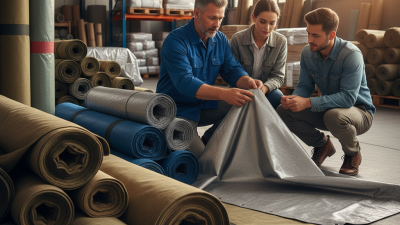
Always request samples before placing large orders. This step lets you assess the quality of the polyethylene canvas firsthand. Some suppliers may hesitate at this stage, which could be a red flag. Trust your instincts. Take the time to evaluate each supplier carefully and reflect on their practices. A thorough check might save you from issues later on.
When sourcing polyethylene canvas from China, evaluating product quality is crucial. Polyethylene canvas has wide applications, from tents to tarpaulins. According to market reports, the global polyethylene fabric market is projected to reach $15 billion by 2026. This growth indicates increased competition and varying quality standards.
Focus on key aspects when assessing quality. Determine the thickness and weight of the canvas. Generally, heavier materials indicate durability. Many suppliers offer various gauges, typically ranging from 300 to 700 GSM (grams per square meter). Pay attention to the UV resistance, water resistance, and tear strength. A good product should withstand various conditions without degrading.
Inspect the supplier's production process. Are they ISO-certified? What materials do they use? Transparency is vital. However, not all suppliers share this information readily. Therefore, request samples. Examine the stitching and finishing. Poorly finished edges can lead to premature wear. A simple test can reveal issues: stretch the material and check for tears. These small details often highlight significant quality differences. Choose wisely and ensure your investment yields long-term benefits.
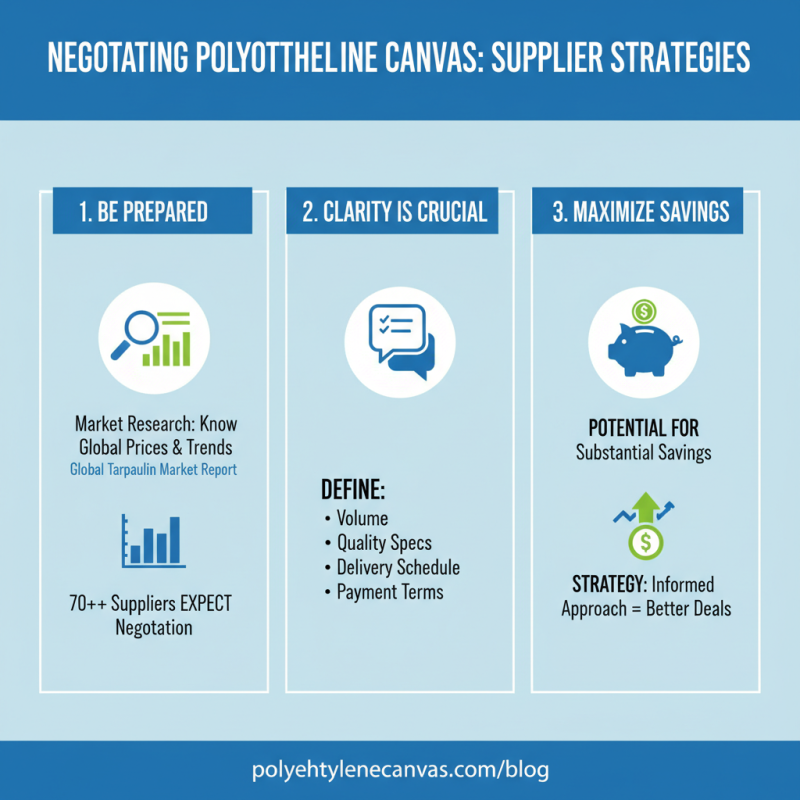
When negotiating prices with suppliers for polyethylene canvas, clarity is crucial. Research indicates that more than 70% of suppliers expect negotiations. A well-prepared approach can lead to significant savings. Always start by knowing the market price. According to the Global Tarpaulin Market report, prices fluctuate based on demand and material costs.
During discussions, focus on both price and terms. A good negotiation encompasses delivery schedules, payment terms, and quality assurances. Ensure your supplier understands your requirements for Polyethylene Tarpaulin. Defining your standards can prevent misunderstandings down the line. Be cautious; overly aggressive tactics can backfire.
Listening plays a huge role in successful negotiations. Often, suppliers will reveal insights about pricing trends and potential discounts. It’s essential to be flexible and open to alternatives. A proposal might evolve when new information surfaces. Leveraging these tactics can be beneficial, especially in a competitive market where prices are volatile. Always document agreements to avoid future disputes.
When sourcing polyethylene canvas from China, understanding shipping and import regulations is vital. The complexities can be daunting, but being informed makes a difference. Different regions have varied requirements. Compliance with these regulations is non-negotiable. Failure to do so can result in delays or fines.
Tip: Research the customs regulations specific to your country. Each jurisdiction has its own import duties and tariffs. You can find resources online, but consulting with a local expert can provide clarity. This investment can save you a lot in the long run.
Also, shipping methods can impact delivery time and costs. Sea freight is often cheaper but slower. Air freight costs more but offers speed. Assess your needs based on budget and urgency.
Tip: Keep track of shipping dates. Delays can affect your inventory. You don't want to run out of your Tarpaulin Polyethylene supplies at a crucial moment. Reflect on your logistics. Are you prepared for unexpected changes? Stay proactive in your planning.
Managing inventory and supply chain logistics is crucial when sourcing polyethylene canvas wholesale from China. Efficient tracking of your stock levels is essential. It helps prevent overstocking or stockouts. Use inventory management software to help streamline this process. You can gain visibility into your inventory and make data-driven decisions. However, reliance on technology may sometimes create blind spots. Regular physical audits can help uncover discrepancies.
The logistics of getting products from China can be complex. Multiple factors come into play, such as shipping times, customs clearance, and unforeseen delays. Establish good relationships with suppliers and shipping companies. Communication is key. Regular updates can help you anticipate issues. Packaging details also matter. Ensure that your products are well-packaged to avoid damage during transit.
Managing returns can be a pain point. A clear return policy can save time and headaches. Customers appreciate clarity while making a purchase. Responding quickly to inquiries builds trust. Consider tracking customer feedback to improve your processes. In some cases, implementing changes may prove challenging. Reflecting on these areas can lead to better practices over time.
| Supplier Type | Quality Standard | Lead Time (Days) | Minimum Order Quantity | Cost per Unit (USD) |
|---|---|---|---|---|
| Local Manufacturer | ISO 9001 | 30 | 500 | 2.50 |
| International Exporter | CE Marking | 45 | 1000 | 2.00 |
| Wholesale Distributor | ASTM Certified | 25 | 300 | 3.10 |
| Online Supplier | Factory Audit | 15 | 200 | 2.80 |
When sourcing polyethylene canvas from China, focus on sustainability. The production process involves significant resources. It's crucial to understand how these materials are made. Research suppliers who utilize eco-friendly practices. Look for manufacturers that use recycled materials or implement waste reduction strategies. This approach not only benefits the planet but also enhances your brand's reputation.
Ethical sourcing is equally important. Verify labor practices at the manufacturing facilities. Are the workers treated fairly? Transparency is essential. Many suppliers may claim ethical practices, but proof is vital. Consider engaging third-party audits to ensure compliance. This step may require additional costs, but it's worth the investment. Sustainable and ethical sourcing protects your business in the long run and aligns with global trends.
While aiming for efficiency, avoid cutting corners. Inexpensive options may pose risks related to quality and ethics. Reflect on the balance between cost and responsibility. Short-term savings can lead to long-term challenges. Developing a responsible sourcing strategy is a journey; it requires commitment and continuous improvement. Aim for suppliers who align with your values and contribute positively to the environment.
: It is a durable material resistant to moisture and extreme weather.
It is used in construction, tents, tarpaulins, and outdoor covering.
Thicker canvas offers durability. A 20-mil thickness is best for heavy-duty uses.
Check the thickness, weight, UV resistance, and tear strength before purchasing.
Examine the supplier’s production process and request samples for quality assessment.
Use inventory management software but remember to conduct regular physical audits.
Shipping times, customs clearance, and potential delays can complicate transportation.
Good communication helps anticipate issues and strengthens relationships.
Implement a clear return policy, which can save time for both parties.
Eco-friendly options can enhance brand perception and appeal to conscious consumers.
When sourcing polyethylene canvas wholesale from China, it is crucial to understand its various applications, which range from industrial uses to outdoor gear. Identifying reliable suppliers is the first step, ensuring they meet quality standards through thorough evaluations. Negotiating favorable prices and terms can optimize costs, while navigating shipping and import regulations is essential to avoid delays and additional expenses.
Effective supply chain logistics and inventory management also play a significant role in maintaining a smooth operation. Furthermore, prioritizing sustainability and ethical sourcing practices not only enhances brand reputation but contributes positively to the industry. By following these essential tips, businesses can efficiently source high-quality polyethylene canvas that meets their needs while fostering responsible sourcing practices.