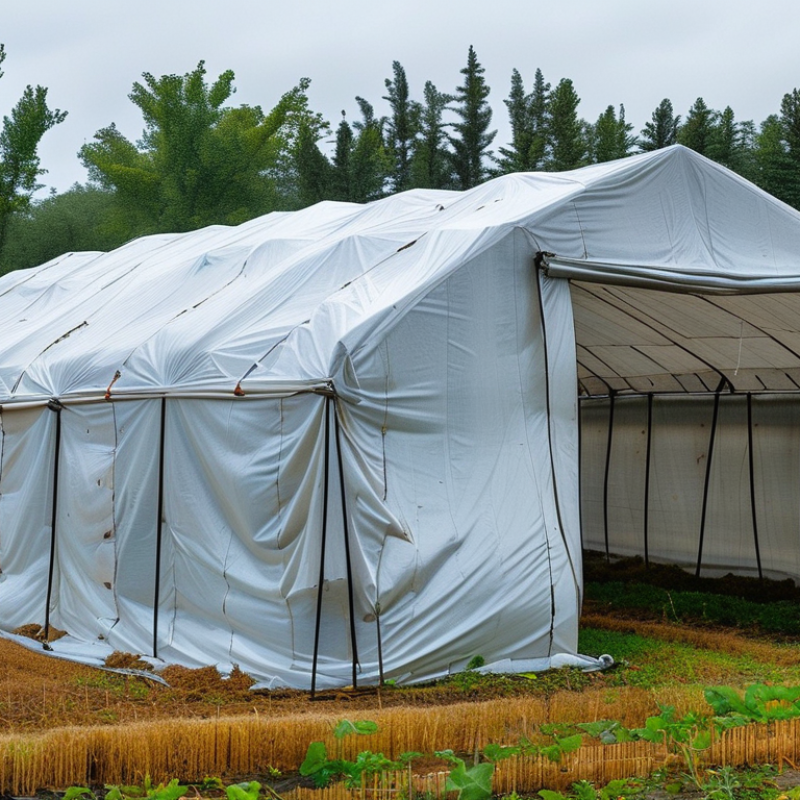
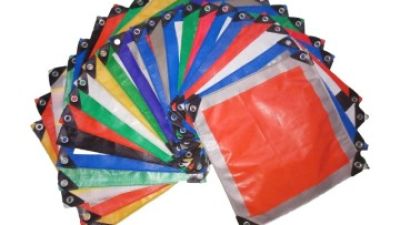
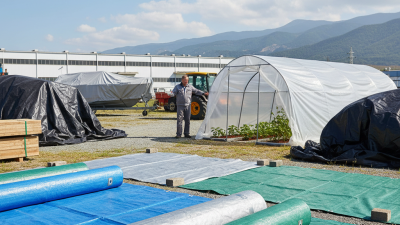
Picking out the right Agricultural Tarps isn’t just about comparing prices. I mean, farms are facing stronger sun than ever, more rainfall, wind, and unpredictable growing seasons. A tarp that keeps hay dry might not hold up over leafy greens. And what works well in a calm storage yard could totally rip apart in an open field during a storm.
Did you know the Food and Agriculture Organization reports that agriculture accounts for roughly 70% of all freshwater withdrawals worldwide? That’s huge—so controlling moisture isn't just a minor detail; it’s a top priority. They also point out that climate variability is putting more pressure on food production every year. On the flip side, the USDA’s 2022 Census of Agriculture shows nearly 1.9 million farms in the U.S., covering about 880 million acres. That’s a lot of different conditions and needs, which means no one-size-fits-all tarp.
Material quality really matters here. Things like UV resistance, waterproofing, breathability, reinforced edges, how far apart the grommets are, and whether it’s easy to repair—all those little details count. Sure, a tough polyethylene tarp will keep out rain, but it might trap condensation and damage your stored crops. On the other hand, a breathable fabric can cut down on moisture buildup but might not be as weatherproof. It’s a bit of a balancing act.
And don’t just think short-term—consider how your tarp will perform over multiple seasons.
In this guide, I’ve put together 10 practical tips to help you pick the best agricultural tarp. I’ve looked at things like what you're covering (crop type), how big the area is, your climate, how you’ll install it, how long you need it to last, and what it costs to operate over time. These tips are backed up by advice from agricultural extension services, manufacturer details, and real-world farm experience. That said, there’s no perfect checklist—things like soil conditions, wind direction, storage habits, and maintenance schedules can really change what works best. Usually, the best tarp is the one that genuinely fits your specific needs rather than just the most expensive or popular choice.
Agricultural Tarpaulins serve several practical purposes on farms, from crop protection to equipment storage. Their value depends on matching the tarp to the job. A breathable cover can protect hay while reducing trapped moisture. A waterproof sheet works better over trailers, tools, and stacked supplies. Color and fabric weight also matter under strong sunlight.
During wet seasons, farmers often use tarps to cover harvested grain, firewood, and feed bags. Secure edges with strong ropes, not loose stones that may shift in wind. Leave small ventilation gaps around stored hay. I once saw tightly covered bales develop a musty smell after several damp days. The cover was strong, but the airflow was poor.
Agricultural Tarpaulins can also create temporary shade for seedlings, livestock areas, or outdoor workspaces. Measure the full area before buying, including overlap and tie-down space. Check seams, eyelets, and worn corners after storms. A heavy tarp may last longer, but it can become difficult to handle alone. Do not ignore that detail. Regular cleaning prevents soil and plant residue from weakening the fabric. Even a quality cover can fail when dragged across sharp fencing or left rubbing against rough timber.
Choosing an Agricultural Tarpaulin begins with the crop, season, and exposure site. A cover for hay needs different protection from one used over seedlings. Polyethylene tarps resist rain and are easy to clean. Woven fabric adds tear resistance when wind pulls against the edges. PVC-coated material handles repeated movement, but it weighs more and may cost more. Check the material’s thickness, not only its advertised weight. Thin sheets can fail around sharp corners. They often do.
Construction details determine whether a tarp survives real farm work. Look for reinforced hems, strong eyelets, and evenly spaced attachment points. A generous hem distributes tension instead of concentrating it at one hole. UV treatment matters under long summer exposure. Without it, some plastics become brittle, crack, and shed small pieces. Water resistance is useful, but trapped condensation can damage stored hay or metal equipment. Leave planned ventilation where practical. Do not seal wet crops tightly.
Before buying, measure the area and add enough slack for secure anchoring. Excess fabric can flap violently; too little fabric exposes corners. I prefer testing one sample through a windy week before ordering many covers. It reveals weak stitching and awkward eyelet spacing. Still, one test cannot represent every storm. Inspect the tarp after installation, especially near posts and machinery. Repair small tears early with compatible patches, then replace the cover when the weave has lost strength. A cheaper tarp may become expensive after repeated replacement.
| Tip | Decision Factor | Recommended Material or Construction | Useful Specifications to Compare | Best Agricultural Applications | Important Considerations |
|---|---|---|---|---|---|
| 1 | Match the tarp to the job | Use woven, laminated polyethylene for general outdoor covering; PVC-coated polyester for demanding, long-term applications; treated canvas where limited breathability is beneficial. | Confirm waterproofing, UV treatment, fabric weight, finished size, and expected exposure time before ordering. | Equipment protection, hay and straw covering, temporary shelters, loads, and field storage. | A tarp designed for short-term transport may not withstand continuous wind, sunlight, or repeated handling. |
| 2 | Choose the correct material | Woven polyethylene: lightweight and economical. PVC-coated polyester: heavier and more abrasion-resistant. Canvas: breathable but generally less water-resistant. | Common fabric weights range from approximately 90–250 g/m² for many polyethylene tarps, while heavy PVC-coated fabrics are often approximately 450–900 g/m². | Polyethylene for general farm use; PVC-coated polyester for repeated use; canvas for ventilated covers and selected agricultural equipment. | Fabric weight is only one indicator. Coating quality, thread strength, hems, and attachment points also affect service life. |
| 3 | Check the weave and layer construction | Select a tightly woven base with a laminated or coated surface. Multi-layer polyethylene tarps commonly combine woven scrim with polyethylene films and an inner reinforcing layer. | Look for reinforced corners, sealed or folded hems, consistent lamination, and a dense weave without visible gaps or loose threads. | Grain piles, fertilizer protection, machinery covers, and hay or straw storage. | A coating can improve water resistance, but poor lamination may peel or crack after flexing, cold weather, or prolonged sunlight. |
| 4 | Prioritize UV resistance | Choose material containing UV stabilizers or a UV-resistant coating when the tarp will remain outdoors for weeks or months. | Compare the stated UV exposure rating, warranty conditions, color stability, and suitability for the intended climate. | Seasonal storage, livestock shelters, irrigation equipment, hay covers, and machinery stored outdoors. | Dark colors may absorb more heat, while fading, brittleness, and cracking are signs of ultraviolet degradation. |
| 5 | Verify waterproofing and breathability | Use coated or laminated polyethylene and PVC-coated polyester for waterproof coverage. Use treated canvas when some air exchange is preferred. | Check whether the product is described as waterproof or water-resistant, and review seam, edge, and grommet sealing details. | Waterproof materials suit equipment, feed, and dry crop protection; breathable materials can help reduce trapped condensation in suitable conditions. | No tarp completely prevents condensation when warm, moist air is trapped beneath an impermeable cover. Ventilation may still be necessary. |
| 6 | Select a practical fabric weight | Choose a lighter tarp for frequent handling and short-term use; choose a medium or heavy tarp for wind, abrasion, and extended outdoor exposure. | Typical categories include light-duty below about 150 g/m², medium-duty around 150–250 g/m², and heavy-duty above about 250 g/m²; classifications vary by supplier. | Light-duty: temporary covers. Medium-duty: general farm storage. Heavy-duty: machinery, bulk materials, and high-wind locations. | Heavier fabric usually improves durability but increases lifting effort, storage volume, and load on support frames. |
| 7 | Inspect hems, corners, and grommets | Prefer double-folded or rope-reinforced hems, reinforced corner patches, and corrosion-resistant grommets installed at regular intervals. | Common grommet spacing is approximately 0.5–1.0 m, depending on tarp size and intended load. Reinforced corners are essential for tensioning. | Wind-exposed covers, truck loads, hoop structures, hay stacks, and large equipment. | Grommets should not carry the entire load. Use straps, ropes, or clamps that distribute tension across the hem. |
| 8 | Allow for wind and tension | For windy areas, choose a strong woven base, reinforced perimeter, and multiple attachment points. Consider mesh or vented designs for wind-sensitive structures. | Compare tear resistance, tensile strength, corner reinforcement, attachment spacing, and the manufacturer’s recommended wind limits when available. | Open fields, livestock shelters, hoop houses, temporary structures, and covers installed above ground. | Wind can create lifting forces and flapping damage. Secure the entire perimeter and avoid sharp edges that can cut the fabric. |
| 9 | Measure the finished coverage area | Choose a tarp with enough additional material for overlap, edge wrapping, drainage, and secure tie-down points. | Measure length, width, height, and support spacing. Allow roughly 0.3–0.6 m of extra material per exposed edge when wrapping or anchoring. | Hay stacks, grain bins, trailers, machinery, greenhouse frames, and bulk material piles. | Nominal tarp dimensions may be slightly smaller than cut dimensions because of hems and finishing. Check the finished size before purchase. |
| 10 | Consider handling, maintenance, and reuse | Select a tarp that can be folded, cleaned, repaired, and stored without excessive difficulty. PVC-coated polyester is suitable for repeated use; polyethylene is easier to replace economically. | Review packed weight, repairability, cleaning instructions, storage requirements, mildew resistance, and availability of compatible repair tape or patches. | Reusable equipment covers, seasonal storage, transport protection, and farm operations requiring frequent installation. | Clean and dry the tarp before storage, avoid prolonged contact with chemicals or sharp surfaces, and repair small tears before they spread. |
Specification ranges are typical guidance only. Actual performance depends on fabric formulation, coating quality, construction, climate, installation, and maintenance.
Choosing an agricultural tarp starts with the area it must protect, not the color or lowest price. Measure the full length and width of the load, bed, tunnel, or equipment. Add enough material for side drop, tie-downs, and movement. A tarp that only covers the top may leave feed, soil, or machinery exposed during wind-driven rain. In my field checks, a 10 to 15 percent allowance often gives better coverage. Yet every site differs. Recheck your measurements after installing posts or frames.
Tip: Sketch the covered area before shopping. Mark corners, slopes, and attachment points. This simple step can prevent an expensive size mistake.
For hay stacks or loose materials, choose coverage that reaches low on each side without dragging on wet ground. Ground contact can collect mud and accelerate wear. For tractors and other equipment, allow ventilation around hot engines and exhaust areas. Oversized tarps can flap violently, while undersized tarps pull against grommets. Both problems shorten service life. A practical test is to secure one corner, then inspect how the fabric sits across the highest point. It should shed water, not form a pocket.
Tip: Compare usable coverage, not package dimensions alone. Seams, hems, and folded edges may reduce the area you can actually protect.
Think about weather exposure before selecting weight and reinforcement. A light cover may suit short-term shade, but repeated storms demand stronger edges and dependable tie-down spacing. Use straps or ropes that distribute tension. Pulling from one grommet can cause tearing. I have seen careful buyers choose a heavy tarp, then discover it cannot cover the entire stack. Strength does not replace correct sizing. Reconsider the plan when crops expand, equipment changes, or storage moves. Measure again.
A tarp that survives spring rain may fail under midsummer sun. NOAA’s 2023 Billion-Dollar Weather and Climate Disasters report recorded 28 U.S. events, including floods, storms, and severe winds. Weather changes fast. Agricultural covers need more than waterproof fabric.
During field inspections, check the coating, fabric weight, seams, and reinforced edges. A tarp rated only by thickness can disappoint. Look for UV stabilization, rust-resistant grommets, and tightly spaced attachment points. For heavy rain, compare hydrostatic pressure data rather than relying on the word “waterproof.” USDA’s 2022 Census of Agriculture counted about 1.9 million farms across nearly 879 million acres. Conditions differ widely, so one specification cannot suit every location.
Seasonal performance also depends on installation. Leave enough slack for temperature movement, but avoid loose sections that flap like sails. In winter, snow can collect in shallow folds and stretch the fabric permanently. In dry seasons, dust trapped against the surface may accelerate abrasion. Inspect corners after strong wind. Do not guess. Replace damaged webbing before the next storm.
A practical selection record should include local rainfall, wind exposure, sunlight hours, and expected storage time. I would also test a small section first. This step feels slow, but it can reveal cracking, leakage, or weak stitching before a full-cover purchase. The imperfect part is unavoidable: even a high-quality tarp needs regular inspection and sensible anchoring.
Choosing an agricultural tarp starts with weight, strength, and installation—not color or price. An Agricultural Waterproof Tarpaulin Supplier should provide fabric weight in grams per square meter, or GSM. Heavier fabric usually resists tearing better, but it can become difficult to lift across a large field. A 200–300 GSM tarp may suit seasonal crop coverage, while demanding sites may need reinforced, heavier material. Check the specification sheet carefully.
Tip 1: Test strength, not appearance. Ask for tensile, tear, and puncture results. ASTM D751 describes common coated-fabric testing methods. These figures reveal more than a glossy surface. FAO’s State of Food and Agriculture has reported that about 14% of food is lost between harvest and retail globally. Poor covering can worsen moisture, dust, and handling damage. Still, a tarp will not solve every storage problem. I once underestimated wind.
Tip 2: Inspect installation details. Reinforced edges, closely spaced eyelets, and rounded corners reduce stress during tying. Choose ropes or straps that grip without cutting the fabric. Tip 3: Consider daily handling. A cover that needs four workers may fail in practice. Leave airflow where condensation could collect. Measure the load first. Then check folding space, repair options, and UV resistance. Some “waterproof” claims feel too broad, so request test conditions and warranty limits before ordering.
Use these representative polyethylene tarp benchmarks to compare common duty levels. Heavier fabric generally improves durability, while reinforced edges and practical fastening points can reduce installation effort.
Fabric weight is shown in grams per square metre (g/m²). The strength and installation figures are typical planning benchmarks and should be verified against the supplier’s technical specification for the intended application.
Compare Maintenance Needs, Lifespan, and Overall Value
A tarp’s purchase price hides its real cost. The USDA’s 2022 Census of Agriculture counted about 1.9 million U.S. farms. For many operations, repeated replacement creates labor, transport, and crop-loss risks. I inspect tarps after storms, not only at installation. Look for brittle corners, stretched eyelets, flaking coatings, and water pooling. These details often reveal failure earlier than a product label.
Uv Tarps can reduce sunlight damage, but UV resistance is not permanent. The fabric’s weight, coating, stitching, and local exposure all matter. ASTM D751 evaluates coated fabrics for tensile strength, tear strength, and hydrostatic resistance. Ask suppliers for test results, not vague claims. NOAA’s ultraviolet guidance also shows that exposure varies sharply by season, altitude, and cloud conditions. A tarp used on a high, sunny field may age faster than one under partial shade.
Wash off soil before storage. Dry the tarp completely. Never drag it across gravel. Small punctures become expensive openings after wind stress. The FAO’s post-harvest guidance repeatedly links moisture control with reduced storage losses, yet maintenance habits are easy to neglect. I have also overestimated lifespan when a tarp looked clean but had weakened stitching. That mistake matters. Compare expected service years, repairability, warranty terms, and installation labor. The cheapest cover can become the costliest choice.
Outdoor farms and truck fleets face increasingly demanding weather exposure. The World Meteorological Organization reported that 2023 was the warmest year on record, with global mean surface temperature approximately 1.45°C above the pre-industrial average. For agricultural equipment, hay, construction materials, and freight, this trend reinforces the need for covers that resist rain, sunlight, wind, and repeated handling rather than relying on thin seasonal sheets.
PE, PP, and PVC each serve different purposes. Woven PP is lightweight and economical for temporary crop or landscaping use, while PVC offers superior abrasion resistance and a heavier, more flexible coating for long-term truck and industrial applications. For balanced weight, waterproofing, and cost, a double-faced flame-retardant PE tarpaulin is a practical choice. Its interwoven grid improves tensile and tear resistance, while dual polyethylene coatings create a reliable barrier against torrential rain. UV-resistant material helps reduce brittleness during prolonged sun exposure, and the flexible structure supports folding, loading, and installation.
For farms and transport operators, reinforced edges and rust-proof grommets are essential because fastening points often receive the greatest wind stress. The International Labour Organization identifies agriculture and construction among the world’s higher-risk work sectors, making flame-retardant materials valuable where covers are used near machinery, heat, or temporary work areas. Custom dimensions can reduce exposed gaps on truck beds and storage stacks, while wholesale production supports consistent protection across multiple vehicles, buildings, and outdoor work zones.
: They protect hay, grain, firewood, feed bags, tools, trailers, and outdoor equipment. They can also provide temporary shade. Choose the fabric for the task.
Use breathable material for hay when moisture must escape. Choose waterproof fabric for trailers, tools, and stacked supplies. Poor airflow can create a musty smell.
Measure the complete length and width of the covered area. Add space for side drops, overlaps, tie-downs, and movement. A 10 to 15 percent allowance often helps.
An undersized tarp can expose supplies to wind-driven rain. An oversized tarp may flap violently and stress its eyelets. Neither option is ideal.
Use strong ropes or straps through several attachment points. Distribute tension across the edges. Avoid relying on loose stones.
Yes, leave small gaps around covered hay. Airflow reduces trapped moisture and unpleasant odors. A tight cover is not always better.
Keep it away from sharp fencing, rough timber, gravel, and wet ground. Do not drag the fabric. Clean off soil and plant residue.
Check it after storms and before long-term storage. Look for brittle corners, stretched eyelets, damaged seams, and pooling water. Small failures grow quickly.
Not necessarily. A heavy tarp may last longer but become difficult to handle alone. Compare durability, repairability, warranty terms, and installation labor. I have chosen strength before checking size. That was a mistake.
Strong sunlight can weaken fabric, coatings, and stitching over time. Exposure varies with season, altitude, clouds, and available shade. UV resistance helps, but it is not permanent.
Choosing the right Agricultural Tarps begins with understanding how you plan to use them, whether for covering hay, protecting crops, sheltering equipment, or managing temporary storage. Consider the material and construction carefully, as different fabrics and coatings offer varying levels of flexibility, durability, water resistance, and protection from sunlight. The tarp should also match the size of your farming area, allowing enough coverage without creating unnecessary excess that can be difficult to secure.
Weather conditions and seasonal demands are equally important. Select a tarp that can withstand wind, rain, snow, and extended outdoor exposure while remaining practical to handle. Check its weight, tear strength, reinforced edges, grommet placement, and ease of installation before purchasing. Finally, compare maintenance requirements, expected lifespan, and total value rather than focusing only on the initial price. A well-chosen tarp should be easy to clean, simple to store, and durable enough to provide reliable protection across multiple farming seasons.