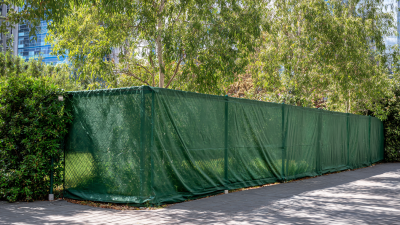
Picking the right tarpaulin fabric for your project is super important — and honestly, it can make or break everything. I remember hearing John Miller from Tarpaulin Experts Ltd. say once, “The fabric you choose can really make or break your project.” That really stuck with me because it’s so true. It’s so easy to overlook how much that choice matters, but it’s key to understanding all the different materials out there.
Tarpaulin fabric gets used in all sorts of things — from outdoor festivals to big construction jobs. Its durability is a must, but here’s the thing: not all tarps are created equal. Some might not handle crazy weather. Others might not have enough UV protection, which means they won’t last as long. Those little differences can end up making a big difference in how well they perform and how long they last.
When you’re picking out tarpaulin fabric, think about what your project really needs. Ask yourself questions like, “Will it be exposed to rain or intense sun?” Skipping those questions is pretty common, but it can lead to regrets later on. Taking the time to consider your specific requirements means you’re more likely to pick the right one and save yourself some headaches down the road. Honestly, choosing the perfect tarpaulin doesn’t have to be a huge pain — you just need to think it through a bit first.
Understanding Tarpaulin Fabrics: Types and Materials
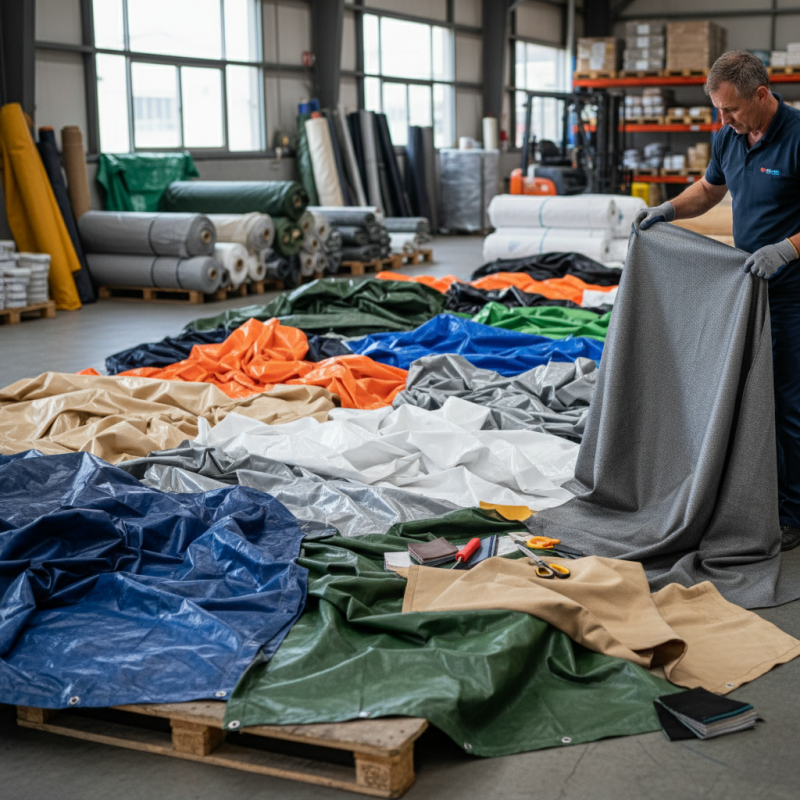
When choosing the best tarpaulin fabric, understanding the types and materials is crucial. Various tarpaulin fabrics are available, each serving different purposes. Common materials include PVC, polyethylene, and canvas. PVC is durable and waterproof, making it ideal for heavy-duty use. Polyethylene is lightweight and versatile, while canvas offers breathability. Each type has its pros and cons depending on your needs.
Consider the environment where the tarp will be used. If it's for outdoor projects, opt for UV-resistant fabrics. Rain or moisture-resistant options can ensure longevity. Keep in mind the weight of the tarpaulin as well. Heavy tarps can withstand harsh conditions but may be challenging to handle.
Tips: Evaluate how often you'll use the tarp. For occasional use, a lighter material may suffice. If you need durability, heavier options are essential. Check for reinforced edges and grommets. These features can improve the tarp's strength. Reflect on what matters most—cost, weight, or durability. Each choice creates a lasting impact on your satisfaction with the tarpaulin.
Tarpaulin Fabric Comparison
Key Factors to Consider When Choosing Tarpaulin Fabric
When selecting tarpaulin fabric, several key factors come into play. First, consider the material type.
Pvc Tarpaulin Fabric
is popular for its durability and water resistance. It excels in outdoor settings. However, it can be heavy and less breathable than other fabrics.
Evaluate the intended use to determine if this trade-off is acceptable.
Next, look at the thickness of the fabric. Thicker materials generally offer better protection against weather elements.
However, they can be difficult to handle and store. Think about your storage space. Do you want something lightweight and convenient?
Or is heavy-duty protection more essential for your needs?
Lastly, examine the color and UV resistance.
Lighter colors reflect heat but may show dirt more easily. Darker ones can absorb heat but also fade over time.
Some may argue that aesthetics matter less than functionality. Still, a well-chosen color can enhance visual appeal, ensuring your tarpaulin looks good while serving a practical purpose.
Choosing the right tarpaulin fabric may take time to reflect on all these aspects.
Durability and Weather Resistance of Tarpaulin Materials
Choosing the right tarpaulin fabric is crucial, especially for outdoor use. Durability and weather resistance should be top priorities. High-quality tarps are often made from various materials, including polyethylene and canvas. Each material has its pros and cons. Polyethylene is lightweight and waterproof, making it ideal for temporary covers. Canvas, while heavier, offers excellent breathability and UV resistance.
Weather resistance is vital. If your tarp is exposed to rain, snow, or extreme sun, it needs to withstand these elements. Some materials may fray or fade over time. You might find that cheaper options don't hold up against harsh conditions. Consider investing more for long-lasting durability. Ensure the tarp can handle the change in temperature without cracking or tearing.
When selecting a tarpaulin, think about your specific needs. Will it be used for camping, construction, or outdoor events? Each function demands different characteristics. Researching material specifications may feel overwhelming. Don't rush this decision. A little time spent understanding your options can save you from future regrets. The best choice will depend on where and how you intend to use the tarp.
Weight and Thickness: How They Affect Tarpaulin Performance
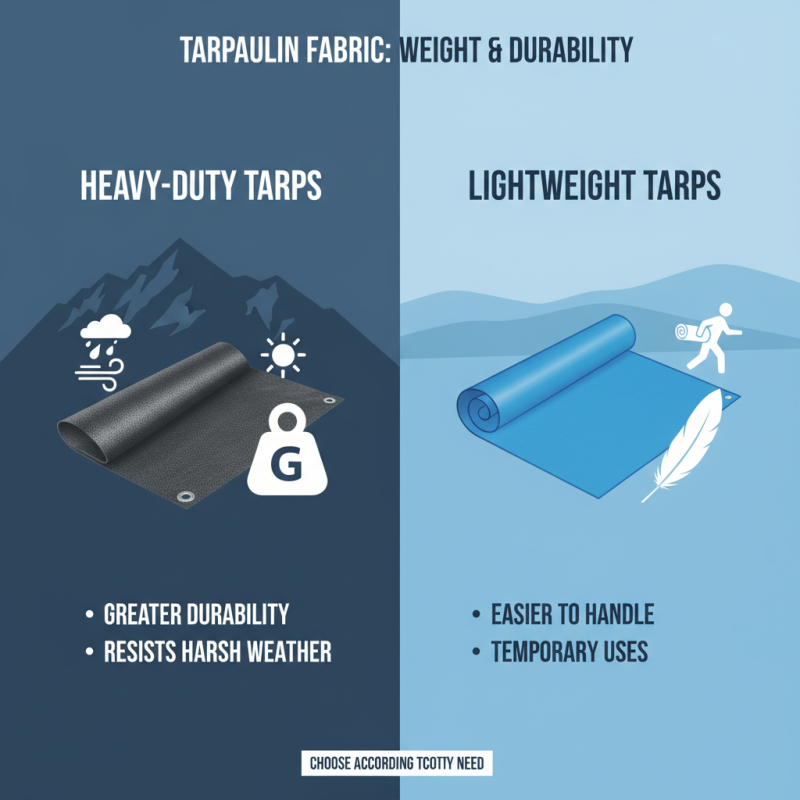
When it comes to tarpaulin fabric, weight and thickness are crucial factors. A heavier tarp often offers greater durability. It stands up better to harsh weather conditions. Conversely, lightweight tarps are easier to handle and transport. They can be suitable for temporary uses. However, you might sacrifice some durability with lighter options.
Thickness also plays a significant role in performance. Thicker fabrics resist tearing and puncturing. They can withstand sharp objects and rough surfaces. But, thicker tarps can be cumbersome. Users may find it challenging to fold or store them. It's essential to balance sturdiness with convenience. Think about your needs before making a decision.
There’s no one-size-fits-all when it comes to tarpaulin selection. You might prefer lightweight for easy setup but face durability issues later. Always consider your specific purpose. Will it be used for camping or construction? Each scenario requires different qualities. Reflect on these aspects before you buy.
Cost Considerations: Finding the Right Balance in Tarpaulin Selection
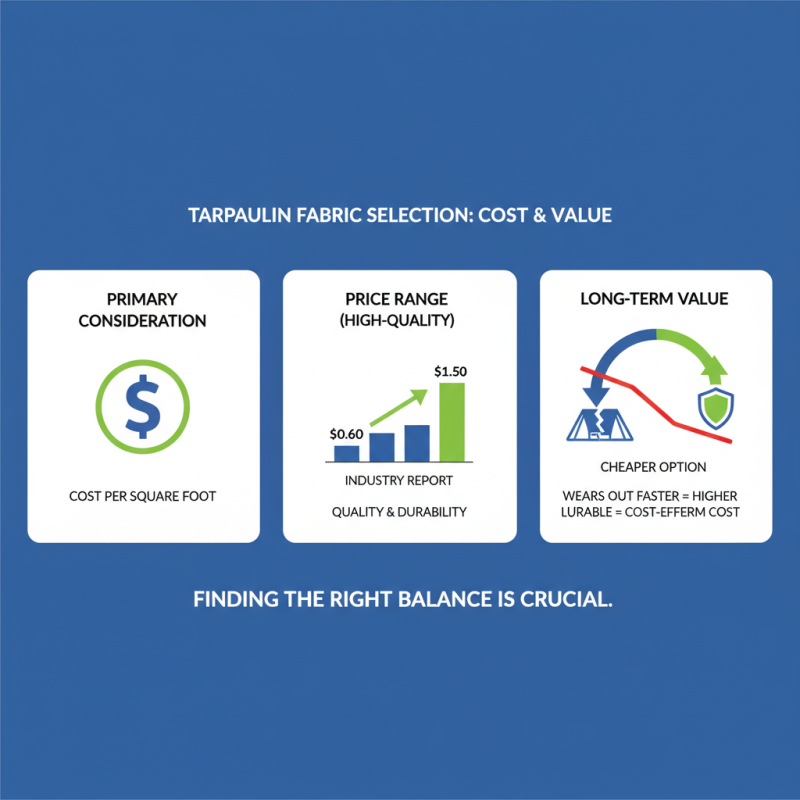
When selecting tarpaulin fabric, cost is a primary consideration. The price can vary significantly, often influenced by the quality and durability of the material. According to a recent industry report, high-quality tarpaulin can range from $0.60 to $1.50 per square foot. For budget-conscious buyers, finding the right balance is crucial. Opting for cheaper options may save money initially, but tend to wear out faster, leading to higher long-term costs.
It’s essential to consider the specific needs for your project. For example, heavy-duty tarpaulins are more expensive but offer greater strength and resistance. A good fabric roll may shield against UV rays, tearing, and water. However, an average user sometimes overlooks these factors in favor of lower upfront costs. This can result in repeated purchases, ultimately negating any savings. Understanding the trade-offs can guide you toward more informed choices.
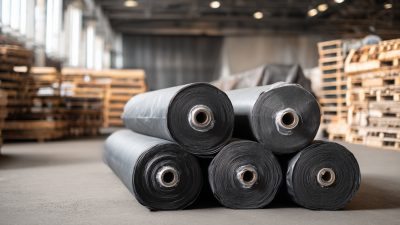
Research shows that nearly 70% of consumers regret not investing more in a quality choice. It’s easy to feel overwhelmed with so many options. Yet, focusing on key attributes—like thickness and material type—can simplify decisions. Always remember, the right Tarpaulin Fabric Roll can pay off in durability, protection, and long-term satisfaction.
Common Uses of Tarpaulin and Their Fabric Requirements
Tarpaulin is a versatile material used across various industries. From construction sites to outdoor events, it serves multiple purposes. One common use is as a protective cover for machinery. A study by the Global Tarpaulin Market Report indicates that the demand for heavy-duty tarpaulins has increased by 15% in recent years. Many industries rely on Hdpe Fabric Laminated Tarpaulin for its durability. This fabric can withstand heavy rain and UV rays, making it ideal for long-term outdoor use.
Another significant application is in agriculture. Farmers use tarpaulin for covering crops and equipment. A survey showed that 70% of farmers prefer waterproof tarpaulin to protect their goods. This need for protection drives the market for high-quality fabric options. The right choice in fabric thickness and weave can impact its effectiveness. Cheaper options may not provide the same level of UV protection or water resistance.
Event organizers also lean on tarpaulins to provide shelter. They cover tents and stalls during festivals or markets. However, the wrong type of tarpaulin can lead to costly oversights. Event managers should consider factors like tear resistance and breathability. Proper attention to these details can prevent damage and ensure a successful event.
Tips for Maintenance and Care of Tarpaulin Fabrics
Proper maintenance of tarpaulin fabrics is crucial for enhancing their lifespan. Regular cleaning prevents dirt accumulation. Studies show that a clean tarp lasts up to 30% longer. Use mild soap and lukewarm water for washing. Avoid harsh chemicals; they can damage the fabric. Rinse well and allow it to air dry completely. Moisture trapped in folds can lead to mold growth, which is hard to remove.
Storage is important too. A Fabric Tarp must be stored in a cool, dry place. Rolling the tarp instead of folding helps prevent creases and cracks. If you notice any tears, repair them immediately. Neglecting to fix damage can result in larger problems later. Always check for UV damage. Tarps exposed to direct sunlight can lose their strength. Applying a protective spray may help.
Regular inspection ensures your tarp remains functional. Watch for signs of wear and tear. The fabric might fade, indicating potential weakness. Be cautious when using it in harsh environments. A little bit of care can go a long way. Overlooked maintenance can lead to costly replacements in the future. A proactive approach helps ensure your fabric tarp remains durable and reliable.
Top Tips for Choosing the Best Tarpaulin Fabric
| Criteria |
Details |
| Material |
Polyethylene, Canvas, PVC |
| Weight |
Heavy-duty (up to 700 g/m²) or lightweight (around 200 g/m²) |
| Waterproofness |
100% waterproof options available |
| UV Resistance |
Ensure high UV protection for outdoor use |
| Durability |
Look for tear and abrasion resistance |
| Color Options |
Variety of colors available for visibility and aesthetics |
Tips for Maintenance and Care of Tarpaulin Fabrics
| Maintenance Tip |
Description |
| Regular Cleaning |
Wash with mild soap and water to remove dirt and stains |
| Dry Thoroughly |
Ensure tarpaulin is completely dry to prevent mold |
| Store Properly |
Fold neatly and store in a dry, cool place |
| Repair Damages |
Use patch kits for tears and holes promptly |
| Avoid Sharp Objects |
Keep away from sharp edges to prevent punctures |
Maximizing Agricultural Efficiency: The Role of Strong Tear Resistant Double Blue Tarpaulin Fabric in Farming Transport and Storage
In modern agriculture, efficiency is paramount, especially when it comes to transport and storage. Strong tear resistant double blue tarpaulin fabric plays a critical role in maximizing agricultural efficiency by providing durable and reliable protection for crops and equipment. These tarpaulins are designed to withstand harsh weather conditions, ensuring that valuable agricultural products remain safe from rain, wind, and UV damage during transport and storage. Their robust nature not only prevents tearing but also enhances their lifespan, making them a cost-effective solution for farmers looking to safeguard their investments.
Moreover, the intricate manufacturing process of double blue PE tarpaulin involves the use of various raw materials that confer unique properties beneficial for agricultural applications. Their adaptability allows farmers to utilize these fabrics in diverse ways, from covering equipment and protecting produce during transport to creating temporary storage solutions. As the textile industry moves towards sustainable practices, the innovation and exploration of new technologies within the production of these tarpaulins are increasingly important. This evolution not only meets the growing market demand for environmentally friendly products but also ensures that agricultural operations can thrive with enhanced functionality and reduced environmental impact.
FAQS
: The article aims to educate readers on a specific topic.
The content is designed for general readers interested in the subject.
You can use the tips in your daily life or work for improvement.
Some people think they know everything, but there's always more to learn.
Yes, there are real-life scenarios illustrating key points throughout the article.
No, the article is beginner-friendly and explains concepts clearly.
Yes, knowledge evolves, so it’s important to stay updated.
Some may find it hard to implement changes consistently.
It encourages learning from errors as part of the growth process.
Feel free to research further or consult with experts in the field.
Conclusion
When selecting the best tarpaulin fabric, it's crucial to understand the various types and materials available. Key factors to consider include durability, weather resistance, weight, and thickness, all of which significantly influence the performance of the tarpaulin. Additionally, cost considerations are essential in finding the right balance between quality and affordability.
Common uses of tarpaulin fabric range from outdoor coverings to protective gear, each requiring specific fabric characteristics to meet varying demands. Proper maintenance and care can extend the lifespan of tarpaulin, ensuring that it remains functional and effective over time. By taking these factors into account, you can make an informed choice that suits your particular needs.


 Wanggou Industrial Park,Lanshan District, Linyi City, Shandong Province, China