Leave Your Message
0%

Every day, truckloads are out there dealing with wind, rain, dust, and the kind of sudden braking that makes everyone hold their breath. In the U.S., trucking moved 11.27 billion tons in 2023, according to the American Trucking Associations’ American Trucking Trends 2024. When you’re hauling that much, protecting the load isn’t just a nice-to-have—it’s a real safety and cost issue. A tarp can get damaged and, within minutes, you’ve got aggregate, scrap, machinery, or packaged goods exposed. That’s where a Tarp Roller comes in. It helps operators cover and uncover cargo with controlled tension, cutting down on loose fabric, awkward climbing, and all that repeated manual handling around the trailer. Small details matter. And proper tension? Yeah, it matters too.

The FMCSA’s Cargo Securement Rules, 49 CFR Part 393, require cargo to stay secured against shifting and falling. A roller doesn’t replace rated tiedowns, edge protection, inspections, or trained judgment. It supports the securement process—that’s the distinction. It lines up with reliable field practice and manufacturer guidance. And if you follow the Commercial Vehicle Safety Alliance’s International Roadcheck reports, cargo securement keeps showing up as an inspection concern. That tells you why visible, consistent protection deserves attention. A solid intro should look at design, torque, tarp life, maintenance, and return on investment. Fleet managers should compare axle configuration, trailer length, operating climate, and what operators actually say. A roller that looks efficient can still fail if its spring, gearbox, or mounting points are poorly matched. Not every fleet needs the same system. That’s an easy thing to overlook. This article looks at why Tarp Roller equipment has become more than just a convenience. It’s a practical layer of risk control—as long as users install, inspect, and operate it correctly. Some claims still need field testing. And that honesty matters, especially when safety and cargo value are sharing the same journey.

Why Is a Tarp Roller Essential for Truck Load Protection?

What Is a Tarp Roller and How Does It Work?

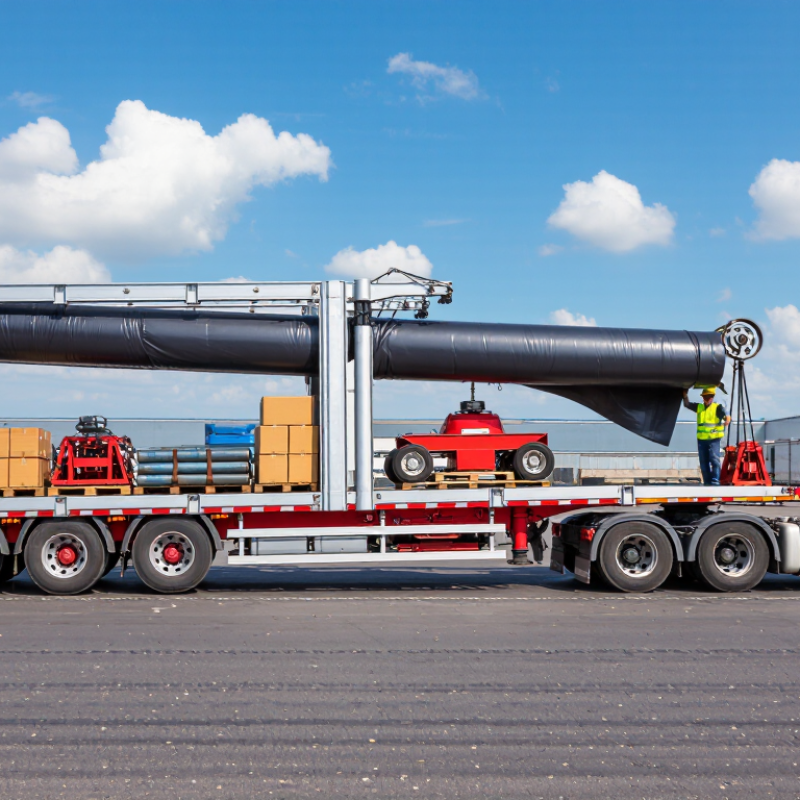
A tarp roller is a mechanical system that covers and uncovers a truck bed. It usually includes a roller tube, side brackets, a crank, and a fitted tarp. Some systems use a powered motor instead. The tarp attaches to the tube along one edge. Turning the crank winds the material around the tube. Turning it backward spreads the tarp across the load.

A Roller Tarp Kit can make installation simpler for operators and maintenance teams. After loading, the driver releases the tarp from its storage position. The roller then moves across the bed while keeping steady tension. Proper tension helps reduce flapping, water entry, and loose material during transport. I have found that alignment matters more than expected. A slightly uneven bracket can pull the tarp sideways and create wrinkles. Those wrinkles may collect rain or rub against sharp cargo edges.

The system is not foolproof. Check the tarp before each trip. Look for torn stitching, bent brackets, and damaged crank connections. Keep the roller clear of packed dirt and frozen moisture. Never force a jammed mechanism, because the tube or tarp can fail suddenly. Operators should also confirm that the load height stays within the tarp’s working range. A roller protects cargo, but it cannot correct poor loading practices. Small checks prevent larger repairs.

Why Is a Tarp Roller Essential for Truck Load Protection? — What Is a Tarp Roller and How Does It Work?

A practical reference table explaining the construction, operation, protection benefits, and maintenance requirements of truck tarp roller systems.

Data Dimension Typical Specification or Fact How It Supports Truck Load Protection
Definition A tarp roller is a mechanical assembly that winds and unwinds a truck cover around a horizontal roller tube. It allows the cover to be deployed or removed in a controlled way, reducing loose fabric, handling effort, and exposure of the cargo.
Main Components Roller tube, end supports, tarp attachment, tensioning parts, and a manual crank or powered drive. Each component helps keep the cover aligned, supported, and sufficiently tensioned during transport.
Operating Principle Turning the drive rotates the tube in one direction to roll the tarp up and in the opposite direction to spread it across the load. Uniform winding reduces folds and improves coverage over the top and sides of an open truck body.
Common Drive Options Manual crank systems use operator force; powered systems use an electric motor and control switch. Manual systems are simple and economical, while powered systems can reduce repetitive manual work and improve operational consistency.
Typical Tarp Materials Woven or coated fabrics such as vinyl-coated polyester, polyethylene, or mesh fabric. Solid fabrics help contain dry bulk materials and block rain; mesh fabrics allow airflow and are commonly used when wind resistance is important.
Cargo Types Aggregates, soil, waste, agricultural products, scrap materials, and other loads carried in open-top bodies. The cover helps reduce material loss, contamination, water exposure, and airborne debris during road travel.
Weather Protection A properly fitted solid tarp can reduce exposure to rain, snow, sunlight, and road spray. Lower moisture and contamination exposure can help preserve cargo condition and reduce cleanup after transport.
Debris Control The tarp forms a physical barrier between the load and the surrounding airflow. It helps limit dust, stones, loose material, and other cargo particles from leaving the vehicle and creating road hazards.
Tension Control Tarp systems commonly use springs, bungee cords, straps, or other tensioning devices. Adequate tension helps prevent flapping, reduces fabric wear, and keeps the cover closer to the load while the truck is moving.
Loading Compatibility The system must be matched to the truck body width, tarp length, roller position, and available clearance. Correct sizing helps the tarp cover the entire load without interfering with loading equipment or other truck components.
Operational Benefit Rolling the tarp from ground level or a designated operating position can reduce the need to climb onto the load. This can lower fall exposure and make covering and uncovering more consistent, although safe operating procedures are still required.
Load-Securement Role A tarp is a containment and weather-protection device, not a replacement for approved tie-downs or other cargo-securement equipment. The load must still be secured according to applicable transport regulations and the characteristics of the cargo.
Before-Trip Inspection Check the tarp for tears, worn edges, damaged attachment points, and excessive stretching; inspect the roller, crank, supports, and tension devices. Early detection of defects helps prevent cover failure, cargo exposure, and loose material on the road.
Cleaning Requirement Remove accumulated soil, aggregate dust, moisture, and corrosive residues from the tarp and hardware. Routine cleaning can reduce abrasion, corrosion, material buildup, and interference with smooth rolling.
Common Failure Causes Improper tension, overloaded tarp contact, sharp cargo edges, misalignment, corrosion, and operating the system with material trapped in the roller. Correct loading practices and regular inspection help extend service life and maintain reliable coverage.
Key Selection Criteria Truck-body dimensions, cargo characteristics, climate, operating frequency, available power, clearance, and maintenance access. Selecting the system according to actual operating conditions improves coverage, usability, durability, and overall protection performance.

Important: Actual tarp dimensions, operating limits, and securement requirements vary by vehicle design, cargo type, local regulations, and system configuration. Always follow the vehicle manufacturer's instructions and applicable cargo-securement rules.

Why Truck Loads Need Reliable Tarp Protection

Why Is a Tarp Roller Essential for Truck Load Protection?

Why Truck Loads Need Reliable Tarp Protection

Truck loads face rain, dust, wind, and sudden braking throughout every journey. A loose tarp can flap against cargo, trap moisture, or expose sharp edges. Reliable tarp protection helps maintain load condition and reduces avoidable roadside problems.

The Commercial Vehicle Safety Alliance’s 2024 International Roadcheck inspected 48,761 commercial vehicles. Its 23.3% vehicle out-of-service rate shows how frequently inspection failures affect transport operations. Cargo securement remained among the leading violation categories. A tarp cannot replace proper tie-downs, blocking, or load checks. It supports them. A Tarp Roller System keeps the cover evenly tensioned, reduces manual pulling, and helps one operator cover a trailer more consistently. Wet steel coils, timber, or palletized materials need that consistency. Small gaps can become serious exposure points.

Tips: Inspect the tarp before loading. Check seams, hooks, and tension. Roll from a stable position. Recheck after the first few miles. I have seen operators trust a clean-looking tarp too quickly. That is a mistake. Sunlight weakens fabric, while road grit damages edges. FMCSA cargo securement guidance also emphasizes regular inspections and maintaining securement during transit. Still, real-world conditions change faster than paperwork suggests. A roller improves control, but it does not remove the need for judgment.

How Tarp Rollers Improve Load Coverage and Security

Why Is a Tarp Roller Essential for Truck Load Protection?

A tarp roller improves load coverage by pulling the tarp evenly across the trailer. This reduces exposed gaps around pallets, machinery, and uneven cargo. Coverage matters. When tarps remain loose, wind can enter beneath the fabric and create lifting forces. A roller keeps tension more consistent, especially during repeated loading cycles. It also helps drivers avoid climbing onto the load, reducing slips and awkward handling near trailer edges. In daily fleet use, that mechanical control is often more reliable than pulling a heavy tarp by hand.

The security benefit extends beyond appearance. The Federal Motor Carrier Safety Administration requires cargo to remain secured against shifting and falling under 49 CFR 393.100–393.136.

A tarp roller does not replace tie-downs, edge protection, or proper inspections. It supports them by keeping the cover closed and positioned. The Commercial Vehicle Safety Alliance’s 2024 International Roadcheck report identified cargo securement as 10.6% of vehicle out-of-service violations. That figure shows how small coverage failures can become operational problems. A loose corner may seem harmless. It may not be.

Experienced operators should inspect tarp tension, roller alignment, straps, and side clearance before departure. Check again after the first several miles. This step is easy to skip, and that is where the process becomes imperfect. A roller can also over-tighten a damaged tarp, so fabric condition still requires human judgment. Proper coverage is not automatic. It depends on equipment, training, and consistent inspection.

Key Benefits for Safety, Efficiency, and Cargo Preservation

An Automatic Tarp Roller helps protect truck loads from rain, dust, wind, and sudden exposure. It keeps the tarp evenly tensioned across the cargo area. This reduces loose edges that can flap, tear, or obstruct the driver’s view. During routine loading work, operators can cover a trailer with fewer awkward movements. That matters when the ground is wet or the load sits several feet below the operator.

Safety improves through better control and fewer climbing tasks. A powered roller lets workers deploy the tarp from a safer position beside the trailer. It also supports consistent coverage, which helps prevent cargo from shifting or becoming contaminated by road debris. Small detail. Big consequence. Still, the roller cannot replace proper load securement or careful pre-trip checks.

Efficiency appears during repeated deliveries. A smooth rolling system can shorten tarp handling time and reduce physical strain on drivers. It may also lower fabric wear when operators avoid dragging the tarp across sharp corners. Experienced teams should inspect straps, bearings, mounting points, and the tarp surface regularly. A damaged component can fail at an inconvenient moment. The system is not a perfect fix. Poorly balanced loads, neglected maintenance, or incorrect tension can still create problems. In practice, the best results come from matching the roller to the trailer, checking the weather, and training every operator to use it consistently.

Important Tarp Roller Components and Operating Features

Why Is a Tarp Roller Essential for Truck Load Protection?

A Roller Tarpaulin system protects cargo by creating a tight, adjustable cover over the truck bed. Its main components include the roller tube, mounting brackets, tension springs, tarp, and locking hardware. Each part affects daily performance. A strong roller tube keeps the cover aligned during movement. Secure brackets reduce vibration near the truck sides. The tarp must resist tearing, water, and repeated folding. Small failures can expose cargo quickly.

Operating features should support safe, simple handling. A crank or powered drive lets workers open and close the cover without climbing onto the load. Adjustable tension helps prevent flapping, while end stops control the tarp’s travel. Some systems include quick-release mechanisms for cleaning and inspection. In practical use, the roller should move smoothly, without grinding sounds or uneven resistance. A reliable system still needs regular checks. Dust often collects around the bearings.

Tips: Inspect the tarp edges before every trip. Look for loose stitching, worn corners, and trapped debris. Test the locking mechanism with the tarp fully closed. Do not force a stiff roller; misalignment may worsen the damage. Keep the surface reasonably clean. This simple habit is easy to overlook. Also, review the system after heavy rain or strong wind, because tension can change subtly.

How to Choose and Maintain the Right Tarp Roller System

Why Is a Tarp Roller Essential for Truck Load Protection?

Choosing the right tarp roller starts with the cargo, trailer width, and loading frequency. A steel or reinforced aluminum frame usually suits demanding commercial routes. The roller should apply even tension without twisting the tarp. I have seen operators select oversized systems, then struggle with clearance near the cab. That mistake increases wear and wastes loading time.

Check the tube diameter, mounting height, crank position, and tarp weight before purchasing. A spring-assisted or motorized system can reduce repeated pulling, but it still needs inspection. FMCSA cargo-securement rules require cargo to resist shifting during transport. A roller does not replace proper straps, blocking, or edge protection. NHTSA reported 5,837 large trucks involved in fatal crashes in 2022. That report does not identify tarp failures, but it reinforces the value of disciplined load checks. No tarp system is perfect.

Tips: Inspect the fabric for pinholes, frayed hems, and stretched pockets each week. Lubricate moving joints according to the maintenance manual. Keep the roller free from gravel and dried mud. Test tension with the tarp fully closed, not halfway open. Replace damaged hardware early. A small bend can become a serious alignment problem. Record inspections with dates and photographs. This simple habit improves accountability and helps reveal recurring damage. Reflect on operating conditions, too. Winter ice, abrasive aggregates, and frequent short trips may require a stronger system than the original specification.

A Complete Guide to Choosing a Heavy-Duty Waterproof Blue Tarp for Outdoor Protection

Choosing a heavy-duty waterproof blue tarp starts with evaluating its ability to withstand tension, changing weather, and repeated outdoor use. Look for a tightly woven material with reinforced edges, as these features help prevent tearing when the tarp is stretched over equipment, firewood, vehicles, or temporary shelters. Strongly secured eyelets also make installation easier and reduce stress on the fabric during windy conditions.

Waterproof performance is equally important. A reliable tarp should have a coated surface that keeps rain, snow, and moisture from passing through, while sealed or reinforced seams provide additional protection at vulnerable points. The blue color offers clear visibility outdoors, making the covering easier to identify around a campsite, work area, garden, or storage space.

For long-term outdoor protection, UV stabilization is a valuable feature. Continuous exposure to sunlight can weaken fabric and cause fading, but UV-resistant construction helps the tarp maintain its strength over time. When comparing options, consider the tarp’s size, weight, reinforced corners, folding convenience, and resistance to abrasion. An ultra-tough design that remains flexible while resisting punctures and stretching can provide dependable coverage in demanding outdoor environments.

FAQS

Why does a truck load need reliable tarp protection?

Tarps shield cargo from rain, dust, wind, and road debris. A loose tarp can flap, trap moisture, or expose sharp edges. Coverage matters.

What does a tarp roller improve?

It pulls the tarp evenly across uneven cargo, pallets, machinery, or timber. Consistent tension limits open gaps and wind entry. It also reduces manual pulling.

Can a tarp roller replace tie-downs and blocking?

No. Tie-downs, blocking, edge protection, and load checks remain essential. A roller only supports the cover. It is not complete securement.

How can a tarp roller improve operator safety?

It helps one operator cover the trailer from a stable position. This can reduce climbing, awkward pulling, and slips near trailer edges. Still, judgment matters.

When should operators inspect tarp tension?

Inspect before loading and again after the first several miles. Check corners, seams, hooks, straps, and side clearance. Conditions change quickly.

What damage should operators look for?

Look for pinholes, frayed hems, stretched pockets, bent hardware, and weak seams. Sunlight can weaken fabric, while gravel can damage edges. A clean appearance can mislead you.

How should someone choose the correct tarp roller?

Match the system to cargo type, trailer width, tarp weight, and loading frequency. Check tube diameter, mounting height, crank position, and cab clearance. Oversized equipment can create new problems.

How should a tarp roller system be maintained?

Keep the roller free from gravel and dried mud. Lubricate moving joints as directed, and test tension with the tarp fully closed. Record dates and photographs. Small bends can worsen.

What operating conditions may require stronger tarp equipment?

Winter ice, abrasive aggregates, and frequent short trips can increase wear. Inspect more often when conditions are harsh. The original specification may not fit every route.

Conclusion

A Tarp Roller is a practical system designed to quickly extend, retract, and secure a protective tarp over truck cargo. By using a rotating tube, support arms, and a controlled tension mechanism, it helps create even coverage across the load while reducing loose material and exposed gaps. Reliable tarp protection is essential because cargo can face wind, rain, dust, sunlight, and shifting during transportation. A properly fitted tarp also helps improve road safety by keeping materials contained and reducing driver concerns during stops and inspections.

Beyond protection, a Tarp Roller improves loading efficiency by making covering and uncovering faster and less physically demanding. Important features may include durable tubing, strong mounting brackets, adjustable tension, easy-to-use controls, and compatibility with the truck’s body and cargo type. When choosing a system, users should consider load dimensions, tarp material, operating conditions, installation requirements, and replacement-part availability. Regular maintenance, including checking fasteners, springs, bearings, fabric condition, and alignment, helps preserve reliable performance and extend the system’s service life.

Ethan

Ethan

Ethan is a dedicated marketing professional with extensive expertise in the tarpaulin industry. Currently, he plays a pivotal role in a company that boasts assets exceeding 40 million yuan and a workforce of over 200 employees, firmly establishing itself as the largest tarpaulin production and......
Previous Top Nylon Tarpaulin Manufacturers for Global Buyers