Choosing the right Polyethylene Tarp isn't always easy, especially if you're shopping around from all over the world. John Smith, who's pretty much an expert when it comes to outdoor gear, once said, “A quality tarp is more than just something to cover things; it’s really about protecting what matters.” With so many options out there, it pays to know what to look for.
Polyethylene tarps come in a bunch of sizes, thicknesses, and colors. Each of those things makes a difference in how durable they are and what they’re best suited for. For example, a thicker tarp usually stands up better against tears, but it might be a little heavy to carry around. And a lot of people overlook how important UV resistance is—trust me, sunlight can really take a toll and shorten the life of your tarp.
So, the key is to think about what you're actually going to use it for. Will it be for camping trips, construction work, or just a quick shelter? Figuring out what matters most to you will help you make a better choice. At the end of the day, picking the right polyethylene tarp isn’t just about gear—it’s about investing in something that offers real protection and practicality, no matter what your needs are.
Understanding Polyethylene Tarps: Materials and Types
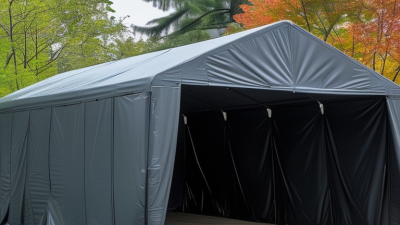
When considering Tarp Polyethylene, it's essential to understand the different materials and types available. Polyethylene tarps are made from a versatile plastic, known for its durability and resistance to moisture. These tarps can effectively cover equipment, protect from weather elements, and create makeshift shelters. Their lightweight nature makes them easy to transport and set up, whether camping or in emergencies.
There are two primary types of polyethylene tarps: woven and unwoven. Woven tarps consist of interlaced fibers, providing superior strength and tear resistance. They have a longer lifespan but may be more expensive. Unwoven tarps are made from sheets of plastic, offering basic protection for short-term use. Choose based on your needs. If you're covering valuable items, a woven tarp is a smart investment.
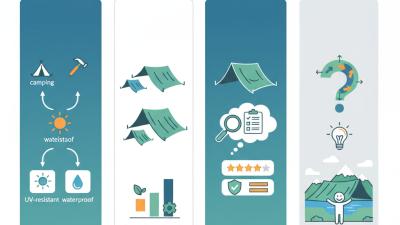
Tips: Always check the thickness of the tarp before purchasing. A thicker tarp usually means better durability. Also, consider the UV resistance, especially for outdoor applications. Test colors and patterns too; some fade quickly. Lastly, read customer reviews to gauge real-world performance and potential issues. Reflect on your specific needs to find the perfect Tarp Polyethylene for you.
Key Features to Consider When Buying a Polyethylene Tarp
When shopping for a polyethylene tarp, consider its key features. Durability is paramount. A Heavy Duty Polyethylene Tarp can withstand harsh weather and heavy loads. Look for thickness, measured in mils. A thicker tarp typically offers better protection. Examine the material quality to ensure longevity.
Weight also matters. Lighter tarps are easier to carry, but they may lack strength. Check the tear strength and UV resistance as well. These factors prevent wear and fading over time. Consider grommets and hems. Reinforced corners can enhance the tarp's usability, especially in windy conditions.
Remember to reflect on your needs. How will you use the tarp? Camping, construction, or protection? Your choice should align with your specific requirements. Sometimes, you might overestimate the tarp's capabilities. Reality may differ from expectations. Balancing types and features will lead to a better purchasing decision.
Determining the Right Size for Your Polyethylene Tarp Needs
Choosing the right size for a polyethylene tarp can be challenging. Consider the intended use first. Will it cover outdoor furniture, create a temporary shelter, or serve another purpose? These details are crucial. It’s easy to underestimate the size needed.
Measure the area you wish to cover carefully. Always add extra feet to your measurements. This ensures the tarp will fit snugly without gaps. A tarp that’s too small won’t provide adequate protection. For instance, UV Resistant Polyethylene Tarpaulin offers great sun protection, but it must cover the entire object.
Remember, a larger tarp can be folded or secured easily, but a smaller tarp may leave items exposed. Over time, you might find you need different sizes for varying tasks. Reflecting on previous purchases can guide your next decision. Don't shy away from exploring options beyond your initial scope. A thoughtful approach will lead to a more satisfying purchase.
Comparing Pricing: Where to Buy Polyethylene Tarps Globally
When shopping for polyethylene tarps globally, pricing can vary significantly. Different regions offer unique options and price points. Local markets, online retailers, and home improvement stores often carry a range of products. Comparing prices across these platforms is essential. Consider shipping costs, taxes, and import fees that may apply in your area.
Tips for finding the best deals: Research local suppliers first. They might have special promotions or discounts that aren’t available online. Online platforms can provide user reviews and ratings that are useful for understanding product quality. However, they often lack detailed specifications.
While it’s tempting to go for the cheapest option, consider durability and function. Some tarps may be less expensive but can deteriorate quickly. Weigh the cost against potential future replacements. It's crucial to find a balance between price and quality. Don't rush; reflect on your options. Each purchase could impact your projects in the long run.
Tips for Maintaining and Storing Your Polyethylene Tarp
When it comes to polyethylene tarps, proper maintenance is essential for longevity. These versatile tools are often exposed to the elements, making protection a priority. Ensure you clean your tarp regularly using mild soap and water. Avoid abrasive materials that can cause scratches or tears.
Storing your tarp correctly can save you time and money. Always dry the tarp before folding and storing it. Dampness can lead to mold and mildew, which deteriorates the material. Roll the tarp instead of folding it. This avoids sharp creases that weaken the fabric over time.
Many users overlook the importance of checking for damage. Small rips or holes can quickly worsen if ignored. Consider patch kits readily available for emergencies. Remember, a little vigilance can prolong the life of your polyethylene tarp significantly.
Common Uses for Polyethylene Tarps in Various Sectors
Polyethylene tarps are versatile tools across many sectors. They serve practical purposes in industries like agriculture, construction, and outdoor recreation. In agriculture, these tarps provide protective covering for crops. They shield them from harsh weather conditions, ensuring a successful harvest. In construction, tarps are used as temporary covers during project delays. They help protect materials and equipment from rain and debris.
For outdoor enthusiasts, polyethylene tarps are invaluable. Campers utilize them for ground cover or as rain shelters. They ensure dry and comfortable experiences in unpredictable weather. These tarps are also effective for boating, keeping gear dry during unexpected storms. Their lightweight and easy-to-store nature make them a favorite for outdoor activities.
When choosing a polyethylene tarp, consider its thickness and UV resistance. Thicker tarps generally offer better durability. UV resistance is crucial for long-term outdoor use. Assess your specific needs before choosing. Not every tarp suits every purpose. It’s essential to reflect on how you plan to use the tarp and its longevity in that role. This thought process can help guide your purchase toward a more satisfactory choice.
Polyethylene Tarp Uses by Sector
| Sector |
Common Uses |
Size Options |
Color Options |
| Construction |
Site protection, ground cover, temporary shelters |
10x10 ft, 20x20 ft, 30x50 ft |
Blue, Green, Black |
| Agriculture |
Covering crops, livestock protection, weather shields |
12x12 ft, 20x30 ft, 40x40 ft |
Transparent, Green, Brown |
| Emergency Services |
Disaster relief, roof tarping, temporary shelters |
8x10 ft, 15x25 ft, 30x40 ft |
Yellow, Red, Blue |
| Recreation |
Camping grounds, picnic covers, sports fields |
10x20 ft, 16x20 ft, 20x40 ft |
Green, Blue, Camo |
| Transportation |
Cargo covering, vehicle protection, load securing |
14x14 ft, 20x50 ft, Custom sizes |
Black, Blue, White |
Safety Considerations When Using Polyethylene Tarps
When using polyethylene tarps, safety should always be a priority. These durable covers are versatile but can pose risks if not used correctly. For instance, high winds can catch a tarp, causing it to flail and potentially injure someone nearby. Choosing the right anchoring method is crucial. Using heavy-duty stakes or weights can help keep the tarp securely in place.
Consider the environment in which you're using the Polyethylene Tarpaulin. If you're covering outdoor equipment, check for overhead hazards like power lines. These can lead to dangerous situations if your tarp makes contact. Always wear gloves when handling tarps to avoid cuts and abrasions from rough edges or sharp debris.
Lastly, think about your storage practices. Fold the tarps neatly to prevent damage. Store them away from direct sunlight to maintain their integrity. Reflecting on past experiences can help improve your safety practices. Learning from mistakes is vital in creating a safer working environment.
Polyethylene Tarp Safety Considerations
Durable Protection: Unleashing the Benefits of Heavy Duty Blue Silver PE Tarpaulin Sheets for All Your Outdoor Needs
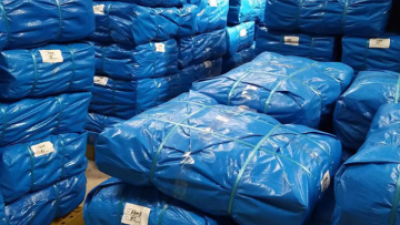
When it comes to outdoor protection, the heavy-duty blue-silver PE tarpaulin sheets are an indispensable resource that can cater to various needs. These tarpaulins are engineered to be 100% waterproof, making them perfect for safeguarding your belongings against rain and moisture year-round. As highlighted by industry studies, waterproof coverings can reduce the risk of mold and mildew, which is a significant concern for many outdoor storage applications. The sun-reflective properties of these tarps additionally ensure that your valuables remain protected from harmful UV rays, preventing discoloration and degradation over time.
The lightweight nature of these tarpaulin sheets does not compromise their strength. With their tear-resistant design, they are robust enough to withstand harsh weather conditions, whether it’s strong winds or heavy downpours. Research indicates that the demand for high-quality tarpaulins has surged, especially in agricultural sectors, where they are frequently used to cover farm hay and other outdoor materials. Reinforced grommets and corners enhance ease of installation, allowing users to secure them quickly and effectively, which is crucial for mobile applications like camping shelters and vehicle covers.
Moreover, the versatility of the blue-silver PE tarpaulin can be seen across various outdoor activities and storage needs, from providing temporary roof covers during renovations to acting as a protective layer for outdoor furniture. Users appreciate the practicality and convenience these tarp sheets provide, which contribute significantly to their growing popularity. By investing in heavy-duty tarpaulin sheets, you ensure a durable protection solution that meets diverse outdoor requirements.
FAQS
: Consider what you want to cover first. Measure the area carefully and add extra feet.
Extra feet ensure the tarp fits snugly, preventing gaps. A proper fit provides better protection.
A smaller tarp can leave items exposed. It's usually better to choose a larger size.
Clean it regularly with mild soap and water. Avoid rough materials that can scratch or tear.
Always dry it before storing. Roll it up to avoid creases that can weaken the fabric.
Regularly inspect for small rips or holes. A stitch in time saves your tarp from bigger issues.
Yes, consider using patch kits for quick repairs. This can prolong your tarp's life significantly.
Storing a damp tarp can lead to mold and mildew, which deteriorate the material over time.
Yes, reflecting on past uses can guide future purchases. It’s wise to have varying sizes on hand.
Avoid abrasive tools and neglecting small damages. A little care goes a long way in maintenance.
Conclusion
The "Polyethylene Tarp Buying Guide for Global Shoppers" provides essential insights for selecting the right polyethylene tarp suited to diverse needs. It begins by exploring the different materials and types of polyethylene tarps, highlighting key features to look for when making a purchase. Shoppers are guided on determining the appropriate size for their specific requirements, along with a comparison of pricing options and reliable sources for purchasing tarps globally.
Further, the article emphasizes the importance of maintenance and storage to extend the lifespan of polyethylene tarps. It discusses various applications across different sectors, illustrating the versatility of these tarps. Lastly, safety considerations are addressed, ensuring users can employ polyethylene tarps effectively while minimizing risks. This comprehensive guide equips consumers with the knowledge needed to make informed purchasing decisions and utilize polyethylene tarps to their full potential.


 Wanggou Industrial Park,Lanshan District, Linyi City, Shandong Province, China