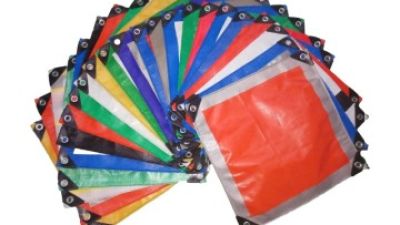
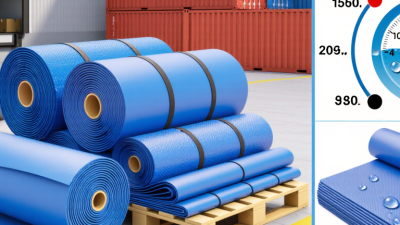
When you’re sourcing Nylon Tarpaulin from global suppliers, a long list of names isn’t enough. You need proof, real comparisons, and clear criteria you can actually use. This guide looks at some of the leading Nylon Tarpaulin manufacturers that serve construction, transport, agriculture, outdoor storage, and emergency shelter markets. We’ll weigh things like fabric weight, coating quality, tear strength, waterproofing, UV resistance, seam construction, and how consistent production really is.
Dr. Robert M. Koerner, a respected materials specialist, once said, “Performance must be judged in service, not in a catalog.” That hits home here. A tarp can look tough under warehouse lights, then fall apart after months of sun, folding, abrasion, and heavy rain. So buyers should ask for test reports, sample panels, coating details, packing photos, and delivery terms that make sense. Often, the small stuff tells you who’s serious: reinforced corners, heat-sealed seams, durable eyelets.
That said, not every big factory is the right fit. Some suppliers have tempting prices but weak technical support. Others reply fast and communicate well, but their quality control isn’t stable enough. And that gap can affect an entire shipment. This guide compares established manufacturers with the buyer in mind—product capability, customization, certifications, export experience, and after-sales reliability. Of course, no evaluation is perfect. Supplier conditions change, and published specs may still need independent verification. Still, doing careful comparisons cuts down a lot of avoidable risk. The strongest Nylon Tarpaulin manufacturer isn’t always the cheapest one. It’s the one that gives you suitable material, steady workmanship, and dependable service when things get tough.
Nylon Tarpaulin: Materials, Features, and Common Applications
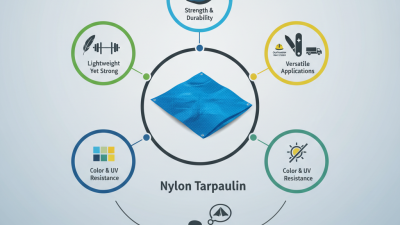
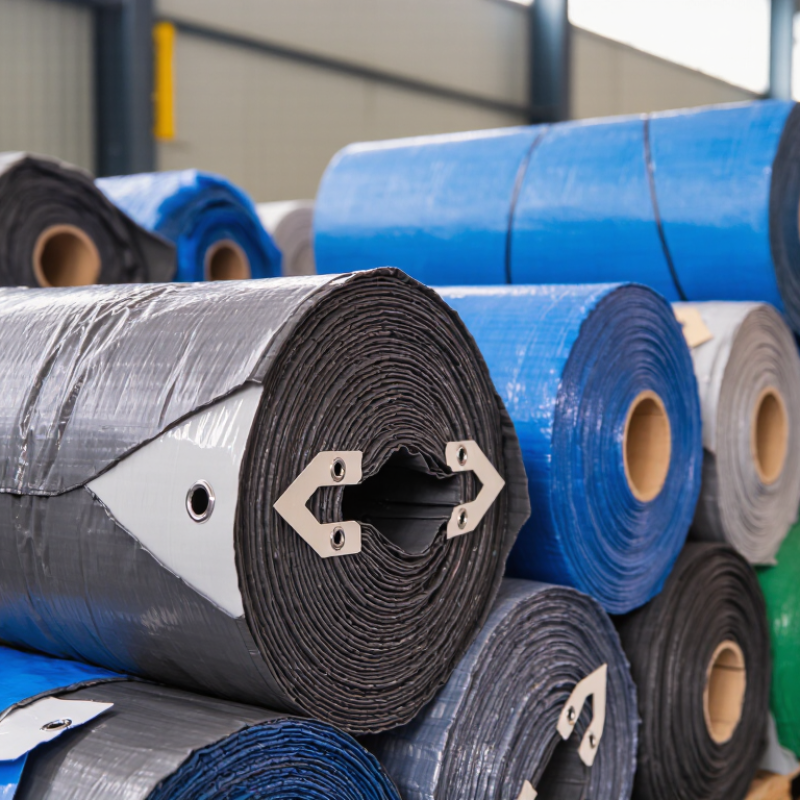
Nylon Tarpaulin is a woven technical textile made from strong nylon 6 or nylon 6,6 yarns. Manufacturers usually apply polyurethane or PVC coatings to improve water resistance. The fabric offers high tensile strength, abrasion resistance, and useful flexibility in cold conditions. A tightly woven Nylon Tarp also resists tearing around reinforced eyelets. Not perfectly, though.
Nylon tarpaulin weights commonly range from about 200 to 900 grams per square metre, depending on the weave and coating. Heavier fabric usually supports longer outdoor service, but it also increases handling effort.
Grand View Research valued the global technical textiles market at roughly US$226 billion in 2023. Its analysis projects about 6.2% annual growth through 2030. Smithers’ 2024 outlook also identifies coated fabrics as a major growth area, supported by transport, construction, and agriculture.
Common applications include truck covers, machinery protection, temporary shelters, agricultural storage, and outdoor equipment covers. In field use, edge reinforcement matters as much as fabric weight. Poorly stitched corners can fail before the central sheet shows wear. UV exposure remains a practical concern, especially in open yards and coastal areas. Buyers should request coating thickness, fabric weight, tear strength, hydrostatic pressure, and UV-test results. I would not choose by denier alone. The specification sheet may look impressive, yet weak seams can undermine the whole product.
How Nylon Tarpaulin Manufacturers Design and Produce Their Products
Nylon tarpaulin manufacturers begin with the buyer’s working environment, not only the fabric price. They select nylon denier, weave density, and coating thickness according to load, weather, and folding frequency. A tighter weave improves tear resistance, while polyurethane or PVC coatings reduce water penetration. ASTM D751 is commonly used to evaluate coated fabric strength, and ISO 4892-3 supports laboratory testing for UV exposure.
Production usually starts with yarn inspection and loom weaving. Workers then apply the coating through knife coating or lamination lines. Heat controls bonding and surface uniformity. Seams are welded or double-stitched, depending on the intended use. Brass or reinforced polymer eyelets are fixed around stress points. A 2024 Grand View Research assessment estimates steady growth in the global tarpaulin market, with demand linked to transport, construction, and outdoor storage. This growth encourages better testing, but quality still varies between factories.
Tips:
Ask for denier, coating weight, tensile strength, and UV test duration. Compare actual test reports, not attractive samples. HDPE Tarpaulin may suit lower-cost applications, while an Outdoor Truck Cover needs stronger tear performance. Choose a UV Protected Tarp for long sunlight exposure and a Rot Proof Tarpaulin for humid storage. A heavier fabric is not automatically better. Designers sometimes add excess coating, increasing weight without improving service life. That deserves review.
Key Criteria for Evaluating Global Nylon Tarpaulin Manufacturers
When evaluating global nylon tarpaulin manufacturers, inspect more than catalog photographs. Experienced buyers should request fabric denier, coating weight, tear strength, and hydrostatic pressure results. Ask whether tests come from independent laboratories or internal equipment. Batch numbers, production dates, and traceable inspection records show stronger quality control. A reliable manufacturer should explain how nylon performs under rain, abrasion, folding, and sunlight.
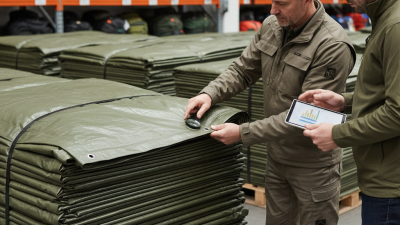
I have learned that attractive samples can hide weak stitching. Examine seam spacing, grommet attachment, edge binding, and corner reinforcement by hand. Request a sample cut, not only a finished sheet. Compare it with a Heavy Duty PE Tarp, Green Waterproof Cover, UV Resistant Tarpaulin, or Reinforced Corner Tarpaulin when selecting the correct material. These products may serve different applications, so confusing them can create costly failures. Some suppliers describe coating weight vaguely. That deserves careful questioning. Factory audits, clear tolerances, realistic lead times, and documented packaging methods also support dependable purchasing.
Tips:
Ask for a small trial order first. Check color consistency across several rolls. Expose a sample to outdoor sunlight and repeated folding. Keep written specifications signed by both parties. Photos deceive. Samples matter. I still reconsider overly confident claims when the supplier cannot explain a failed test or delayed shipment. Reliability includes honest limitations, not perfect promises.
Quality Standards, Testing Methods, and Product Certifications
Global buyers should judge nylon tarpaulin by documented performance, not attractive photographs. Reliable suppliers provide fabric composition, coating details, production dates, and traceable batch numbers. These records help purchasing teams compare products across factories and shipments.
Quality testing should match the intended application. Tensile strength and tear resistance can be measured using recognized ISO or ASTM methods. Hydrostatic pressure testing checks whether water passes through the coated fabric. UV exposure testing helps estimate color fading and coating damage.
Seam strength also matters, especially around eyelets and reinforced corners.
A simple inspection can reveal weak stitching, uneven coating, or sharp metal edges.
Certifications require careful review. Ask whether documents cover the exact material, color, thickness, and production site. Laboratory reports should come from competent facilities, preferably accredited to ISO/IEC 17025.
Chemical compliance documents may support market entry, but they do not prove waterproofing or long-term durability. That distinction is often missed. A certificate can be genuine yet irrelevant to the delivered product.
Buyers should request recent reports, inspect samples, and compare test values with contract requirements. No test is perfect. Field exposure, folding, and poor storage can still reduce service life. Good sourcing includes verification, not blind trust.
How Global Buyers Compare Suppliers, Prices, and Export Services
Top Nylon Tarpaulin Manufacturers for Global Buyers
How Global Buyers Compare Suppliers, Prices, and Export Services
Global buyers compare nylon tarpaulin suppliers through measurable specifications, not attractive catalog photos. Fabric denier, coating weight, tear strength, waterproof performance, and finished dimensions deserve close review. A 500D fabric may suit light covering, while 1000D fabric offers stronger resistance for repeated outdoor use. Ask for test reports and a physical sample. Small details matter.
Price comparisons should use the same specification. A lower quote may exclude edge reinforcement, brass eyelets, stitching, packaging, or inspection fees. Experienced purchasing teams calculate the landed cost, including production time, ocean freight, insurance, and destination charges. I have seen a cheaper offer become expensive after weak stitching caused early replacement. That mistake was avoidable.
Export service also separates dependable manufacturers from ordinary suppliers. Check their response time, sample approval process, carton markings, packing photos, and commercial invoice accuracy. Confirm production capacity before placing a seasonal order. Clear communication helps prevent incorrect colors, sizes, and eyelet spacing. It is not perfect.
Buyers should request realistic lead times, loading plans, and shipment updates. Suppliers familiar with international trade can support common delivery terms and provide consistent export documents. However, certificates alone do not prove factory capability. A video inspection, reference sample, or independent quality check may reveal more. Leave room for delays, because weather, material shortages, and port congestion can still disrupt a well-planned shipment.
Top Nylon Tarpaulin Manufacturers for Global Buyers
Indicative wholesale price benchmarks by nylon fabric weight. Global buyers commonly compare price, durability, minimum order quantity, lead time, and export support before selecting a supplier.
Prices are indicative USD-per-square-metre wholesale ranges for standard nylon tarpaulin specifications. Final quotations vary according to coating, waterproof rating, color, printing, order volume, packaging, destination, and trade terms.
Africa’s PE Tarpaulin Market: Insights from Grand View Research and Mordor Intelligence Reports on Durable UV-Resistant Fabrics
Africa’s PE tarpaulin market is being shaped by demand for durable, lightweight protection in construction, transport, agriculture, and outdoor storage. Grand View Research identifies weather resistance, flexible installation, and growing infrastructure activity as important drivers of coated fabric demand, while Mordor Intelligence highlights UV exposure, seasonal rainfall, and logistics expansion as key factors influencing material selection across emerging markets. These conditions make UV-resistant polyethylene fabrics particularly suitable for African applications where products may face intense sunlight, wind, dust, and sudden heavy rain.
Our Double Faced Flame Retardant PE Tarpaulin is designed for these demanding conditions. Its double-sided polyethylene coating forms a waterproof barrier, while UV-resistant treatment helps reduce degradation caused by prolonged solar exposure. The interwoven reinforcement improves tear resistance and tensile strength without making the fabric excessively rigid, supporting use as truck covers, construction-site protection, and industrial storage sheeting. Flame-retardant additives provide an additional safety feature for commercial environments, while maintaining the fabric’s weatherproof performance.
Reinforced edges and rust-proof grommets enable secure fastening during strong winds and repeated handling. Custom dimensions and wholesale supply options support regional distributors, contractors, transport operators, and industrial buyers seeking consistent protection. For African markets, selecting tarpaulins with verified UV stability, strong edge construction, waterproof coating, and suitable flame-retardant performance can help extend service life and reduce replacement frequency.
Conclusion
Nylon Tarpaulin is a versatile protective material valued for its lightweight construction, flexibility, tensile strength, water resistance, and suitability for demanding outdoor environments. This article explains the main material characteristics, common applications, and the production process, including fabric selection, coating, cutting, stitching, reinforcement, and quality inspection. It also outlines how manufacturers develop products for different weather conditions, load requirements, sizes, and end uses.
For global buyers, selecting a reliable Nylon Tarpaulin manufacturer requires careful evaluation of production capacity, material consistency, customization options, communication, lead times, and export experience. The article compares the regional strengths of major manufacturing markets and reviews important quality standards, testing procedures, and product certifications. It also provides practical guidance for comparing suppliers, prices, packaging, shipping arrangements, payment terms, and after-sales support, helping buyers make informed sourcing decisions while balancing product performance, compliance, and overall value.

 Wanggou Industrial Park,Lanshan District, Linyi City, Shandong Province, China