Lately, more folks are turning to polyethylene canvas as their go-to for outdoor protection, and honestly, it’s easy to see why. Demand's been climbing steadily, and experts keep highlighting just how durable it is — which is a big plus. In fact, a report from the Global Industrial Fabrics Association predicts the market for polyethylene products will grow by about 5% each year. That kind of growth really shows how important it is to know how to care for and maintain your polyethylene canvas if you want it to last.
I had a chat with Dr. John Penn, a materials scientist over at CanvasWorks Inc., and he said, “Proper care can really extend the lifespan of Polyethylene Canvas.” It’s a good reminder that a little extra attention can go a long way. Unfortunately, a lot of people overlook how much environmental factors like sun, dirt, or moisture can mess with the material. For example, a UV Resistant Polyethylene Tarpaulin — you can check that out [here](https://www.startarpaulins.com/uv-resistant-polyethylene-tarpaulin) — can actually degrade pretty quickly if you don’t give it the proper care. A simple routine of cleaning and applying protective treatments can make a huge difference and help prevent wear and tear.
Of course, even with all its perks, if you don’t use the right techniques or neglect basic maintenance, problems can pop up. Many users don’t realize how much moisture and dirt can affect performance over time. Getting some professional advice isn’t a bad idea to make sure you’re using your polyethylene canvas the right way. Skip that, and you might run into issues you didn’t expect. So, knowing these little tips can really help you use and care for your polyethylene canvas way smarter — ultimately, making sure it works well for the long haul.
Essential Characteristics of Polyethylene Canvas for Longevity
Polyethylene canvas is known for its durability. It resists water, UV rays, and weathering, making it ideal for outdoor use. This material remains strong under various conditions, providing excellent protection. A vibrant blue or classic green, it offers a range of colors for various needs.
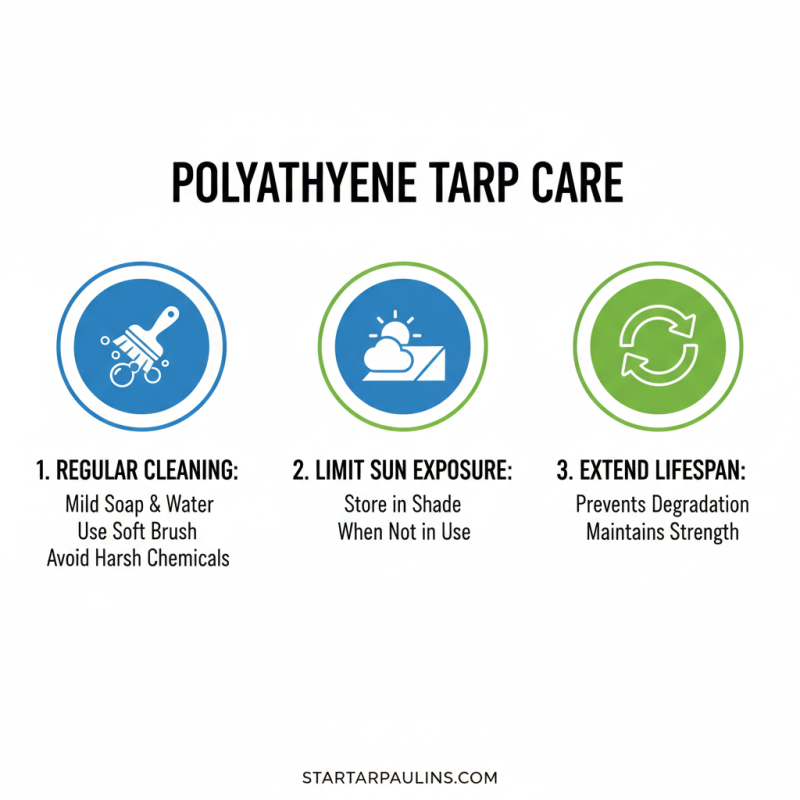
Caring for polyethylene canvas is crucial for longevity. Regular cleaning helps prevent dirt buildup. A simple rinse with water often suffices. However, using harsh chemicals can damage its surface. It’s important to avoid abrasive scrubbing tools too. Sometimes, a gentle touch is needed.
While polyethylene canvas is tough, it’s not indestructible. Over time, repeated exposure to extreme conditions can wear it down. Small tears may appear if not properly stored. Checking for wear and tear can help you catch issues early. It's a reminder that all materials need care.
Common Uses of Polyethylene Canvas in Various Industries
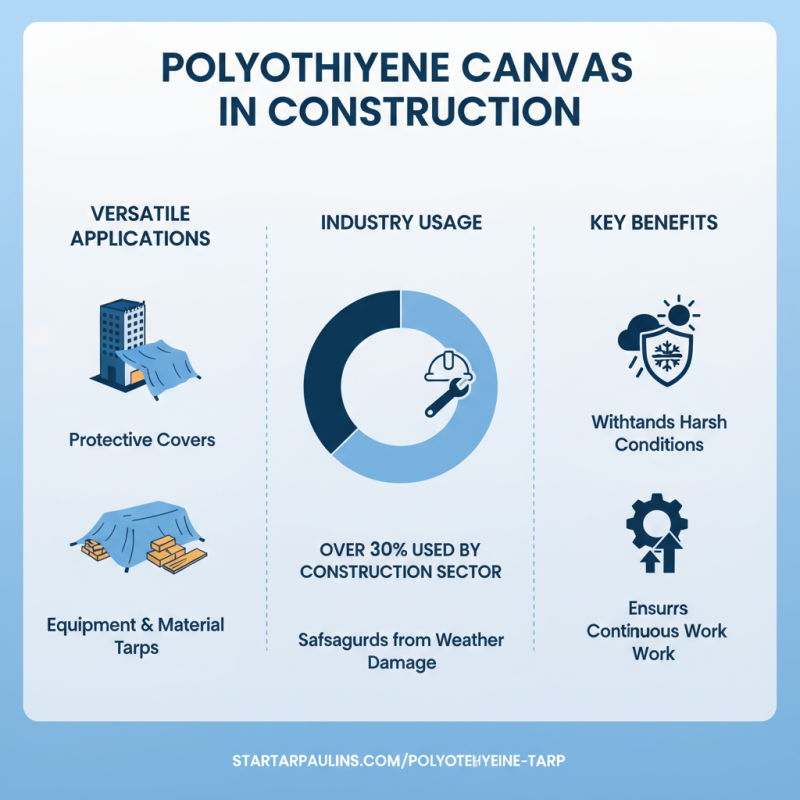
Polyethylene canvas has a wide range of applications across various industries. In construction, it's often used for protective covers and tarps. A recent industry report highlights that the construction sector uses over 30% of all Polyethylene Tarps available. These tarps safeguard equipment and materials from weather damage. They can withstand harsh conditions, ensuring that work continues regardless of environmental challenges.
In agriculture, polyethylene canvas is becoming essential. Farmers use it to cover crops and protect them from pests. Reports indicate that around 25% of farmers prefer polyethylene covers for greenhouse applications. These materials help regulate temperature and humidity, contributing to better yields. However, improper installation can lead to condensation, potentially harming crops. It’s crucial to assess every aspect of the setup.
The recreational sector is another area where polyethylene tarps are popular. They serve as lightweight emergency shelters and ground covers for campers. While many campers appreciate their durability, some have reported issues with tearing at the seams. This indicates a need for careful handling and consideration of long-term use. Proper care ensures that these canvases last, but frequent exposure to UV rays can diminish their lifespan.
Environmental Factors Affecting Polyethylene Canvas Lifespan
Environmental factors significantly affect the lifespan of polyethylene canvas. Exposure to UV radiation is one of the primary concerns. Studies show that prolonged sunlight can reduce the material's strength by up to 10% each year. This degradation leads to cracking and fading. Using Polyethylene Tarpaulin as a protective cover can mitigate these effects.
Moisture also plays a crucial role. High humidity can encourage mold growth, leading to a decline in durability. Keeping polyethylene canvas dry is essential. Regularly inspecting for signs of mold can extend its lifespan. Many users overlook this aspect, often realizing too late that their canvas has deteriorated.
Temperature fluctuations can create stress on polyethylene. Extreme heat can cause the material to warp, while freezing conditions can make it brittle. Ideally, storing the canvas in a climate-controlled environment will help maintain its integrity. Neglecting to account for these environmental factors can lead to unexpected repairs or replacements, highlighting the need for better care practices.
Recommended Storage Techniques for Polyethylene Canvas Products
When it comes to storing polyethylene canvas products, proper techniques significantly extend their lifespan. Start by choosing a clean, dry area devoid of direct sunlight. Sunlight can degrade the material over time. Make sure the temperature is consistent. Fluctuating temperatures might cause damages.
Rolling the canvas instead of folding it can prevent creases. Creases may become weak points during use, so it's best to avoid them. If folding is necessary, ensure that the folds are in areas that receive less stress. Using breathable storage bags can help keep moisture out, especially in humid climates.
Regularly check the stored items. Look for any signs of mold or damage. If you find any, addressing them immediately can prevent bigger issues later on. Learning is part of the process; what works today might not work tomorrow. Adapting your storage strategies is essential for the longevity of your polyethylene canvas products.
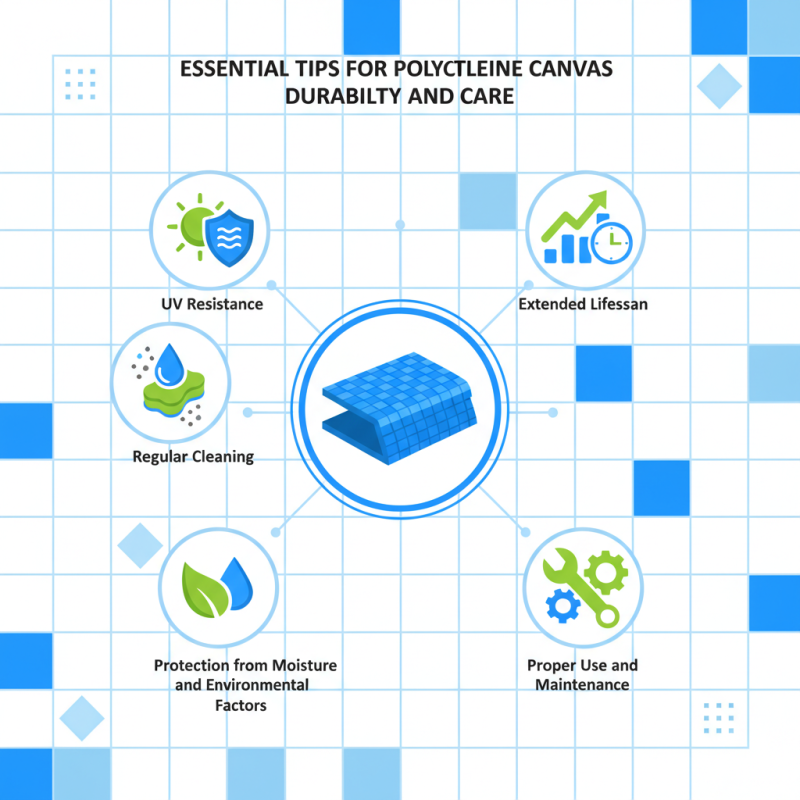
Polyethylene Canvas Essential Tips for Durability and Care
| Tip Category |
Tip Description |
Recommended Storage Technique |
| Cleaning |
Use mild soap and water to clean the canvas. |
Store in a dry place after cleaning to prevent mildew. |
| Drying |
Ensure the canvas is completely dry before storage. |
Hang to dry in a shaded area away from direct sunlight. |
| Protection |
Avoid sharp objects that could puncture the canvas. |
Store in a protective cover or container. |
| UV Resistance |
Choose a UV-resistant canvas for outdoor use. |
Store indoors to extend its lifespan. |
| Avoiding Mold |
Keep the canvas away from moisture when stored. |
Use silica gel packets in storage containers. |
Comparative Analysis of Polyethylene Canvas vs. Other Fabrics
When comparing polyethylene canvas to other fabrics, it's important to consider durability first. Polyethylene canvas is exceptional in waterproofing. It withstands harsh weather conditions well. Unlike cotton or polyester, it doesn't absorb water easily. This makes it perfect for outdoor applications. However, it may not be as breathable as cotton, which can be a drawback in hot climates.
Maintenance is another crucial factor. Polyethylene canvas is relatively easy to clean. A quick rinse with water usually suffices. Other fabrics might demand more rigorous cleaning methods, which can be time-consuming. Still, polyethylene canvas can fade over time. Its colors may lose vibrancy with prolonged sun exposure. This is an aspect that requires attention from users, particularly in outdoor settings.
Additionally, the weight of Tarpaulin Polyethylene is often heavier than other materials. This impacts portability. While it offers sturdy protection, carrying it around can be cumbersome. It’s essential to balance the benefits against the limitations. Reflecting on these details can lead to better usage of polyethylene canvas, ensuring it meets your needs effectively.
Industry Standards and Certifications for Quality Polyethylene Canvas
When selecting polyethylene canvas, industry standards and certifications matter. These guidelines ensure a product meets recognized quality benchmarks. Certifications like ISO and ASTM indicate durability and performance. They assure buyers of the material's strength against environmental stressors. Knowing these standards helps in making informed decisions.
To maintain your polyethylene canvas, consider a few essential tips. Regularly clean it with mild soap and water. Avoid abrasive materials that could damage the surface. Store it in a dry place to prevent mold growth. Think about the longevity of your canvas. Sometimes, it's easy to overlook basic care.
Examine the certifications of your canvas before purchase. Not all materials meet industry specifics. Some may claim durability but fall short. Checking for recognized standards can prevent disappointment later on. It’s crucial to invest time in understanding what you buy. Proper knowledge leads to better choices.
Conclusion
Polyethylene Canvas is a versatile material known for its durability and resistance to various environmental factors, making it ideal for use across multiple industries, including construction, agriculture, and outdoor gear. Understanding its essential characteristics, such as water resistance and UV stability, can significantly enhance its longevity. This material is commonly employed in applications ranging from tarpaulins to tents due to its robust nature.
To maintain the durability of Polyethylene Canvas, optimal care practices such as regular cleaning and appropriate storage are crucial. Environmental factors like excessive sunlight and humidity can affect its lifespan, highlighting the importance of proper maintenance. Additionally, comparing Polyethylene Canvas with other fabrics reveals its superior qualities, leading many industries to adopt it as a standard material, often backed by industry certifications for quality assurance.


 Wanggou Industrial Park,Lanshan District, Linyi City, Shandong Province, China