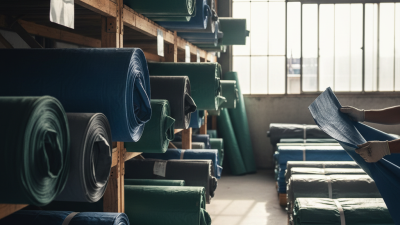
When you're talking about versatility in protection, a cloth tarpaulin really stands out as a top pick. Industry pro John Smith from Tarps Inc. points out, “Picking the right tarpaulin is super important for it to last and work well.” That really highlights how essential it is to understand what makes a cloth tarpaulin good quality.
Cloth tarps come in all sorts of materials and sizes, so it’s pretty vital to know exactly what your project needs. For example, some fabrics handle UV rays better, while others are more waterproof. Getting familiar with these differences can actually help you make smarter choices.
Figuring out which cloth tarpaulin is best can feel kinda overwhelming at times. It’s easy to overlook what really makes a product last. A good tarp shouldn’t just be tough; it should also be lightweight and easy to handle, so you can move it around without hassle while still getting the protection you need. Once you get the hang of these details, picking out the right cloth tarpaulin becomes a lot less daunting—and way more satisfying.
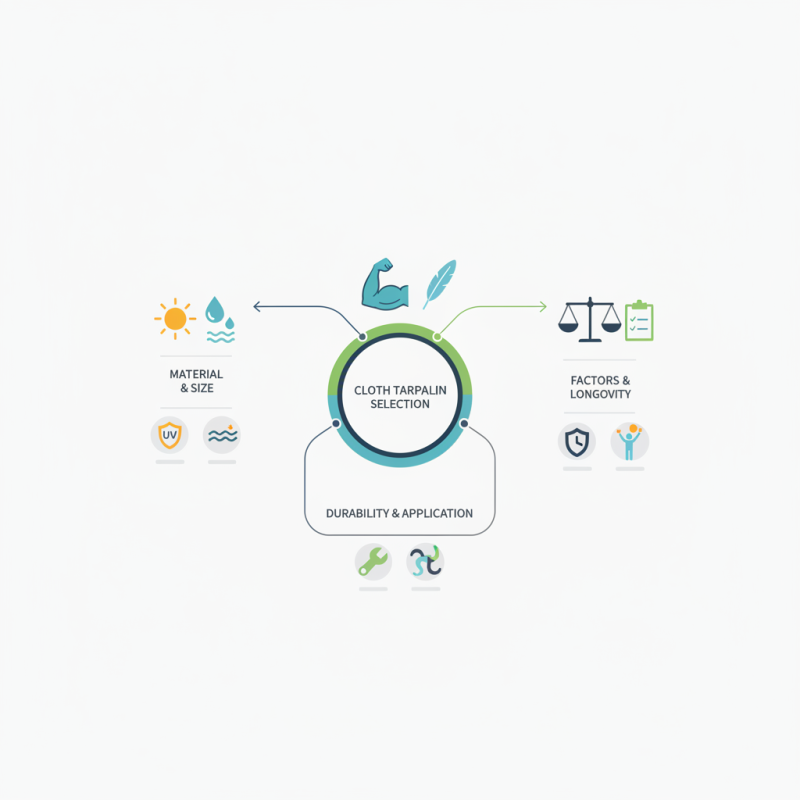
What is Cloth Tarpaulin?
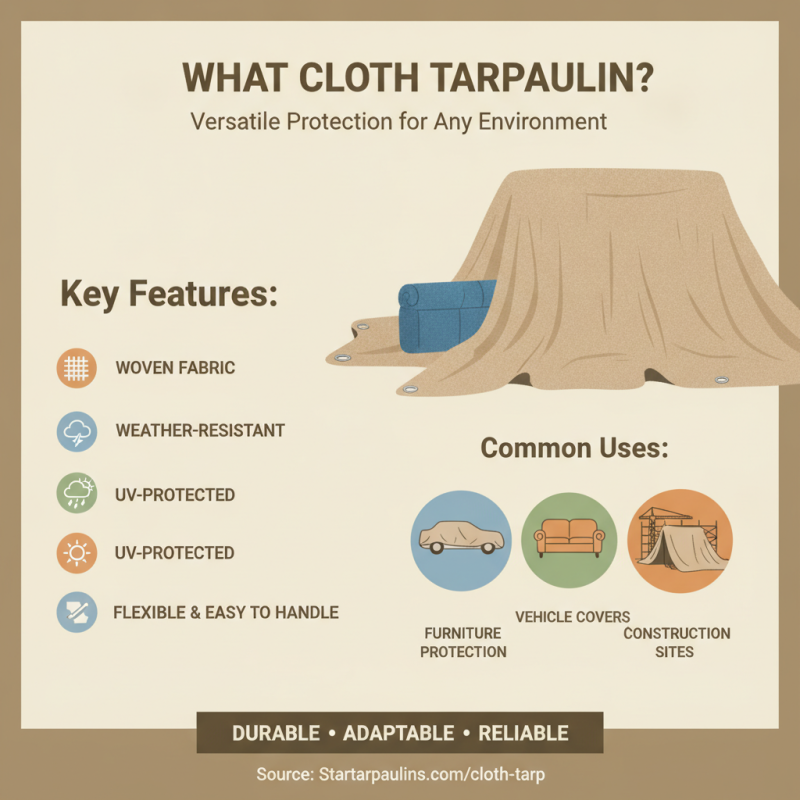
Cloth Tarpaulin, often referred to as cloth tarp, is a versatile material commonly used for various protective purposes. Made from woven fabric, it can withstand harsh weather conditions, making it suitable for outdoor applications. It is usually treated to be water-resistant and UV-protected, enhancing its durability. The fabric is flexible, which allows for easy handling and installation, whether you're covering furniture, vehicles, or construction sites.
Choosing the right cloth tarp can be overwhelming. Factors such as fabric weight, water resistance, and size are critical in making an informed decision. A heavier tarp typically offers more durability but may be more challenging to handle. Color choices matter too. Darker colors absorb heat, while lighter shades reflect sunlight. It's crucial to consider your specific needs and the environment. Not all options are perfect for every situation, so evaluating potential drawbacks is essential.
A cloth tarp may not always meet expectations in certain conditions. For instance, extreme winds could cause wear and tear quicker than anticipated. Understanding these limitations will help in making the best choice. Before purchasing, think critically about what features you value most. Your ideal tarp should meet your requirements closely, even if it may not be flawless in every aspect.
Key Features and Benefits of Cloth Tarpaulin
Cloth tarpaulin is a versatile material used for various applications. It offers significant protection against weather elements. These tarps are often made from heavy-duty fabric like cotton or polyester. They can resist water, mildew, and UV rays. Its breathability allows moisture to escape, reducing the risk of mold growth.
When choosing cloth tarpaulin, consider key features such as durability and weight. A thicker tarp generally provides better protection but may be heavier to handle. Look for reinforced edges and grommets, enhancing its durability and ease of use. It's crucial to assess the environment where the tarp will be used. For example, recreational uses may require different characteristics than industrial applications.
Think about the intended use as well. A tarp for camping needs to be lightweight and easy to set up. In contrast, a tarp for construction must offer maximum strength and protection. Reflecting on these needs will help ensure the best choice for your specific requirements. Sometimes, specific use cases may not align with your expectations. Thus, careful evaluation and understanding of cloth tarpaulin's limitations are essential.
Comparison of Key Features of Cloth Tarpaulin Options
Types of Cloth Tarpaulin Materials
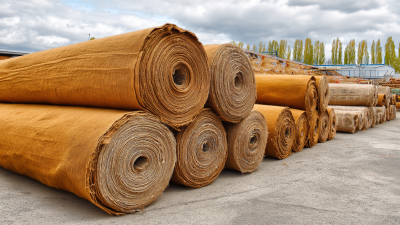
When choosing cloth tarpaulin materials, it’s essential to understand the options available. Common types include cotton, polyester, and polypropylene. Each material has unique properties suited for different needs. For instance, cotton tarps are breathable and eco-friendly but may not last long under harsh weather. They work well for lighter applications, such as camping or covering furniture.
Polyester is a popular choice due to its durability. It resists tearing and UV rays. This makes it suitable for outdoor use, including truck covers and equipment protection. Additionally, Shade Cloth Tarps made from polyester provide excellent shade and ventilation. This is ideal for gardens, pools, or outdoor events where sunlight reduction is necessary.
Polypropylene offers waterproof features and great resistance to chemicals. It is lightweight yet strong, making it perfect for construction sites or temporary covers. However, it can degrade under prolonged exposure to UV rays. Think about your intended use carefully. The choice of material significantly impacts effectiveness and lifespan. Consider factors such as climate, weight, and frequency of use when selecting the best cloth tarpaulin.
How to Assess the Durability of Cloth Tarpaulin
Assessing the durability of cloth tarpaulin is crucial for making the right choice. Several factors play a significant role, including material composition and weave density. According to industry reports, high-quality cloth tarps often contain a polyester or cotton blend, which enhances strength and resistance. The denser the weave, the more capable the tarpaulin is of withstanding harsh conditions. For instance, a warp and weft count of at least 10x10 per inch is considered durable.
When considering cloth tarps, weight matters. Heavier tarps typically offer more durability. A common recommendation is to choose tarps that weigh at least 12 ounces per square yard for outdoor protection. They often resist tearing and provide better UV protection. Look for: mil thickness as well; a thickness of 6 mils or more can signify a robust product.
Tips: Always check for certifications that indicate quality. Look for user reviews to assess real-world performance. Remember, not all tarps labeled as "heavy-duty" perform equally well under stress. For projects like painting, Painters Cloth Tarp can protect surfaces effectively, yet durability can vary. Be prepared to re-evaluate your selection if damage occurs sooner than expected.
Factors to Consider When Choosing Cloth Tarpaulin
When choosing cloth tarpaulin, several factors come into play. The fabric type is crucial. Common options include cotton and polyester. Each material offers different durability and weather resistance. Cotton is sturdy but can absorb water. Polyester is lighter and dries quickly. Understanding your needs will help you select the right material.
Weight is another vital aspect. Heavier tarpaulins tend to be more durable. However, they can be cumbersome to handle. Consider how you plan to use the tarp. If portability is essential, a lighter option may be better.
Lastly, pay attention to the size. Measure your intended area carefully. A tarp that's too small will leave gaps. On the contrary, an oversized tarp can be tricky to manage. Reflect on these factors as you decide. The right cloth tarpaulin should meet your requirements effectively while being easy to use.
Common Uses for Cloth Tarpaulin
Cloth tarpaulins are versatile materials commonly used in various applications. They provide protection and durability in outdoor settings. From camping trips to construction sites, cloth tarpaulins are essential. They serve as canopies, ground covers, and protective coverings. Their breathable fabric allows for moisture control, making them ideal for outdoor events.
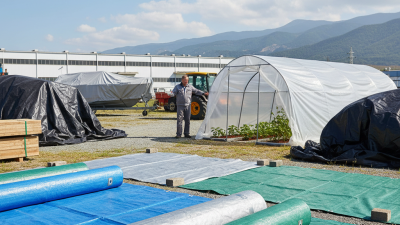
In agriculture, cloth tarpaulins protect crops from harsh weather. Farmers often cover hay bales to prevent spoilage. In recreational activities, these tarps are used for picnics or as tents. They create a shelter from rain or sun. Tarpaulins are also useful for DIY projects. Covering materials during renovations helps keep the area clean.
Choosing the right cloth tarpaulin involves understanding its specific use. Consider size and weight based on your needs. Waterproof options are great for weather protection. However, heavy-duty tarps might be too cumbersome for lightweight tasks. Reflect on the fabric's breathability if it's for outdoor use. Not every tarp is suitable for every situation, so careful selection is crucial.
What is Cloth Tarpaulin and How to Choose the Best Option? - Common Uses for Cloth Tarpaulin
| Feature |
Description |
Common Uses |
| Material |
Typically made from cotton or polyester woven fabric |
Covering and protecting items during storage |
| Water Resistance |
Can be treated to resist water, providing reliable shelter |
Camping and outdoor activities |
| Durability |
Resistant to tearing and abrasion |
Construction sites and industrial applications |
| Weight |
Available in various weights, from lightweight to heavy-duty |
Tarps for vehicles and equipment |
| UV Protection |
Certain cloth tarpaulins are treated to block harmful UV rays |
Outdoor shading and protection |
Maintenance Tips for Extending Cloth Tarpaulin Life
Proper maintenance is critical for extending the life of cloth tarpaulin. Many forget the effects of exposure to sunlight and moisture. For instance, UV degradation can occur without proper protection, leading to significant fabric deterioration. A study from the Fabric Care Institute states that regular cleaning can enhance longevity by up to 30%. Incorporating a UV protected tarp can further shield your tarp from harsh sun rays, helping maintain its structural integrity.
Another key aspect is storage. Folding cloth tarpaulin improperly can lead to creases that weaken the material. Instead, store it flat in a cool, dry place. A report from the National Institute of Standards and Technology highlights that damp environments accelerate rot, especially for non-rot proof tarpaulin. Using HDPE tarpaulin can mitigate these issues as it offers excellent water resistance and durability.
Inspection is also vital. Regularly check for small tears or holes and repair them promptly. This proactive approach can prevent larger, more costly damage later. Additionally, consider the environment where the tarp is used. An outdoor truck cover in a humid climate will require more frequent checks. Awareness of these factors influences the overall reliability of your cloth tarpaulin.
Ultimate Guide to Heavy Duty Red Silver PE Tarpaulin: Versatile Waterproof Solutions for All Your Outdoor Needs
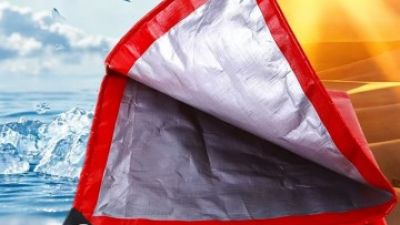
When it comes to versatile waterproof solutions for outdoor needs, heavy-duty red silver PE tarpaulins stand out as an ideal choice. These tarpaulins boast impressive tear resistance and tensile strength, which make them suitable for various applications such as truck covers and industrial shielding. According to industry reports, these materials can withstand extreme weather conditions, ensuring they maintain their performance even in harsh environments. This makes them a reliable option for both commercial and personal use.
The advanced coating on these tarpaulins features heat-sealed seams, offering a 100% leak-proof finish that protects against rain and wind. This capability is crucial for users who require dependable outdoor covers, particularly in regions prone to heavy rainfall. Additionally, the UV-resistant layer helps prevent fading and brittleness caused by prolonged exposure to sunlight, thereby extending the lifespan of the tarp significantly.
Moreover, the lightweight yet durable design facilitates easy installation. With reinforced corners for secure tie-downs, these tarpaulins can be put to use swiftly, making them incredibly user-friendly. In line with global standards, these products have been exported to over 50 countries, reflecting their acceptance and performance in various applications around the world. The combination of durability, functionality, and ease of use ensures that heavy-duty red silver PE tarpaulins remain a top choice for outdoor projects.
FAQS
: Cloth tarpaulin is commonly used for protection against various weather conditions. It can cover furniture, vehicles, or construction sites.
The durability of cloth tarpaulin depends on the fabric weight. Heavier fabrics tend to be more durable but can be harder to handle.
Yes, cloth tarpaulin is typically treated to be water-resistant, making it suitable for outdoor use in different weather.
Consider factors like fabric weight, water resistance, and size. Evaluate your specific needs and the environment where you'll use it.
Yes, extreme weather can wear out cloth tarpaulin faster than expected. Understanding these limitations is important for making the right choice.
Yes, color matters. Darker colors absorb heat, while lighter shades reflect sunlight. Choose what fits your environment’s needs.
Its breathability allows moisture to escape, which helps reduce the risk of mold growth in certain conditions.
For camping, look for lightweight and easy-to-set-up options. Consider how it aligns with your specific camping needs.
Not all tarps are perfect for every situation. Reflect on its limitations. Assess if it aligns with your intended use.
They enhance durability and ease of use. Consider these features to improve the tarp's functionality for your needs.
Conclusion
Cloth tarpaulin is a versatile and durable material widely utilized in various applications, offering significant benefits such as water resistance and UV protection. The article explores key features and different types of cloth tarpaulin materials, helping users understand how to assess its durability for specific needs. Additionally, it outlines essential factors to consider when selecting the right cloth tarpaulin, including its intended use, budget, and environmental conditions.
Common applications for cloth tarpaulin range from outdoor coverings and temporary shelters to protection for belongings during transport. To extend the lifespan of cloth tarpaulin, proper maintenance techniques are crucial. Understanding these elements allows consumers to make informed decisions and ensure optimal performance from their cloth tarpaulin investments.


 Wanggou Industrial Park,Lanshan District, Linyi City, Shandong Province, China