Choosing the right discharge hose coupler isn't just a quick pick—it's a decision that really matters. It impacts how smoothly the flow runs, how secure the connection is, how much maintenance you'll need, and even how confident you feel working with it. At a glance, that little coupler on your bench might seem simple enough, but once it's under pressure, dealing with temperature swings, vibrations, or repeated handling, its vulnerabilities can show up pretty quickly.
Most experienced folks know it’s not just about matching the size. They tend to look deeper—checking the inner diameter of the hose, the working pressure, the kind of discharge medium, temperature limits, and how it connects. Material choice also plays a big role. Whether it’s stainless steel, aluminum, reinforced polymer, or coated parts, each performs differently, especially in tough environments. You want a tight fit that won’t leak, but also one that doesn’t force the hose into sharp bends. Little things like the sealing surfaces—scratches or worn gaskets—can lead to bigger headaches down the line.
There’s no one-size-fits-all answer here. Sometimes a cheaper coupler works just fine in a controlled setting. But in harsher conditions, skimping might cost you—more downtime, frequent replacements, or more inspections. That’s why it’s so important to rely on product specs, real-world experience, and checking things carefully before making a call. It’s better to measure twice and order once, rather than guess based on looks. Also, don’t forget to check the connection after installing and keep an eye on it during regular use.
Ultimately, a smart approach takes both technical specs and actual working conditions into account. The best discharge hose coupler isn’t necessarily the flashiest or the heaviest-duty. It’s the one that perfectly fits your hose, equipment, environment, and maintenance routine—reliable and consistent. Mistakes happen, but being honest about them and learning from them can help you make smarter choices down the road.
What Is a Discharge Hose Coupler?
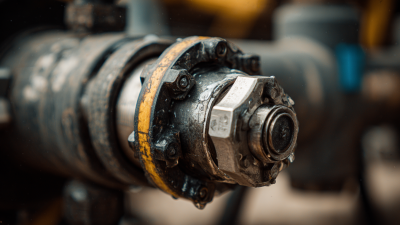
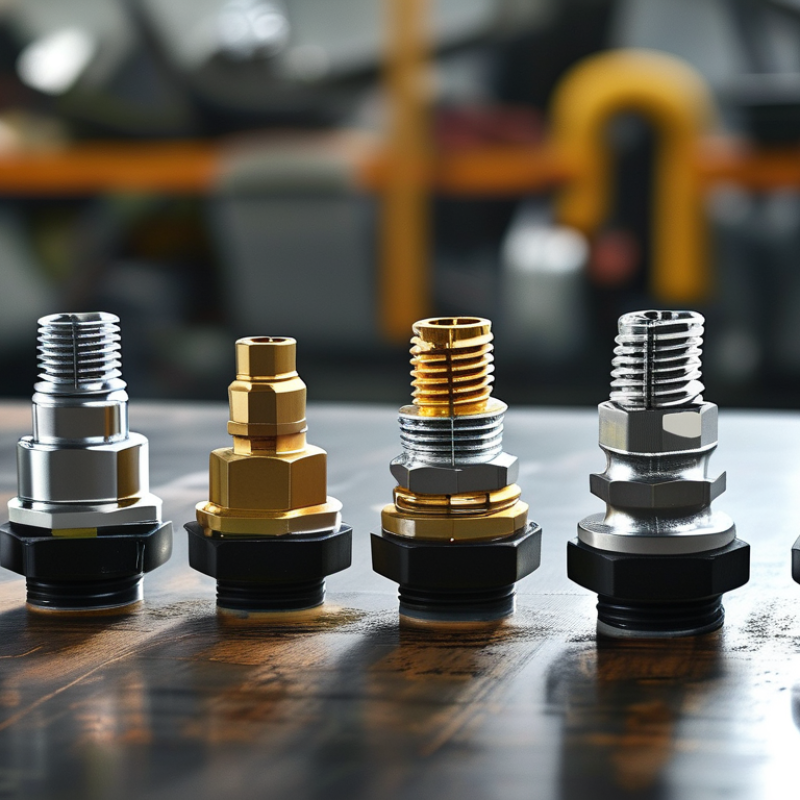
A discharge hose coupler is the connector joining a flexible hose to a pump, pipe, valve, or outlet. It transfers liquid while maintaining a secure seal under pressure. Common designs include threaded, cam-lock, quick-connect, and flanged couplers. Each design suits different flow rates, fluids, temperatures, and working conditions.
The correct coupler must match the hose diameter and working-pressure rating. Never rely only on burst pressure. A coupling can look secure and still fail during pumping. Material compatibility also matters. Corrosive liquids may attack ordinary metal, while abrasive slurry can wear sealing surfaces quickly. Grand View Research estimated the global industrial hose market at about USD 15.2 billion in 2023, with projected growth through 2030. This expansion reflects wider fluid-transfer use, but it also increases the need for better connection control. The easy choice is not always the safe choice.
Tips: Check the hose inside diameter, thread or locking type, gasket material, and pressure rating before purchase. Inspect the seal for cuts, flattening, or hardening. Tighten connections firmly, but avoid excessive force. Field technicians often replace couplers too late. That mistake can create leaks, downtime, and unnecessary handling risks. The 2023 Liberty Mutual Workplace Safety Index reported that overexertion caused more than USD 12 billion in serious workplace injury costs. A lighter, correctly matched coupler may reduce strain, although this point deserves closer site-specific review.
How Discharge Hose Couplers Work
A discharge hose coupler joins the hose to a pump, pipe, or another hose. Its main job is simple: create a sealed path for moving liquid. Most couplers use threaded ends, cam arms, or quick-connect fittings. When connected, the fitting compresses a gasket or seal. Internal pressure then pushes the seal against the mating surfaces. A locking mechanism keeps the connection together during pumping.
The coupler does not increase hose strength. It must match the hose’s inside diameter, working pressure, temperature range, and transported liquid. Material also matters. Corrosive liquids may require stronger resistance than ordinary water service. In field maintenance, a loose gasket often causes dripping before a serious failure appears. That small warning should not be ignored. Fit matters.
Tips: Inspect threads, seals, and locking arms before every use. Check that the coupler is fully engaged, not merely hand-tight. Keep the hose supported near the connection to reduce pulling force. Never exceed the lowest pressure rating in the assembly. A clean gasket seals better than a forced connection. Even experienced operators can miss damaged threads after rushed work. I sometimes find that “almost connected” feels secure, but vibration proves otherwise. Choose a coupler that suits the actual worksite, not only the hose size listed on a chart.
Why Choose the Right Discharge Hose Coupler?
A discharge hose coupler should match the hose bore to support steady flow, reduce restriction, and maintain a reliable connection. The chart shows how theoretical circular flow area increases with nominal coupler bore size.
How discharge hose couplers work: The coupler joins hose sections or connects a hose to equipment by using a matching bore, sealing surfaces, and a locking mechanism. A larger internal bore provides more theoretical flow area, but the final flow rate also depends on hose length, pressure, fluid viscosity, fittings, and installation conditions.
Which Materials Suit Different Discharge Applications?
A discharge hose coupler is a small part with a large responsibility. It transfers slurry, water, chemicals, or air while the hose flexes and vibrates. In field maintenance, I have seen a sound hose fail because its coupler material was mismatched. The leak usually began at the seal. Material selection should start with the discharged medium, not the lowest purchase price.
Rubber-lined or reinforced polymer couplers suit water, wastewater, and many abrasive slurries. They tolerate movement well, but some solvents can swell their seals. Polyurethane handles sharp mineral particles effectively and often lasts longer in mining service. PVC is lightweight and economical for moderate-temperature liquids, though it can become brittle in cold conditions. Check actual temperature. For corrosive chemicals, stainless steel may provide stronger resistance, but its grade must match the chemistry. Aluminum reduces weight, yet it may be unsuitable for aggressive fluids or high-impact settings.
Coupler seals deserve equal attention. EPDM performs well with water and mild cleaning solutions, while fluoropolymer seals handle broader chemical exposure. These are starting points, not guarantees. Pressure pulses, vacuum conditions, thread design, and coupling frequency can change the result. Do not guess. I recommend checking compatibility charts, operating limits, and test data together. Then inspect the connection after its first working cycle. A faint bulge, softened gasket, or damp thread should not be ignored. One practical lesson remains imperfect: field conditions rarely match laboratory assumptions. Records of temperature, fluid concentration, and wear patterns improve the next coupler choice.
How to Match Coupler Size and Hose Specifications
Why Choose the Right Discharge Hose Coupler?
How to Match Coupler Size and Hose Specifications
A discharge hose coupler must match the hose, not merely the pump outlet. Measure the hose’s inside diameter with calipers, then verify its outside diameter and wall thickness. A 2-inch hose may not fit every 2-inch coupler. Manufacturing tolerances can create small but important differences.
Check the hose’s working pressure, temperature range, and fluid compatibility before selecting materials. The coupler should meet or exceed the hose’s rated pressure, including pressure surges during startup. For abrasive water or slurry, reinforced construction and a durable sealing gasket usually provide better service. Thread standards also matter. NPT and BSP threads are not interchangeable, even when their sizes appear similar.
Keep the flow path smooth. A restricted coupler can increase friction, reduce discharge volume, and strain the pump. Quick-connect designs save time, but their locking sleeves need enough clearance for gloves and inspection. I once treated nominal size as an exact measurement. That shortcut caused a loose seal and repeated adjustments. It was a useful mistake. Measure both components, confirm the manufacturer’s dimensional data, and test the connection at low pressure before full operation. A brief inspection for twisting, leakage, and coupling movement can reveal problems that paperwork misses.
What Pressure and Temperature Ratings Should You Consider?
Why Choose the Right Discharge Hose Coupler?
Pressure and temperature ratings deserve careful attention when selecting a discharge hose coupler. The rating must exceed normal operating pressure, pump-start surges, and temporary blockages. ISO 7751 defines pressure relationships for hose assemblies, including proof and burst testing. However, these values are not permission to operate near the limit.
A practical selection begins with the highest expected pressure, not the average gauge reading. For example, a system running at 100 psi may experience sudden spikes during valve closure. The coupler should match the hose assembly’s working-pressure rating and remain compatible with its proof-test requirements. The 2023 NAHAD Industrial Hose Assembly Guidelines also stress that couplings must be selected as part of the complete assembly. A strong hose with a weak coupler is still a weak system.
Temperature creates another risk. Fluid temperature, ambient heat, cleaning cycles, and sunlight can all affect performance. EN 12115 addresses hose assemblies for chemical transfer, while ISO 7751 supports pressure verification practices. A coupler rated for 200°F may perform differently with hot oil than with hot water. Materials matter.
Small details matter.
Field inspections often reveal loose clamps, damaged seals, or unreadable markings. These problems are easy to overlook. I would not rely only on a catalog rating; real conditions are usually less tidy. Check pressure pulses, temperature changes, fluid compatibility, and connection movement before approval.
How Connection Types Affect Installation and Maintenance
Why Choose the Right Discharge Hose Coupler?
How Connection Types Affect Installation and Maintenance
Connection type directly affects how quickly a discharge hose can be installed, inspected, and replaced. Cam-and-groove couplers suit frequent changes because operators can connect them without tools. Threaded couplers provide strong, compact joints, but cross-threading can damage both sides. Flanged connections handle larger diameters and higher loads, yet they require aligned bolt holes and controlled tightening. A few millimeters of misalignment can create strain near the hose end.
The U.S. Department of Energy’s Operations and Maintenance Best Practices Guide reports that effective maintenance can reduce operating costs by 5–20%. Coupler selection supports that goal. A self-locking connection can shorten draining work and limit manual handling. However, speed is not everything. In dusty yards, exposed locking arms may collect grit, while fine threads can seize without cleaning. Small details matter.
Field inspections often reveal the same mistake: the hose is replaced, but the coupler remains worn. That decision feels economical. It is not always wise. Check gasket compression, locking pins, thread condition, and evidence of abrasion. ISO 4413 also emphasizes safe hose routing, secure connections, and protection against unexpected movement. A clear inspection tag helps maintenance teams record torque checks and replacement dates. I would still question relying on visual checks alone; hidden gasket damage can remain unnoticed until pressure returns.
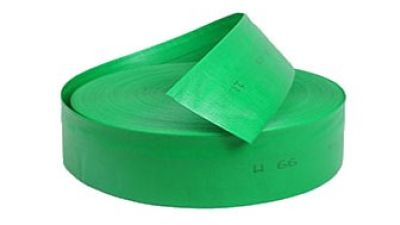
2" Layflat PVC Hose for Garden Irrigation: Report Insights from Grand View Research and MarketsandMarkets
The 2-inch layflat PVC hose is becoming a practical solution for garden irrigation, especially where efficient water distribution and easy handling are important. Recent market research indicates growing interest in flexible fluid-management equipment as gardeners, landscapers, and agricultural users seek products that save storage space without sacrificing performance. With its wide internal diameter, this hose can support substantial water flow across lawns, planting beds, nurseries, and other outdoor areas.
Unlike rigid or conventional hoses, a layflat design remains lightweight and can be folded or rolled when not in use, making transport and compact storage much easier. It can be guided around garden structures, pathways, and sharp turns with minimal effort, while its ability to unroll smoothly helps users reposition irrigation lines quickly. Reinforced PVC construction can provide resistance to abrasion, punctures, moisture, and sunlight, supporting dependable service during repeated outdoor use. The hose can also be adapted for temporary irrigation layouts, water transfer, and other controlled fluid-handling tasks where flexibility and durability are required.
Conclusion
Choosing the right Discharge Hose Coupler is essential for creating a secure, efficient, and long-lasting connection between hoses, pumps, and equipment. This component joins discharge lines while supporting the movement of liquids, and its performance depends on proper design, material selection, size, pressure capacity, and temperature resistance. Different applications may require couplers made from materials that withstand abrasion, corrosion, chemicals, heat, or demanding outdoor conditions.
A reliable selection process begins by matching the coupler size and connection method with the hose specifications and installation requirements. Threaded, cam-style, flanged, or other connection types can affect assembly speed, maintenance access, and sealing performance. Users should also confirm working pressure and temperature ratings, inspect gasket and sealing compatibility, and consider factors such as vibration, flow conditions, and potential leakage. By evaluating these details carefully, operators can improve safety, reduce downtime, and achieve dependable discharge system performance.


 Wanggou Industrial Park,Lanshan District, Linyi City, Shandong Province, China