Picking out the right Rolling Tarp might seem a bit overwhelming at first. There are so many options out there, and honestly, figuring out what’s best for your needs can feel like a lot. I talked to Mark Thompson from Tarp Solutions Inc., who’s pretty much an expert in this stuff. He mentioned, “Investing in the right Rolling Tarp can actually save you both time and money.” That really hits home, showing how important it is to make a smart choice from the get-go.
Understanding what you’re actually going to use the tarp for is key. Think about things like size, material, and how tough it is. A good quality tarp can keep your stuff safe from bad weather, but a cheap, flimsy one might end up causing more problems than it solves. A lot of folks overlook these details and end up disappointed with what they buy. So, before you buy, take a moment to consider what you really need.
And hey, in this industry that keeps changing all the time, it’s worth staying in the loop. New materials and cool designs keep popping up, making these tarps even better. Don’t be shy about asking questions or doing a bit of research—staying informed can really make a difference. After all, the right tarp can seriously boost how smoothly your work goes. So, take your time, weigh your options, and find a tarp that actually fits your needs — it’s worth the effort!

Understanding the Different Types of Rolling Tarps Available in the Market
When selecting a rolling tarp, it's essential to understand the different types available. Rolling tarps serve various purposes, from protecting cargo during transport to enhancing the aesthetic of a vehicle. According to industry reports, more than 70% of transport companies now utilize Rolling Tarp Systems for efficiency and protection.
There are primarily two categories of rolling tarps: manual and electric. Manual tarps require physical effort to deploy, while electric systems provide convenience with the push of a button. Selecting between these options depends on the frequency of use and user preference. Data suggest that electric rolling tarp systems can improve loading time by up to 30%, which is crucial for time-sensitive deliveries.
Tip: Consider the climate of your area; heavy-duty materials perform better in extreme weather. Proper maintenance is vital too. Regular checks can prevent wear and tear, extending the life of your tarp. Choose colors wisely as they can affect heat absorption; lighter colors keep cargo cooler.
Keep in mind, not every rolling tarp system is suitable for all applications. For instance, a lightweight tarp may not protect fragile items during long hauls. Make sure to assess your specific needs to find the best fit for your operations.
Choosing the Right Type of Rolling Tarp
Key Features to Consider When Selecting a Rolling Tarp
When selecting a rolling tarp, consider the material. Heavy-duty fabrics are often ideal for demanding environments. They resist tears and provide waterproof protection. Lightweight options work for less intense tasks. The right choice prevents potential damage to your cargo.
Next, assess the size. Your Rolling Tarpaulin must fit your specific needs. A tarp that's too small may expose part of your load, while an oversized tarp may be cumbersome to handle. Measure your vehicle or trailer before making a decision. Proper sizing ensures easy handling and effective coverage.
Lastly, review the closure mechanism. A reliable system simplifies the tarping process. Velcro, buckles, or zippers are common options. Choose one that aligns with your ease of use and security needs. An effective closure keeps your load safe from elements and prying eyes. Inspect these features carefully to ensure they meet your requirements.
Evaluating the Weight Capacity and Durability of Rolling Tarps
When selecting a rolling tarp, weight capacity and durability are critical factors. Recent industry reports indicate that tarps can typically handle loads ranging from 1,000 to 5,000 pounds, depending on the materials used. Many use heavy-duty polyethylene or vinyl, which add to both strength and lifespan. However, it's crucial to match the tarp's specifications to your specific requirements. Overloading a tarp can lead to accidents and equipment damage.
Durability is another essential aspect. The average lifespan of rolling tarps varies greatly—some last only a year, while others can endure for a decade. High-quality tarps are often reinforced with double stitching and UV protection. These enhancements significantly prolong usability but may come at a higher price. Yet, considering the potential for frequent replacements, investing in a durable option could save money in the long run.
Furthermore, not all tarps perform equally under environmental stress. For example, exposure to extreme temperatures may affect materials differently. Evaluating user reviews and professional assessments can be helpful, but real-world testing often reveals limitations not noted in marketing materials. Understandably, it’s crucial to consider all factors before purchasing, as selecting the wrong tarp could complicate your operations significantly.
Assessing the Material Options for Rolling Tarps: PVC vs. Canvas
When choosing rolling tarps, material selection is crucial. The two common options are PVC and canvas.
PVC tarps offer superior waterproofing. They resist mold and mildew, making them ideal for harsh weather. Reports indicate that PVC can last up to 10 years with proper care. This longevity means fewer replacements over time, potentially saving costs.
On the other hand, canvas tarps are breathable and durable. They perform well in dry conditions and resist tearing. A study by a leading industry analysis firm highlighted that canvas tarps are less effective in extreme weather. Additionally, they tend to absorb moisture, which can weaken the material. If you're situated in a region with frequent rain, PVC might be the better option.
Both materials have unique benefits. Your choice should depend on your specific needs. Reflect on how often you will use the tarp and the climate in your area. While PVC offers longevity, canvas can provide better airflow for certain uses. Each material has strengths and weaknesses, and considering these factors will guide you to the right decision.
Determining the Size and Customization Needs for Your Rolling Tarp
Choosing the right size for your rolling tarp is crucial. Measure the dimensions of the area where you intend to use it. A rolling tarp should provide ample coverage while allowing ease of operation. Think about situations where you may need to expand or reduce size. Your tarp might need adjustments based on seasonal use or specific projects.
Customization is essential for functionality. Consider factors like material durability and color options to suit your needs. For example, high-grade materials can resist wear and tear better. Some users have preferences for reflective surfaces or patterned designs. These customizations can improve visibility or match existing equipment.
Tips:
Always double-check your measurements before ordering. A tarp that’s too small won’t offer protection, while one that’s too big can be difficult to manage. Think about how your needs might change over time. A "30 Tarp" might fit well initially, but ensure it can adapt to your future requirements. Balancing size and customization is key.
Analyzing Cost vs. Quality: Finding the Right Budget for Your Tarp
Choosing the right rolling tarp often involves weighing cost against quality. A study from the Tarpaulin Industry Association shows that buyers frequently opt for lower-priced options, often sacrificing durability. This can lead to a false economy. A quality tarp can last three to five years, while a cheaper one might need replacing annually.
When considering a budget, think about the materials. Higher-quality tarps often use heavy-duty fabrics, which resist tearing and fading. Many experts recommend investing in a 6m Tarp, as it typically offers a balance between size and durability. Cheaper alternatives may not provide adequate protection, especially in harsh conditions. While the upfront costs may be higher, the long-term savings can be substantial.
It's crucial to evaluate usage scenarios. A tarp used for commercial purposes may need to withstand tougher environments. According to a report by the Outdoor Products Association, 70% of professional users rated durability as their top priority. Reflecting on such data can guide decisions. Purchasing a tarp without considering these factors might lead to dissatisfaction and unexpected expenses down the line.
Maintenance Tips to Extend the Lifespan of Your Rolling Tarp
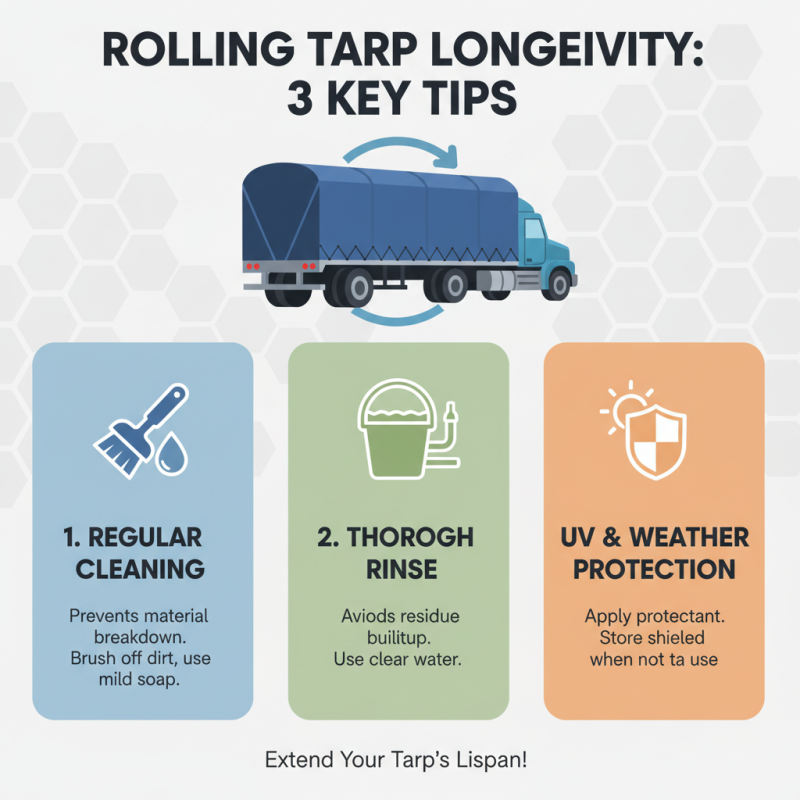
Maintaining your rolling tarp is crucial for its longevity. Regular cleaning is often overlooked. Dust, dirt, and debris can accumulate on the surface, leading to material degradation. Use a soft brush and mild soap to clean it gently. Rinse thoroughly with water to avoid residue buildup.
Inspect your tarp frequently for damage. Look for tears, frayed edges, or rust on the frame. Small issues can quickly escalate if ignored. Use a repair kit for minor tears. It’s a simple solution that can save you from costly replacements. Store your tarp properly when not in use. Folding it neatly and keeping it in a dry place helps prevent mold growth.
Also, consider the environment in which your tarp is used. Extreme weather can take a toll. UV rays can weaken materials over time. Try to park your equipment in shaded areas when possible. Protecting your tarp from harsh elements is essential for prolonged use. Always remember, a little attention goes a long way in extending the life of your rolling tarp.
Exploring the Benefits and Versatility of a 20x30ft Heavy Duty Reinforced PE/PVC Tarp for All-Weather Protection
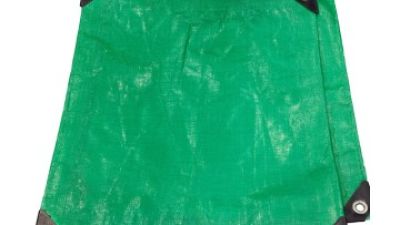
When it comes to all-weather protection, a 20x30ft heavy-duty reinforced PE/PVC tarp stands out as an indispensable asset for various outdoor applications. Crafted from advanced waterproof polyester fabric, this tarp not only ensures superior resistance to water but also withstands tearing, making it an ideal choice for outdoor awnings, temporary tents, and equipment shelters. According to industry research, the demand for effective outdoor protective gear has surged, particularly in sectors like construction and event management, where durability and reliability are paramount.
The tarp's composition includes a double coating of high-density polyethylene, which enhances its waterproofing capabilities while the UV-stabilized material mitigates the risks of color fading under sunlight exposure. This feature is vital, given that reports indicate UV damage can diminish the life expectancy of outdoor materials by up to 50%. Alongside its robust performance, the tarp is designed to remain flexible across a wide temperature range, from -25°C to 70°C, making it suitable for diverse weather conditions. Furthermore, the inclusion of rust-proof brass grommets and reinforced edges guarantees secure anchoring, even in windy environments, ensuring that the tarp remains intact when it matters most.
In addition to its protective qualities, this tarp is lightweight yet exceptionally durable, allowing for easy transportation and setup. Its resilience is enhanced by a mold-resistant treatment, addressing a common issue faced in humid environments. As versatile as it is practical, the tarp can also be customized to meet specific size requirements, making it suitable for an array of applications, from construction site covers to truck protection and event shelters. With the surge in outdoor activities and the increasing necessity for reliable weather protection, a heavy-duty tarp can be a smart investment that meets a variety of needs efficiently.
FAQS
: There are manual and electric rolling tarps. Manual requires physical effort; electric offers convenience with a button.
Heavy-duty materials are better for extreme weather. They provide durability and protection in harsh conditions.
Regular checks prevent wear and tear. This extends the tarp's life, saving money on replacements.
Measure your vehicle or trailer carefully. A tarp too small leaves cargo exposed; one too big could be unwieldy.
Common options include Velcro, buckles, and zippers. Choose one that fits your ease of use and security needs.
Cheaper tarps may sacrifice durability. A good tarp lasts three to five years, while low-cost options may need annual replacement.
High-quality, heavy-duty fabrics resist tear and fading. They offer better protection, especially in tough conditions.
Durability is key for commercial use. Consider the environment and usage scenario to avoid dissatisfaction and extra expenses.
Yes, lighter colors absorb less heat. This can keep your cargo cooler during transport, which is a crucial detail.
Selecting an unsuitable tarp might lead to damage. Reflecting on specific needs before purchase is essential.
Conclusion
Choosing the best rolling tarp for your needs involves a comprehensive understanding of the various types available on the market. Key features to consider include weight capacity, durability, and material options such as PVC and canvas. It's essential to evaluate these factors to ensure you select a tarp that meets your specific requirements. Additionally, determining the appropriate size and customization options is crucial to achieve a perfect fit for your application.
Budget considerations play a significant role in the selection process, as finding the right balance between cost and quality is important for long-term satisfaction. Lastly, implementing maintenance tips can greatly extend the lifespan of your rolling tarp, ensuring it remains functional and effective for years to come. With these insights, you can make an informed decision that aligns with your needs and budget.


 Wanggou Industrial Park,Lanshan District, Linyi City, Shandong Province, China