Picking the right polyethylene canvas actually matters a lot, whether you're setting up for an outdoor event or just protecting your stuff. Honestly, figuring out exactly what you need can make a huge difference in how well your project turns out. Polyethylene canvas is pretty great because it's durable and versatile — but, let's be real, not all options are the same.
Take companies like Tarps Plus and Uline, for example—they have a variety of choices, like UV-resistant polyethylene tarps. That feature is a lifesaver if you're going to leave it outside, since it helps the canvas hold up against the sun without falling apart. When shopping, you'll notice different weights and thicknesses, which also play a role in how sturdy or easy to handle the material is.
So, before you buy, think about what you really need: Are you more concerned with the weight, the color, or maybe how water-resistant it is? Knowing this stuff upfront can save you a lot of hassle and money down the line. Also, don’t forget to consider where you’ll be using it and the weather conditions it'll face. It might take a little research, but trust me, making the right choice will be totally worth it in the long run.
Understanding Polyethylene Canvas: Types and Characteristics
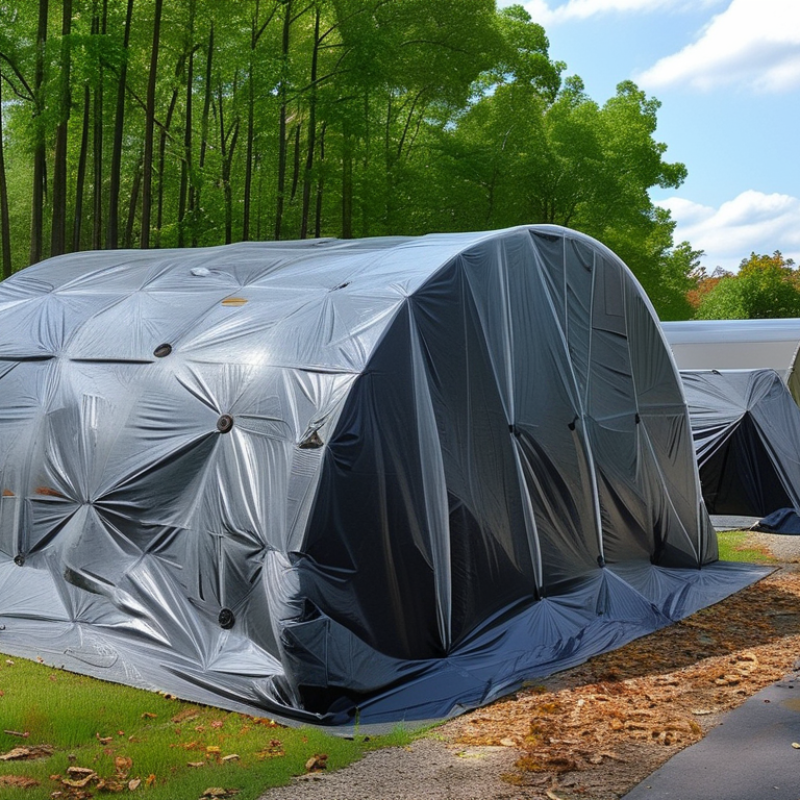
Polyethylene canvas is widely used in various industries, known for its durability and versatility. Understanding the different types and characteristics of polyethylene canvas is crucial for making an informed decision. Typically, polyethylene can be categorized into two main types: woven and non-woven. Woven Polyethylene Tarps are strong and can withstand significant wear and tear. They often resist punctures and tears, making them suitable for heavy-duty applications. On the other hand, non-woven variants are lighter, offering flexibility and water resistance, ideal for lightweight covering needs.
Industry reports indicate that the global market for polyethylene tarps is expected to grow by 4.5% annually through 2026. This growth reflects the increasing demand due to their widespread use in agriculture, transportation, and construction. Choosing the right polyethylene canvas involves considering specific project requirements. Factors such as thickness, UV resistance, and waterproofing capabilities play a significant role. Thicker tarps often provide better protection from harsh environmental conditions, while UV resistance can extend their lifespan.
While polyethylene canvas is generally robust, it’s essential to recognize its limitations. Overexposure to heat can lead to deterioration, and improper storage may result in damage. Therefore, evaluating the intended use and environmental factors is critical. Users must also reflect on the balance between budget constraints and quality needs. Selecting the appropriate polyethylene tarp requires careful consideration of both current requirements and potential future applications.
Key Factors in Assessing Polyethylene Canvas Durability
When choosing polyethylene canvas, durability is a key factor. A strong fabric can endure various weather conditions and heavy use. Look for materials that resist tearing, UV rays, and water. A robust canvas can last for years, making it a wise investment.
Tips: Check the weight of the canvas. Heavier materials often indicate better durability. Also, consider the thickness. Thicker canvases usually provide more protection. Conduct tests if possible. Small scratches or wear can show you how well the material holds up.
While narrowing down your options, think about the environment where the canvas will be used. For instance, lightweight options may fare poorly in windy areas. Make sure to ask questions if you’re unsure about the product’s performance. Often, detailed specifications can reveal hidden qualities that influence longevity.
Evaluating Thickness and Weight for Your Project Needs
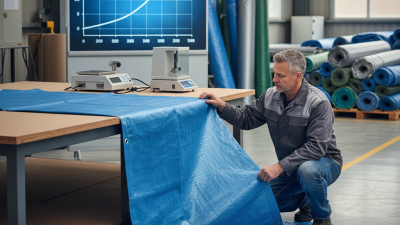
When selecting a polyethylene canvas for your project, thickness and weight are crucial factors. Thicker materials generally offer better durability. For example, a canvas that is 18 mils thick can withstand harsher weather conditions compared to a 10 mil one. You must consider how the Tarp Polyethylene will be used. Will it be exposed to heavy rain or strong winds? These elements can significantly impact the choice.
Weight is another essential aspect when evaluating materials. A heavier tarp polyethylene might be more robust, but it can be challenging to handle. For large projects, this can slow down your work. Light materials are easier to transport, but they may not hold up in extreme situations. Think about the balance between convenience and strength. It’s often a matter of trial and error. Choosing the right balance can sometimes lead to surprises.
Many users find themselves regretting decisions based solely on price. A cheaper option may save money initially, but it might not perform well long-term. This reflection is important; considering future needs is vital. Examining user reviews and expert insights can guide you. Don't overlook the importance of discussing your project needs with experienced professionals.
Water Resistance and UV Protection: What to Look For
When considering polyethylene canvas, water resistance and UV protection are crucial factors. Water resistance helps keep your belongings dry. Look for materials that have a high hydrostatic head rating. This rating indicates how much water pressure the fabric can withstand before it leaks. A good rating ensures that your canvas can take on heavy rain without soaking through.
UV protection is equally important. The sun’s rays can degrade materials over time. A canvas with UV-resistant properties can prolong its lifespan. Check the UPF rating, which indicates how effectively the fabric blocks UV rays. A higher UPF means better protection against sun damage. Some canvases may be treated to enhance their UV resistance, which is worth considering.
Not all polyethylene canvases offer the same level of protection. Evaluate your specific needs. Will your canvas face harsh weather conditions or intense sun exposure? Perhaps you need something more durable. It might be beneficial to read reviews or consult experts before making a choice. Choose wisely, as the right canvas can make a significant difference in your outdoor activities.
2026 How to Choose the Best Polyethylene Canvas for Your Needs?
| Feature |
Importance |
Description |
| Water Resistance |
High |
Ensures that the canvas repels water effectively and maintains integrity over time. |
| UV Protection |
Critical |
Protects against sun damage, preventing fading and degradation of the material. |
| Tensile Strength |
Important |
Indicates the canvas's ability to withstand stretching and pulling forces without tearing. |
| Mildew Resistance |
Essential |
Prevents mold and mildew buildup, especially in humid environments. |
| Weight |
Variable |
Affects the ease of handling and transportation; heavier materials offer more durability. |
| Installation Ease |
Moderate |
Consider how easy it is to set up and attach the canvas for your specific use case. |
| Color Options |
Variable |
Can enhance aesthetic appeal and blend with surroundings; darker colors provide better UV absorption. |
Applications of Polyethylene Canvas: Choosing Based on Usage
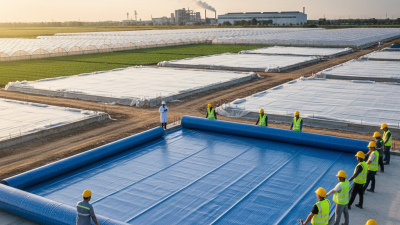
When selecting polyethylene canvas, understanding its applications is crucial. Polyethylene Tarpaulin is widely used in construction, agriculture, and outdoor events. Its durability makes it ideal for temporary covers and ground protection. According to industry reports, the global polyethylene tarpaulin market is projected to grow annually by 5.6% through 2026. This growth is driven by increasing demands in various sectors.
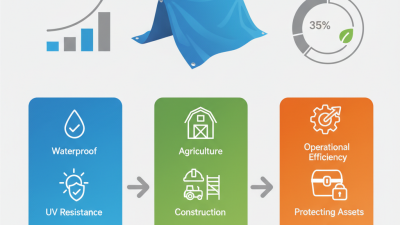
In construction, polyethylene canvas is often chosen for its waterproof and UV-resistant properties. Builders rely on this material to protect equipment and materials from the elements. In agriculture, farmers utilize polyethylene tarps to cover hay and machinery, ensuring protection from moisture and pests. Additionally, outdoor event planners frequently opt for polyethylene tarpaulin for tents and canopies due to its lightweight nature and ease of transportation.
While polyethylene canvas has many benefits, it is essential to consider potential drawbacks. For instance, while it offers high flexibility, overexposure to harsh UV rays can degrade the material over time. Users must regularly inspect for wear and damage, as neglect could lead to failures when it's needed most. Thus, selecting the right polyethylene tarpaulin requires careful consideration of the specific application and environment in which it will be used.
Cost Considerations: Budgeting for Your Polyethylene Canvas Selection
When budgeting for polyethylene canvas, it’s essential to analyze your specific needs. The price can vary significantly based on quality and features. A basic canvas might cost less, but durability could be compromised. Cheaper options may lead to frequent replacements. This can inflate long-term costs, countering initial savings.
Consider the application. Will it be exposed to harsh weather? Durable options tend to have a higher upfront cost. However, investing in quality may save you money over time. Evaluate the thickness and weight of the canvas. Heavier canvases often provide better longevity, reducing the need for replacements.
Include shipping and installation in your budget as well. These costs can add up. Seek out professional advice. Sometimes, less expensive options lead to more expenses. Reflecting on your priorities can help refine your decision. Are you more concerned with cost or durability? Finding that balance is key.
Where to Source Quality Polyethylene Canvas for Your Needs
When sourcing quality polyethylene canvas, consider various factors. The right canvas should meet your specific needs, whether for industrial or personal use. Tarpaulin Polyethylene is a popular choice for its durability and versatility. It can withstand harsh weather conditions, making it suitable for outdoor projects.
Online marketplaces often provide a wide selection. However, not all sellers are reputable. Always check reviews and ratings before purchasing. A good supplier will offer detailed product descriptions and specifications. Look for features like UV resistance and tear strength. These attributes ensure that the canvas performs well over time.
Local hardware stores can be another source. Visiting in person allows you to inspect the material. You can feel its weight and texture, which is crucial for quality assurance. Engaging with knowledgeable staff can also help you make better choices. They can explain different grades and applications, but sometimes they may not have all the answers. Trust your research, and don't rush into purchasing without proper evaluation.
The Impact of Advanced PE Tarpaulin Solutions on Vehicle Protection: Insights from Recent Market Data and Trends
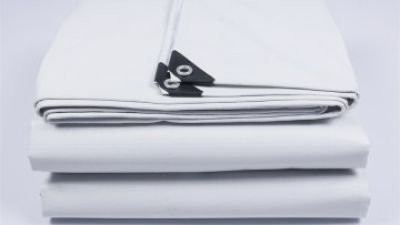
As vehicle protection becomes increasingly critical in various sectors, advanced polyethylene (PE) tarpaulin solutions emerge as a frontrunner in safeguarding assets against harsh environmental conditions. The durable white tarpaulin, crafted from thickened PE, stands out due to its robust construction, offering a weight of 500g/m² that delivers exceptional strength and performance. Its waterproof nature ensures that vehicles remain shielded from rain and moisture, while the smooth, PE-coated surface enhances durability, making it resilient against wear and tear.
In addition to its protective features, this innovative tarpaulin offers a myriad of versatile applications ranging from camping trips to construction sites. With the ability to provide sunshade, UV protection, wind resistance, and rain defense, it becomes an invaluable asset for outdoor enthusiasts and professionals alike. Furthermore, the customizable options available allow users to tailor the size of their rain gear specifically to their needs, ensuring a perfect fit for any vehicle or equipment. This degree of personalization caters to specific demands and enhances user satisfaction, making it an ideal choice for those seeking reliable solutions for their protection needs.
FAQS
: Water resistance keeps your belongings dry. Look for a high hydrostatic head rating for effective protection against rain.
UV protection helps prevent material degradation over time. A high UPF rating indicates better defense against harmful sun rays.
Evaluate your specific needs, like exposure to harsh weather. Frequent use in tough conditions may require a more durable option.
The price varies based on quality. Cheaper options may require more frequent replacements, leading to higher long-term costs.
Yes, those costs can add up quickly. Consider them when finalizing your budget to avoid surprises later.
Online marketplaces offer variety, but check reviews to ensure reliability. Local hardware stores allow hands-on inspections for quality assurance.
Look for detailed product descriptions and positive reviews. Trustworthy sellers provide accurate information about their products.
Balance your concerns about cost and durability. Reflecting on your priorities helps you make a more informed choice.
While staff can offer advice, they might not have all the answers. Always conduct your own research before purchasing.
Key features include UV resistance and tear strength. These attributes ensure a longer lifespan and better performance.
Conclusion
When selecting the best Polyethylene Canvas for your specific needs, it's essential to understand its various types and characteristics. Key factors to assess include durability, thickness, and weight, as these elements can significantly impact the canvas's performance depending on the project requirements. Additionally, ensure that the Polyethylene Canvas provides adequate water resistance and UV protection, which are crucial for outdoor applications.
The applications of Polyethylene Canvas are diverse, so choosing the right type based on usage scenarios is important. Cost considerations also play a vital role as budgeting successfully can help you find the best quality canvas without overspending. Finally, sourcing quality Polyethylene Canvas from reputable suppliers will ensure you get a product that meets your standards and requirements.


 Wanggou Industrial Park,Lanshan District, Linyi City, Shandong Province, China