Picking out the right Oil Tarp isn’t just about grabbing the first one you see. It really pays to think about what you actually need. An oil tarp is super handy for protecting your gear or workspace from spills and leaks, but here’s the thing—you can’t assume all tarps are the same. Some are built tougher for rugged tasks, while others are lighter and easier to carry around. You’ve gotta consider where you’ll be using it—outdoors or inside. That choice can totally change what kind of tarp you should get. And don’t forget about quality! Look for materials that won’t tear easily and check how waterproof they really are. Sadly, not all tarps on the market are up to par, and a cheap one might fall apart after just a few uses. Think back to your past experiences with tarps—learning from what didn’t work before can really help you pick a solid one this time around.
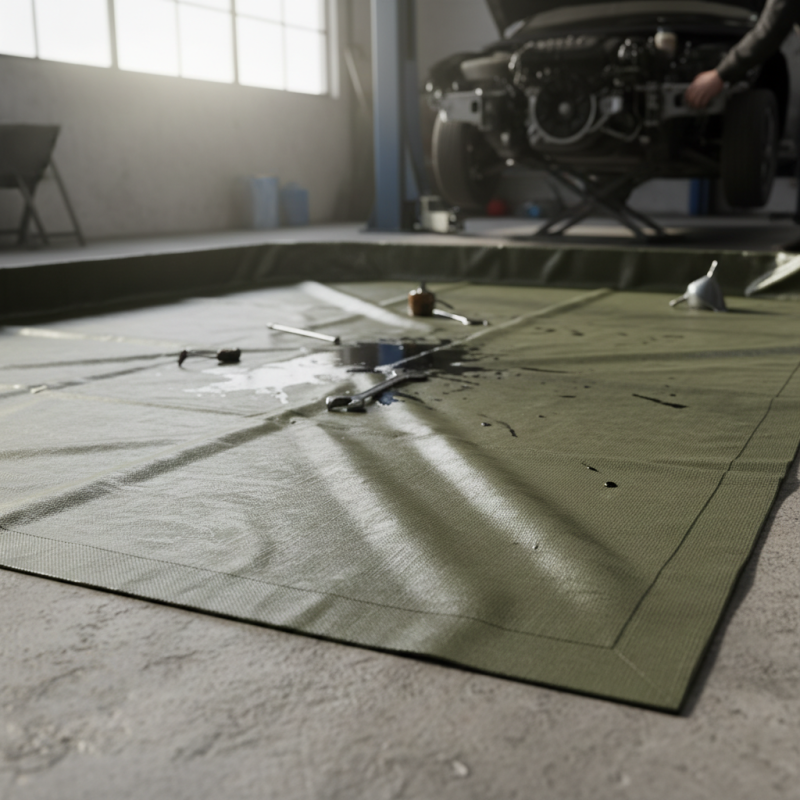
Oil tarps are an essential tool for various industries. Understanding their definition and purpose is crucial when selecting the right one. An oil tarp is typically made from heavy-duty materials designed to contain spills and leaks of oils or hazardous substances. The primary purpose is to prevent environmental contamination and ensure safety.
According to a recent industry report, around 50 million gallons of oil spill on U.S. soil annually. This alarming statistic underlines the critical role of oil tarps in mitigating risks. They act as a barrier, protecting soil and water sources from hazardous substances. However, choosing the best oil tarp requires consideration. Some materials may not be suitable for all conditions, and improper usage can lead to leaks or spills.
Many professionals recommend regularly inspecting tarps for wear and damage. A study showed that 40% of oil spills occur due to equipment failure or improper tarp application. It is vital to select a tarp that suits your specific needs, whether for industrial use or personal projects. Not all oil tarps offer the same level of protection, and understanding your requirements can lead to better safety outcomes.
| Feature | Description | Recommended Usage |
|---|---|---|
| Material | Heavy-duty polyethylene | General oil spill containment |
| Size Options | Variety of sizes (e.g., 10x10 ft, 20x20 ft) | For different site requirements |
| Weight Capacity | Designed to hold a substantial volume of oil | For industrial applications |
| Color | Usually black or blue for visibility | To quickly identify containment areas |
| UV Resistance | Protects against sunlight degradation | For outdoor storage |
| Price Range | $50 - $200 depending on size and features | Budget planning for different projects |
When choosing an oil tarp, several key features deserve attention. Size is crucial; if it’s too small, it won’t cover the area adequately. If it’s too large, it may be cumbersome and heavy. Consider the material, as it directly affects durability and weather resistance. A thicker tarp can withstand harsh conditions better but might feel bulky.
Ease of use is another important feature. Look for tarps that come with grommets or reinforced edges. This can simplify securing the tarp in place. Think about portability as well, especially if you need to transport it frequently. Lighter tarps often pack down better but may sacrifice some strength.
Lastly, evaluate the waterproof capabilities. A tarp that can repel oil is also crucial. This ensures that spills are contained effectively. Reflect on your specific needs. Sometimes, we prioritize low cost over quality, which can lead to disappointment later. The right choice balances features, durability, and your budget.
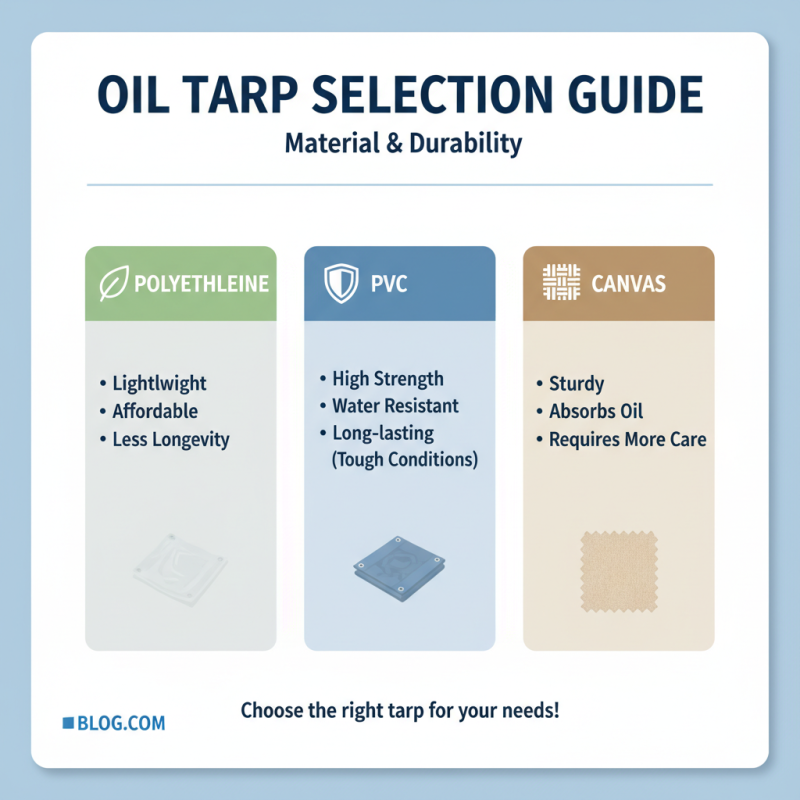
When selecting an oil tarp, material and durability play crucial roles. Common materials include polyethylene, PVC, and canvas. Polyethylene tarps are lightweight and affordable but may lack longevity. PVC offers high strength and water resistance, often lasting longer under tough conditions. Canvas tarps, while sturdy, can absorb oil and require more care.
According to industry reports, PVC and canvas options show the best durability ratings. PVC tarps can withstand temperatures ranging from -40°F to 180°F. Canvas tarps typically serve well in moderate climates, but their performance can drop in extreme conditions. It’s essential to consider these factors based on your usage requirements.
Tip: Always check the thickness of the tarp material. Tarps with a thickness of at least 6 mil offer better resistance against tears and punctures.
Reflect on your specific needs. Will the tarp be used for industrial purposes or casual cover? Your decision impacts your budget and effectiveness. Choosing incorrectly means wasting money and time. Evaluate your environment before making a purchase.
Choosing the right size for your oil tarp is crucial. An adequate size ensures that you can cover all necessary areas effectively. Measure the space where you intend to use the tarp. Remember to add a few extra feet for overlap, especially if your work requires a secure seal.
Tips: Always consider the terrain. Uneven surfaces may require a larger tarp to prevent spills. Don’t forget to check the weather conditions. Heavy rain or strong winds can affect how you secure your tarp.
Oil Canvas Tarp options can vary widely. It’s essential to assess your specific needs. A tarp that is too small might not provide adequate protection. On the other hand, a tarp that is excessively large can be cumbersome to handle. Striking that balance means doing a little homework.
Consider the items you'll cover. If they are bulky or irregularly shaped, you may need additional coverage. Refine your choices based on these practical needs. Look for a tarp that is not only the right size but also durable. Sometimes, hesitating on the size may lead to reflections on your previous choices.
Choosing the right oil tarp involves careful budgeting. Understanding cost-effectiveness is crucial. According to industry reports, the average cost of a quality oil tarp ranges from $50 to $300. The price varies based on size and material. A 30 Tarp can serve various purposes, but how do you determine its value?
When budgeting, think beyond the initial price. The longevity of an oil tarp can significantly impact overall costs. A higher quality tarp may be more expensive upfront but can last longer, saving money in the long run. Industry surveys reveal that a premium tarp can last up to five times longer than a basic option. This means less frequent replacements, ultimately benefiting your budget.
However, the decision isn’t always clear-cut. Some users may struggle with the upfront investment. Choosing a cheaper option may seem wise but can lead to more expenses. Users often find themselves replacing lower-quality tarps more frequently, increasing long-term costs. Balancing initial expenses with potential future savings is essential for making an informed decision.
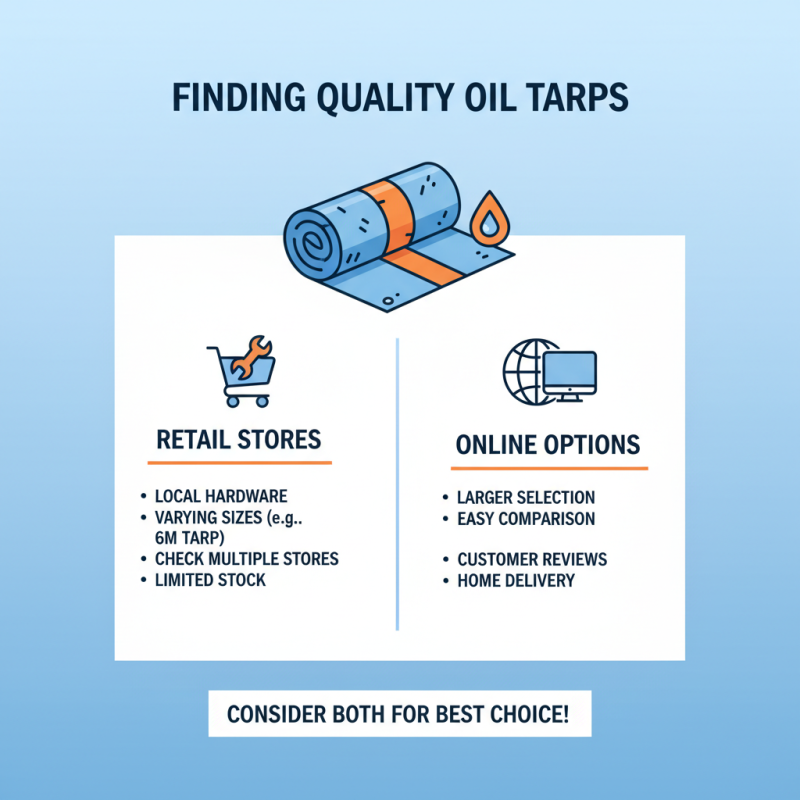
When searching for quality oil tarps, consider both retail and online options. Local hardware stores often stock a variety of sizes. You might find a sturdy 6m Tarp that fits your specific needs. However, inventory can vary. Not every store carries the same selection, which can be frustrating. Check multiple locations to see what works for you.
Online shopping offers a wider range of choices. Websites often have detailed specifications and user reviews. You can find a durable 6m tarp that meets your requirements easily. Delivery services are convenient, but wait times can sometimes be longer than expected. Be sure to read customer feedback to avoid disappointments.
Some customers may overlook important factors. For instance, they might prioritize price over quality. This can lead to regrettable purchases. A low-cost tarp might not withstand harsh conditions. Reflect on what you truly need in a tarp. Taking the time to choose wisely can save you from future headaches.
Oil tarps are essential for a variety of applications, but maintaining them can be challenging. Regular care significantly extends their lifespan. Studies indicate that proper maintenance can improve durability by up to 30%. This includes regular inspections for wear and tear. Small issues, if left unchecked, can lead to larger problems.
Keeping tarps clean is crucial. Use mild soaps and avoid harsh chemicals. A simple rinse with water can remove dust and debris. When storing, ensure the tarp is completely dry. Moisture can lead to mold, drastically shortening its lifespan. Consider using a dedicated storage bag for extra protection.
Even with the best materials, wear is inevitable. A 20 Tarp may develop cracks over time, especially with heavy use. Regularly check for signs of damage. Patch any small holes immediately to prevent further deterioration. Reflecting on these maintenance habits can lead to more efficient use of resources and increase the functionality of your tarp.
: You can enjoy outdoor sports, cultural events, and workshops. Explore your interests in nature or arts.
Most activities are suitable for all ages. Some events may have specific age requirements, so check beforehand.
Wear comfortable clothing and sturdy footwear. Dress appropriately for the weather conditions to ensure your safety.
It is recommended to book activities in advance. Some events may have limited spots or fill up quickly.
Bring water, snacks, and a small first-aid kit. Don't forget sunscreen and a hat for sunny days.
Pet policies vary by activity. Some places welcome pets, while others do not. Always check the rules before heading out.
Check the cancellation policy. You may need to inform organizers in advance for a full or partial refund.
Transportation availability depends on the event. Some offer shuttles, while others may require you to arrange your own transport.
You can typically leave feedback online or contact the organizers directly. Your comments help improve future activities.
Yes, many people join activities solo. It’s a great way to meet new friends and explore new interests.
When selecting the best oil tarp for your needs, it's essential to understand the definition and purpose of these durable covers. Oil tarps serve to contain spills and protect surfaces from oil and other hazardous materials. Key features to consider include material composition, durability, and size, all of which affect performance and usability. Different types of oil tarps are available, varying in thickness, resistance, and lifespan, making it crucial to assess what will best suit your requirements.
Budgeting for an oil tarp also plays a significant role, as pricing can vary widely based on size and material quality. Therefore, evaluating cost-effectiveness is necessary. Shoppers have multiple purchasing options, including retail stores and online platforms, ensuring accessibility. Lastly, proper maintenance and care are important for prolonging the life of your oil tarp, allowing it to effectively fulfill its intended function over time.