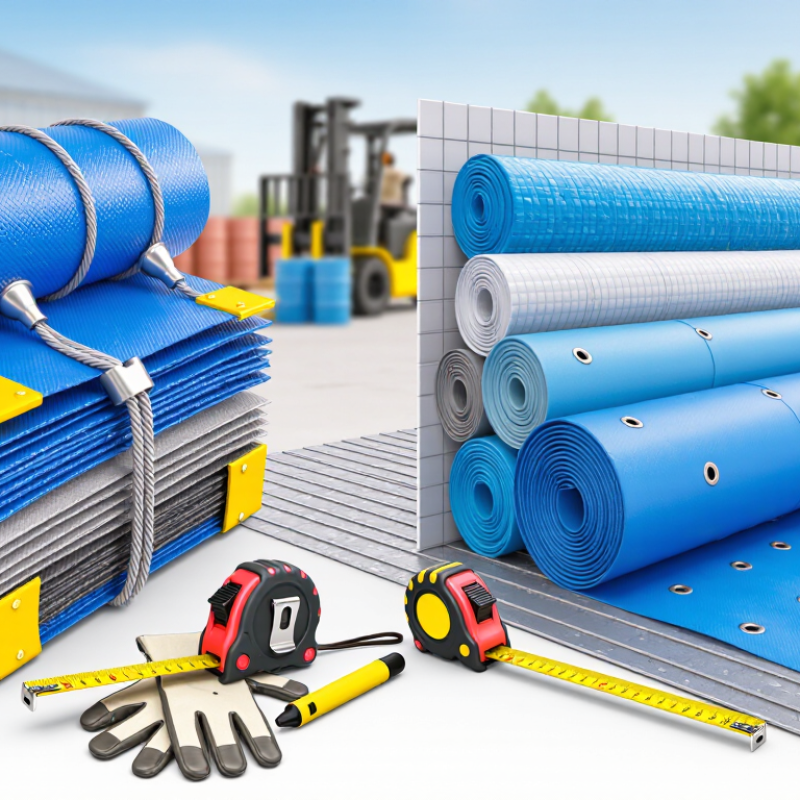
When you're choosing the right Oil Tarp, start with the material—not the color or, honestly, the price. A tarp you can actually depend on has to match the load, the weather, and the handling it'll go through. Heavy-duty vinyl is often a good fit for demanding outdoor work. Woven polyethylene, though, can be lighter and much easier to install.
Michael R. Hensley has been designing tarps at HarborShield Covers for years, and he puts it pretty simply: “A good Oil Tarp should protect the load without becoming the next problem.” Honestly, that’s the kind of warning worth paying attention to. See, a tarp can look tough as nails out of the box, but the trouble often shows up in the little places—weak seams, grommets that are just too small, corners that weren’t reinforced properly. It’s the small stuff that ends up mattering.
Take your time measuring the area you're covering. You’ll want a little extra material too—enough for overlap, tie-downs, and some movement. If it’s too tight, that can put a lot of stress on the fabric. But if it’s too loose, it might catch rainwater or flap like crazy when the wind picks up. Honestly, neither one works well.
Before you buy, definitely check the coating. A good surface should hold up against oil, moisture, scuffs, and all that folding and refolding. But here's the thing: no coating lasts forever. That's the part people usually miss. So ask about how hot or cold it can get, and what cleaning it needs. Some materials get stiff when it's cold, or break down after sitting in sunlight too long.
A good, reliable supplier? They should be upfront about things like fabric weight, how the seams are made, grommet spacing, and what the warranty actually covers. Take HarborShield Covers or Northline Industrial Fabrics—they show why clear specs matter. But hey, even a strong brand name doesn't mean you can just skip inspection.
So, think about how it’ll actually get used day to day. Are workers going to be installing it while wearing gloves? Could forklifts bump into it, or sharp edges rub against it? Little stuff like that can totally change what the best pick is. When you're choosing an Oil Tarp, it’s not just about going for the heaviest one you can find. It’s more about finding that balance—protection, handling, durability, and what the job site is really like.
Choosing an oil tarp starts with the cargo, not the tarp itself. Identify what must remain dry, clean, shaded, or protected from abrasion. Machinery may need water resistance and strong tie-down points. Grain, timber, and packaged goods may require different levels of airflow and surface protection. Measure twice. A loose cover can collect rainwater and flap against sharp edges.
Next, study the expected weather exposure. Frequent rain calls for tightly sealed seams and a properly maintained coating. Strong sunlight can weaken fabric over time, especially when the tarp remains stretched for weeks. Snow adds weight, while coastal air may increase corrosion around metal fittings. An Oil Canvas Tarp can suit demanding outdoor work, but its performance depends on fabric weight, finish, and condition. Do not assume every oil-treated canvas is fully waterproof.
Inspect the loading area before choosing the size. Look for corners, hooks, exhaust heat, and rough surfaces that could tear the material. Leave enough coverage for a secure overlap without dragging excess fabric on the ground. I have seen buyers focus on thickness and overlook tie-down placement. That mistake creates movement, pooling, and premature wear. Weather changes. Recheck the tarp after the first storm, then inspect seams, grommets, and tension points regularly. A small split is easier to repair than a soaked load.
How to Choose the Best Oil Tarp for Your Needs
Material choice controls durability, handling, and resistance to oily liquids. Polyester is light, flexible, and dries quickly after rain. PVC-coated polyester adds a heavier barrier and usually cleans more easily. Canvas feels breathable, but it can absorb oil unless treated with an oil repellent finish. The 2024 Textile Exchange Materials Market Report recorded 124 million tonnes of global fiber production in 2023. Polyester represented about 57 percent. That scale supports its availability, but it does not prove every polyester tarp is strong.
Check fabric weight, denier, coating thickness, and seam construction together. Denier describes yarn size, not complete tear performance. ASTM D751 evaluates coated fabrics for tensile strength, tear resistance, and coating adhesion. ASTM D5034 measures textile breaking strength. Ask for test results, not vague claims such as “industrial grade.” A tarp with reinforced hems and closely spaced grommets handles repeated tension better. It also survives sharp trailer edges more reliably. Small details matter.
I once judged a tarp by coating thickness alone. That was a poor shortcut. A thick coating can still fail when the base fabric stretches or the seam leaks. For frequent exposure, choose a polyester-PVC structure with verified oil resistance and flexible cold-weather performance. For occasional, lighter work, treated canvas may be practical. Test a sample first. Rub it across a rough corner, fold it tightly, and inspect the stitching. Real handling often reveals what a specification sheet misses.
How to Choose the Best Oil Tarp for Your Needs
Select the Right Tarp Size, Shape, and Coverage Design
Choosing an oil tarp starts with accurate measurements, not guesswork. Measure the equipment, load, or work area from every side. Measure twice. Add enough material for overlap, folds, and secure attachment points. A tarp that fits tightly may tear when wind or movement creates tension.
Rectangular tarps suit flat equipment and storage areas, while square designs work well around compact loads. Irregular shapes may need a custom-cut cover with reinforced corners. Consider the load’s height, edges, valves, and protruding handles. I once selected a cover by length alone and underestimated the extra width needed for side protection. That mistake left a narrow exposed strip.
Coverage design also affects daily handling. Choose reinforced grommets along the edges, strong hems, and suitable fastening points for the expected conditions. Overlapping panels can improve protection, but excessive overlap may collect water or create difficult folds. Check the tarp’s resistance to oils, fuels, abrasion, temperature changes, and sunlight before purchase. Material data and care instructions should come from a reliable manufacturer or qualified supplier. Do not rely on appearance alone. A thick tarp is not automatically the best choice. Leave room for drainage. Review the design after the first use, because real handling often reveals problems that measurements miss.
Choosing an oil tarp starts with the load, exposure, and working climate. A tarp can look waterproof and still leak through stitched seams. In field use, I inspect the fabric after rain, not only before installation. Look for a hydrostatic-pressure rating tested under ASTM D751 or an equivalent method. Higher pressure resistance usually means better protection against pooling water. Drain sagging areas quickly.
UV resistance deserves equal attention. NOAA’s UV Index classifies levels 8–10 as very high and 11+ as extreme. Repeated sunlight can stiffen coatings, fade fabric, and weaken tie-down points. Ask for accelerated-weathering results under ASTM G154 or ISO 4892-3. Test hours are useful, but they do not perfectly predict every climate. Coastal salt, dust, and heat can change the result.
Tips: Choose a tarp with sealed seams, reinforced corners, and a stated operating temperature range. Check whether the rating applies to the coating, fabric, or complete assembly. For hot machinery, leave airflow around the cover. Trapped heat can soften some coatings. For winter storage, avoid folding the tarp when it is frozen. I have seen small cracks begin that way. Inspect edges monthly, especially where ropes rub. Replace doubtful covers early; failure during transport costs more than the tarp.
Choosing the best oil tarp depends on more than fabric weight. Grommets, fasteners, and reinforced edges determine whether the cover stays secure during loading, transport, and sudden wind. The Federal Highway Administration’s Freight Facts and Figures 2023 estimates that trucks carried roughly 13 billion tons of freight in the United States during 2022. That scale makes dependable load protection essential.
Choose brass, stainless steel, or zinc-coated grommets for better resistance against moisture and abrasion. Grommets should sit inside reinforced patches, not directly in thin tarp fabric. Spacing matters too. A practical range is 18 to 24 inches along exposed edges, with closer spacing near corners. For a 30 Tarp, inspect every grommet before installation. One loose eyelet can spread a tear quickly.
Select fasteners that match the load and anchor points. Rope may work for light, stationary coverage, while cam buckles or ratchet straps provide more controlled tension. FMCSA cargo securement guidance emphasizes preventing shifting, sliding, and loss of securement. ASTM D751 also evaluates coated fabrics through tensile, tear, and hydrostatic testing. These tests are useful, but they do not replace field inspection. I once trusted a strong-looking edge that had weak stitching underneath. It failed early.
Reinforced hems should include folded fabric, dense stitching, and protective binding. Check corners carefully. They receive the most stress. Avoid excessive tension; it can damage even excellent hardware. Some specifications look impressive on paper. Real weather is less polite.
| Application | Recommended Tarp Construction | Suitable Size and Coverage | Grommet Selection | Fastener Selection | Reinforced Edge Requirement | Key Selection Notes |
|---|---|---|---|---|---|---|
| Agricultural and farm equipment | Heavy-duty coated polyester or tightly woven fabric with a waterproof, oil-resistant coating. | Choose a tarp that extends at least 30–45 cm beyond the equipment or load on all sides. | Brass, stainless steel, or corrosion-resistant plated grommets; approximately 60–90 cm spacing. | Use adjustable buckle straps, webbing straps, or strong rope. Avoid thin cords that can cut into the tarp. | Double-stitched hems with a sewn-in webbing strip or corner patches. | Allow extra clearance around sharp edges, exhaust components, and moving parts. Do not cover hot machinery until it has cooled. |
| Truck and trailer loads | High-strength, UV-resistant oil tarp with reinforced corners and a low-stretch fabric structure. | Measure the load height and add sufficient overlap for side coverage; avoid excessive loose material that can flap in wind. | Heavy-duty grommets with reinforced patches; use closer spacing of about 45–60 cm in high-wind areas. | Ratchet straps with edge protection, cam-buckle straps, or load-rated tie-downs appropriate for the cargo. | Continuous reinforced hems plus extra reinforcement at corners and points where straps contact the tarp. | Fasteners should restrain the load without concentrating force on one grommet. Inspect tie-downs before and during transport. |
| Oil- or fuel-contaminated materials | Non-porous coated fabric with documented resistance to petroleum oils, diesel, and common industrial fluids. | Cover the full material stack with enough overhang to limit runoff and splash exposure. | Stainless steel or other corrosion-resistant grommets with sealed or reinforced attachment points. | Use coated webbing straps or synthetic rope that is compatible with the surrounding chemicals. | Welded or double-sewn hems with chemical-resistant reinforcement; avoid exposed absorbent edge materials. | Check the manufacturer’s chemical-resistance chart because oil resistance varies by coating and exposure time. |
| Temporary outdoor storage | Medium- to heavy-duty waterproof fabric with UV protection and mildew-resistant treatment. | Extend the tarp over the stored items while leaving space for ventilation and water drainage. | Rust-resistant grommets spaced about 60–90 cm apart for general use. | Use rope, bungee cords with protective hooks, or adjustable straps; maintain moderate tension. | Reinforced perimeter hem and double-layer corner patches are recommended. | Do not create a sealed pocket around damp goods. A sloped installation helps prevent standing water. |
| Industrial machinery protection | Heavy-duty coated textile with abrasion resistance, waterproofing, and resistance to industrial oils. | Use a custom-fitted or shaped tarp where possible; include clearance for controls, vents, and access points. | Large-diameter, corrosion-resistant grommets installed through reinforced patches. | Use soft webbing straps, cam buckles, or internal tie points that will not scratch painted surfaces. | Double-fold hem, perimeter webbing, reinforced corners, and additional patches at high-load areas. | Prevent contact with sharp machine edges by using protective padding or edge guards beneath the tarp. |
| Construction materials | Abrasion-resistant, waterproof, and UV-stabilized fabric suitable for repeated handling. | Select coverage based on the material’s shape, with extra allowance for overlapping bundles and uneven surfaces. | Heavy-duty grommets with reinforced patches; reduce spacing where wind exposure is significant. | Use load-rated straps, rope, or tarp clips designed for the tarp material. Do not rely on grommets alone for heavy loads. | Reinforced hems, corner patches, and webbing along long edges for repeated tensioning. | Secure loose corners and remove pooled water promptly to reduce stress on the fabric and fasteners. |
| Frequent installation and removal | Flexible, medium- to heavy-duty coated fabric that can be folded without excessive cracking. | Choose the smallest size that provides complete coverage and practical handling. | Smooth-finished brass or stainless steel grommets with uniform spacing. | Quick-release buckles, cam straps, or reusable tarp clips can speed up installation. | Continuous webbing reinforcement is preferred for repeated loading and unloading. | Store the tarp clean and dry. Folding while wet can encourage mildew and may damage some coatings. |
| Long-term outdoor exposure | Heavy-duty fabric with UV stabilizers, waterproof coating, mildew resistance, and strong seam construction. | Provide complete coverage without excessive tension; allow for thermal expansion and wind movement. | Stainless steel or high-quality corrosion-resistant grommets with reinforced attachment zones. | Use UV-resistant webbing straps or rope and inspect them regularly for fading, fraying, or loss of strength. | Fully reinforced perimeter, double-stitched hems, reinforced corners, and protected seam lines. | No fabric tarp is permanently weatherproof. Periodic inspection and correct tension are essential for service life. |
| Cold-weather or flexible-cover use | Flexible coated fabric rated for the expected low temperature, with a coating that resists cracking. | Allow additional material for wrapping irregular loads without forcing the fabric over sharp corners. | Grommets with smooth edges and reinforced patches to reduce tearing when the fabric becomes less flexible. | Use adjustable straps or rope; avoid over-tightening during cold conditions. | Flexible double-layer hems and reinforced corners are recommended for repeated folding. | Verify the stated minimum operating temperature before use, as coating flexibility differs between materials. |

How to Choose the Best Oil Tarp for Your Needs
Balance Product Quality, Maintenance Needs, and Overall Cost
Choosing an oil tarp begins with the material, not the price tag. A dependable tarp should resist oil, abrasion, sunlight, and repeated folding. Check the fabric weight, coating type, stitching quality, and grommet strength. These details often reveal more than a glossy product description.
I once selected a cheaper cover for a 6m Tarp application. The surface looked strong, but its coating became sticky after months near machinery. That mistake taught me to inspect technical data and request a sample when possible. Look for reinforced corners, closely spaced grommets, and seams that remain flat under tension. A slightly heavier tarp may cost more initially, yet it can reduce replacement and labor costs.
Maintenance also affects the real budget. Remove oil residue promptly with a suitable cleaner, then dry the tarp fully before storage. Avoid dragging it across rough concrete. Small cuts can spread quickly, although early repairs may extend service life. Keep records of cleaning, repairs, and exposure conditions. This practical history helps you judge whether a premium tarp truly performs better.
Do not ignore handling costs. A large, heavy cover may need two workers and more storage space. A lighter option may be easier to deploy but wear faster. Compare purchase price, expected service life, cleaning time, repair materials, and labor. Supplier test results can support the decision, but actual working conditions still matter. Forecasts are not guarantees.
Balance Product Quality, Maintenance Needs, and Overall Cost
The chart compares common oil-tarp material categories using a practical planning index. Product quality is rated from 1 to 10, while maintenance burden and five-year ownership cost are indexed from 1 to 10, with lower values indicating less maintenance or expense. PVC-coated polyester generally offers the strongest weather resistance, woven polyethylene provides a lower initial-cost option, and treated canvas can offer a balance between durability and repairability.
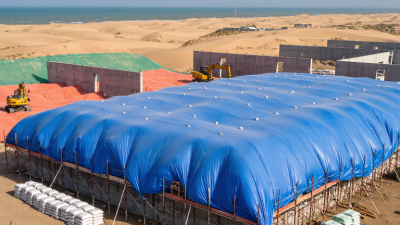
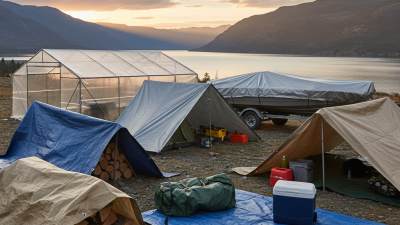
Heavy-duty waterproof blue tarpaulin provides dependable outdoor protection through changing seasons. Designed with a tightly woven, tear-resistant structure, it maintains strength when stretched over equipment, firewood, vehicles, garden materials, or temporary shelters. Reinforced edges and securely spaced grommets help distribute tension more evenly, reducing the risk of ripping during installation or windy conditions. Its waterproof surface helps prevent rain and melting snow from reaching covered items, while the blue finish offers clear visibility in storage yards, gardens, and work areas.
Weather exposure is becoming a greater concern for outdoor storage. According to the NOAA National Centers for Environmental Information, the United States experienced 28 weather and climate disasters causing at least one billion dollars in damage during 2023. The World Meteorological Organization also reported that 2023 was the warmest year on record, highlighting the need for materials that can tolerate stronger heat, rainfall, and sunlight. UV stabilization helps slow fading, brittleness, and surface deterioration caused by prolonged exposure, extending the tarp’s useful service life.
Built for practical, repeated use, this blue tarpaulin can be folded, transported, and installed wherever reliable coverage is needed. Its heavy-duty construction supports seasonal landscaping, construction-site protection, agricultural storage, camping, and emergency weather preparation. When secured with suitable ropes or straps and installed with enough slope for water runoff, it delivers consistent protection without tearing easily under normal outdoor tension.
Identify whether the cargo needs dryness, cleanliness, shade, airflow, or abrasion protection. Machinery may need strong tie-down points.
Frequent rain requires sealed seams and a maintained coating. Sunlight weakens fabric. Snow adds weight, while coastal air can corrode fittings.
No. Waterproof performance depends on fabric weight, coating, stitching, and condition. Check technical information instead of trusting appearance.
Measure the load from every side. Add material for overlap, folds, and attachment points. Measure twice.
A tight cover may tear under wind tension. Excess fabric may drag, flap, or collect rainwater. Small gaps can expose cargo.
Rectangular designs suit flat equipment and storage areas. Square tarps fit compact loads. Irregular loads may need custom-cut covers.
Check fabric weight, coating type, stitching, hems, reinforced corners, and grommet spacing. A thick tarp is not always better.
Compare purchase price, service life, cleaning, repairs, storage, and labor. A cheaper cover may become sticky near machinery.
Remove residue promptly with a suitable cleaner. Dry it completely before storage. Avoid rough concrete and repair small cuts early.
Inspect it after the first storm. Check seams, grommets, tension points, and drainage. Weather changes.
Choosing the best Oil Tarp begins with understanding what you need to protect and the conditions it will face. Consider the type, weight, shape, and sensitivity of your cargo, as well as exposure to rain, sunlight, wind, dust, and changing temperatures. Compare tarp materials, coatings, and fabric strength to find a balance between durability, flexibility, and practical handling. The correct size and shape should provide complete coverage without excessive loose material that could flap or collect water.
Pay close attention to waterproofing, UV resistance, and temperature tolerance, especially for long-term outdoor use. Strong grommets, compatible fasteners, and reinforced edges can improve secure installation and reduce stress-related damage. Finally, evaluate product quality alongside maintenance requirements and total cost. A well-made tarp may require a higher initial investment but can offer better protection, longer service life, and fewer replacements, making it a more economical choice over time.