Inquiry
Form loading...
0%

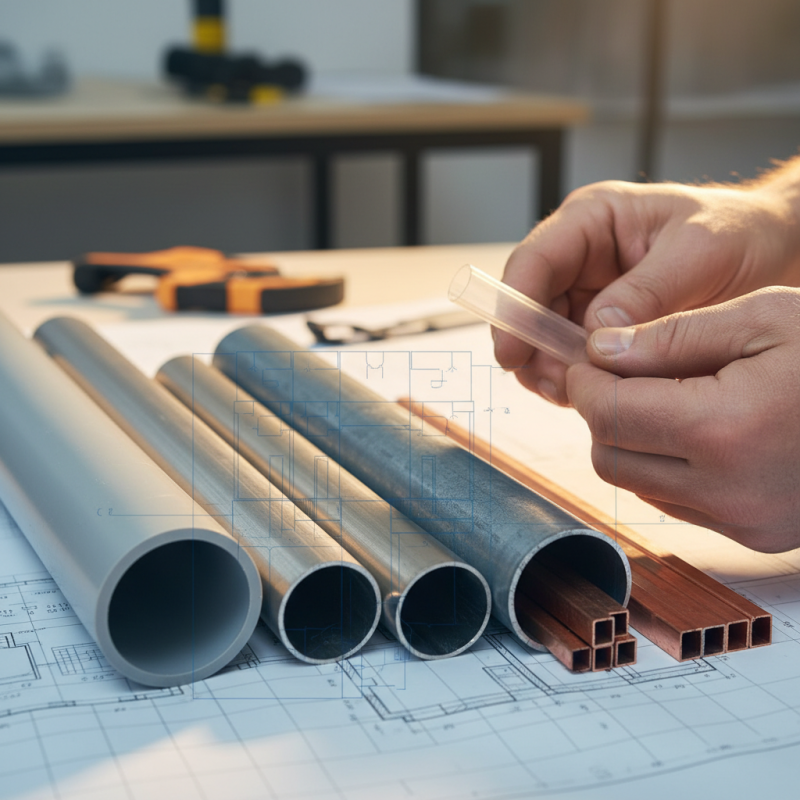
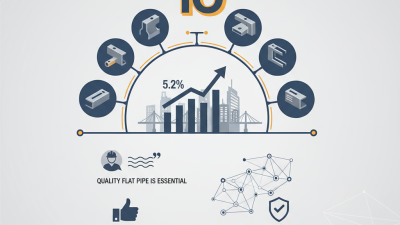
Picking the right flat pipe can really make a difference in how your project turns out. It’s not just about grabbing whatever’s available; there are a lot of things to consider—like materials, sizes, and what you actually need it for. Flat pipes are pretty handy, especially in plumbing and construction jobs, but understanding these details is key to getting it right.

When you're looking at different flat pipes, start with the material. Whether it’s PVC or metal, each one has its perks. Just think about what your project needs most and choose accordingly. And hey, don’t forget quality matters—make sure whatever you pick checks off the industry standards so you’re not ending up with something flimsy.

It's also worth giving some thought to your gut feelings but don’t just rely on them. It’s always smart to chat with experts or trusted suppliers—they can really help steer you in the right direction. Companies like Reliable Pipe Solutions are great for guidance, making sure you’re making informed choices. When you pick the right pipe, it makes your job easier, and your finished project will be more durable and efficient.

How to Choose the Best Flat Pipe for Your Project?

Understanding Flat Pipes: Types and Materials

How to Choose the Best Flat Pipe for Your Project?

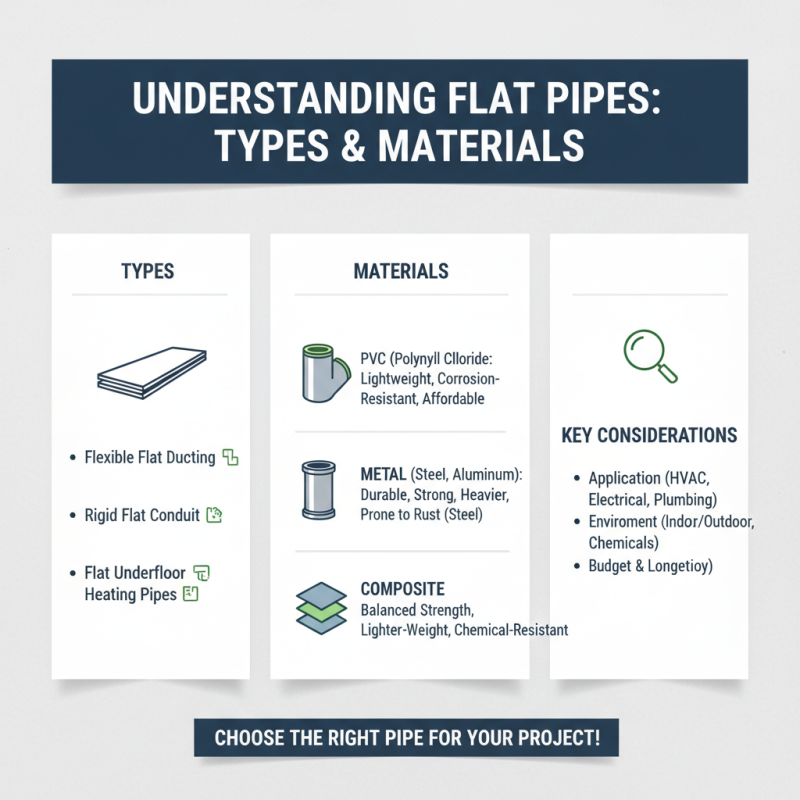
When choosing flat pipes, it's crucial to understand the different types and materials available. Flat pipes can be made from various materials, such as PVC, metal, or composite. Each material has unique properties. For instance, PVC pipes are lightweight and resistant to corrosion. Metal pipes, though durable, can be heavy and prone to rust. Composite materials offer a balanced compromise, combining strength with lighter weight.

Flat Bed Tarps often serve as a protective covering for loads secured with flat pipes. The durability of the tarp material also influences your project’s efficiency. It’s important to assess weather conditions that might affect your choice of materials. Sometimes, a less expensive option may not hold up over time, leading to costly repairs. Testing the flexibility and strength of your flat pipes can also ensure better performance in real-world applications.

Choosing the right flat pipe may take time. Many factors must be considered, like compatibility with existing systems. Users might overlook the importance of proper sealing or support structures. This can lead to leaks or structural failure down the line. Seek guidance from experienced professionals for insights into material suitability and project needs. An informed decision can prevent future issues, so take the time to analyze your options carefully.

Key Considerations for Flat Pipe Selection

Choosing the right flat pipe for your project involves careful consideration of several factors. Material selection is crucial. Common materials include PVC, polypropylene, and metal. Each has unique properties and applications. For example, PVC is lightweight and resistant to corrosion, making it suitable for venting systems.

Another important consideration is the pipe’s size. Accurate measurements are necessary to ensure proper fit and function. A pipe that is too large or too small can lead to inefficiencies. Think about how the flat pipe will interact with other components in your system. This can greatly affect overall performance.

Installation requirements also play a role. Some materials might need specific tools or expertise. Be prepared for any challenges you may encounter during installation. Researching compatibility with existing elements is essential. Don’t overlook how environmental factors, like temperature and exposure, impact your choice. These reflections can guide you to make a more informed decision.

How to Choose the Best Flat Pipe for Your Project? - Key Considerations for Flat Pipe Selection

Material Thickness (mm) Width (mm) Length (m) Weight (kg/m) Application Area
Steel 3 50 6 9.9 Construction, Framework
Aluminum 2 40 5 5.3 Automotive, Aerospace
PVC 4 75 8 7.0 Water Pipes, Drainage
Copper 1.5 30 4 3.8 Electrical, Plumbing
Galvanized Steel 2.5 60 7 8.2 Fencing, Support Structures

Assessing the Project Requirements and Specifications

How to Choose the Best Flat Pipe for Your Project?

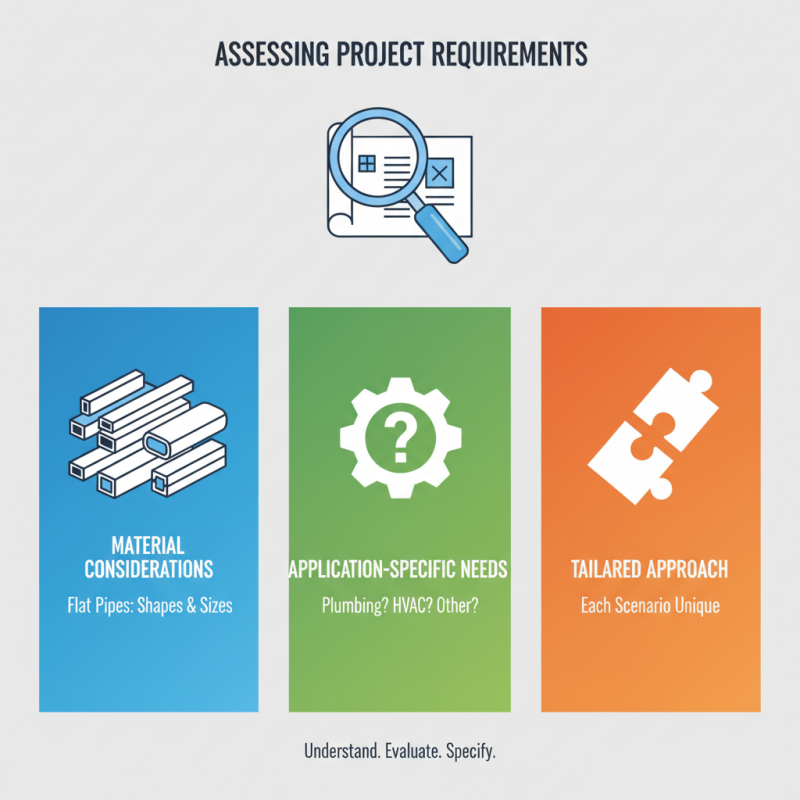
When assessing your project requirements, consider the materials you'll be using. Flat pipes come in different shapes and sizes. Understand the specific needs of your application. Are you working on plumbing, HVAC, or another project? Each scenario demands a tailored approach.

Tips: Always check the compatibility of the flat pipe material with other components. Corrosion resistance matters for longevity.

Next, think about the dimensions of the flat pipe. Width, thickness, and length can significantly affect your project's performance. Evaluate whether standard sizes fit your needs or if custom dimensions are necessary. Take precise measurements before making a decision.

Tips: A slight miscalculation in size can lead to project delays. Always allow some margin for error.

Lastly, consider the installation requirements. Some flat pipes require special fittings or tools. Your project's complexity may dictate the choice of pipe. Choose based on the ease of installation and required expertise. This can save time and money.

Tips: Seek advice from experts if uncertain. Their experience can guide you to make informed choices.

Evaluating Performance Characteristics of Flat Pipes

When evaluating flat pipes for your project, performance characteristics are crucial. The material and design significantly influence the pipe's durability and flow efficiency. Look for options that resist corrosion and extreme temperatures. This can provide longevity and reduce maintenance costs over time.

Another important factor is the pipe's pressure rating. Higher ratings usually indicate a better capability to handle various applications. It's essential to consider the specific demands of your project. Will it involve high flow rates or harsh environmental conditions? Analyze these requirements carefully.

Flexibility is another performance characteristic to assess. A pipe that can adapt to different installation conditions can save time and reduce frustration. However, not all flexible options are created equal. Some may sacrifice durability for ease of installation. It's wise to run tests or seek expert advice to ensure you choose a pipe meeting your project's unique needs. Making informed decisions here is vital for ultimately achieving the best results.

Comparing Cost and Durability of Various Flat Pipes

Choosing the right flat pipe for your project involves careful consideration of cost and durability. Flat pipes come in various materials, each offering unique benefits and weaknesses. For instance, metal pipes are often more durable but can be costly. They resist corrosion well, making them suitable for long-term projects. On the other hand, plastic flat pipes are lightweight and generally cheaper. However, they may lack the same strength and longevity as metal options.

When comparing the cost of flat pipes, it's important to factor in long-term performance. A lower upfront cost doesn't always mean better savings. If a cheaper option fails, the replacement costs could exceed initial savings. Some materials can be prone to damage from environmental factors. Think about the conditions your project will face. Consider the location, exposure to elements, and expected wear.

Durability is often linked to material quality. Higher quality materials will likely perform better but at a higher price point. This sometimes leads to tough decisions. Choosing between budget and longevity can be challenging. Reflecting on past experiences can guide your decision-making. Learning from previous projects helps improve your choices. Even seasoned professionals find this process complex and nuanced.

Installation and Maintenance Tips for Flat Pipes

When it comes to installing flat pipes, proper preparation is key. Begin by examining the required dimensions carefully. Ensure you have adequate space and the right tools. Always check for obstructions that may hinder the installation process. Incorrect measurements or overlooked obstacles can lead to costly mistakes. It's essential to take your time during this initial stage.

After installation, regular maintenance is crucial to ensure longevity. Periodically inspect the joints and connections for leaks or signs of wear. Clean the flat pipes thoroughly. Blockages can occur due to debris accumulation. Addressing these issues promptly maintains the system’s efficiency. Pay attention to any unusual noises or changes in pressure.

While these steps may seem straightforward, challenges can arise. Improper sealing can lead to leaks, which may go unnoticed until damage occurs. It's wise to monitor the system routinely. If any issues present themselves, don’t hesitate to seek professional advice. Balancing DIY efforts with expert consultation often results in the best outcomes. Remember, a proactive approach helps avoid bigger problems down the line.

Common Applications of Flat Pipes in Different Industries

Flat pipes are versatile components widely used across various industries. Their design allows for improved fluid flow and space efficiency. In construction, flat pipes are often utilized for drainage systems, efficiently directing excess water away from foundations. This prevents potential structural damage. In HVAC systems, they serve to transport air more effectively, making environments comfortable and energy-efficient.

In automotive applications, flat pipes can be found in exhaust systems, where they facilitate better airflow. This results in improved engine performance and emissions control. For design engineers, considering the material and dimensions of flat pipes is essential, especially under different pressures and temperatures. Proper selection can make a significant difference in performance.

Tips: Always assess the specific requirements of your project. Seek expert advice when in doubt. Regularly review the installation processes to ensure maximum functionality. Proper maintenance is key. Remember, a small oversight can lead to significant issues later on. Addressing these could mean revisiting your design choices.

Optimizing Agricultural Efficiency: The Role of Black PE Lay Flat Hose (2-8 Inch, 2-4 Bar) in Modern Irrigation Systems

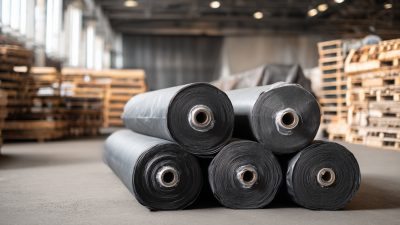
Modern agriculture is increasingly reliant on efficient irrigation systems to optimize water usage and enhance crop yields. One integral component of these systems is the black polyethylene (PE) lay flat hose, which functions effectively in a variety of agricultural settings, including fields, greenhouses, and mountainous areas. Manufactured from polyethylene through a thermal plastic extrusion process, this hose offers remarkable benefits in terms of durability, strength, and cost-effectiveness.

The black PE lay flat hose features strong compression capability, making it ideal for directing and distributing water throughout irrigation systems. Its resistance to corrosion and temperature fluctuations ensures longevity, while anti-aging properties reduce the need for frequent replacements. This versatility allows growers to implement water-efficient solutions, accommodating diverse landscapes from flat plains to hilly terrains. The ease of maintenance further enhances its appeal to farmers and agricultural engineers, allowing them to focus on productivity rather than ongoing infrastructure concerns.

Adopting black PE lay flat hose as a primary water deliverer not only supports sustainable irrigation practices but also plays a significant role in conserving precious water resources. Its effectiveness, combined with features like high strength and low operational costs, makes it an invaluable asset in modern agriculture, ultimately contributing to increased efficiency and productivity in farming operations.

FAQS

: What materials can flat pipes be made from?

: Flat pipes can be made from PVC, metal, or composite materials. Each has distinct properties.

Why is material choice important for flat pipes?

Different materials provide varied durability and weight. Proper selection affects project effectiveness and longevity.

How do weather conditions influence flat pipe choices?

Weather can impact material performance. Choose materials that endure local environmental challenges.

What should I consider about dimensions when choosing flat pipes?

Width, thickness, and length are crucial. Ensure standard sizes meet your needs; consider custom dimensions if necessary.

How can improper installation affect flat pipes?

Poor installation can lead to leaks and structural failure. Always ensure proper sealing and support structures.

What is the significance of corrosion resistance in flat pipes?

Corrosion resistance is vital for pipe longevity. It prevents deterioration over time, reducing repair costs.

Why should I seek expert advice when selecting flat pipes?

Experts can provide insights on material compatibility and suitability. Their experience helps avoid costly mistakes.

How can miscalculations in pipe size impact my project?

Miscalculations can lead to delays. Always allow a margin for error in your measurements.

Is testing flat pipes necessary before use?

Yes, testing for flexibility and strength ensures better performance. It helps anticipate real-world challenges.

What installation considerations should I keep in mind?

Some pipes require specific tools or fittings. Ease of installation should guide your material choice.

Conclusion

When selecting the best flat pipe for your project, it is essential to understand the various types and materials available. Each type of flat pipe has distinctive characteristics that cater to different project needs. Key factors in choosing the right flat pipe include assessing your project requirements and specifications, as well as evaluating the performance characteristics such as flow rates and pressure handling.

Additionally, comparing the cost and durability of various flat pipes will help ensure a wise investment. Proper installation and maintenance tips play a crucial role in the longevity of flat pipes, making it essential to familiarize yourself with best practices. Flat pipes have numerous applications across different industries, providing solutions for plumbing, drainage, and HVAC systems, among others. By considering these aspects, you can make an informed decision and effectively meet the demands of your project.

Sophia

Sophia

Sophia is a dedicated marketing professional with extensive expertise in the tarpaulin industry. With her wealth of knowledge and experience, she plays a pivotal role in promoting her company's diverse range of high-quality tarpaulin products. Currently, she is part of a leading organization that......
Previous Exploring China Best Wholesale Tarp Walls for Your Business Needs?