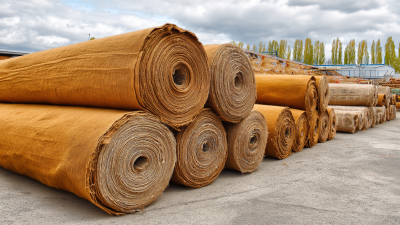
Picking the right Canvas Tarps can really make a difference when it comes to durability and usefulness. I’ve seen plenty of reports pointing out that if you don’t choose carefully, you might end up having to replace your tarp sooner than you'd like — and that can get pretty costly. John Walker, who’s a tarp expert over at Tarp Solutions, always says, “Choosing the right tarp is key if you want it to last and work well.” He really emphasizes that understanding things like the material quality and what you actually need it for are super important.
The market for Canvas Tarps is growing quite a bit — it’s expected to hit around $1 billion by 2025, mostly because people are finding all sorts of uses for them. But honestly, lots of folks overlook some features like UV protection and water resistance, which can lead to their tarp wearing out way too soon. A good quality canvas tarp, if you pick the right one, can handle tough conditions without giving up.
On the flip side, some beginners just look at the price and forget to check out the important features — which isn’t ideal. You gotta think about what you actually need the tarp for. Sometimes spending a little more on a better quality tarp saves you a headache down the line. It’s also helpful to learn from past mistakes; that way, you get better at picking the right tarp for future projects. Basically, understanding what makes a good Canvas Tarp can help you make smarter choices and, in the end, get better results.
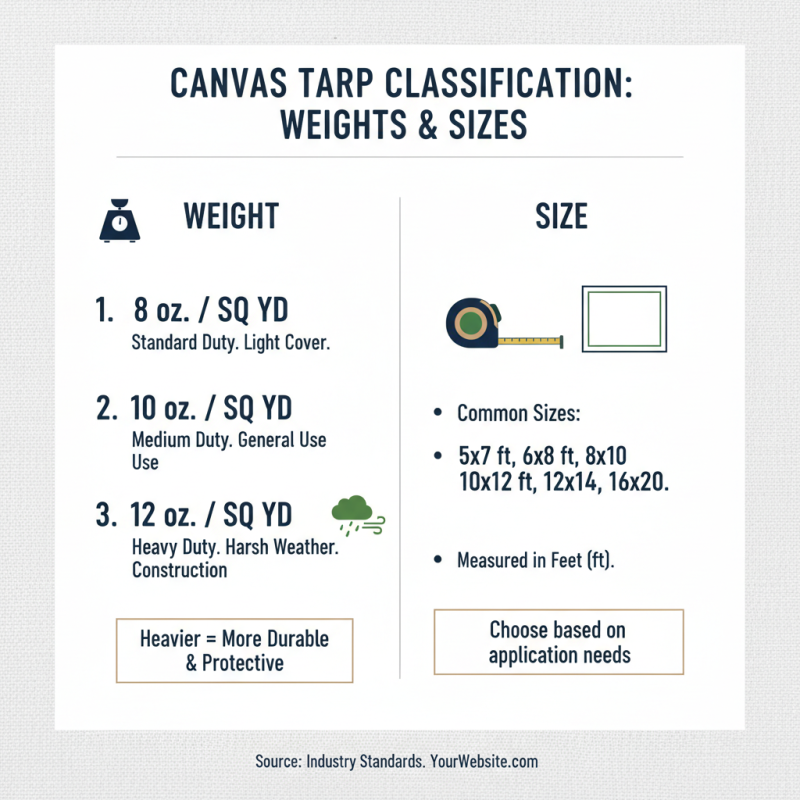
How Canvas Tarps are Classified: Weights and Sizes Explained
When selecting canvas tarps, understanding their classification is crucial. Canvas tarps are typically categorized by their weight and size. Industry standards reveal that weights range from 8 oz. to 12 oz. per square yard. Heavier tarps offer increased durability and better protection against harsh weather. For instance, a 12 oz. tarp can withstand strong winds and heavy rain, making it suitable for construction sites or outdoor applications.
Sizes of canvas tarps also vary widely. Common dimensions include small 5x7 feet options to large 20x30 feet tarps. A larger tarp is often beneficial for covering equipment or providing shelter. However, larger tarps can be bulky and hard to manage. Depending on the task, a smaller tarp might be ideal for quick jobs. Consider your specific needs before making a decision.
Many users overlook the importance of fabric breathability in their choice. Some tarps are completely waterproof, but this can trap moisture underneath. This may lead to mildew or damage to the surfaces below. Understanding both the weight and size helps you choose the right tarp for your specific purpose. Sometimes, an imperfect solution might work better, depending on unexpected usage scenarios.
Assessing Material Quality: Cotton vs. Polyester Canvas Tarps
Choosing the right canvas tarp starts with assessing the material quality. Cotton and polyester are the two primary materials used for tarps. Cotton canvas tarps are known for their breathability and flexibility. They excel in applications like camping or covering furniture. However, they absorb water, which can lead to mold if not dried quickly.
On the other hand, polyester canvas tarps offer greater durability and water resistance. A study shows that polyester tarps can resist UV rays better than cotton counterparts. The color-fastness of polyester also means less fading over time. In environments exposed to harsh weather, polyester tarps often outperform cotton in longevity. This durability can be essential for long-term projects.
While both materials are viable options, the choice ultimately depends on your specific needs. If you’re looking for something lightweight and easily packable, cotton may be more suitable. However, for heavy-duty use, polyester canvas tarps tend to be more reliable. Consumer reports suggest that polyester tarps have a longer lifespan by up to 20%. Understanding these material differences will aid in selecting the best tarps for your intended use.
How to Choose the Best Canvas Tarps for Your Needs? - Assessing Material Quality: Cotton vs. Polyester Canvas Tarps
| Feature |
Cotton Canvas Tarps |
Polyester Canvas Tarps |
| Durability |
Moderate - Can wear over time |
High - Resistant to UV and tearing |
| Water Resistance |
Low - Needs treatment |
Moderate - Naturally water-resistant |
| Weight |
Heavy - More substantial feel |
Light - Easier to handle |
| Breathability |
High - Allows air circulation |
Low - Less airflow |
| Cost |
Moderate - Generally less expensive |
Higher - Premium options available |
| Color Variety |
Limited - Natural tones |
Wide - Various colors available |
Understanding Waterproof Ratings: What to Look For in Tarps
When selecting canvas tarps, understanding waterproof ratings is essential. Not all tarps offer the same protection against water. Ratings often range from 1,000 to 3,000 mm. A higher rating indicates better waterproof capabilities. This means your belongings are safer in heavy rain or snow.
Look for specific features like heat-sealed seams and durable coatings. These elements enhance waterproofing. However, not every canvas truck tarp guarantees a perfect seal. Some may wear out over time, leading to leaks. It's crucial to evaluate the conditions in which you plan to use the tarp.
Consider your needs carefully. Will you use the tarp for outdoor storage, or for vehicle protection? Assessing your environment can lead to better choices. Seek expert opinions on different options. Customer reviews can also provide insight into the product's performance. Even if a tarp seems ideal, real-world tests matter most.
Key Features: Grommets, Stitching, and Reinforcement Options
When selecting the best canvas tarps, focus on key features like grommets, stitching, and reinforcement options. Grommets, small metal rings, enhance durability and versatility. They allow for easy securing and fastening. Ideally, position grommets every two to three feet for optimal support, especially in high-tension applications.
Stitching type plays a crucial role in a tarp’s longevity. Double-stitched seams significantly reduce the risk of tearing. Reports suggest that tarps with reinforced edges last up to 50% longer than those without reinforcement. Oiled Canvas Tarps also offer added water resistance, making them a solid choice for outdoor use. Their unique oil treatment increases resilience against weather elements.
When choosing, assess the load the tarp will bear. Heavier loads require thicker materials and stronger stitching. Remember, not all tarps withstand extreme weather conditions. It's helpful to seek user reviews that discuss these specific features. Always consider the conditions your tarp will face. Choose wisely; the right choice can save you time and money in the long run.
Choosing the Right Tarp for Specific Applications: Landscaping, Camping, etc.
When selecting a tarp for landscaping, consider factors like weight and material. A heavy duty waterproof canvas tarp is essential for weather resistance. In landscaping, tarps protect plants from frost. They can also cover soil during rain. Research shows that proper coverage boosts plant health by up to 30%.
For camping, size and portability matter. Choose a tarp that fits your tent. Heavy Duty Waterproof Canvas Tarps provide reliable shelter. They can shield your campsite from unexpected rain. Studies indicate that campers using durable tarps report better experiences. This is crucial when nature throws a curveball.
Tips: Always measure your space before buying. A tarp that's too small won't provide adequate coverage. Consider the type of terrain when making your choice. A heavy duty waterproof canvas tarp is versatile and can serve multiple purposes, saving you money in the long run.
Comparative Cost Analysis: Budget-Friendly vs. Premium Canvas Tarps
When choosing canvas tarps, price often plays a significant role. Budget-friendly options typically range from $15 to $50. They offer decent durability for light-duty projects. However, their lifespan is generally shorter, often lasting a few seasons. Users might experience issues with tear resistance. This can lead to replacement costs.
Premium canvas tarps, on the other hand, can cost anywhere from $100 to $300. They are crafted with heavy-duty materials. These tarps can withstand harsh weather conditions and heavy wear. According to industry reports, premium options can exceed ten years of use. This makes them suitable for regular and intensive applications, such as construction or long-term outdoor storage.
Price does not always equal quality. Some budget options may perform adequately for specific tasks. Yet, investing in premium tarps can reduce long-term expenses. Consider how often you plan to use the tarp. Durability often outweighs the initial price. A well-informed decision can lead to better value over time.
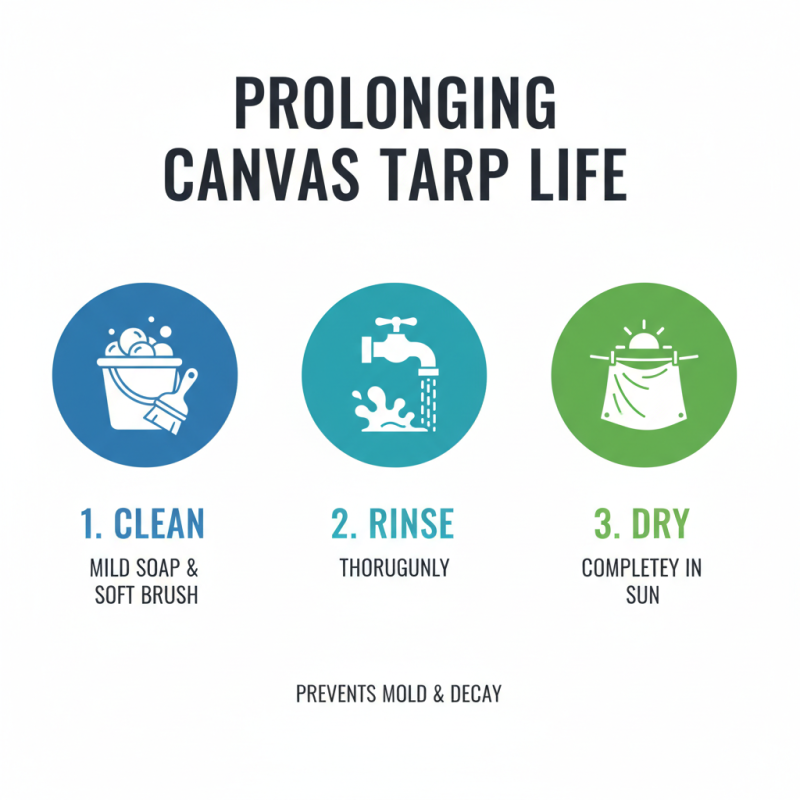
Maintenance Tips for Prolonging the Life of Your Canvas Tarps
Maintaining your canvas tarps is essential for longevity. Regular cleaning can prevent decay. Use a mild soap solution and a soft brush. Rinse thoroughly and dry completely in the sun. This simple practice removes dirt and mold.
Storage is also vital. Fold your tarps neatly and store them in a dry area. Avoid damp spaces where moisture can cause mildew. Heavy-duty tarps can get heavy when damp. Ensure they are dry before storing. A proper storage method can make a significant difference.
Inspect your tarps regularly. Check for tears, frays, or wear. Immediate repairs can prevent further damage. Use canvas patches and outdoor-grade adhesive for minor tears. Don’t ignore small issues; they can escalate quickly. Addressing these problems early prolongs the tarp's life.
Maximizing Load Protection: Insights from Industry Reports on Heavy Duty Truck Tarpaulins and Their Impact on Transportation Efficiency
Heavy-duty truck tarpaulins play a crucial role in maximizing load protection during transportation, particularly in adverse weather conditions. Industry reports indicate that approximately 36% of freight damage is caused by exposure to environmental elements, including rain, wind, and UV rays. This highlights the need for robust tarpaulins that effectively shield cargo from such risks. Heavy-duty tarpaulins are designed to withstand harsh conditions, ensuring that goods remain safe and undamaged throughout their journey.
In addition to weather protection, heavy-duty tarpaulins also offer defense against physical damage. Studies have shown that cargo secured with high-quality tarpaulins experiences 25% less damage compared to unprotected loads. The materials used in these tarpaulins are engineered for durability, which not only protects against punctures or tears but also contributes to transportation efficiency by reducing the frequency of damage-related claims. With various options available, including UV-resistant fabrics and reinforced seams, businesses can tailor their cargo protection strategies to fit their specific needs.
Moreover, efficient load protection provided by heavy-duty tarpaulins directly impacts operational costs. According to recent data, companies that invest in high-quality tarpaulin solutions can decrease their loss claims by up to 40%, leading to significant savings in both insurance premiums and replacement costs. By prioritizing load protection with the right tarpaulin, companies not only enhance their operational efficiency but also improve overall customer satisfaction by ensuring timely delivery of undamaged goods.
FAQS
: Consider weight and material. A heavy-duty waterproof canvas tarp is crucial for weather resistance.
They protect plants from frost and cover soil during rain. Proper coverage boosts plant health by up to 30%.
Size and portability matter. Ensure the tarp fits your tent and provides reliable shelter against rain.
Durable tarps improve camper experiences significantly. They provide shelter from unexpected weather situations.
Regular cleaning with mild soap protects against decay. Rinse and dry them completely in the sun.
Fold them neatly and keep them in a dry area. Avoid damp spaces to prevent mildew growth.
Inspect regularly for tears or wear. Use canvas patches and outdoor-grade adhesive for minor repairs.
Storing damp tarps can lead to weight issues and mildew. Ensure they are dry before storing them.
Yes, small issues can escalate quickly if not addressed. Early repairs can significantly prolong the tarp's life.
Yes, heavy-duty tarps are versatile and save money over time by serving multiple purposes effectively.
Conclusion
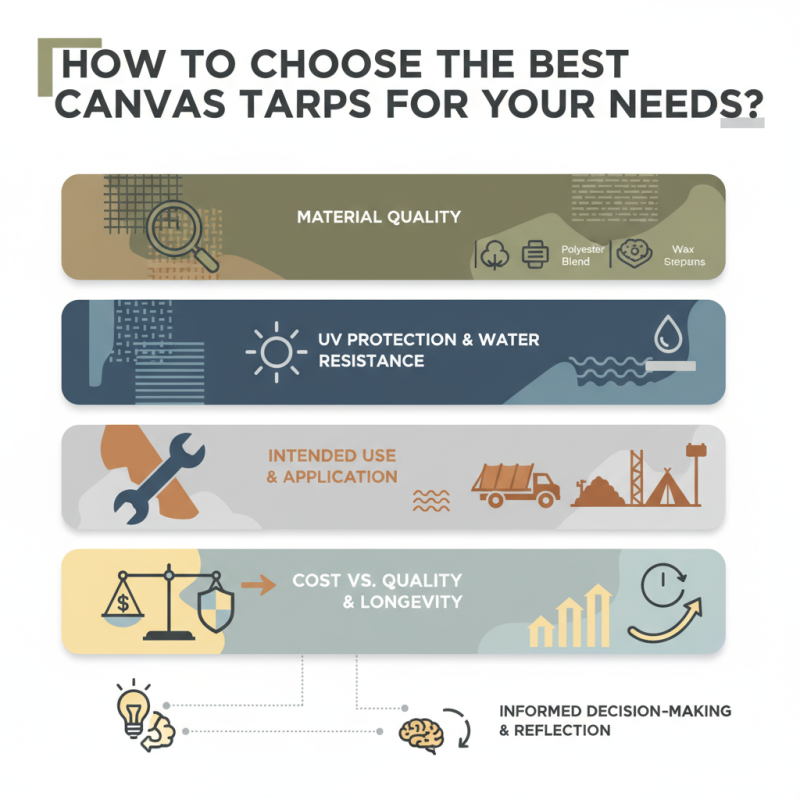
When choosing the best canvas tarps for your needs, it's essential to understand how they are classified by weight and size, which directly impacts their usability for various applications. Assessing material quality is crucial, as both cotton and polyester canvas tarps offer different benefits; cotton provides breathability and durability, while polyester is often more resistant to weather conditions. Additionally, understanding waterproof ratings can help ensure the tarp meets your specific protection requirements.
Key features such as grommets, stitching patterns, and reinforcement options need to be considered to ensure that the tarp lasts longer and performs well under stress. Depending on your intended use—be it landscaping, camping, or other activities—selecting the proper tarp is vital. Furthermore, analyzing the cost range can help you find options that fit your budget, whether you lean towards affordable choices or seek premium products. Lastly, incorporating maintenance tips can significantly prolong the lifespan of your canvas tarps, ensuring they remain a reliable resource for your outdoor needs.


 Wanggou Industrial Park,Lanshan District, Linyi City, Shandong Province, China