Choosing the right Polyurethane Tarp can honestly be a bit overwhelming at first. I mean, there are so many options out there, and it really pays to pick one that suits what you actually need. John Davidson, who’s a pretty well-known expert over at Tarp Solutions, once said, "The right tarp can save you a ton of time and money in the long run." It’s pretty spot-on, right?
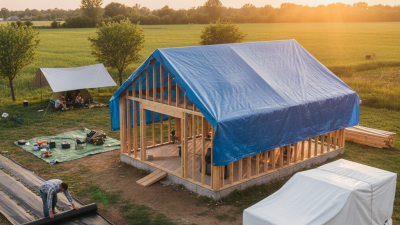
When you’re thinking about a polyurethane tarp, the first thing to consider is where you’re planning to use it. For casual outdoor things, sometimes a lighter tarp will do just fine. But if you’re dealing with construction sites or more heavy-duty stuff, a tougher, more durable one is definitely the way to go.
A lot of folks tend to overlook how important features like UV resistance and waterproofing are. If your tarp can’t handle the rain, it might end up costing you a lot in damages down the line. So, knowing what each option offers is really key. Every feature — from flexibility to weather resistance — adds up when it comes to performance. Honestly, it’s easy to rush into a decision, but taking a moment to think about what you really need will help you pick the perfect polyurethane tarp for your project.

Understanding Polyurethane Tarps and Their Benefits
Polyurethane tarps are highly versatile and durable materials used in various applications.
They offer superior waterproofing and UV resistance, making them ideal for outdoor projects.
According to industry reports, polyurethane tarps can withstand extreme weather conditions,
maintaining their integrity over time. A study indicated that these tarps can last up to
five times longer than traditional polyethylene options, providing
significant long-term savings.
Understanding the benefits of polyurethane tarps is crucial for anyone looking to invest in a suitable covering solution.
These tarps are lightweight yet strong, often weighing 30% less than comparable materials.
Their tear resistance and reinforced edges contribute to their overall durability.
Additionally, the ease of cleaning and maintenance is a notable advantage.
Users report that they prefer polyurethane tarps for construction and agricultural uses.
However, some may find them less ideal in overly harsh environments due to potential brittleness.
Picking the right polyurethane tarp starts with evaluating specific needs. Not every project requires a heavy-duty tarp.
Some lighter tarps may suffice for temporary uses.
Be mindful that not all polyurethane tarps are created equal. Variations in thickness and treatment can affect performance.
As users weigh their options, considering both intended use and environmental factors
is important for making the best choice.
Factors to Consider When Choosing a Polyurethane Tarp
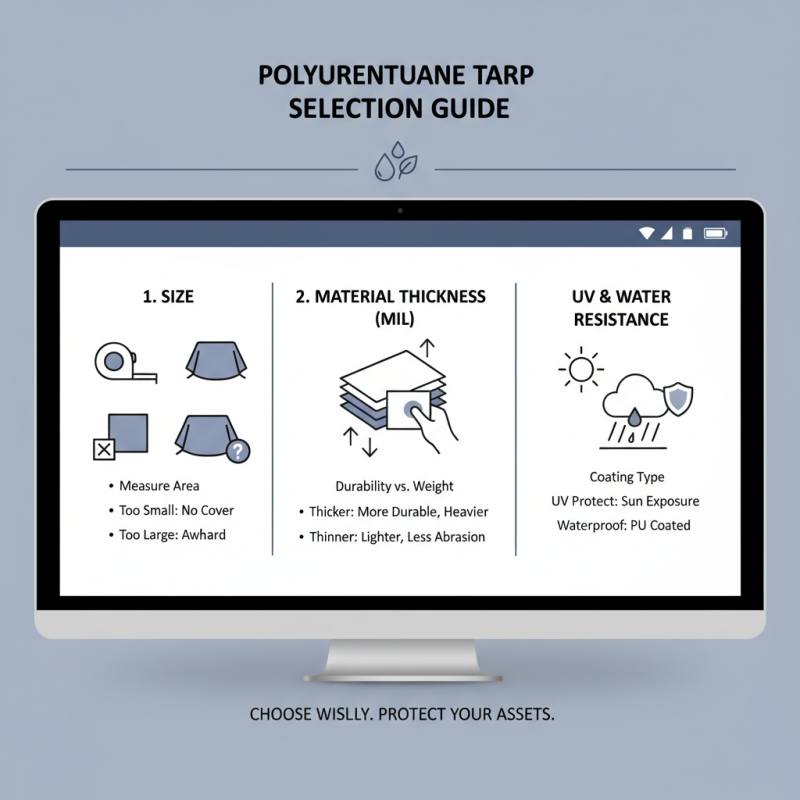
When choosing a polyurethane tarp, several factors play a crucial role in ensuring you select the right one for your needs. Consider the size of the tarp. Measure the area where you will use it. A tarp that is too small won't provide adequate coverage. A tarp that's too large may be cumbersome and difficult to handle.
Durability is another important factor. Polyurethane tarps are known for their strength, but not all materials are equal. Look for thick, reinforced materials that can withstand harsh weather. An ideal tarp will resist tearing and fading over time.
Tip: Check the weight of the tarp. Lighter tarps are easier to handle but may not be as strong. Heavier tarps can be more durable but might be cumbersome for certain tasks.
Also, think about the color of the tarp. Darker colors tend to absorb heat, which may not be ideal for all applications. Clear or lighter colors reflect sunlight better and can be more versatile.
Tip: Don't forget the edges. Reinforced edges can help prevent tearing. Grommets for easy tie-down are also a big plus. Remember, your needs might change, so flexibility is key. This means sometimes preferring a tarp that is not perfect for immediate use, but adaptable for future scenarios.
Types of Polyurethane Tarps: Which One is Right for You?
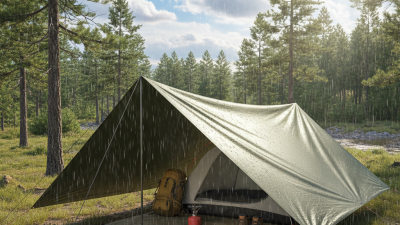
When it comes to choosing the right polyurethane tarp, consider the type that fits your needs. Polyurethane tarps come in several varieties. Some are designed for heavy-duty use, while others are lighter and more portable. If you're looking for something to cover equipment, a thicker tarp may be necessary. However, lighter options might suit temporary shelters or casual outdoor activities.
A 6m Tarp could be perfect for larger projects. It provides ample coverage for construction sites or camping trips. However, not all tarps with the same dimensions will perform the same. Some may have better UV resistance or waterproofing. Evaluating these factors is crucial before making a decision. While price is essential, quality should not be compromised. Remember, a tarp that tears easily can lead to more costs in the long run.
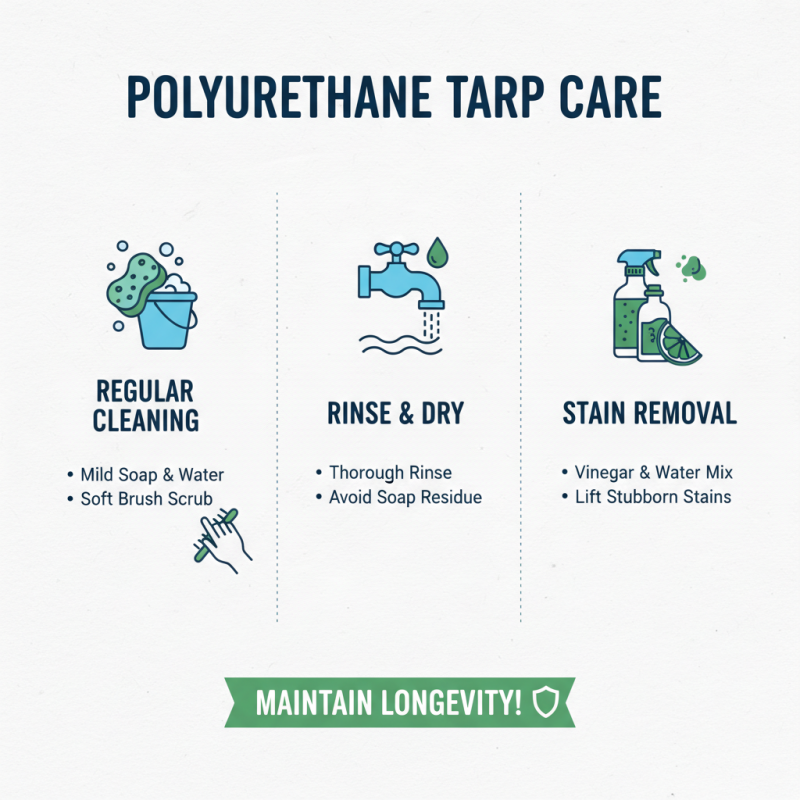
Think about where you plan to use the tarp. An outdoor event may require more waterproofing than storage use. Assessing these needs leads to better results. Many people overlook the importance of storage as well. A tarp needs proper care to extend its lifespan. Be mindful of how you fold and store it after use. Taking these steps can help ensure that you don't end up with a tarp that needs replacing too soon.
Assessing Tarp Sizes and Dimensions for Your Specific Needs
Choosing the right size for your polyurethane tarp is crucial. Consider the dimensions of the area you're covering. Measure carefully. For instance, if you're using a tarp for camping, make sure it can cover your tent comfortably. A 20 Tarp might be ideal for smaller setups.
Different scenarios require different sizes. A large project may need a bigger tarp, while a small shelter might do well with a compact option. But not everyone measures precisely. That can lead to buying a tarp that is too small or excessively large. This can result in lost time and materials.
Also, think about the environment. Windy locations might need heavier tarps to resist the elements. A rigid setup is often necessary. Visualize how each size will function in real conditions. A tarp that’s too small can leave valuable items exposed. Reflect on your needs and the space available. Proper sizing will make all the difference.
Evaluating Durability and Weather Resistance Features
When selecting a polyurethane tarp, focus on durability and weather resistance. Look for materials that can withstand harsh conditions. The thickness of the tarp plays a key role in its strength. Thicker materials are generally more resistant to tears and punctures.
Tips: Check the tarp’s tensile strength, measured in pounds per square inch. This metric indicates how much force the tarp can handle before breaking. Consider UV resistance as well. A tarp that can block harmful sun rays will last longer outdoors.
Evaluate the tarp's seams and edges. Reinforced seams provide extra strength against tension. Double-stitched seams often mean better durability. Be cautious with lower-quality products. They may not perform as expected during storms or heavy winds. Real-world reviews can offer valuable insights.
Tips: Consider using a tarp that has grommets. They provide secure tie-down points, which are essential for windy conditions. Finally, don’t overlook weight. A heavier tarp is often more durable, but it might be cumbersome. Choose wisely based on your specific needs.
Cost Analysis: Budgeting for Your Polyurethane Tarp Purchase
When budgeting for your polyurethane tarp purchase, consider various factors. The price can vary widely based on size, thickness, and features. A basic tarp may cost less, but it might not withstand heavy rain. Aim for durability. For instance, a
Tarp 4x6 could be a good choice for smaller projects. It's important to weigh your options carefully.
Analyze your needs. Do you require a heavy-duty tarp? If yes, the cost will be higher. Comparing prices can help avoid overspending. However, be cautious of too-cheap options. They may lead to more expenses later on. Investing a bit more now could save you from replacement costs down the road.
Think about additional features as well. Grommets, UV resistance, and color can influence the price. Sometimes, a lower price comes at the cost of quality or longevity. Evaluate what you truly need. It's easy to be swayed by flashy ads but remember, functionality is key.
Conclusion
Choosing the right Polyurethane Tarp can significantly enhance your outdoor protection needs. Understanding the benefits of these tarps, such as their durability and weather resistance, is essential. When selecting a Polyurethane Tarp, consider key factors like size, dimensions, and the specific environmental conditions it will face. Different types of poly tarps serve various purposes, so identifying which one aligns with your requirements is crucial.
Additionally, evaluating the cost and conducting a budget analysis will help ensure a worthwhile investment. Proper maintenance and care are vital for the longevity of your Polyurethane Tarp, allowing you to maximize its lifespan and utility. By carefully assessing these aspects, you can make an informed decision and select a tarp that perfectly fits your needs.


 Wanggou Industrial Park,Lanshan District, Linyi City, Shandong Province, China