Picking the right weed control mat can really make a difference in how your garden turns out. Honestly, many of us struggle with weeds that drain nutrients and mess up our plants. That’s where a good quality weed control mat comes in — it acts as a little barrier, helping to keep those weeds down while still letting water and air get to your plants. Pretty handy, right?
When you're choosing one, think about size and what it’s made of. Some mats are biodegradable, meaning they break down over time — which is great for the environment, but they might not last as long. On the flip side, some are super tough and last longer, but they can be a bit pricier. Finding that sweet spot between durability and eco-friendliness can be a bit of a challenge.
Experience has shown me that not all mats are created equal, and honestly, it can be a bit frustrating. Sometimes you buy something, and it doesn’t hold up like you'd hoped. So, testing a few options is really the way to go. Your garden’s specific needs matter — think about what plants you’re growing and what kinds of weeds are troublemakers for you. When you find the right match, it can really set your garden up for success and help it thrive.
Understanding the Importance of Weed Control Mats in Gardening
Weed control mats are vital for a thriving garden. They block sunlight, preventing weeds from sprouting. Without them, weeds compete for nutrients and water, harming your plants. In turn, this can lead to smaller, less healthy flowers or vegetables. A good mat can simplify your gardening tasks.
Choosing the right mat isn’t always straightforward. Some mats may not hold up well against weather changes. Others might not be permeable enough, restricting water flow. It’s important to consider the material. Heavy-duty fabrics often perform better but may be pricier. A cost-effective option might tear easily.
One often overlooked aspect is the installation process. If not laid down properly, the mats can bunch up or shift. This defeats the purpose of weed control. It's crucial to assess your garden's layout before installation. Evaluate areas most prone to weeds. It’s all about balance. Proper research and considerations will lead to a more effective gardening environment.
Types of Weed Control Mats Available on the Market
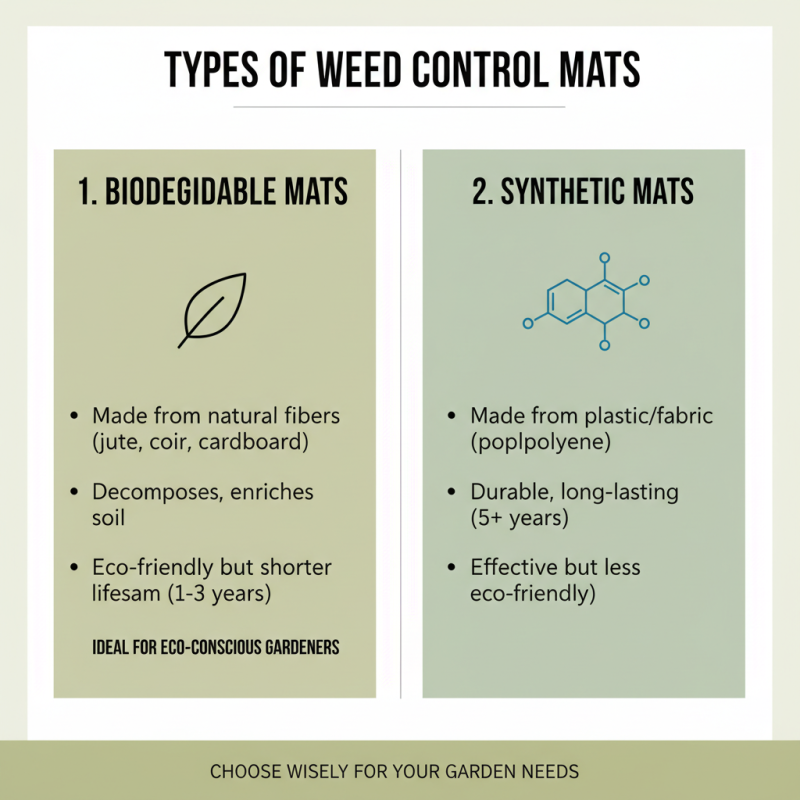
When choosing a weed control mat, it's essential to understand the types available. There are various options, each with unique features. Some mats are made of biodegradable materials. They break down over time, enriching the soil but may require frequent replacement. These mats suit eco-conscious gardeners.
Others are synthetic and offer durability. They resist tearing and can last several seasons. However, they may trap excess moisture, possibly leading to mold growth. Consider whether your garden's climate could affect mat performance. A well-ventilated area can help, but that’s not always achievable.
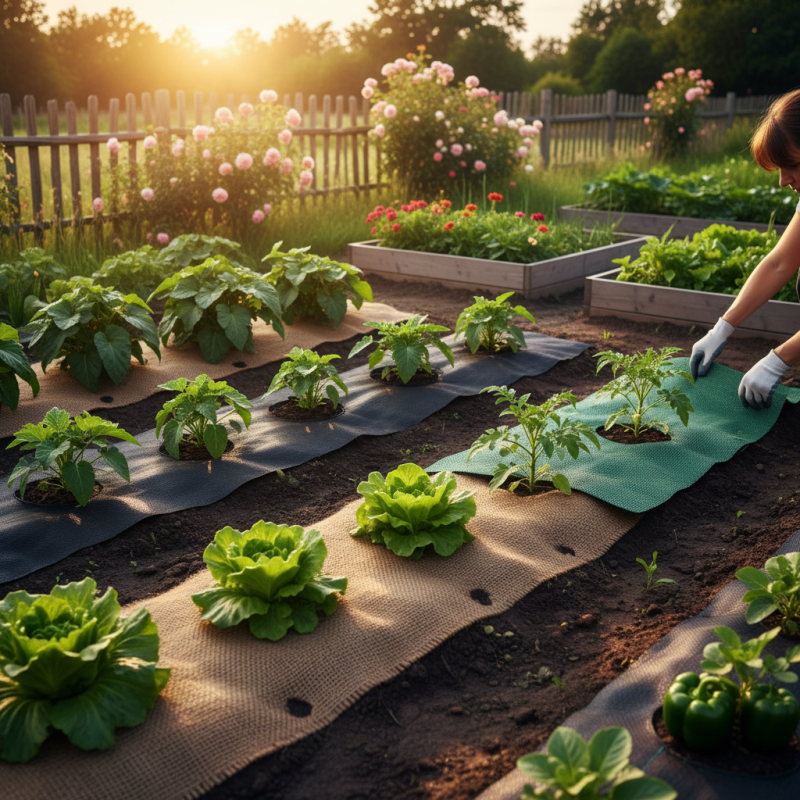
Some mats are designed with specific crops in mind. Many feature holes for plants, allowing growth while blocking weeds. Still, improper installation can lead to issues. If holes are misaligned, weeds might sprout freely. Pay close attention to your garden's setup. Assessing these different types will enable better weed management.
Key Features to Consider When Selecting a Weed Control Mat
When selecting a weed control mat for your garden, consider key features that ensure efficiency and durability. Look for mats made from high-quality materials that resist degradation under sunlight and moisture. According to recent studies, UV-resistant and breathable fabrics last over four years longer than cheaper alternatives. This durability is crucial for maintaining a healthy garden environment.
Tip: Check the weight of the mat. Heavier mats provide better stability and prevent movement during heavy winds or rain. Lightweight options may shift, exposing soil and allowing weeds to sprout.
Additionally, assess the permeability of the mat. Effective weed mats allow water and nutrients to penetrate while keeping weeds at bay. Some mats can withstand up to 70% moisture transmission, which is essential for plant growth. Avoid mats that trap water, as stagnant moisture can lead to root diseases.
Tip: Opt for mats with a minimum thickness of 3mm. Thicker mats typically offer better weed suppression and longer lifespan. However, be cautious; overly thick mats can hinder water flow, causing issues over time.
Environmental Impact of Different Weed Control Mats
When it comes to choosing weed control mats, the environmental impact is crucial. Different materials have varying effects on soil health and local ecosystems. For example,
plastic mats may hinder water infiltration and reduce soil aeration. A study by the
American Society of Horticultural Science indicates that organic materials like
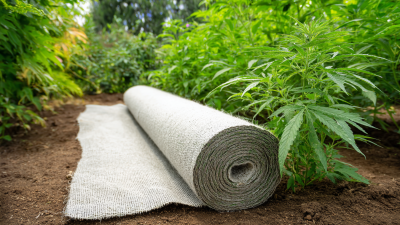
burlap or jute mats allow better air and water exchange, promoting healthier soil microbiomes.
Tips: Opt for biodegradable options when possible. They break down over time and enrich the soil, unlike synthetic ones. Monitor your garden's drainage, as excessive moisture can lead to unwanted fungal growth.
While weed control mats can help manage unwanted growth, it's important to consider their longevity and disposal. Synthetic mats often last longer but may contribute to long-term pollution. According to a report from the
Environmental Protection Agency, plastic waste poses significant environmental risks.
Weighing these factors—effectiveness, longevity, and impact—is essential for responsible gardening.
Tips: Regularly assess your garden's health. Remove mats that aren't breaking down as intended. This way, you can ensure you're supporting a vibrant ecosystem instead of harming it.
How to Properly Install a Weed Control Mat in Your Garden
Installing a weed control mat in your garden can be a simple yet crucial task. Start by choosing a location where you want to control weeds effectively. Clear the area of debris and existing weeds. The soil should be even and flat for the best results. This step is often overlooked. Uneven soil can result in water pooling, which may lead to other problems later.
Once the area is prepared, roll out your weed control mat. Make sure it covers the entire area evenly. Cut it to fit around plants or garden features. Leave gaps for drainage. These details matter. Over time, you might notice that some areas need adjustment. Check for any exposed soil that might allow weeds to thrive.
Secure the mat with landscape pins. This prevents shifting due to wind or rain. You might find it helpful to add a layer of mulch on top for added weight. However, too much mulch can lead to issues with moisture retention. Keep an eye on your garden after installation. Regular checks can help you catch any emerging weeds before they spread.
How to Choose the Best Weed Control Mat for Your Garden?
This bar chart illustrates key features to consider when choosing the best weed control mat for your garden, including material type, durability, water permeability, and UV resistance.
Maintenance Tips for Extending the Life of Your Weed Control Mat
Maintaining your weed control mat is crucial for maximizing its lifespan. Regular checks can help identify any wear or damage before it becomes a major issue. Research shows that proper care can extend the life of these mats by up to 30%. This means more time protecting your garden from unwanted plants.
One effective maintenance tip is to clean the surface regularly. Dirt and debris can accumulate, reducing the mat’s effectiveness. A simple rinse with water often suffices. Additionally, you may want to trim any edges that are fraying. Sharp scissors work well for this. Some studies suggest that mats can last as long as five years, but proper maintenance can delay replacement.
Another point to consider is the environment in which the mat is used. Mats exposed to extreme temperatures might degrade faster. It’s important to monitor conditions and adjust usage accordingly. A mat may become brittle in excessive heat or wear out in icy climates. Recognizing these factors can prevent premature replacement and save you money.
Comparing Costs and Benefits of Various Weed Control Mat Options
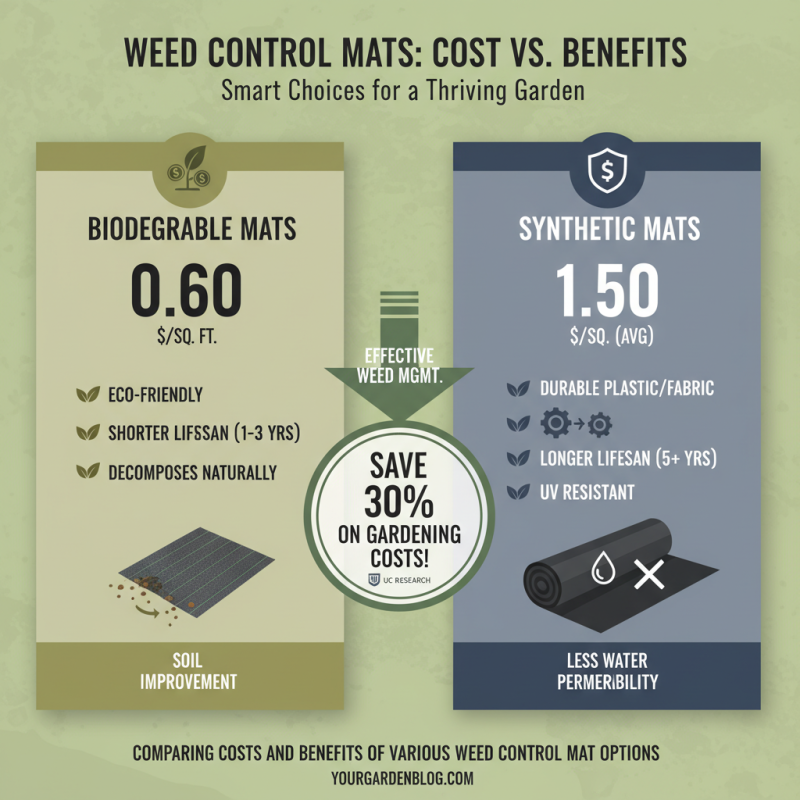
When selecting a weed control mat, understanding cost versus benefits is crucial. A research report from the University of California indicates that effective weed management can reduce gardening costs by 30 percent. Various mulch options vary in price, ranging from biodegradable materials to synthetic options. Biodegradable mats often cost around $0.60 per square foot. They provide eco-friendly solutions but usually have a shorter lifespan.
On the other hand, synthetic mats can be significantly pricier, averaging about $1.50 per square foot. Yet, they last longer, up to five years, compared to just one for their biodegradable counterparts. This longevity can ultimately save money and effort in garden maintenance. However, some users express concerns about sustainability and long-term soil health. The choice between longevity and ecological impact often leads to debates within gardening communities.
Moreover, installation can affect overall costs. Professional installation can add up to 50% more to the total expense. This isn’t always necessary, but it requires skill. DIY installations can lead to uneven laying, which might not provide the desired weed suppression. Balancing upfront costs with long-term benefits and environmental impact is essential for every gardener.
Maximizing Garden Health: The Benefits of Using Heavy-Duty Green Landscape Fabric for Weed Control
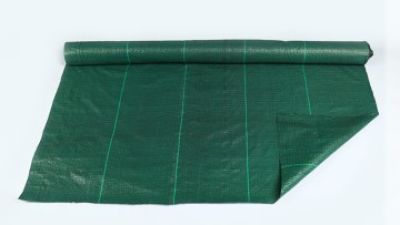
Using heavy-duty green landscape fabric can significantly enhance the health of your garden by effectively controlling weed growth. This specially designed fabric acts as a barrier that prevents weeds from taking root while still allowing water and nutrients to permeate the soil. With its durable construction and UV resistance, this landscape fabric is particularly well-suited for areas around shrubs and trees, where it can provide long-lasting protection and support healthier plant growth.
One of the greatest advantages of using high-quality landscape fabric is that it eliminates the need for harmful chemical weed killers, making it an eco-friendly option for maintaining your garden. Unlike traditional mulch, which can decompose and require frequent replacement, this fabric remains intact for extended periods. It’s essential to consider the areas in your garden where weed control is most critical, as this fabric works best in stable environments that don't require frequent soil disturbance, such as ornamental beds and under established trees.
Choosing the right width of landscape fabric is crucial for effective coverage, with options typically ranging from three to six feet. By laying down this robust barrier in your garden, you not only reduce the labor involved in weeding but also promote a healthier growing environment for your plants. As a long-term investment in your garden's aesthetics and health, heavy-duty landscape fabric is a practical and environmentally-conscious choice for any gardener looking to maximize the well-being of their green space.
FAQS
: Weed control mats block sunlight, which prevents weeds from sprouting and competing with plants.
They help maintain a healthy garden by preventing weeds from harming your plants.
Mats can be biodegradable or synthetic. Biodegradable mats enrich the soil but need frequent replacement.
Consider weather durability, permeability, and your garden's specific needs. Research is essential.
If not laid down correctly, mats can bunch up, leading to ineffective weed suppression.
Biodegradable mats cost about $0.60 per square foot, while synthetic mats average $1.50 per square foot.
Yes, professional installation raises costs significantly. DIY installations might lead to uneven laying.
Biodegradable mats last about one year, while synthetic mats can last up to five years.
Users often worry about sustainability and their impact on long-term soil health.
Evaluate areas that are prone to weeds before installing mats. A careful assessment is crucial.
Conclusion
Weed control mats are essential tools in gardening, designed to suppress unwanted plant growth while promoting a healthy garden environment. Different types of weed control mats are available on the market, each offering unique benefits and features that cater to various gardening needs. When selecting a weed control mat, it’s important to consider factors such as material, thickness, permeability, and durability, as these elements can significantly impact the effectiveness and longevity of the mat.
Additionally, understanding the environmental implications of these materials is crucial. Proper installation techniques can enhance performance, while regular maintenance can extend the life of your weed control mat. Finally, weighing the costs and benefits of various options helps gardeners make informed decisions, ensuring that they choose the best weed control mat for their specific gardening requirements.


 Wanggou Industrial Park,Lanshan District, Linyi City, Shandong Province, China