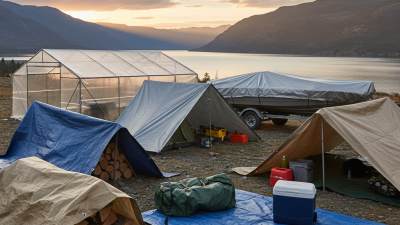
Picking the right tarpaulin tent can really make a difference in how your outdoor adventures go. I remember Fred Thompson from Outdoor Innovations once said, "Not all tarpaulin tents are built the same; each one has its own purpose." That really stuck with me because, honestly, understanding what you need before you buy is super important.
When you're choosing a tarpaulin tent, think about where you'll be using it. Will it be pouring rain, blazing sun, or whipping wind? Each of those things can influence what kind of tent you should go for. Material quality is key—go for something sturdy and weather-resistant so it lasts longer. Oh, and don’t forget about weight! A lighter tent can be a lifesaver if you’re into backpacking; it's easier to carry and set up.
Size is another thing to keep in mind. Sometimes a tent looks spacious, but once you're inside, it feels cramped. Try to picture how you’ll actually use it. Also, think back to your past experiences with tents—were they comfortable enough? Don’t rush your decision. Taking your time to weigh your options will pay off in the end. Honestly, investing in a good quality tarpaulin tent can seriously level up your outdoor adventures.

Understanding Tarpaulin Tents: Key Features to Consider
When selecting a tarpaulin tent, it’s essential to consider key features that align with your needs. Durability is crucial. Look for materials that can withstand harsh weather conditions. A thicker tarp often translates to a longer lifespan. Waterproofing is another vital aspect. Ensuring water resistance will keep your space dry during rain. However, not all tarps are created equal. Some may offer basic protection, while others provide advanced weatherproofing.
The sizing of the tent is important too. You need to assess the space required for your activities. Consider how many people will use it. A small tarp may work for one or two, but larger groups need more space. The setup process should also be straightforward. Complicated structures can lead to frustration and wasted time. Adjustable features enhance functionality, allowing custom configurations.
Also, think about portability. Lightweight options are easy to carry. Yet, they may sacrifice some durability. Finding the right balance between weight and strength is key. Finally, reflect on your needs. Will you use the tent for camping, events, or as a temporary shelter? Understanding your purpose will guide you toward the most suitable “Tent And Tarp” option.
Identifying Your Specific Needs for a Tarpaulin Tent
When choosing a tarpaulin tent, identifying your specific needs is crucial. Start by considering the environment you’ll be in. Will it be rugged terrain or a smooth surface? Different grounds require different tent designs. If you're camping in wet areas, you might need a tarp with better water resistance. For windy locations, stronger materials will offer more stability.
Think about the size you need. A larger tent offers more space but may be cumbersome to set up. Conversely, a smaller tent may not accommodate your group comfortably. Weight is another factor. If you plan to hike, a lightweight option is essential. Reflect on how you'll use the tent. Is it for occasional trips or frequent outings? Frequent users may want to invest more in quality.
Another element to consider is ease of setup. Some tents come with complex instructions. A simpler design saves time, especially after a long day. You may also want to assess the durability of the materials used. A tent that looks great but frays easily might lead you to reconsider. Understanding these specifics allows for better decision-making when choosing your tarpaulin tent.
Comparing Different Tarpaulin Materials and Their Benefits
Choosing the right tarpaulin tent begins with understanding the materials used. Common options include polyethylene, canvas, and vinyl. Each offers unique benefits suited to various environments. According to industry studies, 55% of outdoor enthusiasts prefer polyethylene for its waterproof features. This material is lightweight and often used in temporary shelters.
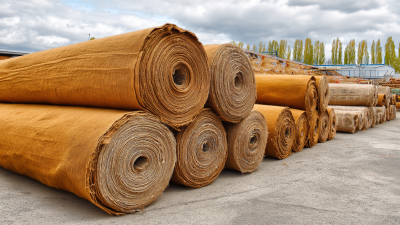
Canvas is another popular choice. It is breathable, which helps reduce condensation inside the tent. However, it requires more maintenance. Reports indicate that nearly 40% of campers face challenges with mold when not properly cared for. Vinyl is durable and offers excellent weather resistance. Yet, it comes with a higher price tag, making it less accessible to some.
Each material has trade-offs that need consideration. If you prioritize a quick setup, polyethylene suits you best. For longer outdoor stays, canvas may be more comfortable. Yet, the upkeep of canvas can sometimes feel overwhelming, demanding regular cleaning. Assessing how often you'll use the tent helps in making a wiser decision, as one material might not fit all situations perfectly. Remember, the best choice aligns with your specific needs and usage habits.
Evaluating Size and Design Options for Your Tent
When selecting a tarpaulin tent, size and design should be your top priorities. Start by assessing your space needs.
Consider how many people you plan to accommodate. A spacious tent provides comfort, but a smaller one may suffice for personal use.
Remember the height as well. A taller tent can create a more open atmosphere, while a lower profile tent offers better wind resistance.
Next, explore design options that fit your specific activities. Do you need a tent with multiple entrances? That could enhance accessibility.
Look at features like ventilation and window placement, crucial for airflow. A Tent Tarp Cover can add versatility, allowing for different setups.
Think about color too; lighter colors reflect sunlight while darker colors can absorb it, affecting the internal temperature.
While weighing these factors, reflect on your past camping experiences. What worked? What didn’t?
Adjust your choices based on those lessons. Don't rush the decision-making process.
Taking the time to understand your requirements now can save you from purchasing a tent that doesn’t meet your expectations later.
Exploring Price Ranges and Brands for Best Value
When choosing a Tarp Tent Canopy, consider various price ranges based on your needs. Budget options are available, providing good basic protection. More expensive models often offer enhanced durability and weather resistance. Weigh the features against your budget to find the best balance.
It’s crucial to understand what you require from a tarp tent canopy. Are you camping in heavy rain or just seeking shade? Different brands offer unique advantages. Some may excel in materials, while others focus on ease of setup. Reliability matters, especially during adverse weather conditions.
Don't forget to read user reviews. Experienced users share insights that can guide your decision. They highlight pros and cons that marketing might overlook. Pay attention to feedback about size, weight, and setup time. Finding the right tarp tent canopy is about more than price; it's about meeting your specific needs effectively. Remember to reflect on your experiences, and adjust your choices accordingly.
Maintenance and Care Tips for Longevity of Your Tent
Maintaining your tarpaulin tent is essential for its longevity. Regular cleaning can prevent mildew and mold buildup. Use mild soap and water to wash the surface. Rinse thoroughly and let it dry completely before storage.
Tips: Avoid harsh detergents. They can damage the fabric. Store the tent in a cool, dry place. This helps preserve its integrity.
Inspect your tent regularly for damage. Look for tears, seams, and any signs of wear. Repair minor damages immediately to prevent bigger issues. A simple patch can extend the life of your tent significantly.
Tips: Keep the tent away from sharp objects. Always set it up on flat ground. This reduces the chance of unintended punctures and tears.
Using the right method to assemble and disassemble the tent is crucial. Follow the instructions carefully to avoid unnecessary wear. Being mindful during setup makes a big difference in durability.
User Reviews and Recommendations: Making an Informed Choice
When choosing a tarpaulin tent, user reviews can provide valuable insights. Many people share their experiences online. These reviews often highlight durability, ease of setup, and weather resistance. A common theme is the quality of materials used. Users frequently discuss the effectiveness of the canvas material in various weather conditions.
Some reviewers emphasize the importance of size. A larger tent can accommodate more people but may be challenging to transport. Pay attention to comments about weight and portability. While many praised their tents, some expressed disappointment with leaks during heavy rain. This is a crucial factor to consider.
In summary, user feedback reveals essential information about Canvas Tarp Tents. You may find specific recommendations that resonate with your needs. Reflect on the variety of experiences shared. Such reflections can guide you toward a well-informed decision. Explore forums and social media for diverse opinions. They can enhance your understanding and lead you to the best choice.
Comprehensive Guide to Choosing and Using Eco-Friendly Waterproof Tarpaulins for Various Applications
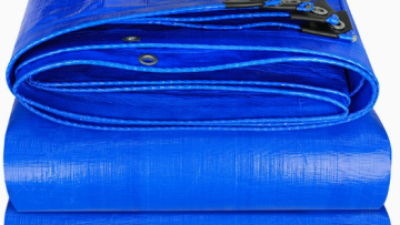
When it comes to protecting your outdoor belongings against the elements, choosing the right waterproof tarpaulin is crucial. A premium heavy-duty striped tarpaulin made from high-density polyethylene material is an excellent option due to its impressive durability and waterproof capabilities. Not only does this tarpaulin provide effective UV protection and tear resistance, but its reinforced rope-edged binding and strategically placed metal grommets offer unparalleled strength. These features enable it to hold up against even the harshest weather conditions, ensuring that whatever you cover remains safe and dry.
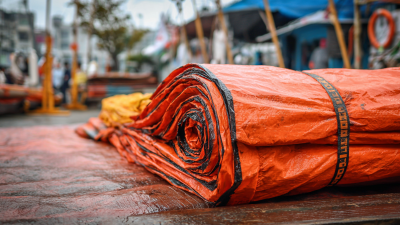
Versatility is another significant advantage of this eco-friendly tarpaulin. Whether you're looking to shield garden furniture, protect trucks, secure cargo, or create shelters for livestock, this tarpaulin meets a variety of outdoor needs with ease. Its practicality makes it an indispensable tool for anyone who regularly engages in outdoor projects, allowing you to confidently cover building materials or protect your outdoor assets. With such a reliable solution at hand, you can focus on your activities rather than worrying about the unpredictable nature of the weather.
FAQS
: Common materials include polyethylene, canvas, and vinyl. Each offers distinct benefits for various environments.
Polyethylene is lightweight and waterproof, making it ideal for temporary shelters. About 55% of campers favor it.
Canvas tents are breathable, reducing condensation. However, they require more maintenance and can develop mold if not cared for.
Vinyl is durable and weather-resistant but tends to be more expensive. It offers excellent protection in harsh conditions.
Consider how many people need to fit inside. A spacious tent provides comfort, while a smaller one may be sufficient for personal use.
Features like multiple entrances and good ventilation improve accessibility and airflow. Reflect on your past camping needs for insight.
Lighter colors reflect sunlight and keep it cooler inside, while darker colors absorb heat. Choose based on your climate and comfort preferences.
Balance price with features. Budget options provide basic protection, while pricier tents often offer better durability and performance.
User reviews reveal practical insights about size, weight, and setup. They help you make informed decisions beyond marketing claims.
Reflect on what worked well and what didn’t during previous camping trips. Use those lessons to guide your current selections.
Conclusion
Choosing the right Tarpaulin Tent involves several key considerations to ensure it meets your specific needs. First, it's essential to understand the key features of tarpaulin tents, such as the material's durability, waterproof capabilities, and UV resistance. Identifying your unique requirements, whether for camping, festivals, or emergency shelter, can guide you in selecting the most suitable option.
Moreover, comparing different tarpaulin materials, each offering various benefits, is crucial. Size and design options also play a significant role in functionality and portability. Exploring price ranges will help you find value for your budget without compromising quality. Lastly, proper maintenance and care are vital for the longevity of your Tarpaulin Tent, alongside checking user reviews and recommendations to make an informed decision. By weighing these factors, you can confidently choose a tarpaulin tent that best suits your activities.


 Wanggou Industrial Park,Lanshan District, Linyi City, Shandong Province, China