Picking the right Plastic Tarpaulin for your specific needs can really feel overwhelming. I mean, the market’s pretty packed with options, all claiming to be the best. According to a report from MarketsandMarkets, the global market for plastic tarps is expected to hit around $1.5 billion by 2025 — mainly because of the surge in construction and farming activities. So, it’s clear that people are definitely relying more on high-quality tarps these days.
James Carter, a well-known expert in the PVC world, once mentioned, “Getting the right Plastic Tarpaulin is key to protecting your investments.” That really hits home, right? It’s not just about grabbing the cheapest option; you’ve got to think about the material quality and how it’s designed. Things like how thick it is, whether it can handle UV rays, and if it’s genuinely waterproof — these are all super important.
A lot of folks tend to overlook these details, and that’s where problems pop up. Imagine buying a tarp that looks good but can’t stand up to the sun — it won’t take long before it tears apart, leading to wasted money and serious annoyance. So, understanding the specs before making a decision is a smart move. As the industry keeps evolving with new trends and tech, staying in the know really helps you make smarter choices when shopping for a tarp.
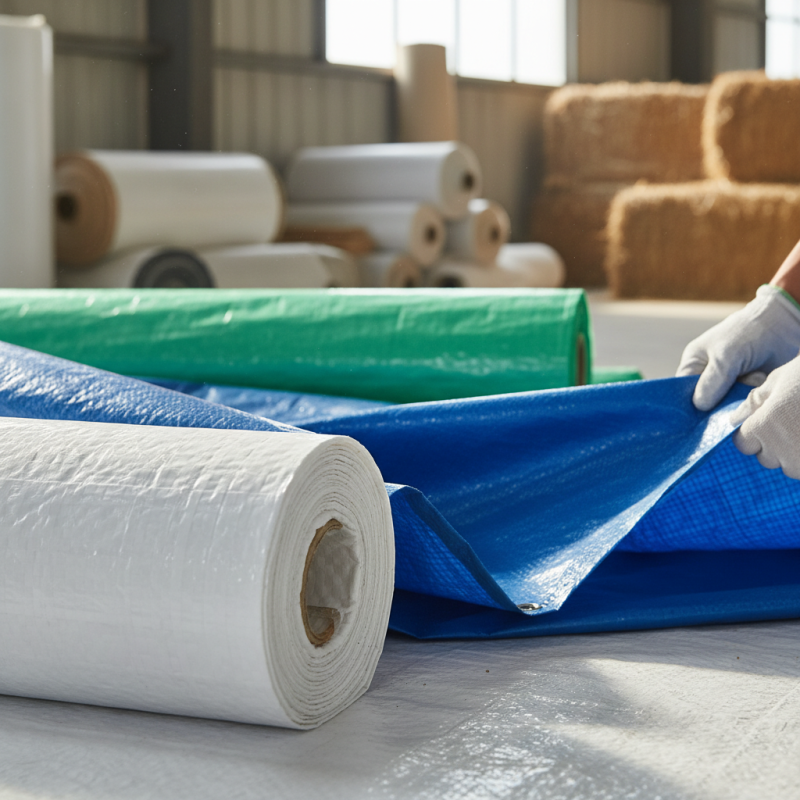
Understanding the Different Types of Plastic Tarpaulins Available
When selecting a plastic tarpaulin, understanding the different types available is crucial. Each type has unique properties that cater to various needs. One common option is the polyethylene tarp. This material is lightweight and highly versatile. It offers decent waterproofing and protects against UV rays. Many users find them suitable for camping and outdoor events.
Another popular choice is the Plastic-Coated Tarpaulin. This option combines durability with resistance to tearing and punctures. It works well for heavy-duty applications. Contractors often prefer these for covering equipment or supplies. The robust nature of plastic-coated tarpaulins makes them reliable and long-lasting.
However, users should be mindful of how they choose these products. Overlooking size and weight specifications can lead to dissatisfaction. Observing potential uses and environments is essential. A tarp that works well in one scenario may not perform as expected in another. Taking time to assess your specific requirements will yield better results.
Key Factors to Consider When Selecting a Tarpaulin Material
Choosing the right tarpaulin is crucial for various applications. When evaluating materials, consider the following key factors. Thickness is one of the most important aspects. Thicker tarpaulins often offer better durability. Research indicates that 10 mil thickness is ideal for general outdoor use, while thicker options excel in heavy-duty settings.
Waterproof Plastic Tarpaulin is essential for protecting items from moisture. To ensure effective water resistance, look for products made from high-density polyethylene (HDPE). This material is often recommended in industry reports for its strength and longevity. Data shows that HDPE tarpaulins can withstand harsh weather conditions, making them suitable for both storage and transportation.
UV resistance is another critical factor to assess. Materials treated for UV protection can last significantly longer outdoors, mitigating fading and degradation over time. Studies suggest that UV-treated tarpaulin can extend lifespan by 50% compared to untreated alternatives. However, cost may increase with enhanced durability, necessitating a careful budget assessment. Always evaluate your specific needs against the available options to ensure the best choice.
Assessing Weather Resistance: UV Protection and Waterproof Ratings
Choosing the right Plastic Tarp hinges significantly on its weather resistance. One key factor is UV protection. Tarps with superior UV resistance can withstand prolonged sun exposure. Without proper UV shielding, the plastic may degrade quickly. This affects durability. When selecting, look for specific ratings that indicate the level of UV protection.
Waterproof ratings are equally crucial when assessing plastic tarps. A higher waterproof rating ensures that water doesn't seep through, keeping your items dry. Understanding the difference between water-resistant and waterproof can be confusing. Not all tarps are created equal. Some may claim waterproof but perform poorly in heavy rain.
Consider practical scenarios. If you're planning to cover outdoor equipment, think about their exposure to sun and rain. A tarp without adequate protection may fail sooner than expected. Look for those that balance both UV resistance and waterproof capabilities. Reflecting on past experiences can guide your choice. Recognizing the limits of each plastic tarp helps in making informed decisions.
Evaluating Durability: Weight, Thickness, and Tear Resistance Standards
When selecting a plastic tarpaulin, durability is key.
A significant factor in durability is the weight of the material.
Lighter tarps may be easy to handle, but they often sacrifice strength.
A heavier tarp typically indicates better resistance to wear and tear.
However, it’s crucial to consider how much weight you can manage.
A balance is necessary between convenience and sturdiness.
Thickness plays a vital role too.
Thicker tarps generally resist punctures and abrasion better than their thinner counterparts.
A thickness of at least 6 mils is recommended for outdoor use.
But, thicker tarps can be less flexible. That can affect how you use them.
Reflect on your specific needs.
Will you use it in windy conditions or intense sunlight?
Tear resistance is another standard to evaluate.
A tarp with higher tear strength can withstand harsh conditions without ripping.
It's essential to check for ratings that reflect this quality.
However, remember that no tarp is entirely foolproof.
Even the best may fail under extreme conditions.
Think realistically about how you plan to use your tarp, and be prepared for unexpected challenges.
Application-Specific Tarpaulin Features: Reinforced Edges and Grommets
When selecting a plastic tarpaulin, application-specific features are crucial. Reinforced edges are fundamental for durability. These edges withstand stress from wind or weight. Reports indicate that tarps with reinforced edges last up to 30% longer than standard options. Grommets also play an essential role. They allow for secure tie-downs, reducing the risk of tearing. In environments susceptible to high winds, grommets spaced every 3 feet improve stability.
Consider these tips when choosing a tarpaulin: Look for UV resistance if used outdoors. High-quality UV protection prevents fading and degradation. Additionally, evaluate the tarp's thickness. Many experts suggest a minimum thickness of 10 mils for heavy-duty use. Thinner tarps may fail under heavy rain or snow load, leading to costly replacements.
It's worth noting that while tarps serve many purposes, improper use can lead to issues. Ensure the tarp is suitable for the intended load and environmental conditions. Lastly, remember that initial costs can be misleading. Investing in a high-quality tarp may reduce replacement frequency and costs over time. Quality appears to be more economical in the long run.
How to Choose the Best Plastic Tarpaulin for Your Needs?
| Feature |
Description |
Applications |
| Reinforced Edges |
Additional stitching or material to prevent fraying and damage. |
Heavy-duty applications, construction sites, and long-term outdoor use. |
| Grommets |
Metal rings inserted to facilitate easy hanging and securing. |
Tarpaulin covers, awnings, and shade sails. |
| Water Resistance |
Ability to repel water and prevent leaks. |
Outdoor storage, pool covers, and weather protection. |
| UV Protection |
Coatings that protect against sunlight degradation. |
Camping, tarpaulin furniture covers, and outdoor events. |
| Weight |
Heavier tarps offer more durability; lighter tarps are easier to handle. |
Transport, quick setup, and temporary covers. |
Cost Considerations: Comparing Price Points Across Tarpaulin Brands
When choosing the best plastic tarpaulin, cost is a significant factor. Prices vary widely across different brands and types. According to a recent industry analysis, standard plastic tarps range from $10 to $50, depending heavily on size and thickness. For instance, a tarp measuring 10x12 feet typically costs around $15, while larger sizes can exceed $40. Tarps designed for heavy-duty use, such as a Blue Plastic Tarp, usually command higher prices due to their reinforced materials.
However, simply choosing the cheapest option may lead to regrets. Durability is crucial. Many budget tarps may tear easily and provide less UV resistance. A report by Market Research Future noted that consumers might spend up to 30% more on a tarp that offers better longevity and performance. It's a delicate balance between initial cost and long-term value. While it may be tempting to save upfront, consider the potential replacement costs of a low-quality tarp.
Evaluating the right balance requires careful thought. Each tarpaulin type serves different purposes. A recreational tarp may not need the same durability as one used in construction. Understanding your specific needs can help in making the right decision. Often, buyers overlook the importance of matching the tarp's features to their intended usage. A wise investment considers both price and functionality.
Maintenance Tips for Prolonging the Lifespan of Your Tarpaulin
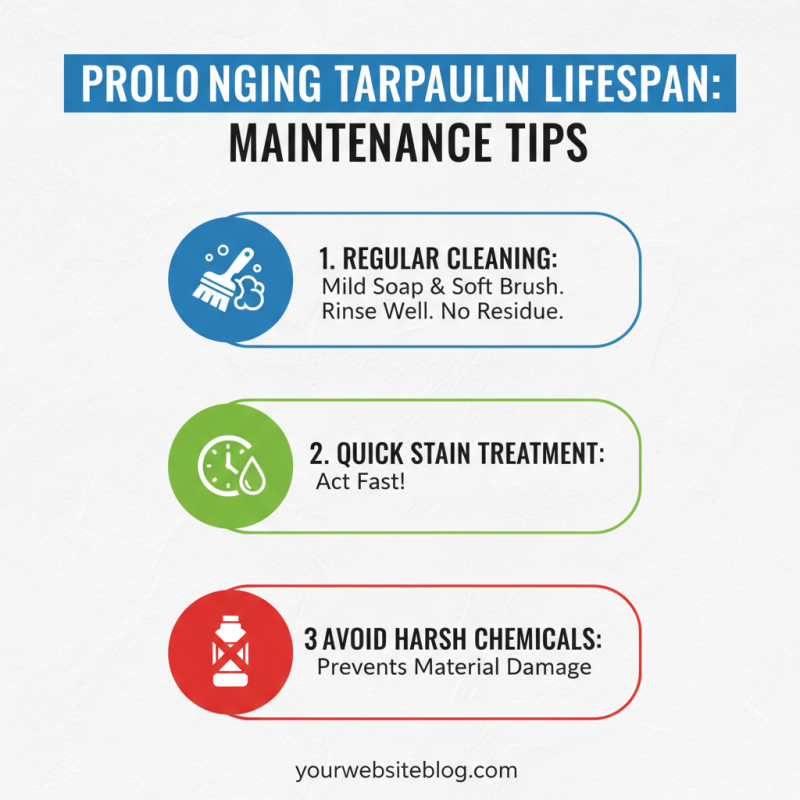
When it comes to maintaining your plastic tarpaulin, regular care is essential. Start by cleaning the tarp frequently. Use mild soap and a soft brush. Rinse thoroughly to prevent residue build-up. Stains can be tough, but treating them quickly will help. Avoid harsh chemicals that can damage the material.
Storage is another important factor. Always store your tarpaulin in a cool, dry place. Ensure it is completely dry before folding it to avoid mold growth. Use breathable bags for additional protection. This simple step can significantly extend its lifespan.
Additionally, inspect your tarpaulin regularly for signs of wear. Look for tears, holes, or fading. Address any issues promptly to prevent further damage. Reinforcing corners and edges can also offer extra durability. These practices will help keep your tarpaulin in good shape for years.
FAQS
: Common types include polyethylene tarps and plastic-coated tarps. Each serves different needs.
It's lightweight and versatile, offering decent waterproofing and UV protection. Great for outdoor activities.
They are durable, tear-resistant, and suitable for heavy-duty uses. Ideal for contractors and equipment coverage.
Focus on size, weight, and your specific needs. Misjudging these can lead to poor choices.
Prices range from $10 to $50, based on size and thickness. Larger and heavier-duty tarps cost more.
No, cheap options may tear easily and lack UV resistance. Durability is key for long-term use.
Evaluate your intended use and environment. A mismatch may affect performance.
Spending more upfront may yield better longevity and performance. Consider total value, not just initial cost.
A wrong choice may lead to disappointment and extra costs. Reflect on your decision before purchasing.
Tarps serve different purposes. Matching features to needs ensures better performance and satisfaction.
Conclusion
When selecting the best plastic tarpaulin for your needs, it is essential to understand the various types available on the market. Factors such as material, weight, thickness, and tear resistance play critical roles in determining the suitability of a tarpaulin for specific applications. Moreover, assessing features like UV protection and waterproof ratings can significantly impact its performance in different weather conditions.
Additionally, considering application-specific features like reinforced edges and grommets will enhance the functionality and durability of the plastic tarpaulin. Price comparisons across different brands can help you find a suitable option that fits your budget. Finally, implementing proper maintenance tips can prolong the lifespan of your tarpaulin, ensuring it performs effectively for years to come.


 Wanggou Industrial Park,Lanshan District, Linyi City, Shandong Province, China