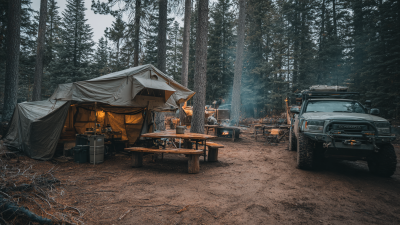
Picking out the right canvas tarps can really make a difference for your projects. Whether you're using them outdoors, for a construction site, or your next camping trip, there’s a whole bunch of options out there. Good quality canvas tarps are super durable and versatile, but not every tarp is perfect for every job, so it’s worth thinking about what you actually need.
When you’re choosing a canvas tarp, pay attention to the weight and thickness — a lighter tarp might be easier to work with, but a heavier one will give you more protection. Also, consider the material. Cotton canvas tends to breathe better, which is great for some needs, while polyester usually does a better job at being waterproof.
Don’t forget about the size, either. It’s surprisingly common to overlook this part. A tarp that’s too small won’t cover what you need, and one that's too big can get a little cumbersome to handle. It really helps to know exactly what you’re trying to cover before you buy. Keep these things in mind, and finding the perfect canvas tarp for your project can actually be pretty satisfying — like a little win!
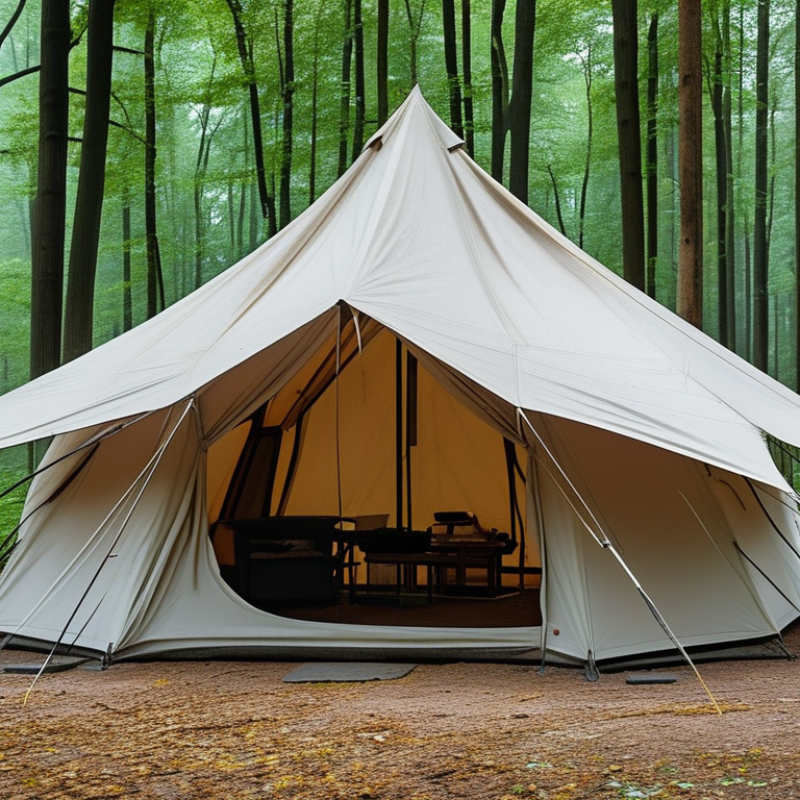
Understanding Canvas Tarps: Types and Features
Canvas tarps come in various types and features, each serving different purposes. Understanding these options will help you select the right tarp for your needs. There are two main types: single-fill and double-fill tarps. Single-fill tarps are lighter and typically less durable. They work well for temporary cover. On the other hand, double-fill tarps are heavier and more resilient. They’re ideal for long-term projects.
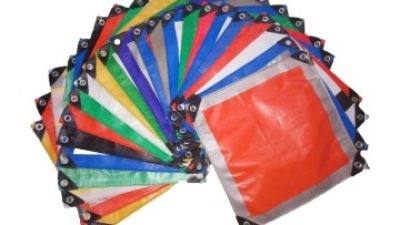
When it comes to features, pay attention to the weight and thickness of the tarp. Heavier tarps resist wear and tear better. Consider water resistance as well. Some canvas tarps are treated to repel moisture, while others require additional waterproofing. The grommets are crucial too; stainless steel grommets offer strength and prevent rust.
Think about the size you need. A tarp that is too small won't provide proper coverage, and one that is overly large can be cumbersome. It’s important to measure your area accurately. Remember to check the seams; reinforced seams add to the tarp's longevity.
Picking the right tarp is not just about choosing the most durable option. Reflect on your specific use case. Sometimes, a cheaper tarp can suffice for lighter tasks. Your choice should align with how you plan to use it.
Assessing Your Specific Needs for Canvas Tarps
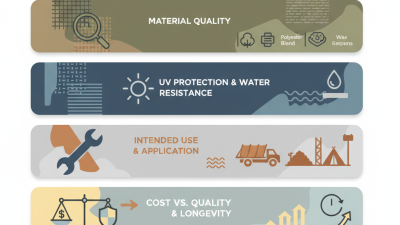
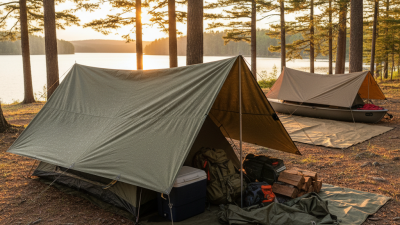
Choosing the right canvas tarps requires careful consideration of your specific needs. Start by evaluating the primary purpose of the tarp. Do you need it for outdoor camping, covering a vehicle, or protecting equipment? Each use has unique requirements. The size, thickness, and durability of the tarps should match your needs.
Weather conditions significantly influence tarp choices. For instance, if you live in an area with frequent rain, opt for heavier-duty options. Canvas tarps with water-resistant coatings can offer better protection. Also, consider physical factors. Some tarps are designed for heavy winds, while others may not hold up well.
Think about the storage and transport as well. Heavy canvas tarps can be cumbersome to handle. If you need something portable, lighter options might be necessary. Reflect on how often you'll use the tarps. Frequent users may benefit from investing in higher-quality materials. Balancing quality and price is crucial. Ultimately, understanding your requirements will guide you in selecting the ideal tarps, making your experience more effective and satisfying.
How to Choose the Best Canvas Tarps for Your Needs?
| Dimension |
Weight (lbs) |
Water Resistance |
UV Protection |
Applications |
| 10' x 12' |
5.0 |
Yes |
High |
Camping, truck covers |
| 12' x 16' |
7.5 |
Yes |
High |
Covering vehicles, outdoor shelters |
| 16' x 20' |
10.0 |
Yes |
Medium |
Construction site, heavy equipment |
| 20' x 30' |
15.0 |
No |
High |
Event coverage, large machinery |
Material Quality: Key Factors in Canvas Tarp Selection
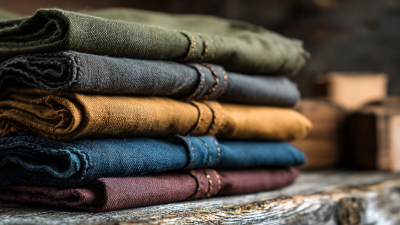
When selecting a canvas tarp, material quality is crucial. A tarp made from premium materials offers durability and resistance to wear. Look for canvas that is tightly woven. This design enhances the tarp's strength and longevity. It also provides better protection against the elements. Many people underestimate the importance of material thickness. Thicker canvas typically withstands harsh weather better than thinner versions.
Consider the weight of the tarp as well. Heavier tarps often indicate better quality and sturdiness. Lightweight options, while easy to handle, may not serve well in demanding conditions. A fabric's resistance to mold and mildew is another significant factor. If a tarp isn't resistant, it can become damaged quickly in damp areas. This could lead to disappointment in performance and impact the longevity of your investment.
Think about your specific needs when choosing a tarp. Are you using it for camping, covering equipment, or perhaps as a temporary shelter? Each use case may require different material properties. Reflect on previous experiences with tarps. Did you face issues with durability or weather resistance? Taking these factors into account can guide you to a more informed decision for your next purchase.
Size and Dimensions: Choosing the Right Fit for Your Purpose
Choosing the right size and dimensions for canvas tarps is crucial for effective use. Measure the area where you plan to use the tarp. Consider the length and width carefully. If it's for covering a vehicle, ensure the tarp extends beyond the edges. For outdoor projects, give yourself extra coverage to allow for wind movement. A tarp that is too small will not provide adequate protection, while one that is excessively large can be cumbersome.
Think about the height as well. If you're using a tarp for overhead shelter, factor in how it will drape. A taut setup is more effective for sheltering from rain. Remember, every situation is unique. You might find a standard size doesn’t quite fit your needs, leading to unwanted gaps or sagging. Experimenting with different dimensions could help you find the ideal fit. It's valid to feel uncertain about the best choice. It may take a few tries to discover what works for your specific circumstances.
Canvas Tarps Size and Dimensions Analysis
Assessing Weather Resistance and Durability in Canvas Tarps
When selecting the best canvas tarps, weather resistance and durability are crucial factors. Canvas tarps are often exposed to varying weather conditions. Research indicates that tarps made from high-density canvas can withstand heavy rain and UV damage more effectively than their lower-quality counterparts. A study from the National Weather Service shows that prolonged exposure to moisture can lead to mold growth, weakening tarps over time.
Durability relates to the fabric's thread count and weaving technique. Stronger tarps usually employ a tighter weave and higher thread count, enhancing lifespan. According to industry reports, a canvas tarp with a minimum of 12 oz per square yard is recommended for heavy-duty use. This weight ensures reinforced protection against tearing and abrasion. Proper maintenance can prolong the tarp's life, but neglect may lead to quick deterioration.
Weather resistance isn't solely about material quality. It’s also affected by treatment applications. Some tarps come with waterproof coatings, yet those treatments can wear off over time. Regular checks for wear and tear can help in identifying issues early. Ultimately, selecting a canvas tarp involves a balance between material quality, maintenance needs, and application scenarios. A thoughtful approach in every aspect is essential for long-lasting utility.
Maintenance and Care Tips for Prolonging Tarp Life
Proper maintenance is key to extending the lifespan of canvas tarps. One effective method is regular cleaning. Dust and dirt can accumulate on the surface, leading to wear over time. Use a soft brush or mild soap and water to gently clean the tarp. Make sure to rinse it thoroughly to avoid soap residue. Allow it to air dry completely before storing it. Ignoring cleaning can lead to mildew. Mildew weakens the fibers and creates unpleasant odors.
Storage also plays a significant role in tarp care. Store your Oiled Canvas Tarps in a dry, cool place. Avoid folding them tightly, as creases can develop and compromise the material's durability. Instead, roll them loosely to maintain their integrity. When not in use, check them periodically for signs of damage or wear. Fraying edges or small tears might seem minor, but they can worsen if left unchecked.
In addition, applying a canvas waterproofing agent can help enhance the tarp's resistance to moisture. However, it's crucial to follow the manufacturer's guidelines for any treatment products. Sometimes, overdoing it can lead to stiffness. Finding the right balance between protection and maintainability may require trial and error. Pay attention to how your Oiled Canvas Tarps react, and adjust your care routine accordingly.
Comparing Costs: Budgeting for Quality Canvas Tarps
When considering canvas tarps, budget plays a vital role. You may find a wide range of prices. Cheaper options might seem appealing but often lack the durability you need. A low price can mean a thinner material, which may not stand up to heavy use or harsh weather. Investing in higher-quality options, such as Heavy Duty Waterproof Canvas Tarps, can save money in the long run.
Think about what features matter to you. Is waterproofing essential? Do you need tear resistance? Costs vary based on these attributes. It's wise to consider both immediate needs and long-term goals. Sometimes, the cheaper choice ends up costing more due to replacements or repairs. It's crucial to evaluate where your money goes.
Be cautious, though. Not every high-priced tarp guarantees excellence. Research and read reviews. Seek out opinions from those who have experience. Quality should not only be measured by price. Balancing cost with reliability can be tricky, but it’s necessary for getting the right tarp. Make informed decisions to ensure your needs are met effectively.
Enhancing Agricultural and Transportation Efficiency: The Role of Advanced Waterproof Tarps in Protecting Assets from Environmental Damage
In the ever-evolving landscape of agriculture and transportation, the importance of protecting assets from environmental damage cannot be overstated. Advanced waterproof tarps, particularly those crafted from heavy-duty polyethylene, play a crucial role in enhancing efficiency in these sectors. A recent report indicates that the global agricultural tarps market is expected to grow at a compound annual growth rate (CAGR) of 4.5%, driven by increasing demand for durable weather-resistant materials that can safeguard crops and equipment against harsh climatic conditions.
The double-faced flame retardant PE tarpaulin exemplifies such innovation, meticulously engineered for extreme outdoor conditions. Its robust construction, featuring a double-sided polyethylene coating, provides a reliable waterproof barrier against torrential rains, ensuring that machinery and agricultural produce remain secured. Moreover, with enhancements like an interwoven grid structure, this tarpaulin offers superior tear resistance while retaining its flexibility. Industry statistics suggest that materials with high tensile strength and UV resistance reduce the risk of damage, leading to significant cost savings for businesses in the long run.
Furthermore, the flame-retardant additives incorporated in this tarpaulin not only meet international safety standards but also bolster its functionality across diverse applications, from construction sites to transportation of goods. Reinforced edges and rust-proof grommets facilitate secure fastening, which is essential for maintaining structural integrity during severe weather conditions. As industries seek reliable solutions for asset protection, the advancements in tarpaulin technology demonstrate their pivotal role in enhancing operational efficiency and resilience.
FAQS
: High-quality material ensures durability and resistance to wear, providing better protection against weather elements.
Choose tightly woven canvas; it enhances strength and longevity, ideal for various conditions.
Heavier tarps usually indicate better quality; they withstand harsh conditions more effectively than lightweight options.
Yes, thicker canvas typically handles harsh weather better than thinner versions, improving longevity and performance.
Measure the area accurately. Ensure the tarp extends beyond edges for vehicle coverage and addresses wind movement.
Regular cleaning, proper storage, and checking for damage can significantly extend a tarp's lifespan and performance.
Store in a dry, cool environment. Roll it loosely to avoid creases that can weaken material durability.
Ignoring care can lead to mildew, which weakens fibers and creates odors, reducing your tarp's performance.
Yes, but follow guidelines carefully. Overdoing it may lead to stiffness, so balance is essential for effective maintenance.
It's common to feel unsure. Experimenting with different sizes and materials can lead to a better fit for your needs.
Conclusion
When it comes to selecting the best canvas tarps for your needs, it's essential to understand the various types and features available. Begin by assessing your specific requirements, such as intended use and environmental conditions, to ensure you choose a tarp that meets your demands. Material quality plays a significant role in the selection process, as durable canvas contributes to longevity and performance.
Consider the size and dimensions of the tarp to ensure it fits your project effectively. Weather resistance and durability are critical factors, especially for outdoor applications, as they protect against the elements. Additionally, proper maintenance and care can prolong the life of your canvas tarps. Lastly, budgeting for these tarps involves comparing costs while prioritizing quality to ensure you make a worthwhile investment. By following these guidelines, you can confidently select the ideal canvas tarp tailored to your specific needs.


 Wanggou Industrial Park,Lanshan District, Linyi City, Shandong Province, China