Picking the right Polyethylene Canvas for what you need might seem like a small thing, but honestly, it can make a big difference in how your project turns out. Thanks to its flexibility and toughness, Polyethylene Canvas is pretty popular for all kinds of stuff — whether you're setting up for outdoor events, using it as a tarp, or even for industrial jobs. The tricky part is figuring out which type fits your specific needs best. Understanding the differences between the various kinds and their features is super important so you don’t end up with something that doesn’t quite do the job.
When you’re looking at Polyethylene Canvas, things like weight, thickness, and how it’s woven are key factors. For example, if you need something durable that can handle rough conditions, a heavier grade might be the way to go. On the other hand, if you want something lightweight for easy transportation or quick setups, a lighter option could be better. Don’t forget to think about weather resistance and UV protection, especially if it’s gonna sit outside in the sun for a long time — those details really help extend its lifespan.
By taking the time to consider what you actually need and understanding the different features, you'll be way more confident in choosing the right canvas. This guide is here to walk you through the main points to consider. At the end of the day, picking the perfect Polyethylene Canvas means you get something that works perfectly for *your* unique situation, making your project a lot easier and more successful.
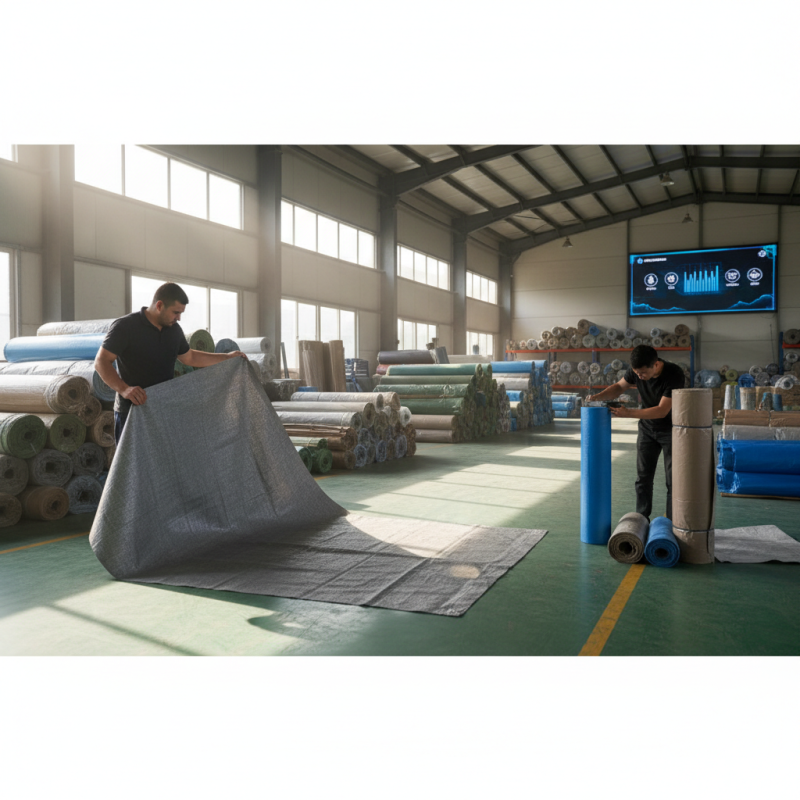
Understanding Polyethylene Canvas: A Comprehensive Overview
Polyethylene canvas is a versatile and durable material that is widely used for various applications. Its unique properties make it ideal for tasks ranging from tarpaulins for weather protection to covers for outdoor furniture. Understanding these properties is essential when selecting the right type of polyethylene canvas for your specific needs. This material is water-resistant, UV-stabilized, and resistant to mildew, making it suitable for both indoor and outdoor use. Additionally, it is lightweight yet strong, which allows for easy handling and transportation.
When choosing polyethylene canvas, it’s important to consider thickness, weave type, and finish. Thicker canvases provide greater durability and are typically preferred for heavy-duty applications, while lighter options are more suitable for temporary uses such as event canopies. The weave type also plays a critical role in the canvas's strength and flexibility—tighter weaves yield stronger materials. Lastly, the finish can impact the canvas's performance in varied weather conditions; for instance, a glossy finish may enhance water resistance but could reduce breathability. By understanding these factors, you can make an informed choice that meets your specific requirements effectively.
Types of Polyethylene Canvas and Their Applications
When selecting the right polyethylene canvas for various applications, understanding the different types available is crucial. Polyethylene canvas generally comes in two main types: high-density polyethylene (HDPE) and low-density polyethylene (LDPE). HDPE is known for its strength and durability, making it ideal for applications such as tarps, canopies, and outdoor furniture covers. It is resistant to tears and punctures, which makes it suitable for demanding environments, while its UV resistance ensures longevity in outdoor use.
On the other hand, LDPE is more flexible and lightweight, making it an excellent choice for projects requiring easy handling and installation. It is commonly used in applications like protective sheeting, shade cloths, and as liners in agriculture. LDPE can withstand various weather conditions, but it is generally less durable than HDPE. Understanding these distinctions helps in choosing the right polyethylene canvas that aligns with your specific needs, whether for industrial, agricultural, or recreational purposes. Each type serves different functional requirements, thereby influencing not only performance but also the longevity of the application.
Polyethylene Canvas Types and Applications
Factors to Consider When Choosing Polyethylene Canvas
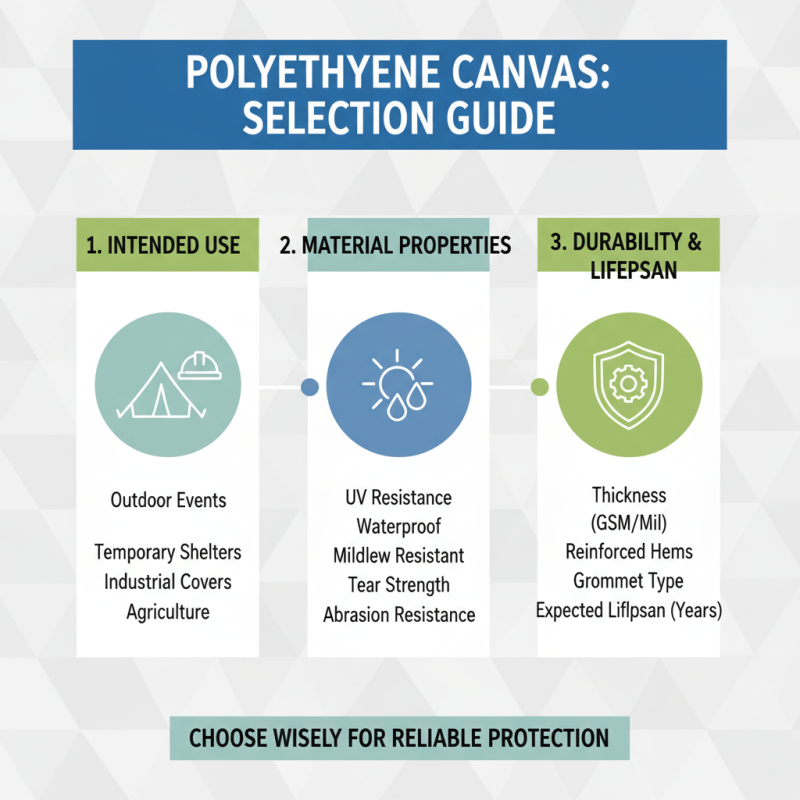
When selecting the right polyethylene canvas, several factors must be taken into account to ensure it meets your specific needs. First and foremost, determine the intended use of the canvas. Different applications, whether for outdoor events, temporary shelters, or industrial purposes, can influence the type and thickness of polyethylene you require. Considerations such as UV resistance, water and mildew resistance, and durability are crucial for ensuring the canvas can withstand the environmental conditions it will face.
Another essential factor is the weight and flexibility of the canvas. Heavier polyethylene fabric tends to be more robust and suited for heavy-duty applications, while lighter options may suffice for less demanding tasks. Additionally, assess the ease of handling and installation; a more flexible canvas can be easier to work with, particularly if it needs to be rolled, folded, or transported frequently. Lastly, evaluate the budget and balance it with the quality and performance of the canvas to find the best value that aligns with your project requirements.
Evaluating Quality: Thickness, Weave, and Durability
When selecting polyethylene canvas, three critical factors come to the forefront: thickness, weave, and durability. The thickness of the canvas often dictates its strength and resistance to wear and tear. Typically measured in mils or microns, professional-grade polyethylene canvases range from 6 to 40 mils. A thicker canvas provides enhanced protection against abrasion and tearing, making it essential for applications exposed to harsh environments, such as construction sites or outdoor events.
Weave refers to the way the material is constructed, which impacts both flexibility and strength. The two primary types of weaves found in polyethylene canvases are plain and reinforced. Plain weaves are cost-effective and suitable for less demanding applications, while reinforced weaves offer increased tensile strength, making them ideal for heavy-duty use. According to a recent industry analysis, products with a reinforced weave can exhibit up to 50% greater durability compared to their plain counterparts, thus significantly extending the lifespan of the canvas.
**Tips:** When choosing a polyethylene canvas, always consider the specific environmental conditions it will face. For instance, if the canvas will be exposed to UV rays, opt for UV-treated options to prevent degradation over time. Additionally, pay attention to the warranty; products that come with a robust warranty often indicate superior quality and manufacturer confidence. Lastly, consult industry specifications to ensure the canvas meets your particular needs for strength and flexibility.
Choosing the Right Polyethylene Canvas - Evaluating Quality
| Specification |
Light Duty (6-8 mil) |
Medium Duty (8-12 mil) |
Heavy Duty (12-20 mil) |
| Thickness |
6 - 8 mil |
8 - 12 mil |
12 - 20 mil |
| Weave Type |
Tightly woven |
Moderately woven |
Loosely woven |
| Durability |
1-3 years |
3-5 years |
5+ years |
| Water Resistance |
Low |
Moderate |
High |
| UV Resistance |
Low |
Moderate |
High |
Assessing Environmental Resistance: UV, Water, and Mildew
When selecting the right polyethylene canvas, assessing environmental resistance is crucial. Key factors include UV resistance, water resistance, and mildew resistance. According to a report by the American Society for Testing and Materials (ASTM), polyethylene fabrics exhibit varying degrees of UV resistance, which is often measured by their ability to withstand exposure to sunlight without significant degradation. For instance, fabrics rated with high UV resistance typically maintain strength and color integrity for over 500 hours of exposure, whereas lower-rated materials might require replacement after only a fraction of that time.
Water resistance is another vital characteristic to consider, especially for outdoor applications. A study published in the Journal of Industrial Textiles reveals that high-density polyethylene (HDPE) fabrics can demonstrate a hydrostatic resistance of over 3000 mm, making them suitable for protecting against heavy rains. Furthermore, a well-constructed polyethylene canvas would have sealed seams and water-repellent coatings to enhance its waterproof qualities, ensuring that it effectively shields contents from moisture damage.
Mildew resistance is also essential when choosing a canvas used in damp or humid environments. Research indicates that polyethylene materials treated with antifungal agents can significantly reduce the risk of mildew growth, thereby extending the lifespan of the canvas. A survey by the Textile Research Journal found that untreated polyethylene can develop mold within weeks in ideal conditions, while treated options can resist such growth for years. Therefore, selecting a high-quality polyethylene canvas with strong environmental resistance properties not only ensures durability but also protects investments in various applications.
Cost Analysis: Budgeting for Your Polyethylene Canvas Needs
When budgeting for your polyethylene canvas needs, it's essential to consider various costs associated with its purchase and use. Polyethylene canvas can vary in price based on its thickness, durability, and specialized features. To ensure you make an informed decision, start by researching the different options available in the market. Create a budget that accounts for not only the initial purchase but also any additional costs such as shipping, installation, and maintenance.
Tips: When assessing the costs, consider the long-term savings associated with high-quality polyethylene canvas. Cheaper options might save you money upfront but could lead to increased replacement costs over time. Always weigh the benefits of durability against the initial investment.
Additionally, keep in mind seasonal sales and discounts. Buying your polyethylene canvas during off-seasons can yield significant savings. Don’t hesitate to reach out to multiple suppliers to compare prices and seek bulk purchase deals if you require larger quantities. By planning carefully and considering these tips, you can effectively manage your budget while ensuring you select the right polyethylene canvas for your specific needs.
Maintenance Tips for Prolonging the Life of Polyethylene Canvas
Proper maintenance of polyethylene canvas is essential for extending its lifespan and ensuring optimal performance in various applications. Studies indicate that regular cleaning can significantly improve the durability and appearance of polyethylene materials. For instance, a report by the Institute of Fabric Research highlights that maintaining a clean surface reduces the risk of material degradation caused by mold and mildew, which are common issues with outdoor canvas exposure. Typically, a simple solution of mild detergent and water, used with a soft brush, is recommended for effective cleaning.
Additionally, proper storage conditions play a crucial role in the longevity of polyethylene canvas. The American Society for Testing and Materials (ASTM) suggests that storing canvas in a cool, dry environment, away from direct sunlight, can prevent UV damage. If possible, roll the canvas rather than folding it to avoid creasing, which can lead to cracks over time. Regularly inspecting the canvas for tears, punctures, or signs of wear can also help catch repairs early, enhancing the overall lifespan of the material. By implementing these maintenance strategies, users can maximize the functionality and aesthetic appeal of their polyethylene canvas.
Maximizing Durability and Functionality: Insights from Industry Reports on Double White Tarpaulin and PE Coated Waterproof Fabrics
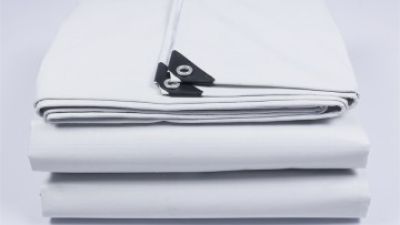
When it comes to maximizing durability and functionality in protective coverings, double white tarpaulin and PE coated waterproof fabrics stand out as exceptional choices. The use of thickened polyethylene material in the production of durable white tarpaulin ensures not only strength but also longevity. This high-quality tarp, weighing 500g/m², is specifically designed to deliver strong performance in various applications, from outdoor camping to construction sites. Its smooth, PE coated surface guarantees that it is waterproof, providing essential protection against the elements.
Moreover, the versatility of this heavy-duty cover is noteworthy. It features excellent sunshade capabilities, UV protection, and resistance against wind and rain. Customers seeking tailored solutions can customize their rain gear to perfectly fit their specific needs. Whether it’s for sheltering equipment or creating a barrier against inclement weather, this rain protection solution is adaptable and reliable. With dedicated customer support ready to assist with sizing and inquiries, purchasing becomes a hassle-free experience, allowing users to focus on their activities with confidence.
FAQS
: Polyethylene canvas is a versatile and durable material known for being water-resistant, UV-stabilized, and resistant to mildew. It is suitable for various applications, providing protection against weather elements.
Key factors include intended use, thickness, weave type, finish, weight, flexibility, and budget. These influences will determine the canvas’s durability and suitability for specific tasks.
The thickness determines the canvas's strength and resistance to wear and tear. Thicker canvases (ranging from 6 to 40 mils) offer better protection against abrasion and tearing, making them suited for demanding environments.
The two primary types of weaves are plain and reinforced. Plain weaves are cost-effective for lighter applications, while reinforced weaves provide greater tensile strength and durability, ideal for heavy-duty use.
The finish can affect performance based on environmental conditions. For instance, a glossy finish may enhance water resistance but could reduce breathability, impacting its suitable applications.
UV resistance is crucial for preventing degradation over time when exposed to sunlight. Choosing UV-treated options can prolong the lifespan of the canvas in outdoor environments.
Heavier canvas is generally more robust and fits heavy-duty applications, while lighter options are easier to handle, making them more suitable for temporary uses and frequent transport.
Quality can be assessed by checking thickness, weave type, and durability. Products with reinforced weaves tend to exhibit greater durability, and a strong warranty often indicates quality assurance from the manufacturer.
Polyethylene canvas is designed to withstand various environmental challenges, but factors like UV treatment, thickness, and protective finish play significant roles in its overall performance under specific weather conditions.
It's essential to balance budget constraints with the quality and performance of the canvas. Investing in a higher-quality product can provide better value over time by ensuring durability and effective performance for specific projects.
Conclusion
When selecting the right Polyethylene Canvas for your projects, it is essential to understand its various types and applications. Polyethylene Canvas is known for its versatility and durability, making it suitable for diverse uses, from tarps to protective covers. Key factors to consider include quality indicators like thickness, weave, and overall durability, as well as environmental resistance to UV rays, water, and mildew.
Cost analysis also plays a crucial role in budgeting for your Polyethylene Canvas needs, ensuring you choose a product that meets your requirements without overspending. Additionally, proper maintenance techniques can help prolong the life of your Polyethylene Canvas, ensuring you get the best value from your investment. Balancing these considerations will enable you to make an informed decision that suits your specific needs.

 Wanggou Industrial Park,Lanshan District, Linyi City, Shandong Province, China