Leave Your Message
0%

So, when you're thinking about materials for your next project, I’d honestly consider checking out Nylon Tarpaulin. Industry folks like John Smith from Tarpaulin Innovations are huge fans—he once said, “Nylon Tarpaulin offers durability and versatility that other materials just can't keep up with.” Pretty convincing, right?

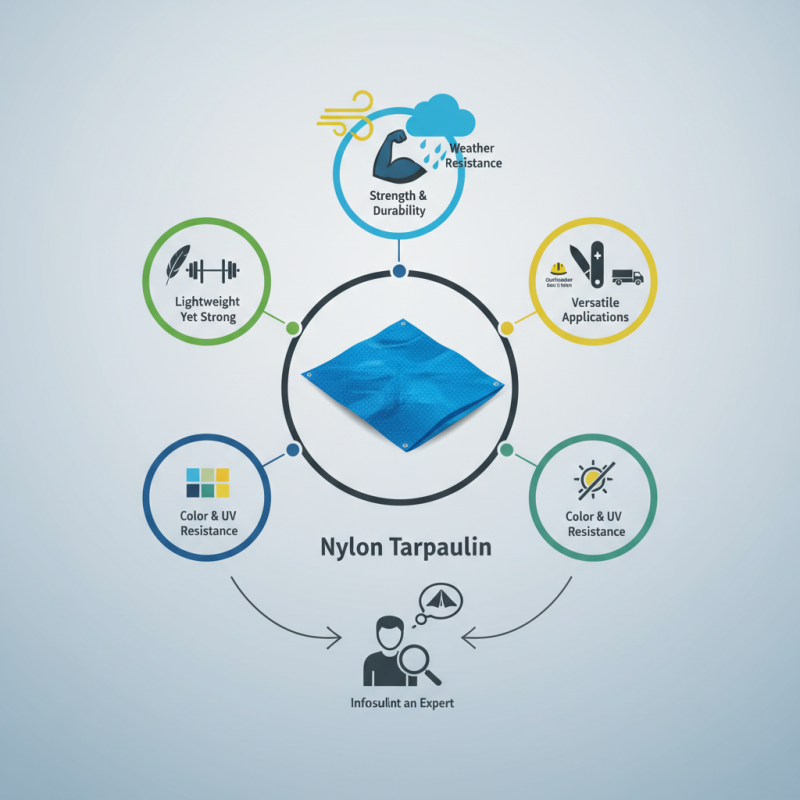
What’s cool about Nylon Tarpaulin is that it’s lightweight but still pretty tough. It resists tears and can handle the weather, which makes it super useful for all kinds of things—whether you’re working on a construction site or throwing together an outdoor event. But here’s the thing—not all Nylon Tarpaulins are created equal. Picking the right grade really matters depending on what you need.

At the same time, it’s worth giving some thought to what’s important for your project—like, do you need a specific color? Or maybe UV resistance? Sometimes, rushing into a decision without considering these details can end up disappointing you later. So, take a moment to weigh your options and maybe chat with an expert—they can help you pick the best one for your situation and save you a headache down the line.

Why Choose Nylon Tarpaulin for Your Next Project?

Benefits of Nylon Tarpaulin Over Other Materials

Why Choose Nylon Tarpaulin for Your Next Project?

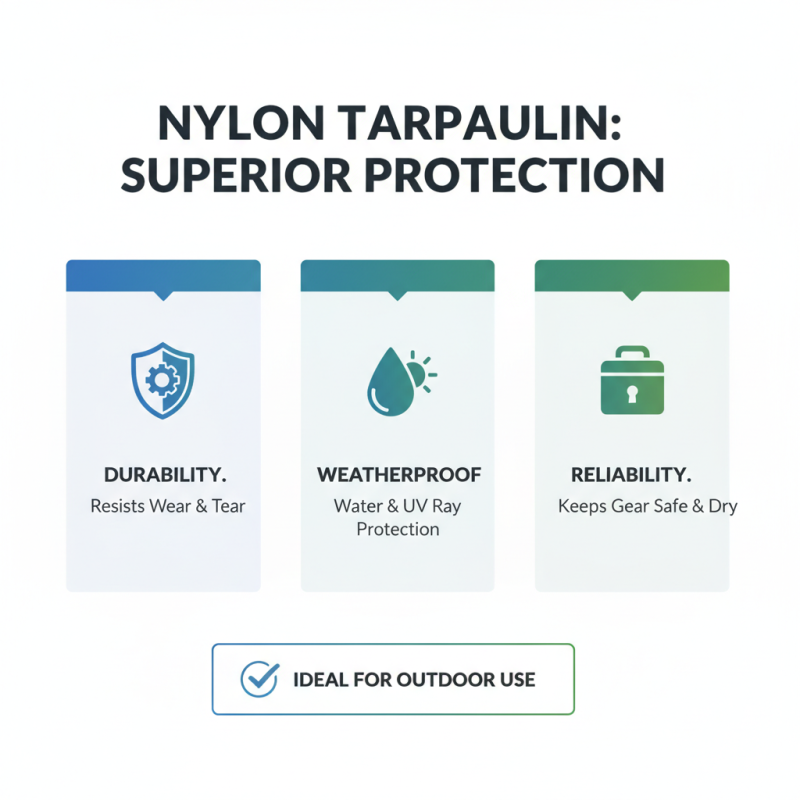
Nylon tarpaulin is an exceptional choice for various projects. Its durability stands out compared to other materials. It resists wear and tear, making it ideal for outdoor use. The fabric is dense, providing excellent protection against water and UV rays. This means your equipment and supplies stay dry and safe, even in harsh conditions.

Another advantage of nylon tarpaulin is its lightweight nature. It is easy to handle, fold, and store. However, this material does come with its challenges. While it is strong, prolonged exposure to extreme temperatures can impact its integrity. Users should consider this when planning their projects.

Nylon tarpaulin also offers great flexibility. It can adapt to different shapes and sizes, making it versatile for various applications. Many find it effective in camping, construction, and event setups. Despite its benefits, users must ensure proper care and handling. This will help maintain the tarpaulin's longevity and performance over time.

Durability and Weather Resistance of Nylon Tarpaulin

Nylon tarpaulin is an excellent choice for various outdoor projects due to its remarkable durability. This material can resist tearing and puncturing, making it ideal for heavy-duty applications. When subjected to harsh conditions, nylon tarpaulin maintains its structural integrity, ensuring longevity. It is not uncommon for users to underestimate its strength until they face extreme weather events.

Weather resistance is another significant advantage. Nylon tarpaulin can withstand rain, wind, and UV rays without deteriorating. This attribute makes it perfect for outdoor coverings, temporary shelters, and protective gear. However, some users find that prolonged exposure to intense sunlight can lead to fading. Regular maintenance and inspection can help identify any weaknesses over time.

Using nylon tarpaulin also means considering its breathability. This aspect allows moisture to escape, reducing the risk of mold and mildew. However, if not properly ventilated, issues might still arise. Strategies for maximizing its effectiveness are essential. Therefore, understanding both the strengths and limitations of nylon tarpaulin can lead to better decisions in project planning.

Applications of Nylon Tarpaulin in Various Industries

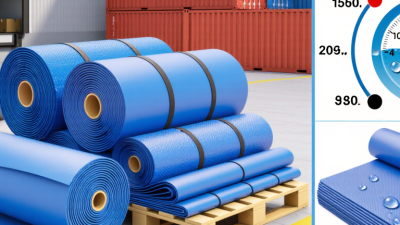
Nylon tarpaulin is gaining traction across various industries due to its unique properties. Its impressive strength-to-weight ratio makes it ideal for demanding applications. In the construction sector, nylon tarpaulins provide reliable protection for materials on-site. A 2021 report revealed that construction-related uses contribute to approximately 25% of nylon tarpaulin consumption globally.

In the transportation industry, these tarpaulins are used for covering cargo. Their durability protects goods from harsh weather while reducing freight costs. According to industry analyses, nylon tarpaulin strength can withstand winds of up to 75 mph. This resilience is crucial for maintaining supply chain integrity. Companies often cite instances of damage when using inferior covering materials.

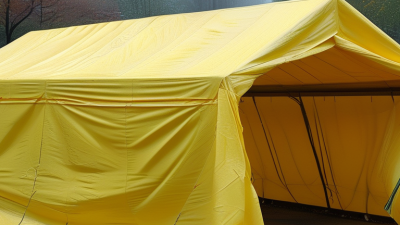
The event management sector also benefits from nylon tarpaulin's versatility. It is frequently utilized for tents and temporary structures. A 2022 survey indicated that over 40% of event organizers prefer nylon tarpaulin for its lightweight and easy-to-handle characteristics. However, despite its advantages, some applications reveal vulnerabilities. Users occasionally report issues with UV degradation over extended exposure. Such challenges remind us of the need for regular maintenance and periodic replacement.

Why Choose Nylon Tarpaulin for Your Next Project? - Applications of Nylon Tarpaulin in Various Industries

Industry Application Benefits Durability
Construction Site Protection Waterproof, UV resistant Up to 5 years
Agriculture Covers for Equipment Tear resistant, lightweight 3-4 years
Transportation Cargo Covering Strong and reliable 5+ years
Outdoor Events Event Tent Fabric Waterproof, easy to set up 2-3 years
Marine Boat Covers Mold resistant, saltwater resistant 4-6 years

Cost-Effectiveness of Nylon Tarpaulin for Projects

Nylon Tarpaulin offers a cost-effective solution for various projects. Its durability is unmatched, making it a favorite among contractors. Reports show that nylon tarps can last up to 20% longer than traditional polyethylene options. This longevity translates to lower replacement costs over time.

Additionally, nylon tarps provide excellent resistance to UV rays and moisture. According to industry studies, using nylon materials can reduce maintenance expenses by 30%. Many projects benefit from this reduced upkeep, especially in harsh weather conditions. The initial investment in nylon may seem higher, but the long-term savings are significant.

However, it’s essential to consider potential downsides. Nylon tarps are more susceptible to certain chemicals, limiting their use in some environments. Some contractors have faced challenges with their flexibility compared to other materials. Evaluating your specific project needs is crucial before deciding. Ultimately, the right choice hinges on understanding both the benefits and the limitations of nylon tarp options.

Maintenance Tips for Nylon Tarpaulin Products

Why Choose Nylon Tarpaulin for Your Next Project?

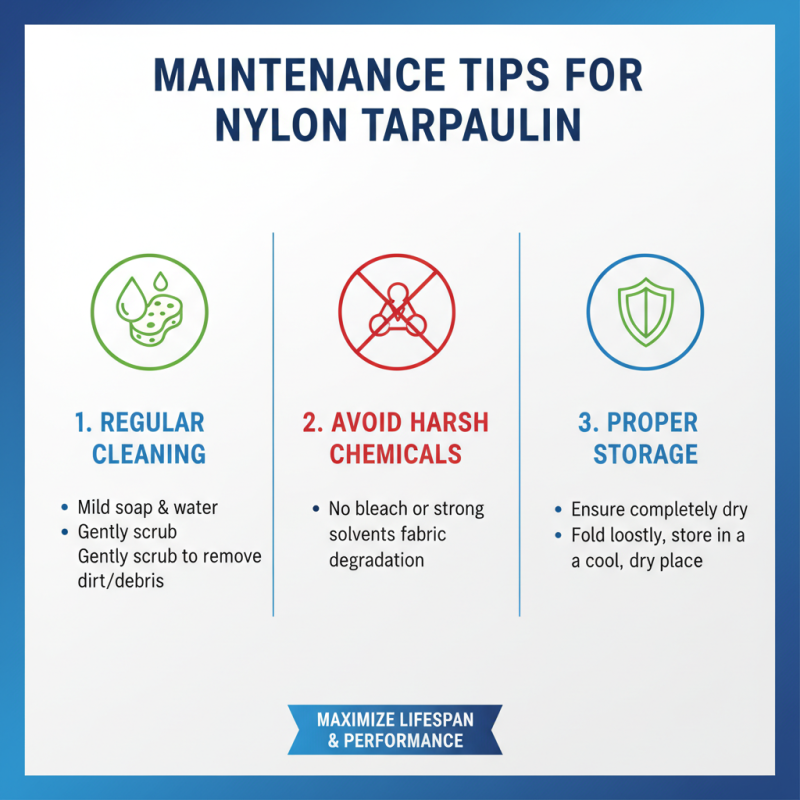
Nylon tarpaulin is a widely favored choice for various outdoor applications, given its durability and resistance. However, proper maintenance is crucial for maximizing its lifespan. To ensure optimal performance, regular cleaning is essential. A simple wash with mild soap and water can remove dirt and debris. Avoid harsh chemicals, as they may degrade the fabric's quality over time.

Storage conditions also play a significant role in maintaining nylon tarpaulin. It's essential to keep it in a dry, cool place. Exposure to moisture can lead to mold or mildew growth. According to industry studies, approximately 30% of tarpaulin failures result from improper storage. For added protection, consider using a UV protected tarp for prolonged outdoor use. This can significantly reduce fading and deterioration caused by sun exposure.

Inspecting for wear and tear should become a routine task. Small tears can be repaired quickly to prevent further damage. Research shows that neglecting these minor issues can lead to costly replacements. A rot proof tarpaulin can also be a wise investment for areas with high humidity. Consistent care and timely repairs help ensure that your nylon tarp remains reliable, whether it’s used as an outdoor truck cover or for other projects.

Environmental Impact of Using Nylon Tarpaulin

When considering the environmental impact of nylon tarpaulin, it’s essential to weigh its durability and functionality against ecological concerns. Nylon is known for its strength and resilience, but it is also derived from petroleum. This means that while it offers significant advantages, its manufacturing process contributes to environmental degradation. Choosing nylon tarpaulin can be a double-edged sword.

Tips: Look for suppliers who prioritize sustainable practices in their nylon production. This can include using recycled materials or eco-friendly manufacturing processes. You might also consider alternatives like heavy-duty PE tarp, which often have a lower environmental footprint.

Moreover, when it comes to specific projects, think about longevity. Nylon tarpaulin outlasts many other materials due to its UV resistance and reinforced corner features. However, the disposal of this material poses challenges. It may not break down easily and can contribute to landfill waste. Finding ways to repurpose or recycle the tarpaulin after use is key.

Tips: Always check the recyclability of the product before purchase. If you’re using a green waterproof cover, ensure it has end-of-life options available. You want to minimize your environmental impact wherever possible.

Choosing the Right Type of Nylon Tarpaulin for Your Needs

When it comes to nylon tarpaulin, selecting the right type is crucial for your project. Nylon tarpaulins are versatile and durable, making them suitable for various applications. Consider factors like thickness and weight. Thicker tarpaulins often provide better durability. However, they can be heavier to handle. This balance between strength and ease of use is vital for any task.

Next, evaluate the environment where you will use the tarpaulin. If it is meant for outdoor use, look for options that offer UV protection. This helps prevent fading over time. A Tarpaulin exposed to heavy rain should be waterproof. Choosing one that meets these needs will increase its longevity.

Lastly, do not overlook the importance of the grommet spacing. Properly spaced grommets allow for secure tie-downs, minimizing the risk of tearing. Reflect on your project requirements carefully. Think about how often you will use the tarpaulin and in what conditions. Taking time to choose wisely may save you from costly mistakes later on.

Advantages of Nylon Tarpaulin

This chart illustrates the key advantages of using nylon tarpaulin, rated on a scale from 1 to 10. Its durability and water resistance make it an excellent choice for various applications.

Maximizing Outdoor Protection: Insights from Industry Reports on Heavy Duty Waterproof Tarpaulins for Durability and UV Resistance

Maximizing Outdoor Protection: Insights from Industry Reports on Heavy Duty Waterproof Tarpaulins for Durability and UV Resistance

When it comes to safeguarding materials and equipment outdoors, heavy-duty waterproof tarpaulins stand out as a critical solution, as highlighted by various industry reports. These tarpaulins are crafted from 100% high-density virgin PE material, enhanced with a double-sided LDPE coating, ensuring they are 100% waterproof. Reports indicate that UV radiation can significantly degrade materials exposed to sunlight, leading to premature damage. Heavy-duty tarpaulins, being UV-stabilized, provide lasting durability against the elements, making them an essential choice for those needing dependable outdoor protection.

In rigorous environments such as construction sites and agriculture, durability and strength are paramount. The superior strength of these tarpaulins is achieved through reinforced edges that incorporate PP rope in the hem and rust-resistant aluminum grommets placed every 3 feet (1m). This design not only enhances the tarpaulin's lifespan but also ensures it remains secure in windy conditions. Industry data shows that properly secured tarpaulins can withstand heavy winds and protect against unforeseen weather changes, which is crucial for minimizing operational downtime.

Versatility is another key advantage of these heavy-duty tarpaulins, making them an excellent choice for various applications, including covering garden furniture and protecting general cargo. Available in an array of weights ranging from 60gsm to 300gsm and in multiple colors and sizes, these tarpaulins can be customized to meet specific requirements. As reported by industry analysts, the diverse usage scenarios demonstrate how essential these products are for maximizing outdoor protection against weather-related challenges.

FAQS

: What are the main benefits of nylon tarpaulin?

: Nylon tarpaulin is durable, lightweight, and flexible. It resists water and UV rays, making it suitable for outdoor use.

How does nylon tarpaulin compare to other materials?

It stands out due to its durability and strength-to-weight ratio. However, it may degrade under extreme temperatures.

In which industries is nylon tarpaulin commonly used?

Nylon tarpaulin is popular in construction, transportation, and event management, providing reliable protection and versatility.

What should I consider when choosing nylon tarpaulin?

Look at thickness, weight, and UV protection based on your project's environment. Proper spacing of grommets is also important.

Can nylon tarpaulin withstand harsh weather?

Yes, it is strong enough to endure winds of up to 75 mph. It protects cargo from weather-related damage.

What challenges might users face with nylon tarpaulin?

Users may experience UV degradation over time and need to maintain and replace tarpaulin regularly for best results.

Is it easy to handle nylon tarpaulin?

Yes, it is lightweight and easy to fold and store, but consider the weight of thicker options for handling.

How does environmental exposure affect nylon tarpaulin?

Prolonged exposure to extreme temperatures can impact its integrity, necessitating careful planning for its use.

Why is regular maintenance important?

Regular maintenance helps avoid issues like UV degradation and ensures the tarpaulin's longevity and performance remain optimal.

What happens if grommets are not properly spaced?

Improperly spaced grommets can increase the risk of tearing, compromising the tarpaulin's effectiveness during use.

Conclusion

Nylon Tarpaulin is an excellent choice for various projects due to its numerous advantages over other materials. Its exceptional durability and weather resistance make it suitable for diverse applications across industries, from construction to outdoor activities. Additionally, Nylon Tarpaulin is cost-effective, providing a balance between quality and affordability, which is crucial for budget-conscious projects.

Maintaining Nylon Tarpaulin products is relatively simple, ensuring their longevity and effectiveness. Moreover, its environmental impact is minimal compared to other materials, making it a responsible choice for eco-conscious consumers. By understanding the specific needs of a project, one can select the right type of Nylon Tarpaulin to achieve optimal results. Overall, Nylon Tarpaulin stands out as a versatile and reliable option for both personal and professional use.

Sophia

Sophia

Sophia is a dedicated marketing professional with extensive expertise in the tarpaulin industry. With her wealth of knowledge and experience, she plays a pivotal role in promoting her company's diverse range of high-quality tarpaulin products. Currently, she is part of a leading organization that......
Previous How to Choose the Best Canvas Tarps for Your Needs?
Next Why Choose Wholesale China Agricultural Tarps for Your Farming Needs?