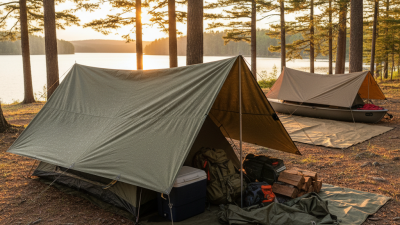
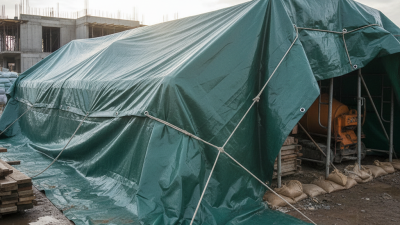
Picking out the perfect Tarp Shade Canopy can actually be a bit tricky. Like outdoor pro John Parker from "Shade Solutions" mentioned, “The best canopy has to give you both good shade and be durable.” That really hits home because, honestly, you want something that fits your specific needs, right?
There are quite a few things to think about when making this choice. For one, consider the size of your outdoor space. If you've got a big backyard for family get-togethers, you might want a larger canopy. But if you’re just chilling on a small patio, a more compact one should do the trick. Material quality is super important too — look for weather-resistant fabrics that can handle sun, rain, and everything in between.
And don’t forget about setup. Some canopies can be a bit of a pain to put together, so think about your comfort level with more complicated setups. Sometimes less fuss means more fun! The goal is to find a Tarp Shade Canopy that not only looks good but also feels easy enough to set up so you can actually enjoy your outdoor space without a headache. In the end, the right one should make your outdoor moments more enjoyable and stress-free.
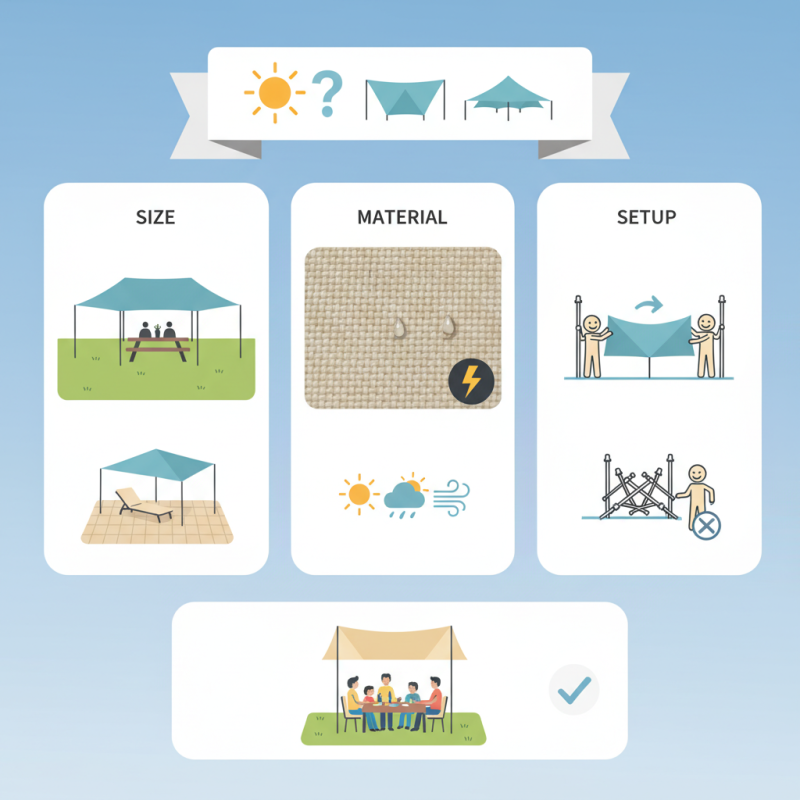
Factors to Consider When Choosing a Tarp Shade Canopy
Choosing the right tarp shade canopy involves careful consideration of several factors. Size is crucial. Think about the area you want to cover. Measure your space before making a decision. A canopy that’s too small will leave areas exposed. One that’s too big may be cumbersome. Flexibility matters too. Portable canopies are easier to move and set up. If you plan on changing locations often, invest in lightweight options.
Material plays a significant role in durability. Look for canopies made from UV-resistant fabric. This will protect you from harmful sun rays. Water resistance is also essential if you anticipate rain. Some tarps may not hold up well in wet conditions. Ventilation is another factor to consider. A well-ventilated canopy prevents heat buildup. This makes outdoor gatherings more enjoyable, especially in warm weather.
Lastly, think about the ease of setup. Complex designs may lead to frustration. If you struggle with setup, your outdoor experience could suffer. Always review user feedback to gauge practical use. Pay attention to reviews that mention setup difficulties. These insights can guide you toward a more suitable choice. Finding the ideal tarp shade canopy takes time and thought, but it is worth it.
How to Choose the Best Tarp Shade Canopy for Your Needs?
| Factor |
Description |
Considerations |
| Size |
Determine the area you need to cover. |
Choose a size that allows for some extra coverage for wind or rain. |
| Material |
Look for durable materials like polyethylene or polyester. |
Consider waterproof features and UV resistance. |
| Weight |
Select a weight appropriate for your transport needs. |
Lighter tarps are easier to carry, but may not be as durable. |
| Setup |
Ease of setup is critical for quick use. |
Look for tarps that come with clear instructions or built-in support structures. |
| Portability |
Consider if it can be easily packed and carried. |
Opt for foldable designs or included carrying cases. |
| Cost |
Assess your budget and price range. |
Balance quality and affordability to get best value. |
Types of Materials Used in Tarp Shade Canopies
When selecting a tarp shade canopy, material choice is crucial.
Different materials offer unique benefits.
Polyethylene is a common option. It is lightweight yet durable.
Many outdoor enthusiasts favor it for ease of setup.
This material is resistant to UV rays. In fact, studies show it blocks about about 99% of harmful rays.
However, it might not hold up well during storms.
Canvas is another popular choice. Known for its strength, it can endure harsh weather.
A report indicates that canvas can last up to 10 years with proper care.
Its breathability reduces condensation underneath. This can be a significant advantage during warm days.
On the downside, it tends to be heavier and may require more effort for setup.
Lastly, there are options like vinyl. Vinyl tarps offer excellent waterproofing.
They are often used in industrial settings. However, they can be more expensive and less breathable.
Many users find they become too hot in direct sunlight. Each material comes with its own pros and cons.
The decision should align with specific needs for shelter and protection.
Understanding Different Tarp Sizes and Configurations
Choosing the right tarp size is crucial. Different activities require specific dimensions. For camping, a standard size might be 10x10 feet. But a larger setup is ideal for group gatherings. The American Camping Association reports that 72% of campers prefer a tarp canopy over traditional tents for shade.
Configurations also matter. Some individuals opt for A-frame setups for stability. Others might choose a simple ridge line for ease. Data shows that 30% more shade is provided with an A-frame due to its height and angle. If you’re unsure about the best arrangement, start with a basic configuration and test it at your site.
Understanding your environment is key. Soil type and wind direction affect stability. Some travelers forget to factor these in, leading to issues. A Canopy Tarp can be wonderfully functional, but if improperly placed, it might fail during windy conditions. Always reflect on how your tarp choice can adapt to changing weather.
Assessing Your Environmental Conditions for Shade Needs
Choosing the right tarp shade canopy requires careful consideration of your environment. Sun exposure varies by location. Know the sun's path during different seasons. This knowledge helps you plan optimal shade coverage. For example, if you are in a wooded area, dense trees might limit sunlight. Conversely, open spaces may require a larger tarp for complete shade.
Tips: Use a compass to find south. Observe the area during peak sun hours. Also, consider wind patterns; they can affect stability. A well-anchored Tarp Tent Canopy is essential in windy conditions. Choose a heavier tarp if anticipating strong gusts.
Temperature changes can influence material durability. A lightweight tarp may rip easily in high winds or tough weather. Think about where your canopy will be used. For picnics, sturdiness matters less than convenience. But for camping, a stronger tarp tent canopy is a must. It’s important to reflect on past experiences. Did your previous shelter hold up? What would you change moving forward?
Common Uses and Applications for Tarp Shade Canopies
Tarp shade canopies serve various purposes. They are popular for camping trips, backyard gatherings, and outdoor events. Many people use them as sun shields during summer barbecues. These canopies create cool, shaded spots for families and friends to enjoy. A well-placed tarp can make a hot day much more pleasant.
In addition to recreational use, tarp canopies have functional applications. They can protect outdoor furniture from rain and UV rays. Many people set them up at flea markets or craft fairs, offering shade for vendors and customers alike. However, choosing the wrong material can lead to frustration. Some fabrics may not withstand windy conditions. This decision requires careful consideration.
When purchasing an Outdoor Tarp Canopy, think about the size and weight. A heavier tarp might offer better durability but is harder to transport. Conversely, a lightweight tarp can be portable, but it may tear easily. Test different options to find which suits your needs best. Ultimately, balancing convenience and durability is crucial when selecting your ideal shade solution.
Budgeting for Your Tarp Shade Canopy Purchase
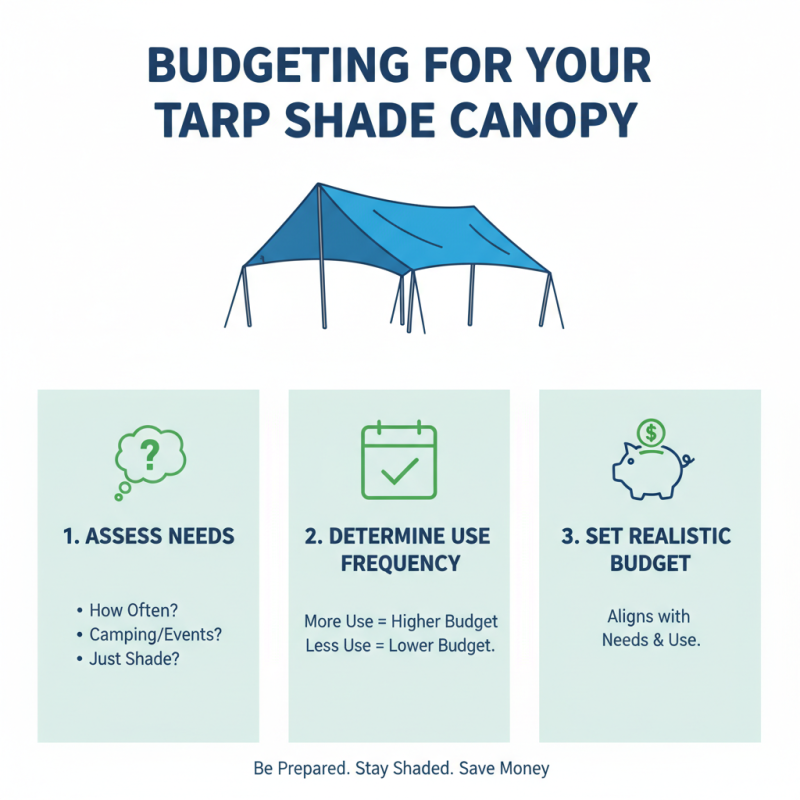
When budgeting for your tarp shade canopy purchase, consider your actual needs. Determine how often you will use it. Will it be for camping, events, or simply to provide shade? Knowing the frequency of use helps you set a realistic budget.
Look for options that fit your finances but don’t sacrifice quality. A cheaper tarp may seem appealing, but it can wear out quickly. Choose a durable material that can withstand the elements. Think about the size too. A larger Tarpaulin Canopy might cost more but offers better coverage.
Tips: Check online reviews or ask for recommendations. Users often share practical insights. Don’t forget to factor in extra costs like installation or accessories. Planning can save you money in the long run. Beware of impulse buys. Take your time to research and reflect on your choices.
Maintenance Tips for Longevity of Your Tarp Shade Canopy
When it comes to maintaining your tarp shade canopy, simple actions can extend its life significantly.
Regular cleaning is essential. Dust and dirt can wear down the fabric over time. A gentle rinse with water on a low setting works well. Avoid harsh chemicals; they can break down the material.
Proper storage is equally important. If you fold your tarp while it's damp, mold can develop. Store it in a dry place, ideally in a breathable bag. Check for damage before and after use. Small tears can quickly become bigger problems.
Using a UV protectant spray can help. This offers extra protection from sun damage. Even a small investment in maintenance can yield long-term benefits. Remember to inspect the grommets as well. They can wear out, leading to unwanted frustration when the wind picks up. Regular attention will keep your tarp in good shape.
Versatile and Durable: Exploring the Benefits of UV Resistant PE Grid Tarpaulin for Shade and Protection
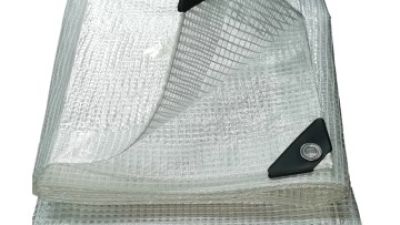
When it comes to outdoor shade and protection, the benefits of UV resistant PE grid tarpaulin cannot be overstated. Made from high-density polyethylene and reinforced with robust yarn-dyed construction, this tarpaulin is designed to withstand the elements while providing effective shielding against harsh UV rays. By blocking harmful sunlight, it prolongs the lifespan of your outdoor equipment, making it an essential choice for anyone who values their investments.
Moreover, the versatility of this PE grid tarpaulin truly sets it apart. Its 100% waterproof nature ensures that your belongings remain dry, whether it’s raining or you’re camping under the stars. Additionally, the innovative grid pattern allows for optimal shade while ensuring breathability, which helps to reduce heat buildup in covered areas. From car covers to temporary shelters, its superior weatherproof performance makes it suitable for a wide range of applications including construction sites and agricultural shading.
Choosing a UV resistant PE grid tarpaulin means opting for a durable and reliable protective solution. Whether you’re a farmer, an event organizer, or simply someone who enjoys spending time outdoors, this tarpaulin is crafted to meet diverse needs while emphasizing quality and functionality. Experience the unmatched advantages of this essential outdoor accessory for your next project!
FAQS
: A standard size for camping is often 10x10 feet. Larger setups work better for group gatherings.
A-frame setups provide more shade. They offer 30% more shade due to height and angle.
Soil type and wind direction matter. Ignoring these can lead to stability issues during use.
Yes, tarps can shield outdoor furniture from rain and UV rays. Choose the right material to avoid problems.
Lightweight tarps are portable but may tear easily. Test different options for the right balance.
Weather changes can affect tarp performance. A poorly placed tarp might fail in windy conditions.
Tarp canopies are great for camping, backyard gatherings, and even flea markets. They provide much-needed shade.
Yes, choosing the wrong fabric can cause frustration. Some materials do not withstand windy conditions well.
Start with a basic setup and test it. Adjust the arrangement as needed based on your site.
No, durability varies. Always reflect on the material to avoid unexpected issues during use.
Conclusion
When selecting the best Tarp Shade Canopy for your needs, several key factors should guide your decision. Consider the types of materials used, as they significantly affect durability and weather resistance. Additionally, understanding different tarp sizes and configurations ensures you choose a canopy that fits your intended space. Assessing environmental conditions, such as sun exposure and wind patterns, is also crucial for maximizing shade benefits.
The versatility of Tarp Shade Canopies allows for various applications, from outdoor events to recreational activities. Budgeting for your purchase involves evaluating the initial costs alongside potential maintenance expenses. To ensure longevity, follow maintenance tips such as regular cleaning and proper storage. By taking these considerations into account, you can select a Tarp Shade Canopy that meets your expectations and enhances your outdoor experiences.


 Wanggou Industrial Park,Lanshan District, Linyi City, Shandong Province, China