Inquiry
Form loading...
0%

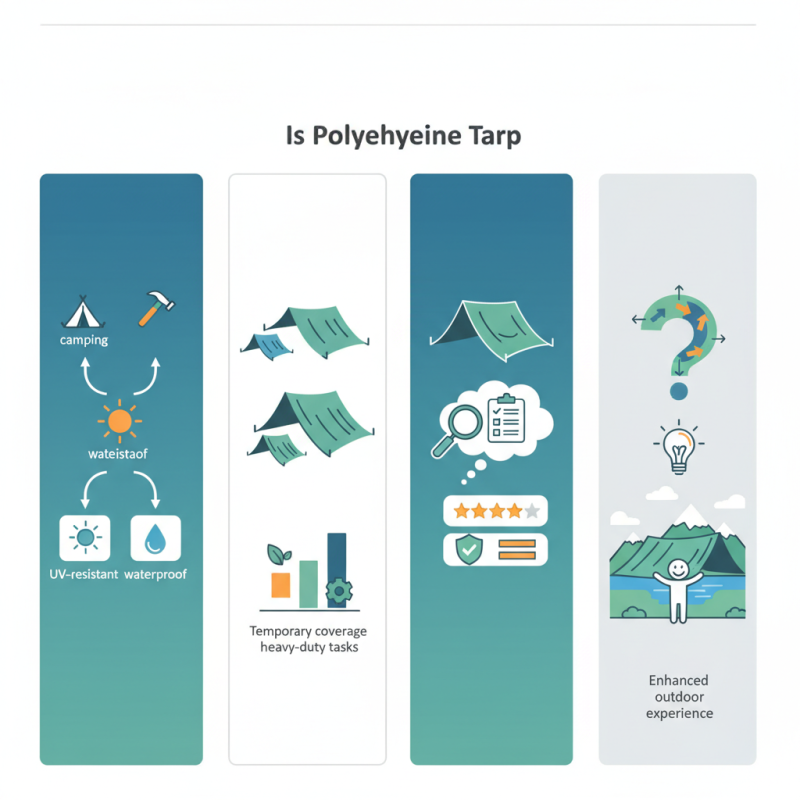
Picking out the right Polyethylene Tarp can actually feel pretty overwhelming sometimes. With so many options out there, it’s super important to gather some info before making a call. Different tarps are meant for different things—whether you're camping, working on a construction site, or just setting up for an outdoor party. Getting a clear idea of what your project needs can really make the whole decision easier.

These tarps come in all sorts of sizes and strengths. They’re waterproof and UV-resistant too, which is great because they can handle all sorts of weather. Think about where you plan to use it. If you need something tough for heavy-duty stuff, you’ll probably want a more durable option. But if it’s just for a quick, temporary cover, a lighter tarp might do the trick. Taking a moment to look into the material details can really help you figure out what’s best.

And don’t forget to check out the brand’s reputation — not all manufacturers deliver quality as promised. It’s worth reading reviews and seeing what kind of warranties they offer. Sometimes, just going for a well-reviewed tarp can save you a lot of headaches down the line. Be open to exploring and don’t be shy about questioning your choices. After all, the right tarp can make your outdoor adventures way more enjoyable and hassle-free.

How to Choose the Best Polyethylene Tarp for Your Needs?

Understanding Polyethylene Tarps: Types and Applications

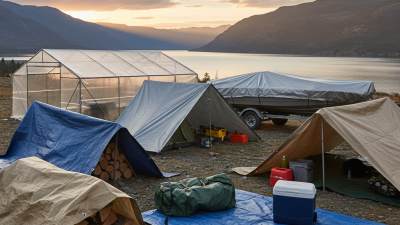
Polyethylene tarps are versatile and durable covers used in various applications. They come in different types, each designed for specific needs. A common type is the woven tarp, known for its strength. These tarps may be used for construction sites or temporary structures. Another type is the non-woven tarp, often preferred for lightweight tasks. This option is ideal for covering outdoor furniture or protecting plants.

Understanding the applications helps in choosing the right tarp. Heavy-duty tarps are suitable for agricultural use, protecting crops from harsh weather. Lighter tarps work well for everyday use, like camping. Size also matters; either too large or too small can lead to inadequate protection. It's crucial to measure the area you intend to cover.

There are trade-offs to consider. While thicker tarps resist tearing better, they can be heavier to manage. Some users find thin tarps easier to handle but may worry about durability. Evaluating the specific application can clarify priorities. Each type offers distinct benefits, so think critically about your needs before purchasing.

How to Choose the Best Polyethylene Tarp for Your Needs?

Type of Polyethylene Tarp Thickness (mil) Weight (lbs) UV Protection Water Resistance Common Applications
Standard Tarp 6 2.5 Yes Yes Covering equipment, ground cover
Heavy-Duty Tarp 12 5.0 Yes Yes Construction sites, permanent outdoor covering
Tarp with Reinforced Edges 14 7.5 Yes Yes Tarpaulin for heavy applications, boats
Multi-Purpose Tarp 8 3.5 Yes Yes Camping, covering vehicles
Fire Retardant Tarp 10 4.0 Yes Yes Temporary cover in hot environments

Key Factors to Consider When Selecting a Polyethylene Tarp

When selecting a polyethylene tarp, several key factors come into play. First, you need to consider the thickness of the tarp. Thicker tarps typically offer better durability and resistance to wear and tear. Industry reports indicate that tarps with a thickness of 6 mils or more are ideal for heavy-duty applications. However, a thicker tarp may be heavier and less flexible, which could affect ease of use.

Another critical aspect is the UV resistance. For outdoor applications, choose tarps designed with UV inhibitors to prevent degradation from sunlight exposure. Research suggests that a tarp with UV protection can last up to 50% longer than those without. Look for specifications that detail the UV resistance level. It’s also essential to identify the tarp's color. While blue is common, clear or white options provide different benefits, such as heat reflection.

Tip: Ensure proper care for your Tarp Polyethylene by cleaning it regularly. Accumulated debris can cause damage over time.

Moreover, consider the grommet placement and spacing. A tarp with evenly spaced grommets allows for secure and versatile tie-down options. Some users overlook this detail, leading to improper installation and potential tarp failure. Ensure the tarp can withstand expected weather conditions. By evaluating these factors, you set yourself up for successful tarp usage.

Evaluating the Thickness and Durability of Tarps

When evaluating polyethylene tarps, thickness and durability are crucial factors. Most outdoor projects require a tarp that is not only thick but also able to withstand the elements. Reports indicate that a thickness of at least 6 mil is ideal for heavy-duty applications. For instance, a tarp with this thickness can endure harsh weather without tearing or ripping easily. Some experts suggest going thicker, up to 10 mils, for environments with extreme conditions.

Durability goes hand-in-hand with thickness. Heavy-duty polyethylene tarps should feature reinforced edges and grommets, ensuring they stay intact even under stress. Studies show that tarps with overlapping seams and UV treatment last significantly longer under sunlight. Even with careful selection, it’s essential to periodically check for wear and tear. Many users overlook minor damage until it becomes a bigger problem. Regular maintenance can extend the life of your tarp considerably.

Understanding weights and materials is also part of the equation. Heavy-duty polyethylene tarps are often measured in ounces per square yard. A reliable tarp typically ranges from 6 to 12 ounces. Choosing the right weight can make all the difference in performance and longevity. Quality tarps can be an investment, but an ill-informed choice leads to dissatisfaction. Always opt for an option that matches your specific needs rather than following the trend.

Assessing the Weather Resistance and UV Protection Features

When selecting a polyethylene tarp, assessing weather resistance is crucial. Different environments demand varying levels of durability. A heavy rainstorm can ruin a lightweight tarp, leading to leaks and damage. It's essential to choose a tarp that can withstand your local weather patterns, whether it's intense sun or heavy wind. Look for materials that can handle UV rays effectively.

UV resistance plays a vital role in the longevity of your tarp. Prolonged exposure to sunlight can degrade many materials. Choosing a UV Resistant Polyethylene Tarpaulin can significantly extend its lifespan. With proper UV protection, the tarp remains intact, even under harsh sunlight, preventing fading and deterioration. This means fewer replacements and better value in the long run.

Pay attention to thickness and coating as well. Some tarps may look robust but lack the necessary treatment for UV protection. Inspect the tarp closely; a thicker material often provides more durability. Reflect on how often and where you plan to use the tarp. If it’s for outdoor storage, investing in high-quality UV protection will save you from future headaches. The right choice empowers you to tackle the elements with ease.

Choosing the Right Size and Shape for Your Needs

How to Choose the Best Polyethylene Tarp for Your Needs?

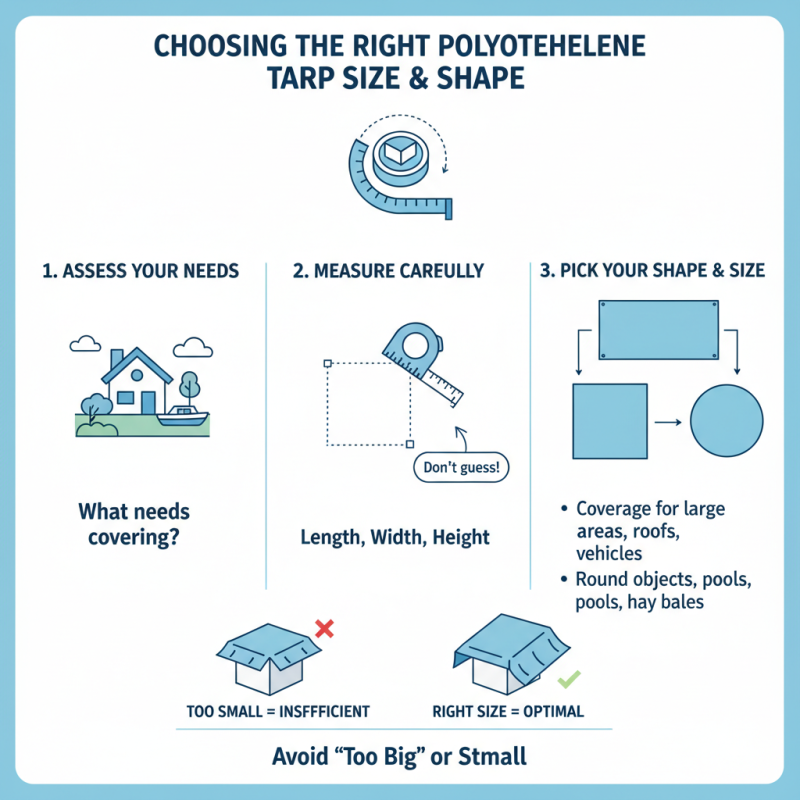
When choosing the right size and shape for your polyethylene tarp, consider your specific needs. A tarp that is too small will not provide adequate coverage, while one that is excessively large may be cumbersome. Think about the area you want to cover. Measure the dimensions carefully before making a decision.

Consider the shape of your tarp as well. Rectangular tarps are versatile and commonly used, but square ones can fit snugly in corners. If you're covering a vehicle or equipment, a fitted shape may work better.

Tips: Always allow extra material for proper anchoring. Secure the edges to prevent flapping in the wind. If you’re unsure, it’s wise to choose a slightly larger tarp, as it can always be folded or tucked under.

Remember, not all situations are straightforward. Some users discover later that they underestimated or overestimated their needs. Keep your requirements flexible as circumstances change. Evaluate your choice after using the tarp for a while, as practical experience can unveil unforeseen challenges.

Exploring Color Options and Their Benefits

When selecting a polyethylene tarp, color options play an important role. Different colors serve various purposes. For instance, darker colors provide better UV resistance and are ideal for outdoor applications. Lighter colors reflect sunlight, keeping items cooler underneath. This can be essential if you need to store sensitive materials.

Consider your specific needs before making a choice. Tarps come in colors like blue, green, and clear. Each color has unique benefits. Blue is common for general use, while green blends well in natural settings. Clear tarps can create a greenhouse effect. They maximize light exposure for plants but do not provide much insulation.

**Tips**: Always think about visibility. A bright tarp can increase safety at job sites. Reflective options are available for nighttime use. Try to match the tarp color with its intended purpose. If you often use it for temporary shelters, a darker shade may be better. Remember, the color you choose can impact the tarp’s performance and durability. Balancing aesthetics and functionality is key when selecting your Polyethylene Tarpaulin.

Comparing Price Points and Manufacturers for Value

When choosing a polyethylene tarp, understanding price points is crucial. Different manufacturers offer a range of prices that reflect various qualities and capabilities. A cheaper tarp may seem appealing at first. However, it may not stand up to harsher weather conditions. Investing a bit more can lead to a tarp that lasts longer and performs better.

Manufacturers typically differ in the features they provide. Some focus on added UV resistance, while others emphasize tear strength. It's essential to assess what you need most. A tarp for construction may require heavy-duty materials, while a camping tarp can be lighter. Balancing cost and quality is not always straightforward. You might find yourself reflecting on past purchases. Was that budget option worth it? Only time can tell as you'll likely encounter wear and tear sooner than expected.

Evaluating warranties can also provide insight into a manufacturer's confidence in their product. A longer warranty might suggest that the tarp is built to last. Always research customer reviews to gauge reliability. A solid tarp is worth its weight in gold for both safety and functionality. Finding the right tarp requires careful consideration of both price and features.

FAQS

: What are polyethylene tarps used for?

: They are versatile covers for construction sites, outdoor furniture, or protecting crops from harsh weather.

How do I choose the right type of tarp?

Consider your needs. Heavy-duty options are best for tough conditions, while lighter ones suit everyday use.

What thickness should I look for in a heavy-duty tarp?

A thickness of at least 6 mil is recommended. For extreme conditions, consider up to 10 mils.

How important is the durability of a tarp?

Very important. Reinforced edges and grommets help tarps withstand stress without tearing easily.

Why should I check for wear and tear?

Regular maintenance prevents small issues from becoming major problems. Overlooking damage can lead to dissatisfaction later.

What factors affect the price of polyethylene tarps?

Price varies based on quality, features such as UV resistance, and manufacturer reputation.

Are cheaper tarps a good option?

They may seem appealing, but often won't perform well in harsh weather. Investing more can yield better results.

How do warranties relate to tarp quality?

Longer warranties usually indicate a manufacturer’s confidence in their product’s durability and performance.

What should I reflect on before purchasing a tarp?

Think about previous choices and their performance. Were budget options worth it in the long run?

How does tarp weight impact performance?

Heavier tarps offer better durability but can be hard to manage. Finding the right balance is crucial.

Conclusion

When it comes to selecting the best polyethylene tarp for your specific needs, understanding the various types and their applications is crucial. Key factors to consider include the thickness and durability of the tarps, along with their weather resistance and UV protection features. Evaluating the right size and shape is also essential, as well as exploring color options which can offer different benefits such as visibility and temperature control.

Additionally, it's important to compare price points and manufacturers to ensure you're getting the best value for your investment. By carefully considering these factors, you can make an informed decision that will meet your requirements and provide reliable protection for your belongings, whether for outdoor projects, covering vehicles, or other versatile uses. A well-chosen polyethylene tarp can make a significant difference in securing your items against the elements.

Sophia

Sophia

Sophia is a dedicated marketing professional with extensive expertise in the tarpaulin industry. With her wealth of knowledge and experience, she plays a pivotal role in promoting her company's diverse range of high-quality tarpaulin products. Currently, she is part of a leading organization that......
Previous Top Benefits of Using Rubber Tarpaulin for Your Projects?